
Maintaining the health and aesthetic appeal of indoor and outdoor greenery often requires more than just watering and sunlight; it requires meticulous care of the foliage. Dust accumulation on leaves can obstruct stomata, hindering photosynthesis and reducing the overall vitality of the plant. This is where the strategic use of plant dusting gloves becomes essential, providing a gentle yet effective way to remove particulates without damaging delicate plant tissues.
Across the global horticulture and botanical maintenance sectors, the demand for specialized cleaning tools has grown as urban gardening and professional greenhouse management expand. Traditional cloth rags often leave lint behind or lack the necessary grip to handle intricate leaf structures, leading to a shift toward ergonomic, microfiber-based solutions. By utilizing professional-grade plant dusting gloves, caretakers can ensure a comprehensive clean that promotes better gas exchange and nutrient absorption for the flora.
Understanding the technical nuances of these tools—from material permeability to electrostatic properties—allows plant enthusiasts and professional landscapers to optimize their maintenance routines. Whether managing a private collection of rare tropicals or overseeing a commercial nursery, the right equipment transforms a tedious chore into a precise science, ensuring that every leaf is primed for maximum efficiency and visual brilliance.
In the global textile and gardening industry, the development of plant dusting gloves represents a convergence of material science and botanical necessity. As indoor air quality challenges increase in metropolitan areas, the rate of particulate deposition on houseplant leaves has risen, making specialized cleaning tools a necessity rather than a luxury. ISO standards for textile durability and hypoallergenic materials now guide the production of these gloves to ensure they are safe for both the user and the organic surfaces they touch.
The economic impact of plant health is significant, particularly in commercial greenhouses and luxury hotel interiors where "biophilic design" is prevalent. When dust is allowed to accumulate, the efficiency of photosynthesis drops, potentially leading to stunted growth or increased susceptibility to pests. By implementing a regime using professional dusting gloves, operators can reduce plant loss and maintain a high-standard aesthetic, thereby protecting the financial investment in high-value botanical collections.
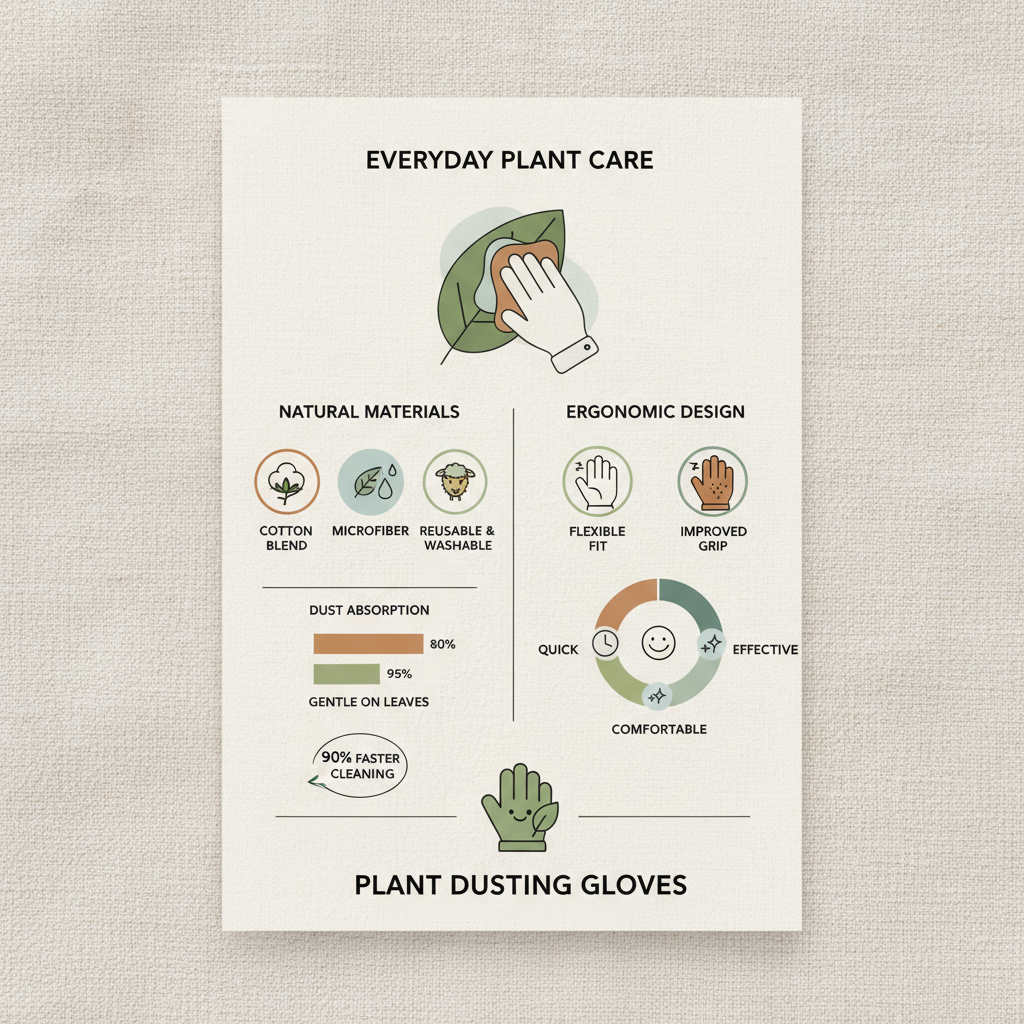
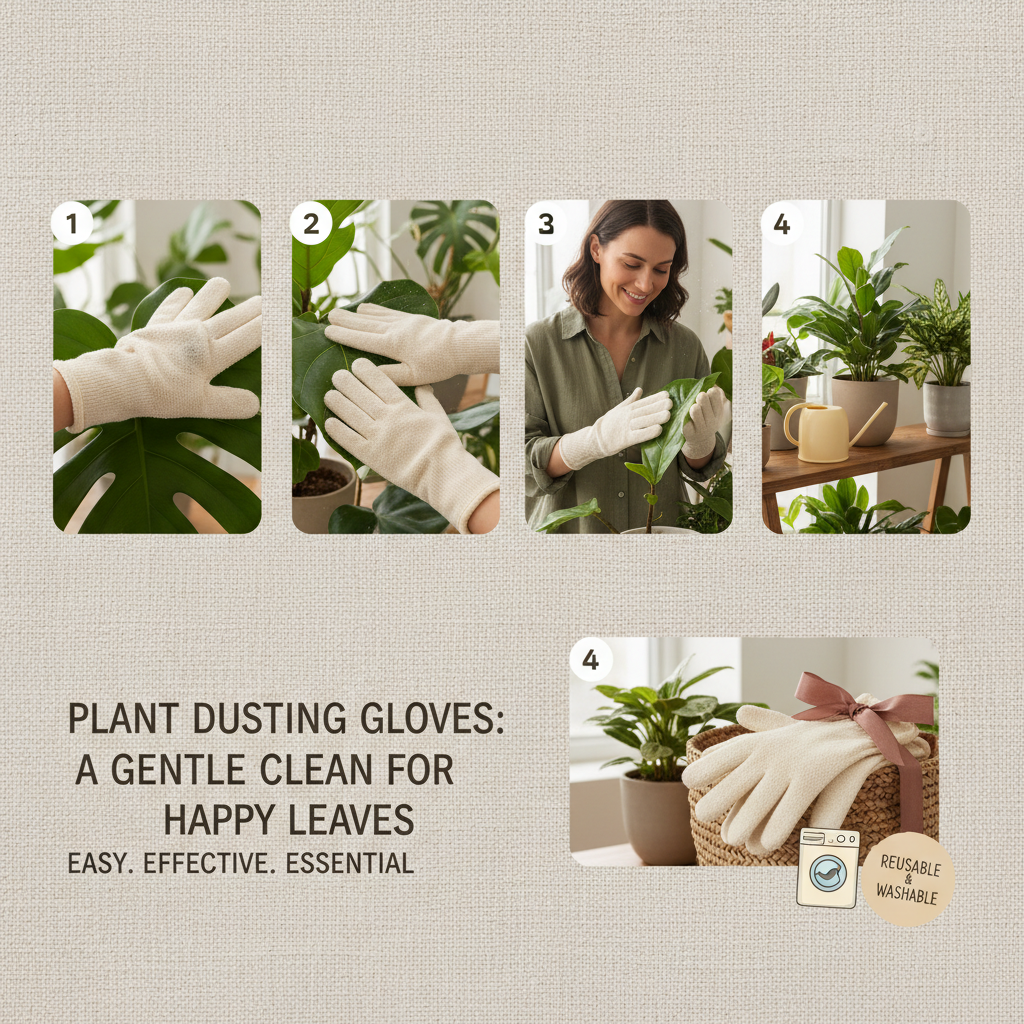
At its core, plant dusting gloves are specialized hand-coverings engineered from high-density microfiber or blended cotton designed to attract and trap dust particles through electrostatic action. Unlike standard cleaning cloths, these gloves allow the user to utilize the natural dexterity of their fingers to navigate the complex geometry of leaves, stems, and veins without applying excessive pressure that could bruise the plant.
From an industrial perspective, these tools bridge the gap between heavy-duty industrial gloves and delicate etiquette gloves. They must possess enough tensile strength to withstand repeated washing while remaining soft enough to avoid scratching the waxy cuticle (the protective outer layer) of the leaf. This balance is achieved through a precise weave density that maximizes surface area for dust adhesion.
In the context of modern sustainability, these gloves are often seen as an eco-friendly alternative to disposable chemical wipes. By utilizing a reusable, washable textile, the user reduces the introduction of volatile organic compounds (VOCs) into the plant's immediate environment, ensuring that the cleaning process does not inadvertently poison the very organism it is meant to protect.
The primary factor in the performance of plant dusting gloves is the material composition. High-quality options typically utilize a blend of polyester and polyamide, creating a "split-fiber" effect that acts like a microscopic hook to grab dust. This ensures that particles are lifted away from the leaf surface rather than simply pushed around.
Ergonomics and fit are equally critical. A glove that is too loose will lack the precision needed for narrow leaves, while one that is too tight may restrict blood flow during long cleaning sessions. Premium designs often feature elasticated wrists and reinforced fingertips to provide a secure fit that mirrors the natural movement of the hand, allowing for the delicate handling of fragile species.
Lastly, the breathability of the fabric prevents moisture buildup on the hand, which is vital when working in humid greenhouse environments. By integrating moisture-wicking properties, these gloves remain comfortable for extended use, reducing user fatigue and ensuring that the maintenance of large-scale plant collections is conducted with consistent attention to detail.
The application of plant dusting gloves extends far beyond the home hobbyist. In botanical gardens across Europe and Asia, curators use these tools to maintain rare specimens where the use of water or chemicals might be risky. By dry-dusting with microfiber, they prevent the risk of fungal growth that can occur when leaves remain damp for too long in poorly ventilated areas.
In commercial office spaces in North America, facility management teams have integrated these gloves into their "Green Wall" maintenance protocols. Vertical gardens often collect dust from HVAC systems, and the ability to quickly and efficiently wipe thousands of leaves by hand ensures that the living installations remain healthy and visually striking for corporate clients.
The primary long-term value of utilizing plant dusting gloves lies in the physiological improvement of the plant. By removing the physical barrier of dust, leaves can maximize their light absorption and facilitate the natural process of transpiration. This leads to stronger stem growth and more vibrant flowering, as the plant is no longer operating under "environmental stress."
Beyond the biological, there is a psychological and emotional value to the process. The tactile nature of using gloves to clean a plant encourages a closer inspection of the foliage, allowing the caretaker to spot early signs of pests—such as spider mites or mealybugs—that would otherwise be hidden under a layer of dust. This proactive approach to plant health saves time and money on expensive curative treatments.
The future of plant dusting gloves is leaning heavily toward the integration of nanotechnology. Research into "super-hydrophobic" coatings could allow gloves to repel moisture while still attracting dust, making them ideal for plants that require high humidity but must remain dust-free. We are also seeing a shift toward biodegradable polymers that offer the same electrostatic properties as polyester but break down naturally at the end of their lifecycle.
Automation is another frontier, though the human touch remains irreplaceable for delicate species. However, the development of "smart textiles" that can detect the pH level or moisture content of a leaf upon contact is on the horizon. Such gloves would not only clean the plant but also act as a diagnostic tool, alerting the gardener to nutrient deficiencies in real-time.
Sustainability remains the driving force. The industry is moving toward recycled ocean plastics to create the microfiber filaments used in these gloves. This creates a circular economy where plastic waste is repurposed into a tool that helps maintain the urban "lungs" (plants) of our cities, aligning commercial production with global environmental goals.
One of the primary challenges in the current practice of foliage maintenance is the "redistribution" effect, where dust is simply moved from one leaf to another. To solve this, professional plant dusting gloves are designed with a specific pile height and density that "locks" the dust into the fabric, preventing it from falling back onto the plant.
Another common limitation is the wear and tear caused by frequent washing, which can flatten the microfibers and reduce their electrostatic charge. The solution lies in the use of specialized, pH-neutral detergents and air-drying methods. Avoiding fabric softeners is crucial, as these chemicals coat the fibers and neutralize the very attraction that makes the gloves effective.
Finally, some users struggle with the sizing of gloves for varying hand shapes. The industry is solving this through the introduction of "adaptive fit" textiles—materials that stretch and mold to the individual's hand while maintaining consistent pressure across the fingertips. This ensures that every user, regardless of hand size, can achieve the same level of precision.
| Material Type | Dust Attraction Score | Tissue Safety | Durability (Washes) |
|---|---|---|---|
| Premium Microfiber | 10/10 | Very High | 200+ |
| Blended Cotton | 6/10 | High | 100+ |
| Synthetic Velvet | 8/10 | Medium | 50+ |
| Bamboo Fiber | 7/10 | Very High | 80+ |
| Polyester Mesh | 5/10 | Medium | 150+ |
| Hybrid Nano-weave | 9/10 | High | 300+ |
Plant dusting gloves utilize electrostatic attraction to lift dust away from the leaf surface without needing excess water. Damp cloths can sometimes leave streaks, push dust into the plant's pores, or create a humid environment on the leaf that encourages fungal growth. Gloves provide better precision and a dryer, safer cleaning method for sensitive tropical plants.
For optimal performance, gloves should be washed after every 3-5 major cleaning sessions. When the microfibers become saturated with dust, their ability to attract more particles decreases significantly. We recommend washing them in warm water with a mild detergent, avoiding fabric softeners, and air-drying to preserve the fiber structure.
Yes, but with caution. For plants with trichomes (hairs) or very textured surfaces, we recommend using a light touch. The microfiber structure of professional plant dusting gloves is designed to be gentle, but it is always best to test a small area first to ensure the fabric doesn't snag on the plant's natural anatomy.
Generally, any plant with extremely fragile, paper-thin leaves or those that exude a sticky sap (latex) should be handled with care. For very sticky leaves, the gloves may become clogged quickly. In such cases, a light misting followed by a very gentle wipe is preferred over dry dusting.
While the core cleaning technology is the same, outdoor plants often deal with coarser debris (like soil or grit). For outdoor use, we recommend a slightly more durable blend. For indoor plants, a high-density, ultra-soft microfiber is ideal to ensure no scratching occurs on the polished leaves of interior décor plants.
If you notice that dust is being smeared across the leaf rather than being lifted away, or if the gloves feel "slick" or "waxy" to the touch (often caused by using fabric softener during washing), they have likely lost their charge. In this case, a deep clean with a vinegar-based rinse can sometimes restore the fibers, or it may be time for a replacement.
In summary, the adoption of plant dusting gloves represents a critical upgrade in botanical maintenance. By combining advanced textile science—specifically the electrostatic properties of microfibers—with ergonomic design, these tools ensure that plants can breathe and photosynthesize at peak capacity. The transition from haphazard cleaning methods to a structured, glove-based approach not only enhances the visual beauty of greenery but fundamentally supports the biological health of the plant.
Looking forward, as we integrate more nature into our urban environments, the tools we use to sustain that nature must evolve. Investing in high-quality, sustainable dusting solutions is a step toward a more mindful approach to gardening. We encourage all plant caretakers, from the casual hobbyist to the professional curator, to prioritize the health of their foliage by adopting professional-grade cleaning equipment. Visit our website for more professional solutions: www.hmdglove.com
If you are interested in our products, you can choose to leave your information here, and we will be in touch with you shortly.