
Household gloves manufacturers play a crucial role in global safety and hygiene. These companies produce a wide array of gloves, ranging from simple disposable options to heavy-duty industrial protective gear. The demand for household gloves is consistently high, driven by everyday cleaning tasks, food preparation, and healthcare applications, making this a significant manufacturing sector with global reach. Understanding the nuances of this industry – from material science to efficient production methods – is increasingly important for businesses and consumers alike.
The global household gloves market is projected to continue growing, fueled by heightened awareness of hygiene standards and increasing demand from emerging economies. According to recent reports, the market is expected to reach [Insert Statistic Here] by [Insert Year Here], indicating substantial growth potential. This growth presents both opportunities and challenges for household gloves manufacturers, demanding innovation in materials, production processes, and distribution networks.
A key benefit of understanding the household gloves manufacturing landscape is identifying reliable suppliers and ensuring access to high-quality products. For businesses, this translates to improved safety protocols and reduced operational costs. For consumers, it means greater peace of mind and protection for their families. household gloves manufacturer are dedicated to providing quality products to meet these needs.

Household gloves manufacturing isn't merely about producing a common household item; it’s deeply interwoven with public health, worker safety, and industrial productivity. Globally, the need for protective gloves extends far beyond domestic use, impacting sectors like healthcare, food processing, agriculture, and manufacturing. The COVID-19 pandemic dramatically highlighted the critical importance of readily available, high-quality gloves in preventing the spread of infectious diseases, further elevating the industry's global significance.
The United Nations Sustainable Development Goals (SDGs) also implicitly underscore the importance of this manufacturing sector. Specifically, SDG 3 (Good Health and Well-being) and SDG 8 (Decent Work and Economic Growth) are directly influenced by the availability of safe and effective gloves for healthcare workers and industrial laborers. Furthermore, responsible household gloves manufacturers contribute to sustainable practices, minimizing environmental impact and promoting ethical labor standards.
Household gloves manufacturing encompasses the processes involved in designing, producing, and distributing gloves intended for use in domestic environments. This includes a wide range of materials, such as latex, nitrile, vinyl, neoprene, and polyethylene. The manufacturing process typically involves sourcing raw materials, compounding, molding or dipping, curing, finishing, and quality control. household gloves manufacturer specialize in utilizing advanced techniques to optimize production efficiency and product quality.
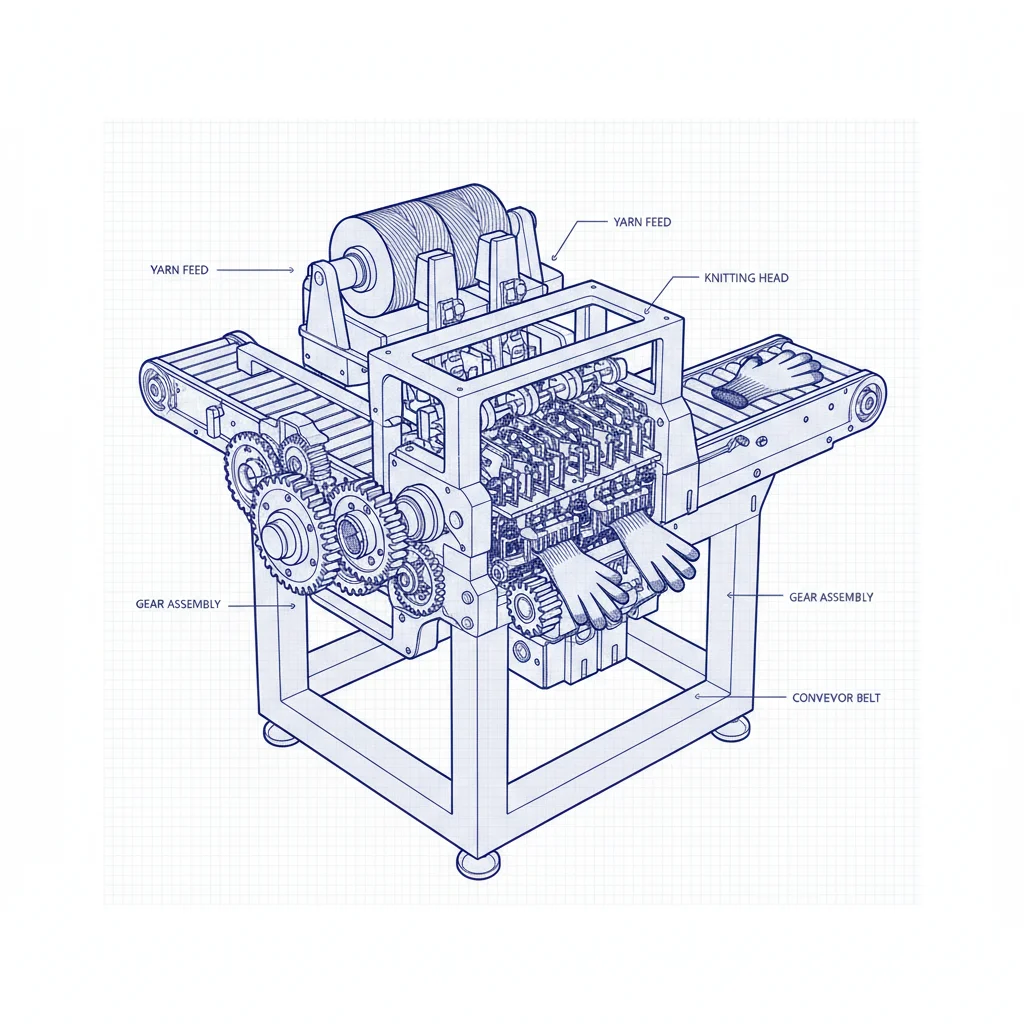
Modern household gloves manufacturing increasingly integrates automation and advanced material science. Robotics are utilized for repetitive tasks, enhancing precision and reducing labor costs. New materials are constantly being developed to improve glove performance – offering enhanced durability, chemical resistance, and comfort. The industry also focuses on developing eco-friendly alternatives to traditional materials, addressing growing concerns about environmental sustainability.
This sector directly connects to modern humanitarian needs by providing essential protective gear in disaster relief efforts and public health campaigns. Access to gloves is fundamental in preventing the spread of disease and protecting individuals from harmful substances, particularly in vulnerable communities. Therefore, efficient and reliable household gloves manufacturing is vital for both daily life and crisis response.
Several key factors define effective household gloves manufacturing. Durability is paramount, as gloves must withstand regular use and exposure to various substances without tearing or degrading. This necessitates high-quality materials and rigorous testing procedures. Cost Efficiency is also crucial, requiring manufacturers to optimize their processes and minimize waste without compromising quality.
Scalability is essential for meeting fluctuating demand and adapting to market changes. A flexible manufacturing process allows companies to quickly increase or decrease production volume as needed. Quality Control forms the backbone of a trustworthy manufacturing process. Stringent checks at every stage – from raw material inspection to final product testing – are vital to ensuring consistent quality and adherence to safety standards.
Finally, Material Sourcing plays a vital role. Ethically and sustainably sourced materials are becoming increasingly important, both for environmental reasons and to meet consumer expectations. household gloves manufacturer prioritize responsible sourcing practices to ensure a sustainable supply chain.
The quality of household gloves is heavily influenced by several interconnected factors. The choice of Raw Material Grade directly impacts durability, flexibility, and chemical resistance. Higher-grade materials generally lead to superior product performance, but also come with higher costs. Maintaining consistent quality control during the Compounding Process – where raw materials are mixed with additives – is vital.
Precise control of Molding/Dipping Parameters (temperature, pressure, dipping speed) is essential for achieving the desired glove thickness, shape, and uniformity. Effective Curing Processes are necessary to vulcanize the rubber or polymer, enhancing strength and elasticity.
Household gloves find widespread application across numerous industries. In the healthcare sector, they’re essential for preventing cross-contamination and protecting medical professionals. The food processing industry relies on gloves to maintain hygiene standards and ensure food safety. Cleaning services utilize gloves for worker protection and sanitation. household gloves manufacturer provide solutions for many of these requirements.
In post-disaster relief operations, gloves are critical for protecting volunteers and aid workers from hazardous materials and infectious diseases. Remote industrial zones and agricultural settings also heavily rely on gloves for ensuring worker safety and productivity. The automotive and electronics industries use gloves to prevent contamination of sensitive components during assembly.
The advantages of investing in high-quality household gloves are numerous and far-reaching. From a cost perspective, durable gloves reduce the frequency of replacements, lowering overall expenses. Sustainability is also enhanced by choosing long-lasting products, reducing waste and environmental impact. The social impact is significant, as gloves protect workers and individuals from health risks and hazardous materials.
Beyond the tangible benefits, reliable household gloves provide peace of mind and instill trust. Knowing that you’re adequately protected fosters confidence and improves overall well-being. Innovation in glove technology, such as the development of hypoallergenic materials and enhanced grip features, further adds value.
Ultimately, choosing a reputable household gloves manufacturer is an investment in safety, efficiency, and long-term value.
The future of household gloves manufacturing is poised for significant advancements. The development of biodegradable and compostable glove materials is gaining momentum, addressing growing environmental concerns. Automation and robotics will continue to play a larger role in optimizing production processes, reducing costs, and improving efficiency.
Digital transformation is also impacting the industry, with the integration of data analytics and AI-powered quality control systems. Smart gloves equipped with sensors and connected devices are emerging, offering features like real-time feedback on pressure and temperature.
Furthermore, research into antimicrobial coatings and self-sanitizing materials promises to enhance hygiene and reduce the risk of contamination. These innovations will redefine the landscape of household gloves manufacturing, leading to safer, more sustainable, and more effective products.
| Trend Category | Description | Impact on Manufacturing | Expected Timeline |
|---|---|---|---|
| Biodegradable Materials | Development of gloves made from renewable resources. | Requires new sourcing and processing techniques. | 5-10 years |
| Advanced Automation | Increased use of robotics in production processes. | Higher initial investment, but reduced labor costs. | 2-5 years |
| Digital Quality Control | AI-powered systems for real-time defect detection. | Improved accuracy and reduced waste. | 3-7 years |
| Smart Gloves | Gloves with integrated sensors for data collection. | Requires collaboration with technology providers. | 7-10 years |
| Antimicrobial Coatings | Application of coatings that inhibit microbial growth. | Enhanced hygiene and reduced infection risk. | 2-5 years |
| Sustainable Sourcing | Prioritizing ethically and environmentally responsible raw material sources. | Enhanced brand reputation and reduced environmental impact. | Ongoing |
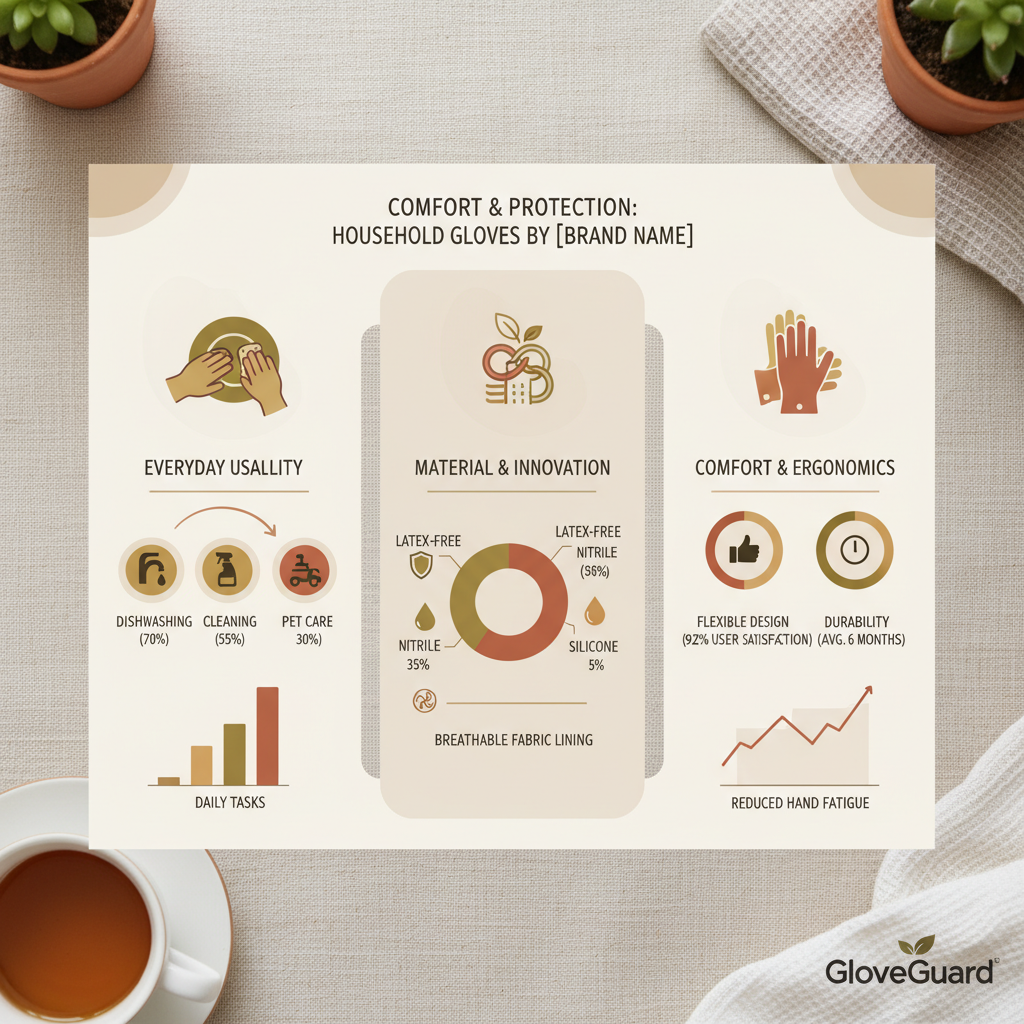
The most common materials include latex, nitrile, vinyl, and neoprene. Latex offers excellent elasticity and comfort but can cause allergies. Nitrile provides superior chemical resistance and is a popular alternative for those with latex sensitivities. Vinyl is a cost-effective option, while neoprene offers good resistance to a wider range of chemicals and temperatures.
The best glove depends on the task. For general cleaning, vinyl or latex gloves are often sufficient. For tasks involving harsh chemicals, nitrile or neoprene gloves are recommended. If allergies are a concern, opt for nitrile gloves. Consider the thickness of the glove – thicker gloves provide greater protection but may reduce dexterity.
Traditional glove materials like latex and vinyl are not biodegradable and contribute to landfill waste. The manufacturing process can also have environmental impacts. However, manufacturers are increasingly developing biodegradable alternatives and implementing sustainable sourcing practices to mitigate these concerns.
Look for gloves that meet relevant safety standards (e.g., EN standards). Choose reputable household gloves manufacturer with a proven track record of quality control. Read product reviews and check for certifications. Examine the gloves for defects, such as tears or holes, before use.
Innovations include the development of biodegradable materials, antimicrobial coatings, and smart gloves with integrated sensors. Researchers are also exploring new materials with enhanced durability, chemical resistance, and comfort. Advancements in automation and robotics are improving manufacturing efficiency and quality control.
The manufacturing process significantly impacts cost. Factors such as raw material prices, labor costs, energy consumption, and production volume all play a role. Automation and efficient supply chain management can help to reduce costs, but quality control and ethical sourcing practices may add to the overall expense.
Household gloves manufacturing is a vital industry with far-reaching implications for public health, worker safety, and environmental sustainability. From advancements in material science to innovative production techniques, the sector is constantly evolving to meet the growing demands of a global market. Understanding the core components of effective manufacturing, the key factors influencing quality, and the future trends shaping the industry is essential for businesses, consumers, and policymakers alike.
Investing in high-quality household gloves and supporting responsible manufacturers is an investment in a safer, healthier, and more sustainable future. We encourage you to explore the latest innovations and best practices to ensure that you're making informed decisions. For premium household gloves and reliable manufacturing solutions, visit our website: www.hmdglove.com
If you are interested in our products, you can choose to leave your information here, and we will be in touch with you shortly.