Maintaining the health and aesthetic appeal of indoor and outdoor foliage often requires more than just water and sunlight; it requires precision care. The emergence of specialized leaf cleaning gloves has revolutionized how botanical enthusiasts and professional horticulturists approach plant hygiene, moving away from cumbersome cloths to an ergonomic, wearable solution.
Across the globe, the rise of urban jungles and the expansion of commercial greenhouses have highlighted a critical need for tools that can remove dust, pests, and mineral deposits without damaging delicate leaf cuticles. By integrating textile science with botanical needs, these gloves provide a seamless blend of protection for the user and gentleness for the plant.
Understanding the technical specifications and material composition of high-quality leaf cleaning gloves is essential for anyone looking to optimize plant photosynthesis and longevity. This guide explores the industry standards, practical applications, and the long-term value of investing in professional-grade cleaning gear for greenery.
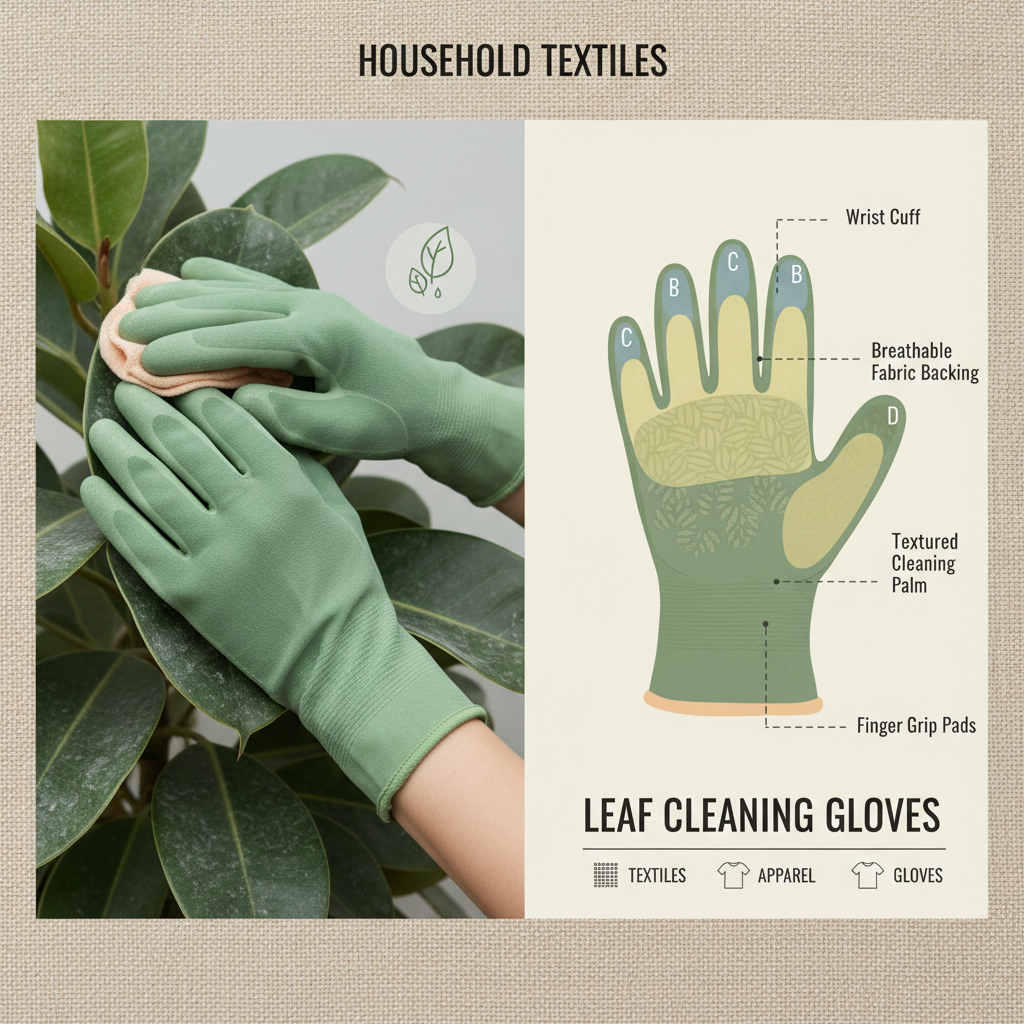
Global Importance of Leaf Cleaning Gloves
In the context of global horticulture, the accumulation of particulate matter on foliage can reduce photosynthetic efficiency by up to 30%, as noted in various agricultural studies. The widespread adoption of leaf cleaning gloves addresses this challenge by providing a standardized, efficient method for maintaining plant health on a mass scale, from vertical farms in Singapore to botanical gardens in London.
Beyond aesthetics, these tools play a vital role in integrated pest management (IPM). By allowing keepers to physically inspect and wipe leaves, they can detect early signs of spider mites or mealybugs, preventing widespread crop failure. The global shift toward sustainable urban farming has made these specialized gloves an indispensable asset for maintaining air-purifying indoor plants.
Defining the Technical Scope of Leaf Cleaning Gloves
At its core, leaf cleaning gloves are specialized hand-wear engineered from non-abrasive, absorbent, and often hypoallergenic materials designed to lift dust and contaminants from plant surfaces without scratching the epidermis. Unlike general-purpose gardening gloves, which focus on protection from thorns or chemicals, these are precision tools designed for "foliar grooming."
The technical scope extends to the intersection of textile engineering and plant biology. By utilizing microfiber or treated cotton blends, these gloves create a capillary effect that pulls debris away from the leaf surface. This prevents the "smearing" effect common with low-quality cloths, ensuring that the stomata—the tiny pores plants use for gas exchange—remain unobstructed.
In modern industry, this tool is viewed as a bridge between manual labor and botanical health. Whether used in luxury hotel lobbies for ornamental maintenance or in research laboratories for specimen cleaning, the primary goal remains the same: maximizing light absorption and enhancing the biological vitality of the flora.
Core Components and Material Science
The effectiveness of leaf cleaning gloves depends heavily on the choice of fabric. Microfiber, consisting of polyester and polyamide, is the gold standard due to its split-fiber structure, which increases surface area and allows for the mechanical trapping of microscopic dust particles.
Durability and ergonomics also play a key role. A high-quality glove incorporates reinforced stitching and an elasticized wrist cuff to ensure the tool remains secure during repetitive wiping motions. This prevents the fabric from shifting, which could otherwise lead to accidental leaf bruising or inefficient cleaning.
Furthermore, the chemical neutrality of the materials is paramount. Professional-grade leaf cleaning gloves are treated to be free of dyes or residues that could leach into the plant's surface, ensuring that no phytotoxic reactions occur during the cleaning process, especially for sensitive species like Calatheas or Orchids.
Practical Performance Metrics
When evaluating the performance of different cleaning methods, metrics such as "particle removal rate" and "surface friction coefficient" are critical. Professional users often compare various materials to determine which offers the best balance between cleaning power and safety for the leaf.
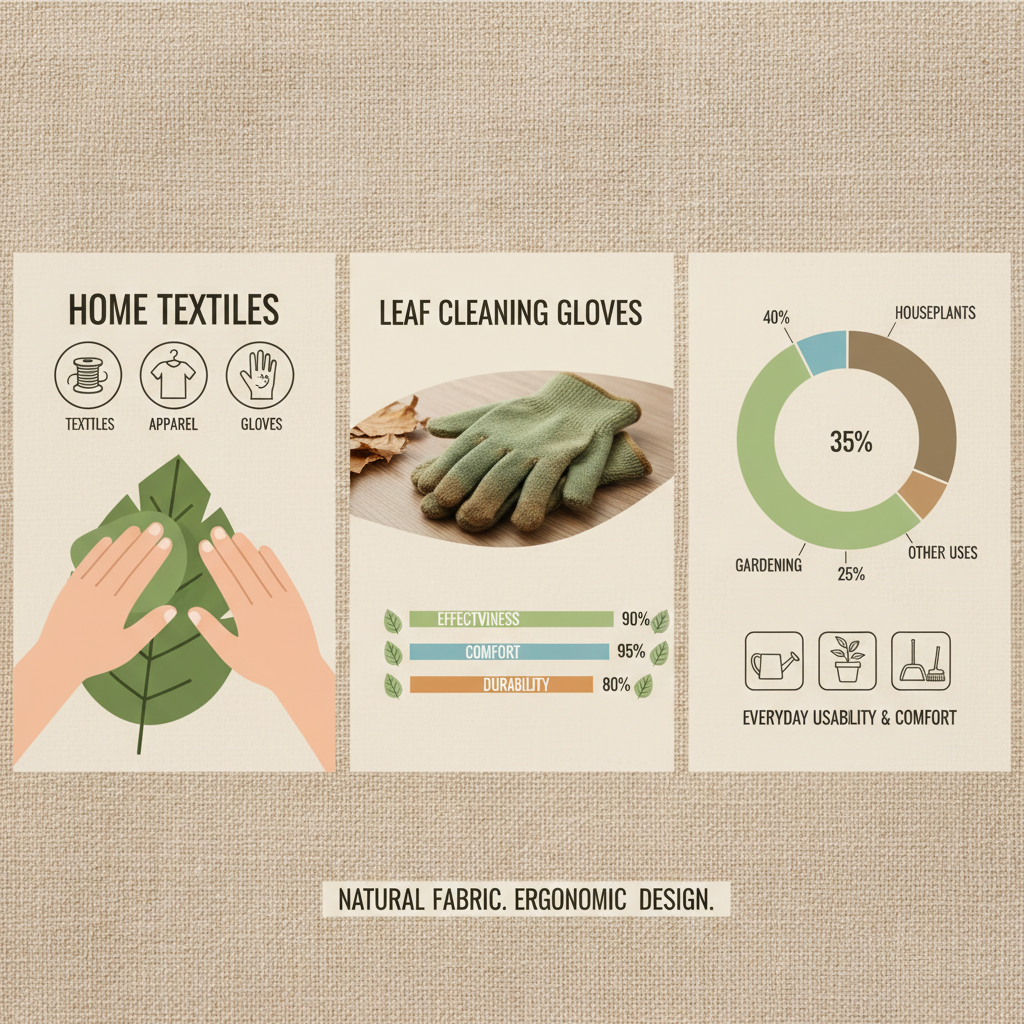
The following data illustrates how different types of leaf cleaning gloves perform across key indicators, highlighting why specialized microfiber options generally outperform traditional cotton or synthetic alternatives.
Performance Analysis of Leaf Cleaning Glove Materials
Global Applications and Use Cases
In large-scale industrial settings, such as commercial hydroponic farms in the Netherlands, leaf cleaning gloves are used as part of a strict hygiene protocol to maintain sterile environments and ensure that nutrient absorption is not hindered by dust. The use of wearable cleaners allows workers to move rapidly through rows of plants, significantly reducing labor hours compared to traditional spraying or wiping.
In the luxury hospitality sector, specifically in high-end hotels in Dubai or Singapore, these gloves are employed to maintain the pristine appearance of indoor "living walls." Because these installations are often in high-traffic areas where dust accumulates quickly, the ability to perform "invisible maintenance" using discreet, soft gloves ensures a premium guest experience without the need for disruptive cleaning equipment.
Long-Term Value and Sustainability
Investing in professional-grade leaf cleaning gloves offers substantial long-term value by extending the lifespan of expensive ornamental plants. By ensuring optimal photosynthesis and reducing the likelihood of pest infestations, owners can avoid the high cost of plant replacement and chemical treatments.
From a sustainability perspective, these reusable gloves replace the need for disposable wet wipes and chemical-laden cleaning cloths. This reduction in single-use waste aligns with global ESG (Environmental, Social, and Governance) goals, promoting a more circular economy within the landscaping and interior design industries.
Moreover, the psychological benefit of plant care—often referred to as "biophilic engagement"—is enhanced when the tools used are comfortable and effective. The tactile nature of glove-based cleaning fosters a deeper connection between the caretaker and the plant, leading to more attentive and nuanced care.
Future Innovations in Botanical Gear
The future of leaf cleaning gloves lies in the integration of smart textiles. We are seeing a shift toward "bio-sensing" fabrics that can detect changes in leaf temperature or moisture levels upon contact, allowing the cleaner to simultaneously diagnose plant health while removing dust.
Another emerging trend is the use of nano-coatings that impart anti-static properties to the fabric. This prevents dust from clinging to the glove itself, allowing for a higher volume of cleaning before the gloves require washing, thereby further reducing water consumption in industrial maintenance.
As automation grows, we expect to see these materials adapted for robotic end-effectors. The "soft-touch" technology developed for human leaf cleaning gloves is being mirrored in soft-robotics to allow automated systems to groom plants without causing mechanical stress or tearing.
Comparative Analysis of Future Leaf Cleaning Glove Technologies
| Technology Type |
Primary Benefit |
Adoption Rate |
Sustainability Score |
| Nano-Anti Static |
Reduced Dust Clinging |
Medium |
8/10 |
| Bio-Sensing Fabric |
Real-time Health Diagnostics |
Low |
7/10 |
| Recycled Ocean Plastic |
Eco-friendly Sourcing |
High |
10/10 |
| Hydrophobic Coating |
Faster Drying Times |
Medium |
6/10 |
| Bamboo-Microfiber Hybrid |
Superior Absorption |
High |
9/10 |
| Antimicrobial Infusion |
Prevents Fungal Spread |
Medium |
7/10 |
FAQS
While general microfiber gloves can work, specialized leaf cleaning gloves are typically engineered with a lower friction coefficient to prevent scratching the plant's delicate waxy cuticle. Using industrial-grade cleaning gloves can sometimes be too abrasive, whereas botanical-specific gloves ensure a gentle touch while still effectively lifting dust.
To maintain maximum efficiency, gloves should be washed after every few sessions or whenever they become saturated with dust and oils. We recommend using a mild, fragrance-free detergent and air-drying them. Avoid fabric softeners, as these can coat the microfibers and reduce their ability to attract and hold dust particles.
Yes, provided they are made from high-quality, non-abrasive materials. For extremely sensitive plants with "fuzzy" leaves (like African Violets), we recommend using the gloves only with a very light touch or dampened slightly with distilled water to avoid disturbing the trichomes (tiny hairs) on the leaf surface.
Absolutely. While they aren't a substitute for pesticide or neem oil treatments, leaf cleaning gloves are excellent for the mechanical removal of spider mite webs and adult mites. Wiping both the top and bottom of the leaves allows you to physically reduce the pest population and clean the surface for better treatment application.
For light dusting, dry gloves are often sufficient and safer. However, for stubborn mineral deposits (from hard water) or sticky residue, slightly dampening the gloves with distilled water is recommended. Avoid using tap water on the foliage to prevent leaving behind white calcium spots on the leaves.
A snug fit is crucial for dexterity. If the glove is too loose, the fabric may bunch up and cause uneven pressure on the leaf. Look for gloves with an elastic wrist and a contoured fit. Professional users should prioritize materials that offer a balance of breathability and a tight grip to ensure precision during grooming.
Conclusion
The integration of leaf cleaning gloves into a plant maintenance routine is more than just a convenience; it is a strategic improvement in botanical care. By combining material science—specifically the power of microfiber and hypoallergenic fabrics—with ergonomic design, these tools ensure that plants can breathe and photosynthesize at their peak capacity while protecting the caretaker's hands and the plant's delicate structures.
As we move toward a future of smarter urban greenery and sustainable agriculture, the importance of precision tools will only grow. Whether you are a home gardener or a commercial facility manager, investing in high-quality cleaning gear is a commitment to the longevity and health of your green assets. To explore our professional range of cleaning and protective solutions, visit our website: www.hmdglove.com.