Look, I’ve spent the last fifteen years knee-deep in concrete dust and elbow-to-elbow with the guys actually building things. When you’re on site day in and day out, you learn pretty quick what tools make a difference. And let me tell you, good hand protection – seriously robust, long cleaning gloves – isn’t some luxury, it’s a necessity. We’re not talking about flimsy disposable things here, we're talking about gloves that can withstand abrasions, chemicals, and just plain hard work, keeping hands safe and productive. It impacts timelines, reduces injuries, and ultimately, saves money.
It’s easy to underestimate the sheer amount of exposure your hands take on a construction site. From handling lumber and rebar to working with concrete and paint, the potential for cuts, burns, and chemical reactions is constant. Quality long cleaning gloves aren’t just about preventing immediate injury, they’re about preventing long-term skin issues and maintaining dexterity over the course of a long shift. And honestly, a comfortable crew is a productive crew. If guys aren't fighting with their gloves, they're focused on the job.
I’ve seen firsthand how the right gloves can make or break a project. It's not just construction either; think about landscaping, sanitation, even large-scale cleaning operations. Anything where you’re dealing with harsh materials and prolonged hand contact demands serious protection. That’s why I’m always evaluating new options and pushing for better standards when it comes to hand safety.
The Importance of Long Cleaning Gloves in Demanding Environments
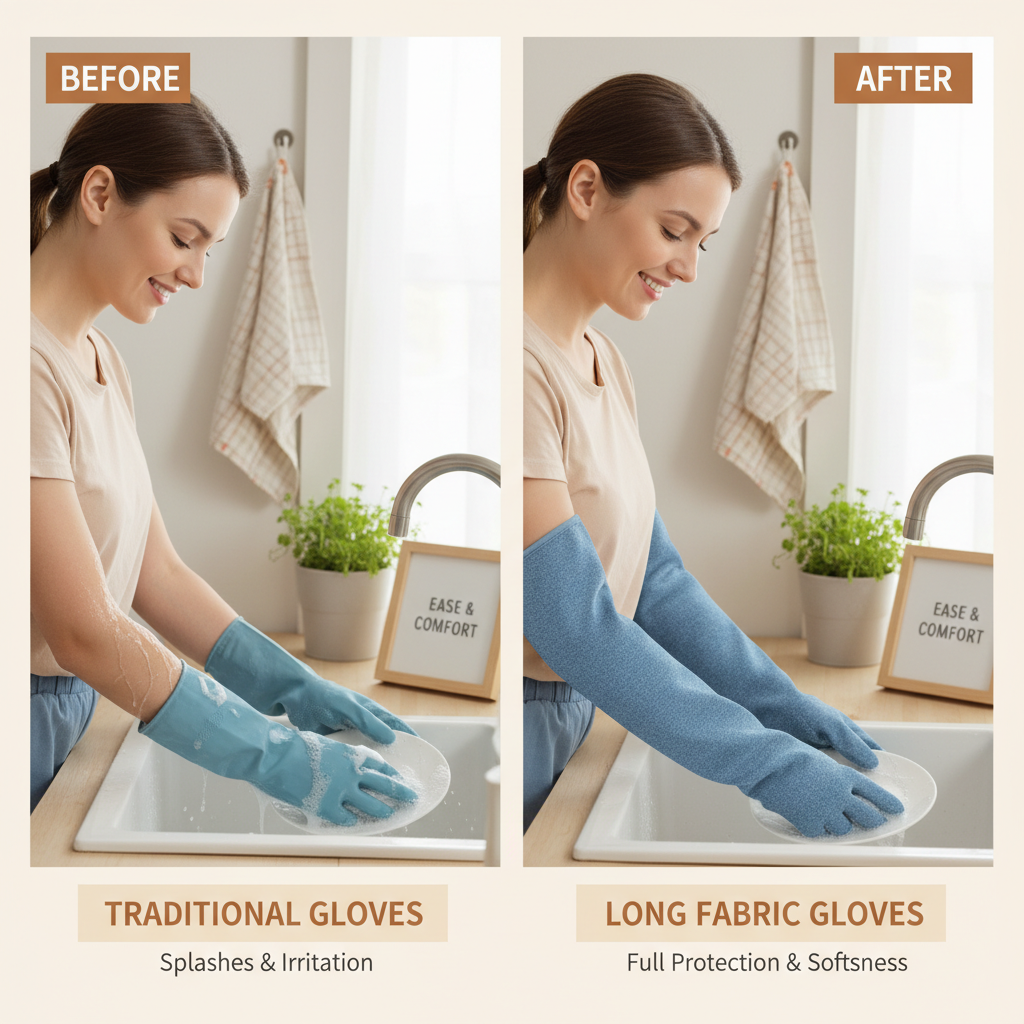
I've seen too many injuries happen simply because people underestimated the hazards. Long cleaning gloves aren’t just about preventing cuts; they’re about protecting against chemical burns, abrasions, and even fatigue. The longer the glove, the more coverage you get, protecting forearms from splashes and scrapes. The environments we work in are brutal; think about consistently working with concrete, rebar, even specialized cleaners.
The biggest mistake I see is guys trying to save a buck on PPE. A cheap glove might seem like a win upfront, but when it fails, the cost – both in terms of injury and lost productivity – is enormous. Investing in quality long cleaning gloves upfront is a strategic move that pays dividends in the long run. It’s a small price to pay for safety and efficiency.
Understanding Long Cleaning Gloves: Materials and Construction
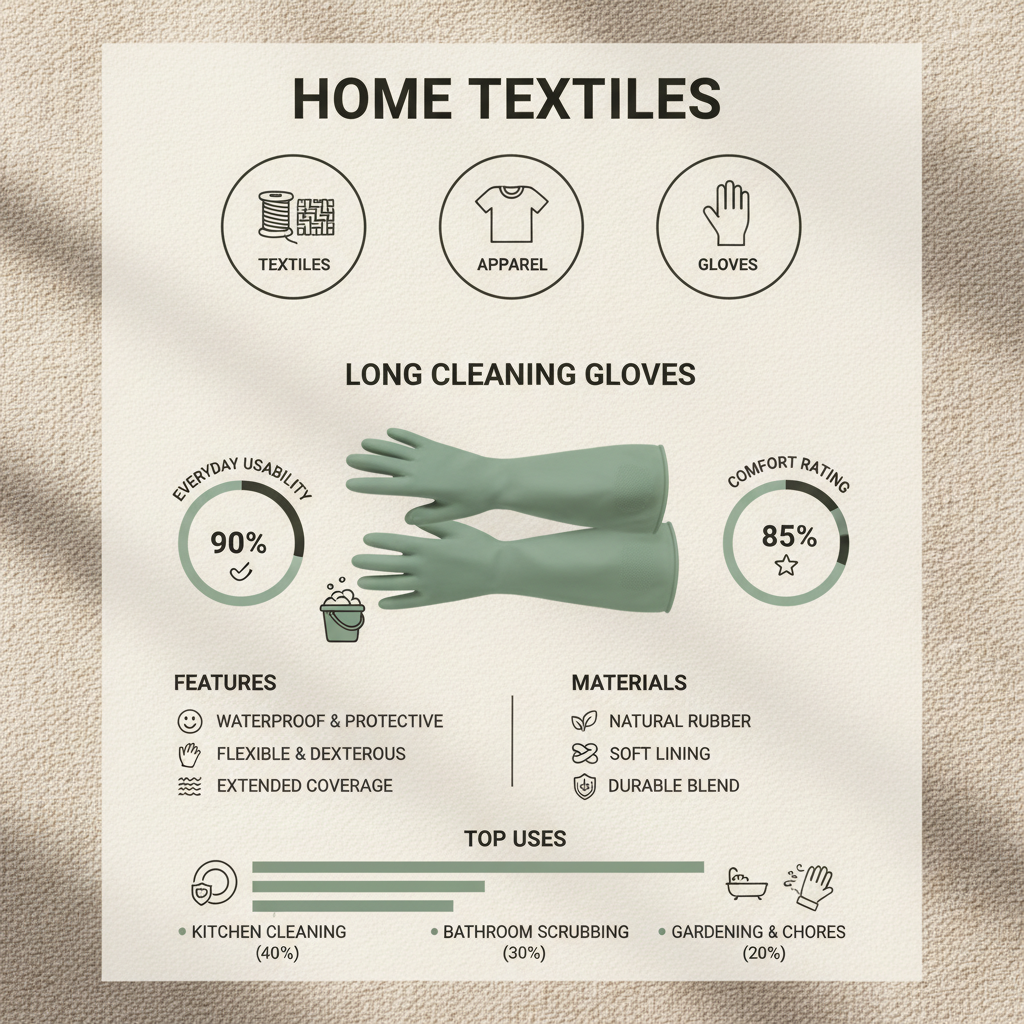
The material makes all the difference. You’ve got your nitriles, your latexes, your PVCs, and even specialized blends. Nitrile is a workhorse – good abrasion resistance, decent chemical resistance, and generally comfortable. Latex is flexible but doesn't hold up as well to harsh chemicals. PVC is a solid all-around performer, often a good value option. But it’s not just what the glove is made of, it’s how it’s made. Look for reinforced palms, double-dipped coatings, and seamless construction for maximum durability.
The thickness of the glove is crucial too. A thicker glove provides more protection but can reduce dexterity. It's about finding the right balance for the task at hand. We use different gloves for different jobs. Delicate work needs a thinner, more flexible glove, while heavy-duty tasks require something more substantial. A good supplier will help you navigate these options.
Don’t overlook the cuff. That extended length is what gives you the forearm protection. Make sure the cuff is snug enough to prevent chemicals or debris from getting inside, but not so tight that it restricts movement. Rolled or beaded cuffs are a nice touch – they make it easier to put the gloves on and take them off.
Key Features of High-Performance Long Cleaning Gloves
Durability is paramount. I’m talking about gloves that can withstand repeated use and harsh conditions without tearing or degrading. Look for abrasion resistance ratings – higher numbers mean better protection. Chemical resistance is equally important, especially if you’re working with solvents, acids, or other hazardous materials. Always check the glove’s chemical resistance chart to ensure it’s compatible with the substances you’ll be handling.
Grip is often overlooked, but it's critical. A slippery glove is a dangerous glove. Look for gloves with textured palms or fingertips to provide a secure grip even when wet or oily. Comfort is also key. If the gloves are uncomfortable, people won’t wear them, or they’ll take shortcuts that compromise safety. Consider features like breathable materials and ergonomic designs.
Finally, proper sizing is essential. Gloves that are too small will restrict movement and cause fatigue. Gloves that are too large will be clumsy and offer less protection. Always measure your hands and refer to the manufacturer’s sizing chart to ensure a proper fit. We’ve even had to order multiple sizes to accommodate different hand shapes within the same crew.
Long Cleaning Gloves Performance Metrics: A Comparative Analysis
There’s a lot of marketing hype out there, so it’s important to look at objective performance metrics. Abrasion resistance is measured in cycles (how many times a material can withstand abrasion before failing). Chemical breakthrough time measures how long it takes a chemical to permeate the glove material. Tensile strength measures the glove’s resistance to tearing.
We've started tracking these metrics internally for different glove brands to see which ones consistently perform the best. It’s not just about the headline numbers, either. We also consider the real-world feedback from the crews using the gloves. What feels good on paper doesn’t always translate to performance on the job site.
Long Cleaning Gloves Performance Comparison
Real-World Applications of Long Cleaning Gloves
You’ll find crews relying on long cleaning gloves everywhere. In concrete work, they're essential for protecting against alkali burns and abrasion. Landscapers use them for handling thorny plants and chemicals. Sanitation workers depend on them for protection from biohazards and harsh cleaning agents.
We've seen them become increasingly common in disaster relief operations, where crews are dealing with debris, contaminated water, and unknown hazards. They're also crucial in industrial settings where workers are exposed to chemicals and solvents on a daily basis. I even see them being adopted more and more in large-scale cleaning companies dealing with potentially hazardous materials.
Advantages and Long-Term Value Proposition
Beyond the obvious safety benefits, good long cleaning gloves contribute to long-term cost savings. Fewer injuries mean fewer workers’ compensation claims and less downtime. Increased productivity comes from having a comfortable and confident workforce. And a reputation for prioritizing safety can attract and retain skilled workers.
There's a moral component too. Providing workers with the right PPE demonstrates that you value their well-being. It builds trust and fosters a positive work environment. And let’s be honest, it’s simply the right thing to do. Protecting people is always a worthwhile investment.
It's not just about preventing the big incidents. It’s about preventing the small cuts and abrasions that can lead to infections and lost workdays. A little preventative care can go a long way.
Future Trends and Innovations in Long Cleaning Glove Technology
We’re starting to see gloves with more advanced materials, like cut-resistant fibers and antimicrobial coatings. There's a lot of research going into developing gloves that offer both protection and enhanced dexterity. Smart gloves with integrated sensors are also on the horizon, potentially providing real-time feedback on chemical exposure or pressure.
Sustainability is another growing trend. Manufacturers are exploring the use of recycled materials and more environmentally friendly production processes. We’re seeing a push for gloves that are both durable and biodegradable.
I think we’ll also see more customization in the future. Gloves tailored to specific tasks and individual hand shapes. The goal is to provide the optimal level of protection and comfort for every worker, every time.
Summary of Long Cleaning Glove Selection Criteria
| Glove Material |
Abrasion Resistance |
Chemical Resistance |
Dexterity & Comfort |
| Nitrile |
7/10 |
6/10 |
8/10 |
| Latex |
5/10 |
4/10 |
9/10 |
| PVC |
6/10 |
7/10 |
6/10 |
| Neoprene |
8/10 |
8/10 |
7/10 |
| Reinforced Nitrile |
9/10 |
6/10 |
7/10 |
| Cut-Resistant Fiber Blend |
10/10 |
5/10 |
5/10 |
FAQS
Nitrile gloves generally offer better abrasion and chemical resistance than latex, making them a preferred choice for many construction tasks. Latex is more flexible and provides a better feel for delicate work, but it’s less durable and doesn’t hold up as well to harsh chemicals. If you’re dealing with solvents or acids, nitrile is the way to go. If you’re doing precision work and chemical exposure is minimal, latex might be sufficient.
That depends on the work, but regularly! If you notice any tears, punctures, or signs of degradation, replace them immediately. Even if they look okay, if they’ve been exposed to harsh chemicals, it's best to err on the side of caution. Consider them disposable after heavy use. I recommend having multiple pairs on hand so you can swap them out throughout the day.
Cut resistance refers to a glove’s ability to withstand cuts from sharp objects. It’s typically measured using the ANSI/ISEA 105 standard, which assigns a letter (A through F) and a number to indicate the level of protection. A higher rating means greater cut resistance. For tasks involving blades, glass, or metal, choose gloves with a high cut resistance rating.
Always refer to the manufacturer’s sizing chart. Measure your hand circumference and length, and compare those measurements to the chart. Gloves that are too small will restrict movement, while gloves that are too large will offer less protection. A snug, comfortable fit is essential. Some manufacturers also offer gloves in different hand widths, so consider that as well.
Yes, there are! Many manufacturers now offer gloves that combine chemical resistance with cut resistance. These gloves typically use a layered construction, with a cut-resistant inner liner and a chemical-resistant outer coating. Look for gloves that are certified to both ANSI/ISEA 105 (cut resistance) and EN 374 (chemical resistance).
Cuff length is really important. The longer the cuff, the more forearm protection you get. If you’re dealing with splashes or spills, a longer cuff can prevent chemicals or debris from getting inside your gloves and onto your skin. Consider the specific hazards of the job when choosing a cuff length. We prefer a minimum of 12 inches for most tasks.
Conclusion
Investing in quality long cleaning gloves isn't just about compliance or ticking a box on a safety checklist. It’s about protecting your most valuable asset – your people. It's about boosting productivity, reducing downtime, and fostering a culture of safety. From material selection to performance metrics, understanding the nuances of glove technology can make a significant difference on any job site.
Don't settle for the cheapest option. Prioritize durability, comfort, and protection. Stay informed about the latest innovations in glove technology. And most importantly, listen to the feedback from the people who are actually wearing the gloves every day. For the best in hand protection, explore the options available at long cleaning gloves.