
lbanner
0%

Table of Contents

The global demand for protective handwear, particularly cotton knitted gloves, is substantial and constantly evolving. As manufacturers, understanding the nuances of cotton knitted glove production – from raw material sourcing to final quality control – is crucial for meeting diverse industrial and consumer needs. The role of a cotton knitted gloves manufacturer extends beyond simply creating a product; it involves contributing to worker safety, hygiene, and comfort across numerous sectors.

The increasing emphasis on sustainability and ethical sourcing is significantly impacting the cotton knitted gloves industry. Consumers and businesses alike are seeking environmentally friendly and socially responsible manufacturing practices. A proficient cotton knitted gloves manufacturer must adapt to these demands, implementing eco-conscious processes and ensuring fair labor standards throughout the supply chain.

The market is characterized by fierce competition and a need for constant innovation. Developing specialized gloves – for example, those with enhanced cut resistance, thermal protection, or chemical resistance – offers a significant competitive advantage. Success for a cotton knitted gloves manufacturer lies in its ability to respond quickly to market trends and deliver high-quality, tailored solutions.
cotton knitted gloves manufacturer

The Significance of Cotton Knitted Gloves Manufacturing
cotton knitted gloves manufacturer

Cotton knitted gloves are a foundational element in numerous industries, providing essential protection and hygiene. A reliable cotton knitted gloves manufacturer plays a critical role in supplying these vital tools, ensuring worker safety and maintaining product integrity. The manufacturing process, while seemingly simple, requires precision, quality control, and a deep understanding of material properties.

Beyond industrial applications, cotton knitted gloves also serve significant roles in healthcare, food processing, and even everyday consumer use. The versatility of the material, combined with the comfort and breathability of knitted construction, makes them a preferred choice across a wide spectrum of needs. Effective manufacturing therefore requires adaptability and the ability to meet diverse specifications.

Defining Cotton Knitted Glove Manufacturing

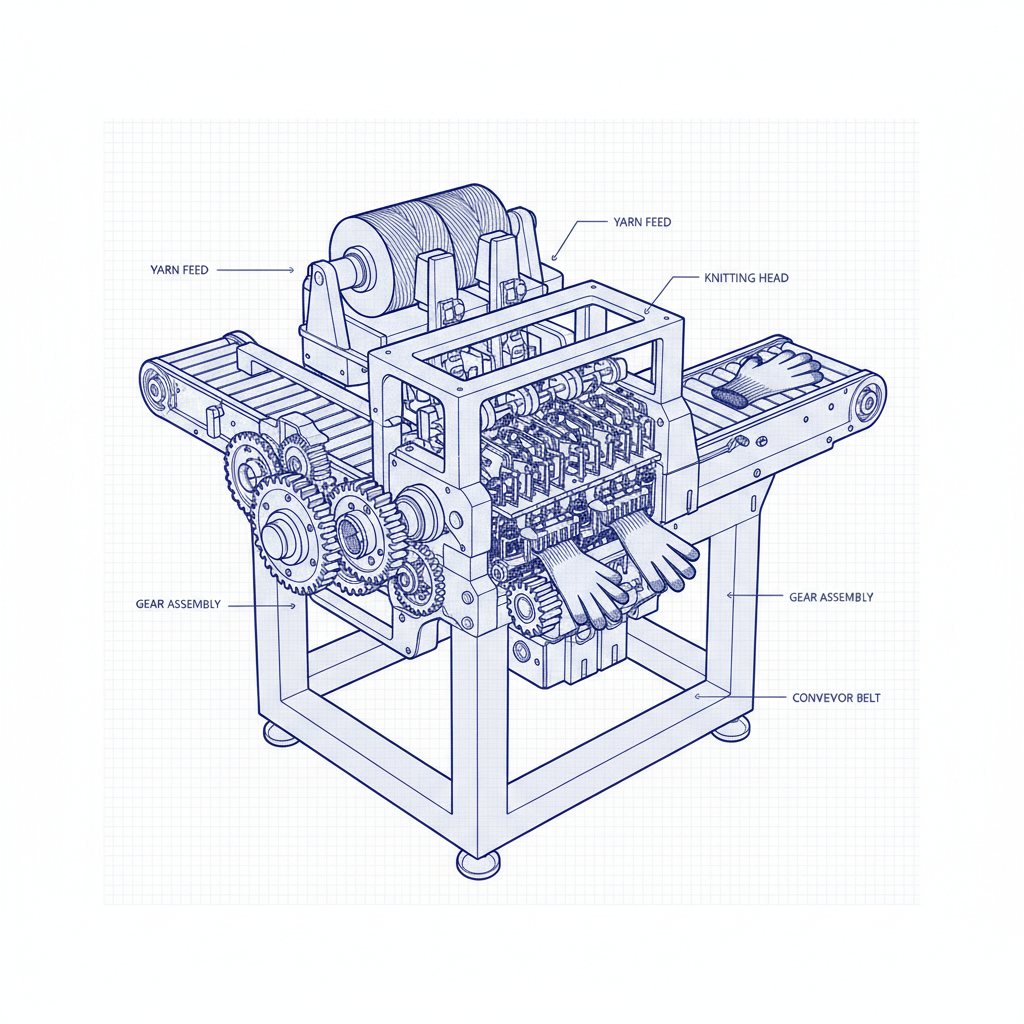
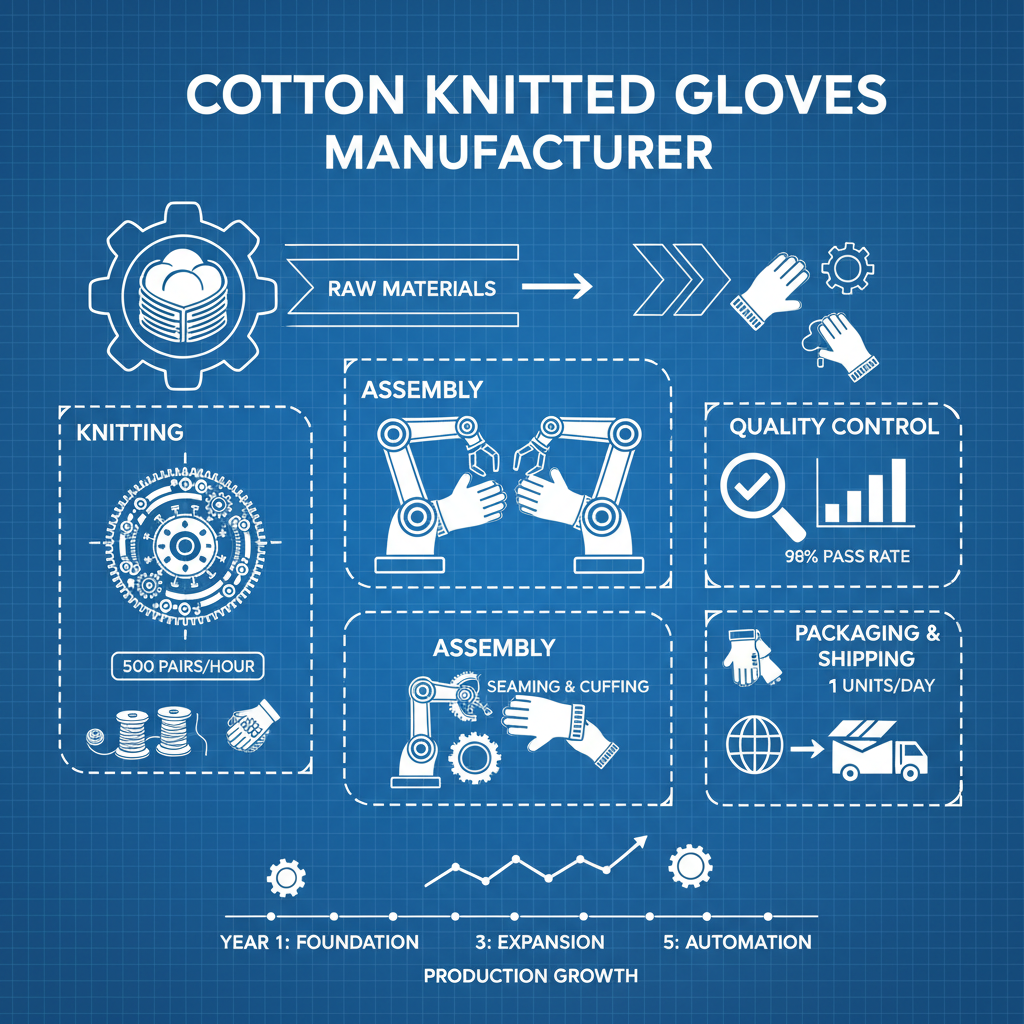
Cotton knitted glove manufacturing is the process of creating handwear using interlocking loops of cotton yarn. This process typically involves several stages: yarn preparation, knitting, cutting, sewing, washing, and quality control. A proficient cotton knitted gloves manufacturer carefully manages each stage to ensure consistent quality and adherence to customer specifications.

The difference between knitted and woven gloves is significant. Knitted gloves offer greater stretch and conformability, making them more comfortable for extended wear. This is particularly important in applications requiring dexterity and sensitivity. The modern cotton knitted gloves manufacturer often incorporates automated knitting machines to increase production efficiency.

This manufacturing process isn’t simply about making gloves; it’s about providing a barrier against hazards, maintaining hygiene standards, and enhancing worker comfort. It directly impacts the efficiency and safety of various industries, underlining the importance of a skilled and reliable manufacturing partner.

Core Components of a Successful Manufacturer

A successful cotton knitted gloves manufacturer relies on several core components. First, access to high-quality, ethically sourced cotton is paramount. Second, a skilled workforce capable of operating and maintaining advanced knitting machinery is essential.

Third, a robust quality control system – encompassing everything from yarn inspection to final product testing – is critical for ensuring consistent quality. Fourth, efficient supply chain management is needed to minimize lead times and ensure timely delivery. Finally, a commitment to innovation and adaptation is vital for staying ahead in a competitive market.

These components work in synergy to deliver a product that meets – and ideally exceeds – customer expectations. A manufacturer’s ability to effectively manage these elements is directly correlated to its long-term success and reputation.

Key Factors Influencing Manufacturing Quality

Several factors directly influence the quality of cotton knitted gloves. Yarn count (the fineness of the yarn) is crucial, impacting the glove's softness, durability, and overall feel. A higher yarn count generally results in a finer, more comfortable glove.

Knitting tension plays a significant role; consistent tension ensures uniform loop structure and prevents uneven wear. The quality of the dyes used for coloring the gloves is also critical, impacting colorfastness and preventing allergic reactions. A diligent cotton knitted gloves manufacturer prioritizes these factors.

Cotton Knitted Gloves Manufacturing Quality Factors

Global Applications and Industry Impact

Cotton knitted gloves find widespread application across diverse industries. In the healthcare sector, they are used as disposable exam gloves, protecting both patients and healthcare professionals. In the food processing industry, they maintain hygiene standards and prevent contamination.

The manufacturing industry relies on cotton knitted gloves for worker protection during assembly, handling, and inspection processes. They are also commonly used in construction, gardening, and general maintenance tasks. Even the cosmetic industry utilizes them for hygiene and product application. A responsive cotton knitted gloves manufacturer adapts its production to these varying needs.

Advantages and Long-Term Value Proposition

Choosing a reliable cotton knitted gloves manufacturer offers significant advantages. Cost-effectiveness is a primary benefit, as cotton is a relatively inexpensive raw material. Sustainability is also a key advantage, especially when manufacturers prioritize organic cotton and eco-friendly production processes.

Beyond cost and sustainability, the long-term value lies in consistent quality, dependable supply, and the ability to customize products to meet specific needs. A strong manufacturer builds trust through reliability and a commitment to customer satisfaction, forging lasting partnerships.

These gloves contribute to a safer, more hygienic, and more comfortable work environment, fostering increased productivity and employee well-being.

Future Trends and Innovation in Manufacturing

The future of cotton knitted glove manufacturing is likely to be shaped by several key trends. Automation, powered by robotics and AI, will continue to increase efficiency and reduce production costs. The development of new cotton varieties with enhanced properties – such as improved strength and durability – will also play a role.

Sustainability will remain a central focus, driving the adoption of circular economy principles and the use of recycled materials. Smart gloves, incorporating sensors and connectivity, may emerge, offering features such as temperature monitoring or biometric data collection. The cotton knitted gloves manufacturer that embraces these trends will thrive.

Digital transformation, enabling real-time monitoring of production processes and improved supply chain visibility, will become increasingly important for maintaining competitiveness.

Challenges and Solutions

One significant challenge facing cotton knitted gloves manufacturers is fluctuating cotton prices. To mitigate this, diversifying sourcing strategies and establishing long-term contracts with suppliers can provide greater price stability. Another challenge is maintaining consistent quality across large-scale production runs. Implementing rigorous quality control protocols and investing in automated inspection systems are essential solutions.

Labor shortages and increasing labor costs are also concerns. Investing in worker training and automation can help address these challenges. Finally, complying with increasingly stringent environmental regulations requires adopting sustainable manufacturing practices and investing in pollution control technologies.

Successfully navigating these challenges requires proactive planning, continuous improvement, and a commitment to innovation.

Key Performance Indicators for Successful Cotton Knitted Gloves Manufacturers

Production Efficiency Quality Control Rate Customer Satisfaction Sustainability Metrics
Output per labor hour Percentage of defect-free gloves Average customer rating (1-10) Percentage of organic cotton used
Machine utilization rate Number of rejected batches Repeat order rate Water usage per glove produced
Average production time per glove Compliance with quality standards (ISO) Customer feedback response time Waste reduction initiatives
Raw material waste percentage Adherence to AQL standards On-time delivery rate Carbon footprint per glove
Inventory turnover rate Defect identification rate Net Promoter Score (NPS) Percentage of renewable energy used
Overall Equipment Effectiveness (OEE) Severity of detected defects Customer complaint resolution rate Compliance with ethical sourcing standards

FAQS

What materials are commonly used in cotton knitted gloves?

While cotton is the primary material, many manufacturers blend it with other fibers like polyester, nylon, or spandex to enhance durability, stretch, and comfort. The specific blend depends on the intended application of the gloves. For example, gloves used in industrial settings often contain polyester for increased abrasion resistance, while those for healthcare may prioritize the softness and breathability of pure cotton. A reputable cotton knitted gloves manufacturer will offer a range of blends to suit diverse needs.

How can I ensure the quality of cotton knitted gloves I'm purchasing?

Look for certifications like ISO 9001, which indicates the manufacturer has a robust quality management system. Examine the stitching for consistency and tightness. Check the yarn count – a higher count generally means a finer, more durable glove. Request samples and test them for comfort, fit, and resistance to tearing. Choosing a well-established cotton knitted gloves manufacturer with a proven track record is also a good indicator of quality.

What is the minimum order quantity (MOQ) for custom cotton knitted gloves?

MOQs vary significantly between manufacturers. Generally, larger orders result in lower per-unit costs. A typical cotton knitted gloves manufacturer may have an MOQ ranging from 500 to 1000 pairs, but this can be negotiable depending on the complexity of the customization and the manufacturer's production capacity. It’s always best to discuss your specific requirements with the supplier.

Can cotton knitted gloves be customized with specific coatings or treatments?

Yes, cotton knitted gloves can be customized with various coatings and treatments to enhance their functionality. Common options include nitrile coatings for improved grip and chemical resistance, latex coatings for enhanced dexterity, and antimicrobial treatments for hygiene. A skilled cotton knitted gloves manufacturer can apply these coatings evenly and durably, ensuring the gloves meet specific performance requirements.

How long does it typically take to receive a custom order of cotton knitted gloves?

Lead times vary depending on the order size, complexity of customization, and the manufacturer's production schedule. Generally, you can expect a lead time of 4-8 weeks for a custom order. However, factors like raw material availability and shipping times can also impact the delivery schedule. Clear communication with the cotton knitted gloves manufacturer is crucial for accurate lead time estimates.

What are the benefits of using organic cotton in knitted gloves?

Organic cotton is grown without the use of harmful pesticides and fertilizers, making it a more sustainable and environmentally friendly choice. Gloves made from organic cotton are also often softer and gentler on the skin, reducing the risk of irritation. For businesses committed to sustainability, sourcing organic cotton gloves from a responsible cotton knitted gloves manufacturer is a valuable step.

Conclusion

In conclusion, the manufacture of cotton knitted gloves is a critical industry supporting a vast range of sectors, from healthcare and food processing to manufacturing and everyday consumer use. A successful cotton knitted gloves manufacturer must prioritize quality, sustainability, innovation, and customer satisfaction. The interplay of factors like yarn quality, knitting precision, and ethical sourcing directly impacts the performance and value of the final product.

Looking ahead, embracing automation, sustainable materials, and digital transformation will be essential for remaining competitive. By focusing on these key areas, manufacturers can not only meet current demands but also shape the future of the industry, delivering superior products that enhance worker safety, hygiene, and overall well-being. Visit our website at www.hmdglove.com to learn more about our cotton knitted glove solutions.

David Miller

David Miller

David Miller is the Head of Product Assurance at Shijiazhuang HongMeiDa Trading Co., Ltd. With over 15 years of experience in quality control and manufacturing, David ensures all gloves meet stringent ISO9001 standards. He’s deeply involved in the raw material selection process – prioritizing 100% long-staple cotton, polyester, and spandex blends – and oversees rigorous testing for wear resistance, cut resistance, and temperature protection. David is passionate about delivering consistently high-quality hand protection solutions to our clients. He often contributes to industry publications discussing the importance of proper glove selection for various work environments and has spearheaded several initiatives to improve our functional testing procedures. He joined HongMeiDa in 2012 and consistently strives to elevate our product performance.
Previous Comprehensive Guide to Hand Gloves Manufacturer and Industry Trends
Next Expert esd gloves manufacturer for Electronics Protection and Quality Control

If you are interested in our products, you can choose to leave your information here, and we will be in touch with you shortly.