

lbanner
0%

Table of Contents

Look, I’ve spent the last twenty years on construction sites, breathing dust and solving problems. And let me tell you, keeping things clean—really clean—is a bigger deal than most folks realize. It's not just about appearances. We're talking about extending the life of expensive equipment, preventing contamination, and honestly, keeping a safe and productive work environment. That’s where white glove cleaning comes in. It’s a step above standard cleaning; it’s a focused, detailed process designed to eliminate even the smallest traces of dirt, dust, and debris. It’s the difference between a job done and a job done right.

For years, we’ve relied on basic cleaning methods, which often just smear things around or miss critical areas. The cost of downtime due to malfunctioning equipment or rework caused by contamination adds up quickly. I’ve seen projects delayed weeks because of a simple dust issue affecting sensitive instruments. White glove cleaning isn’t just a service; it’s an investment in preventing those headaches. It's about proactive maintenance, not reactive fixes.

And it’s evolving. We're moving past simply wiping things down. Now it’s about specialized solutions, HEPA filtration, and documented procedures to ensure consistent, repeatable results. It's a shift in mindset, and it’s saving companies real money and keeping projects on schedule.

white glove cleaning

The Importance of White Glove Cleaning in Industrial Settings
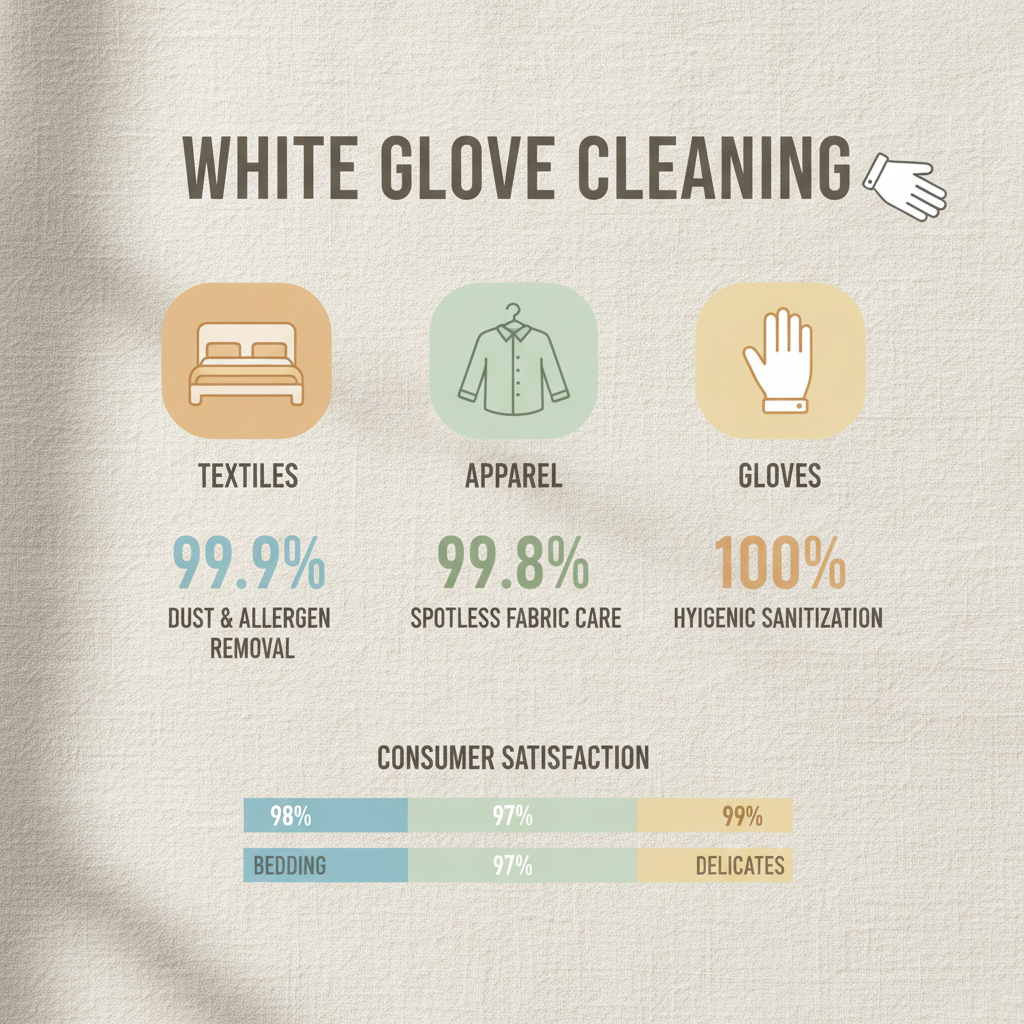
white glove cleaning

Look, I’ve been in manufacturing plants where even a tiny speck of dust can ruin an entire batch of semiconductors. It’s not an exaggeration. The precision required in modern industries—from aerospace to pharmaceuticals—demands an environment that's virtually sterile. White glove cleaning addresses this need by focusing on microscopic contaminants that standard cleaning simply misses. It's about preventing catastrophic failures and maintaining product quality.

The ISO standards are getting stricter every year, and companies are facing increasing scrutiny over their manufacturing processes. Being able to demonstrate a commitment to meticulous cleaning isn't just about compliance; it’s about building trust with clients and regulators. It shows you’re serious about quality control.

Defining White Glove Cleaning: Beyond Standard Procedures

What is white glove cleaning? It’s not just a fancy name for wiping things down. It’s a multi-stage process that typically includes vacuuming with HEPA filters, detailed wiping with specialized cleaning agents, and often, the use of electrostatic cloths to attract and capture even the smallest particles. It’s a methodical approach, usually documented in Standard Operating Procedures (SOPs), to ensure consistency.

The connection to modern industry is clear: minimizing downtime, preventing product contamination, and improving overall operational efficiency. We’re not talking about aesthetics here; we’re talking about preventing million-dollar mistakes. It’s a critical element in maintaining a competitive edge.

It’s also becoming increasingly relevant in the context of humanitarian needs. Think about setting up mobile surgical units in disaster zones. Maintaining a sterile environment is paramount. White glove cleaning protocols can be adapted to those situations, ensuring patient safety in challenging circumstances.

Key Components of Effective White Glove Cleaning Protocols

Several key aspects drive successful white glove cleaning. First, proper training of personnel is essential. You can't just hand someone a cloth and expect them to understand the intricacies of contamination control. They need to know what they’re cleaning, why they’re cleaning it, and how to do it correctly.

Second, the selection of appropriate cleaning agents is crucial. You need products specifically designed for the surfaces you’re cleaning and that won’t leave behind residues that could cause problems. Certain chemicals can react with sensitive materials, causing corrosion or contamination.

Third, documentation and verification are non-negotiable. You need to have a clear record of when and how cleaning was performed, along with verification methods—like particle counts or swab tests—to confirm its effectiveness. This provides accountability and helps identify areas for improvement.

Global Applications and Industry Use Cases

I’ve seen white glove cleaning implemented in everything from semiconductor fabrication plants in Taiwan to pharmaceutical manufacturing facilities in Germany. The aerospace industry relies heavily on it to ensure the integrity of sensitive components. In post-disaster relief operations, it’s used to sterilize medical equipment and create safe environments for healthcare professionals.

We’re even seeing it adopted in data centers, where dust buildup can cause overheating and equipment failure. And in the food processing industry, it’s critical for maintaining hygiene and preventing contamination. The applications are incredibly diverse.

White Glove Cleaning Method Effectiveness

Advantages and Long-Term Value Proposition

The tangible benefits of white glove cleaning are significant. Reduced downtime, decreased product defects, and extended equipment life all translate into cost savings. It’s an investment that pays for itself.

But it’s more than just financial. It’s about safety—a clean work environment is a safer work environment. It’s about building trust with customers by demonstrating a commitment to quality. And it’s about fostering a culture of pride in workmanship.

Future Trends and Innovations in White Glove Cleaning

We're starting to see the integration of robotic cleaning systems, particularly in areas that are hazardous or difficult for humans to access. The use of advanced materials—like self-cleaning coatings—is also gaining traction. And, of course, data analytics are playing a bigger role, allowing us to track cleaning effectiveness and identify areas for optimization.

Sustainability is another key trend. Companies are looking for eco-friendly cleaning agents and methods that minimize waste. The industry is moving towards more responsible and environmentally conscious practices.

I expect to see more emphasis on preventative cleaning, using sensors and data to predict when and where contamination is likely to occur. It’s about being proactive, not reactive.

Challenges and Solutions in White Glove Cleaning Implementation

One of the biggest challenges is cost. White glove cleaning is more expensive than standard cleaning, and some companies are hesitant to invest. But as I’ve said before, it’s an investment, not an expense. You need to look at the long-term ROI.

Another challenge is finding qualified personnel. It takes training and dedication to do this kind of work properly. We need to invest in training programs to develop a skilled workforce.

Finally, maintaining consistency can be difficult. That's where standardized procedures and rigorous quality control are essential. Regular audits and inspections help ensure that cleaning protocols are being followed correctly.

Summary of White Glove Cleaning Challenges and Solutions

Challenge Impact on Operations Proposed Solution Implementation Cost (1-10)
High Initial Cost Budget constraints, potential resistance to adoption. Detailed ROI analysis showcasing long-term savings. 7
Lack of Trained Personnel Inconsistent cleaning quality, increased risk of contamination. Develop comprehensive training programs and certifications. 8
Maintaining Consistency Variable cleaning standards, unreliable results. Implement standardized SOPs and regular audits. 6
Selecting Appropriate Agents Surface damage, residue buildup, ineffective cleaning. Thorough material compatibility testing and agent selection. 5
Adapting to New Technologies Difficulty integrating robotic cleaning systems or advanced materials. Continuous learning and investment in new technologies. 7
Documentation & Traceability Lack of accountability, difficulty identifying root causes of contamination. Implement digital logging and tracking systems. 6

FAQS

What's the difference between standard cleaning and white glove cleaning?

Standard cleaning typically focuses on visible dirt and grime. White glove cleaning goes several steps further, targeting microscopic contaminants using specialized techniques and equipment like HEPA filtration and electrostatic cloths. It's about achieving a level of cleanliness that's critical for sensitive environments and processes where even the smallest particle can cause problems. We're talking about a detail-oriented approach, not just a quick wipe down.

How often should white glove cleaning be performed?

That depends entirely on the environment and the sensitivity of the processes involved. Some areas may require daily white glove cleaning, while others can get away with weekly or monthly schedules. It's best to conduct a risk assessment to determine the appropriate frequency. Factors to consider include air quality, foot traffic, and the presence of sensitive equipment or materials. A scheduled plan ensures consistent cleanliness.

What industries benefit the most from white glove cleaning services?

Pharmaceuticals, aerospace, semiconductor manufacturing, data centers, and food processing are just a few examples. Any industry that requires a highly controlled environment to maintain product quality, prevent contamination, or ensure equipment reliability can benefit. Hospitals and medical facilities are also increasingly adopting white glove cleaning protocols to minimize the spread of infections.

What kind of cleaning agents are used in white glove cleaning?

We prioritize cleaning agents specifically formulated for the surfaces being cleaned and that are non-residue leaving. This means the cleaners won't leave behind any film or particles that could cause issues. We avoid harsh chemicals whenever possible, opting for solutions that are effective yet gentle on sensitive equipment. Compatibility testing is crucial to ensure no damage occurs.

How do you ensure consistent quality in white glove cleaning services?

Consistency is achieved through standardized operating procedures (SOPs), rigorous training for our technicians, and detailed documentation. We use checklists to ensure all steps are followed correctly and conduct regular audits to verify compliance. We also employ verification methods, such as particle counts and swab tests, to confirm cleaning effectiveness. It's about a systematic and verifiable approach.

Is white glove cleaning a costly investment?

While the initial cost may be higher than standard cleaning, white glove cleaning is an investment that pays for itself in the long run. By preventing equipment failures, reducing product defects, and minimizing downtime, it can save you significant money. The cost of a single contamination event or equipment breakdown can far exceed the cost of preventative cleaning. It’s about proactive risk management.

Conclusion

In closing, white glove cleaning is far more than just a meticulous cleaning service; it’s a proactive investment in operational efficiency, product quality, and workplace safety. It’s about recognizing that the smallest details can have the biggest impact. By embracing advanced techniques, rigorous standards, and a commitment to continuous improvement, companies can unlock significant benefits.

The future of cleaning is data-driven, sustainable, and increasingly automated. Those who prioritize these principles will be best positioned to thrive in a competitive landscape. If you’re serious about maintaining a world-class facility, I highly recommend exploring the benefits of a comprehensive white glove cleaning program.


Robert Thompson

Robert Thompson

Robert Thompson serves as the Business Development Manager at Shijiazhuang HongMeiDa Trading Co., Ltd. He is responsible for expanding our market reach and fostering strong relationships with international clients. With a background in international trade and a strong understanding of the glove industry, Robert focuses on showcasing HongMeiDa's competitive advantages – including our large-scale production capacity, cost-effective manufacturing location in Northern China, and commitment to quality. Robert frequently attends industry trade shows and conferences, presenting our diverse range of gloves (cotton, nylon, fleece, wedding gloves and more) and highlighting our ability to provide customized solutions. He is a key contact for new partnerships and collaborations.
Previous Premium Microfiber Mitts for Superior Cleaning
Next Essential Window Cleaning Gloves for Robust Hand Protection and Workplace Safety

If you are interested in our products, you can choose to leave your information here, and we will be in touch with you shortly.