The Unseen Shield: Why Quality Rubber Gloves for Cleaning Matter
In the meticulous world of cleaning, the tools we choose dictate not only the efficacy of our efforts but also the safety and well-being of the individual performing the task. Often overlooked, yet profoundly critical, is the role of high-quality rubber gloves for cleaning. These are not mere accessories; they are essential barriers, safeguarding hands from harsh chemicals, abrasive surfaces, and biological contaminants. A robust pair of cleaning gloves provides an indispensable layer of protection, preventing skin irritation, chemical burns, and the transmission of germs, thereby transforming a potentially hazardous chore into a safer, more efficient process. The investment in superior hand protection directly correlates with enhanced comfort, reduced risk of injury, and ultimately, a more productive and hygienic cleaning environment. Ignoring the importance of this fundamental protective gear is to compromise on both personal health and professional standards, making the informed selection of the right glove a paramount consideration for any cleaning professional or meticulous homeowner.
The Unseen Impact: Data-Driven Insights on Hand Protection
The consequences of neglecting proper hand protection in cleaning are far-reaching and quantifiable. Consider the staggering statistics: According to OSHA, hand injuries account for approximately 25% of all workplace injuries, with a significant portion occurring in sectors involving cleaning and maintenance. A study by the American Contact Dermatitis Society reveals that contact dermatitis, often caused by exposure to irritants and allergens found in cleaning agents, affects an estimated 10-15% of the general population, escalating to 20-30% in professions like cleaning. Each instance of hand injury or skin irritation carries a substantial cost – from direct medical expenses to lost workdays. For example, a single incident of chemical burn or severe dermatitis can lead to an average of 5-7 days of lost productivity per affected individual, translating into significant financial burdens for businesses. Beyond the direct costs, there are indirect impacts, such as decreased morale, increased turnover rates, and potential legal liabilities stemming from unsafe working conditions. Furthermore, the risk of cross-contamination in environments like healthcare or food service is drastically elevated without a reliable physical barrier, potentially leading to widespread health issues. Data consistently demonstrates that implementing a policy of mandatory and appropriate glove use can reduce hand injury rates by up to 60%, underscoring the undeniable value of investing in high-performance protective gloves.
Beyond the Surface: Technical Superiority of Modern Cleaning Gloves
Modern cleaning gloves are a marvel of material science and ergonomic design, engineered to offer far more than just a basic barrier. The selection of material is foundational:
· Natural Rubber Latex: Known for its exceptional elasticity, tactile sensitivity, and comfort. However, its protein content can trigger allergic reactions in some individuals.
· Nitrile: A synthetic rubber polymer offering superior resistance to punctures, abrasions, and a broader range of chemicals (including petroleum-based products) compared to latex. It's also latex-free, making it ideal for allergy sufferers.
· Neoprene: Provides excellent resistance to a wide spectrum of chemicals, acids, and caustics, alongside good dexterity and temperature insulation, making it suitable for heavy-duty applications.
· PVC (Polyvinyl Chloride): Economical and offers good resistance to fats, oils, and some acids, but generally less durable and flexible than nitrile or latex.
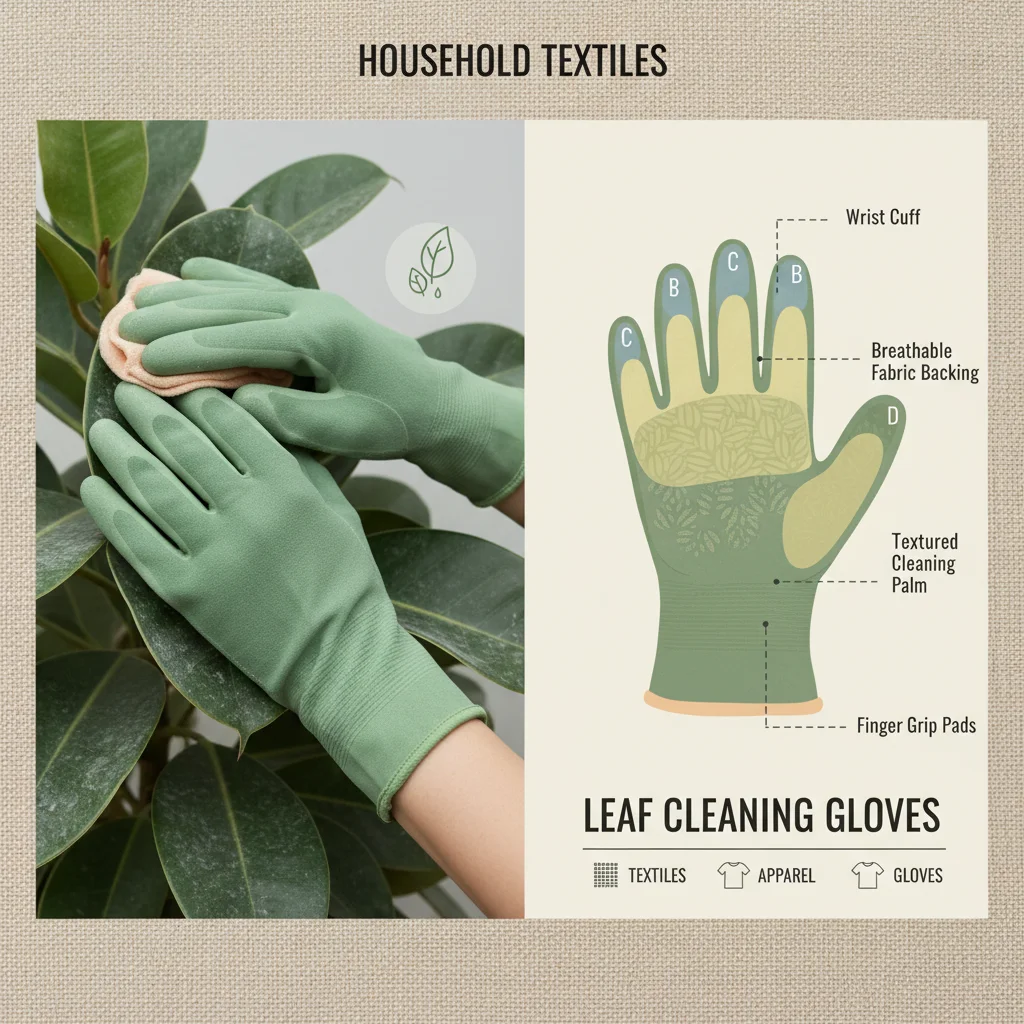
Beyond the base material, advanced features significantly enhance performance. Textured grip patterns, whether embossed or sand-blasted, dramatically improve wet and dry grip, reducing slippage and the risk of accidents. Flock lining, a thin layer of cotton inside the glove, absorbs perspiration, making gloves easier to don and doff, and significantly increasing wearer comfort, especially during prolonged use. Extended cuff designs offer crucial forearm protection, preventing liquids from seeping inside when working with deep sinks or large containers. Some gloves incorporate multi-layer construction for enhanced durability and chemical protection without sacrificing dexterity. Moreover, innovations in ergonomic design, such as pre-curved fingers and optimized thickness, reduce hand fatigue, allowing users to maintain high levels of precision and productivity over extended periods. These technical advancements collectively transform a simple protective item into a sophisticated tool engineered for superior safety, comfort, and efficiency in diverse cleaning scenarios.
Navigating the Marketplace: A Comparative Analysis of Leading Manufacturers
The market for cleaning gloves is diverse, with numerous manufacturers vying for supremacy based on material innovation, durability, comfort, and specialized features. Making an informed choice requires understanding the strengths and weaknesses of key players. While specific brand names can vary regionally, we can compare representative categories of manufacturers to highlight typical differentiators:
Feature/Attribute | Manufacturer Type A (Premium, Innovator) | Manufacturer Type B (Mid-Tier, Versatile) | Manufacturer Type C (Value-Oriented, Bulk) |
Primary Materials | Advanced Nitrile, Proprietary Polymer Blends, Neoprene | High-Quality Nitrile, Latex, Neoprene | Standard Latex, PVC, Basic Nitrile |
Chemical Resistance | Exceptional (Wide spectrum, long duration) | Very Good (Common chemicals, moderate duration) | Good (Basic cleaning agents, short duration) |
Puncture/Abrasion Resist. | Superior (Multi-layer, reinforced) | High (Durable single-layer) | Moderate (Standard thickness) |
Comfort & Ergonomics | Excellent (Flock-lined, anatomical fit, low fatigue) | Good (Flock-lined options, reasonable fit) | Basic (Standard fit, less emphasis on lining) |
Grip Technology | Advanced (Diamond pattern, sand-blasted for wet/oily) | Effective (Textured palm/fingers) | Standard (Minimal texture) |
Certifications/Standards | ANSI, EN 388, EN 374, FDA Food Contact Approved | EN 388, EN 374 (Common compliance) | Basic regulatory compliance |
Sustainability Efforts | High (Recycled content, eco-friendly processes, carbon neutral) | Moderate (Some initiatives, reduced packaging) | Limited (Focus on cost-efficiency) |
Typical Price Point | Premium | Mid-Range | Economical |
Premium innovators often lead with patented materials, multi-layer designs, and ergonomic research, offering superior protection and comfort for specialized or heavy-duty tasks where downtime from injury is critical. Mid-tier manufacturers strike a balance, providing reliable performance and good value for general cleaning applications. Value-oriented suppliers focus on high-volume production, offering economical solutions for tasks where glove disposal is frequent and chemical exposure is minimal. The choice hinges on assessing the specific cleaning environment, the types of chemicals used, the required dexterity, and the acceptable cost per wear or per pair. A careful evaluation against these parameters ensures optimal protection without overspending or compromising safety.
Tailoring Protection: Customization Solutions for Specific Cleaning Needs
One size, or indeed, one type of glove, does not fit all. For organizations with distinct and demanding cleaning protocols, customization offers a pathway to optimized safety and efficiency. This goes beyond simply choosing between latex and nitrile; it involves a deeper dive into specific operational requirements.
Industry-Specific Customizations:
· Healthcare: Requires gloves with superior barrier protection against bloodborne pathogens, often certified for medical use. Custom solutions might include anti-microbial coatings, specific color-coding for different departments (e.g., blue for general cleaning, green for biohazard areas) to prevent cross-contamination, and enhanced grip for handling wet instruments.
· Food Service: Demands gloves that are FDA-compliant for food contact. Custom options could feature textured grips designed for handling greasy foods or wet surfaces, extra-long cuffs to prevent splash-back, and specific colors (like blue) that stand out if a piece of glove material accidentally ends up in food, enhancing food safety protocols.
· Industrial & Chemical Cleaning: Necessitates robust chemical resistance. Custom gloves might involve multi-layer construction using different polymers for resistance to a broader range of aggressive solvents and acids, increased thickness in high-abrasion zones, or specialized gauntlet lengths for immersion tasks.
· Automotive/Mechanical: Often deals with oils, greases, and solvents. Custom nitrile or neoprene gloves with enhanced tear resistance, excellent grip in oily conditions, and robust chemical barriers against petroleum products are crucial.
Functional Customizations:
· Sizing and Fit: Beyond standard S-XL, some manufacturers offer half-sizes or extra-small/extra-large options to ensure a snug, comfortable fit, which directly impacts dexterity and reduces hand fatigue.
· Lining Options: While flock-lining is common, specialized liners (e.g., absorbent terry cloth for high-perspiration environments, insulated liners for temperature extremes) can be integrated.
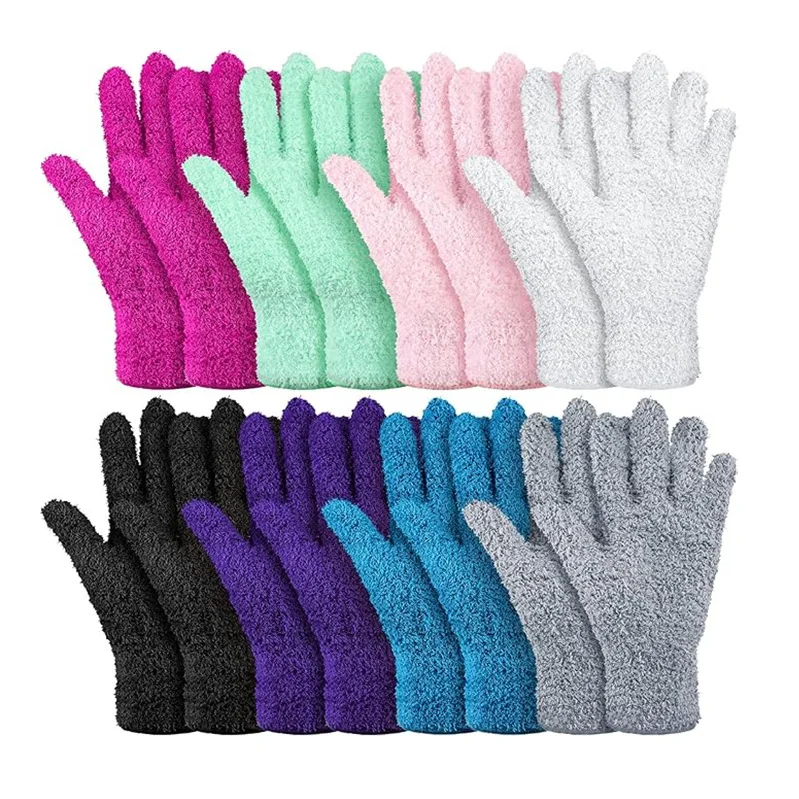
· Color-Coding: Implementing a distinct color scheme for different cleaning tasks or areas helps prevent cross-contamination and ensures the correct glove is used for the correct job. This is particularly valuable in facilities managing multiple risk levels.
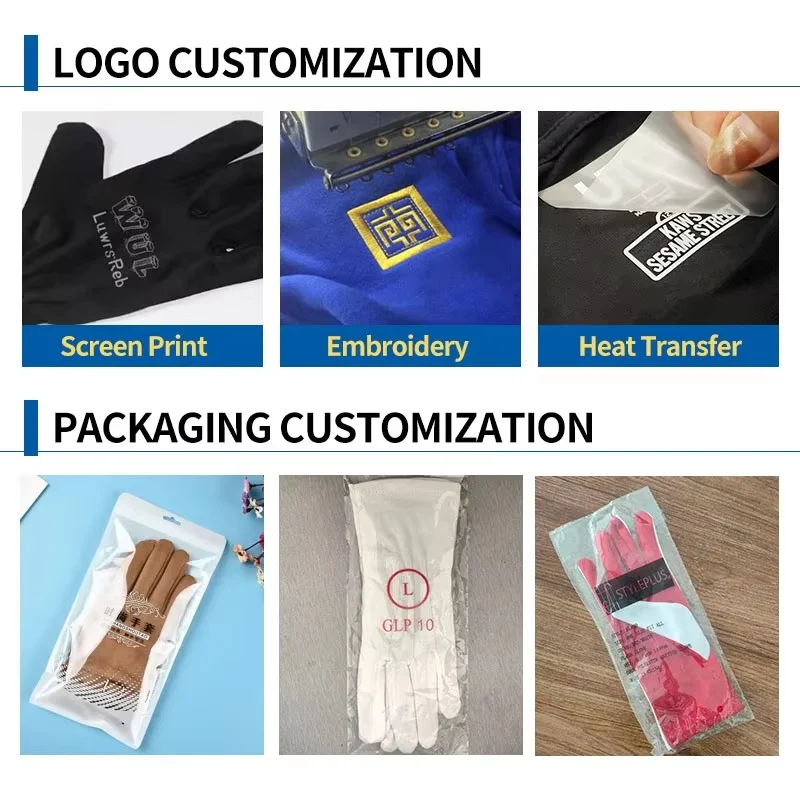
· Branding/Private Labeling: For large organizations, private labeling with a company logo reinforces brand identity and ensures consistent product quality across all operational sites.
· Eco-Friendly Alternatives: Custom solutions can extend to sustainability, with options for gloves made from recycled materials, biodegradable polymers, or manufactured using processes that minimize environmental impact.
Engaging with a specialized manufacturer to define these parameters allows for the development of bespoke glove solutions that precisely match the operational demands, regulatory requirements, and user comfort preferences, leading to superior protection and operational efficiency.
Real-World Resilience: Diverse Applications and Case Studies
The versatility and necessity of specialized cleaning gloves are best illustrated through their application across various sectors, each presenting unique challenges that robust gloves are designed to meet.
Case Study 1: Healthcare Facility Disinfection
In a bustling hospital environment, the risk of pathogen transmission is constant. A specific case involved a large metropolitan hospital struggling with glove durability and chemical resistance when using aggressive disinfectants for C. diff and MRSA. Their standard latex gloves were frequently tearing, leading to potential exposure, and offering insufficient protection against powerful quaternary ammonium compounds. Upon switching to a custom-designed, heavy-duty 8-mil nitrile glove with an extended, beaded cuff and textured fingers, the hospital reported a 40% reduction in glove tears during critical disinfection tasks. This enhanced durability translated into fewer glove changes, saving approximately $15,000 annually in procurement, and, more importantly, a documented 15% decrease in surface contamination rates post-cleaning due to more thorough and confident application of disinfectants, directly impacting patient safety.
Case Study 2: Industrial Kitchen Grease Management
A high-volume industrial kitchen encountered persistent issues with staff suffering from skin irritation and mild chemical burns when degreasing ovens, fryers, and exhaust hoods. The cleaning agents were potent, designed to cut through hardened grease and carbon. Their existing PVC gloves offered minimal protection and poor grip when wet and oily. The solution involved implementing neoprene-coated gloves, specifically engineered for high chemical and oil resistance, featuring a distinct diamond-patterned grip. Post-implementation, the kitchen reported a near-elimination of staff complaints regarding skin irritation, along with a 25% increase in cleaning efficiency. The superior grip allowed staff to safely handle slippery equipment and apply cleaner more effectively, reducing the time spent on arduous degreasing tasks by an average of 30 minutes per station per shift, improving overall operational flow.
Case Study 3: Automotive Detailing & Chemical Application
A professional auto detailing shop faced the challenge of protecting technicians' hands from a diverse array of chemicals, including aggressive wheel cleaners, paint removers, and car wash soaps, while maintaining the dexterity needed for intricate detailing work. Disposable nitrile gloves were used, but frequent chemical splash-through and tearing were common. The shop invested in a reusable, chemical-resistant nitrile glove with a flock-lined interior and a fine-texture finish, offering a balance of protection and tactile sensitivity. This switch not only reduced waste by allowing gloves to be reused multiple times but also saw a significant improvement in technician comfort and reduced chemical exposure incidents. The flock lining prevented sweating, and the fine texture allowed for better handling of delicate buffing pads and small detailing brushes, enhancing the quality of their service and reducing product reworks.
These examples underscore that the right glove, tailored to the specific application, is not merely a piece of protective equipment but a catalyst for improved safety, efficiency, and overall operational excellence.
Conclusion: Elevating Your Cleaning Regimen with Premium Rubber Gloves for Cleaning
The journey through the nuanced world of cleaning gloves reveals a clear and compelling truth: the choice of rubber gloves for cleaning is far more critical than often perceived. From the initial statistical evidence highlighting the prevalence and cost of hand injuries to the intricate technical specifications of modern materials and designs, it's evident that these humble items are paramount to safety, hygiene, and efficiency. We've explored how data unequivocally supports the investment in superior protection, delved into the scientific advantages of various polymer types and ergonomic features, and navigated the competitive landscape of manufacturers through a detailed comparison. Furthermore, the discussion on customization solutions demonstrated how tailored gloves can meet the precise demands of highly specialized cleaning environments, while real-world application cases powerfully illustrated the tangible benefits of informed glove selection. Ultimately, prioritizing high-quality, fit-for-purpose cleaning gloves is not merely a matter of compliance; it is a strategic decision that safeguards human health, enhances productivity, and elevates the professional standard of any cleaning operation. By choosing wisely, you transform a potential vulnerability into an unyielding shield, ensuring a cleaner, safer, and more effective outcome in every task.
Frequently Asked Questions about Rubber Gloves for Cleaning
Here are some professional FAQs related to selecting and using rubber gloves for cleaning:
1. What is the primary difference between latex, nitrile, and neoprene gloves for cleaning?
Latex offers superior elasticity and tactile sensitivity but can cause allergic reactions. Nitrile is synthetic, highly resistant to punctures, abrasions, and a wide range of chemicals, and is latex-free. Neoprene provides excellent resistance to a broad spectrum of chemicals, acids, and caustics, and performs well in varying temperatures, making it suitable for heavy-duty chemical cleaning.
2. How do I choose the correct size of rubber gloves for cleaning?
Proper sizing is crucial for comfort, dexterity, and protection. Measure the circumference of your dominant hand just below the knuckles (excluding the thumb). Refer to the manufacturer's sizing chart, as sizes can vary. A glove that is too loose compromises grip and dexterity, while one that is too tight can cause fatigue and tearing.
3. Are flock-lined rubber gloves better for cleaning tasks?
Flock-lined gloves, which have a thin cotton lining, significantly enhance comfort by absorbing perspiration, making them easier to don and doff, and reducing skin irritation during prolonged use. While not directly affecting chemical resistance, they improve wearer compliance and overall comfort, especially in warmer environments or for extended cleaning sessions.
4. How often should I replace my reusable rubber gloves for cleaning?
The lifespan of reusable gloves depends on their material, frequency of use, and the harshness of the chemicals encountered. Inspect gloves before each use for tears, punctures, discoloration, or signs of degradation (e.g., stiffness, stickiness). Replace them immediately if any damage is found or if they show signs of material breakdown, typically every few weeks to months for regular use.
5. Can specific cleaning chemicals degrade certain types of rubber gloves faster?
Yes, different glove materials have varying resistance to specific chemicals. For instance, latex is generally poor against oils and solvents, while nitrile offers robust protection. Strong acids or bases can degrade PVC rapidly. Always consult the glove manufacturer's chemical resistance chart for compatibility with the specific cleaning agents you will be using to ensure optimal protection.
6. What is the importance of textured grip on rubber gloves for cleaning?
Textured grip patterns (e.g., diamond, sand-blasted) are essential for maintaining a secure hold on wet, soapy, or oily objects and tools. They significantly reduce the risk of slippage, improving safety and efficiency, especially when handling bottles, scrubbing brushes, or delicate items in a wet environment.
7. Are there eco-friendly options for rubber gloves for cleaning?
Yes, the market is seeing a rise in eco-friendly options. These include gloves made from recycled materials, biodegradable polymers, or sustainably sourced natural rubber. Some manufacturers also focus on minimizing their environmental footprint through energy-efficient production processes and reduced packaging. Look for certifications or specific claims regarding sustainability from manufacturers.