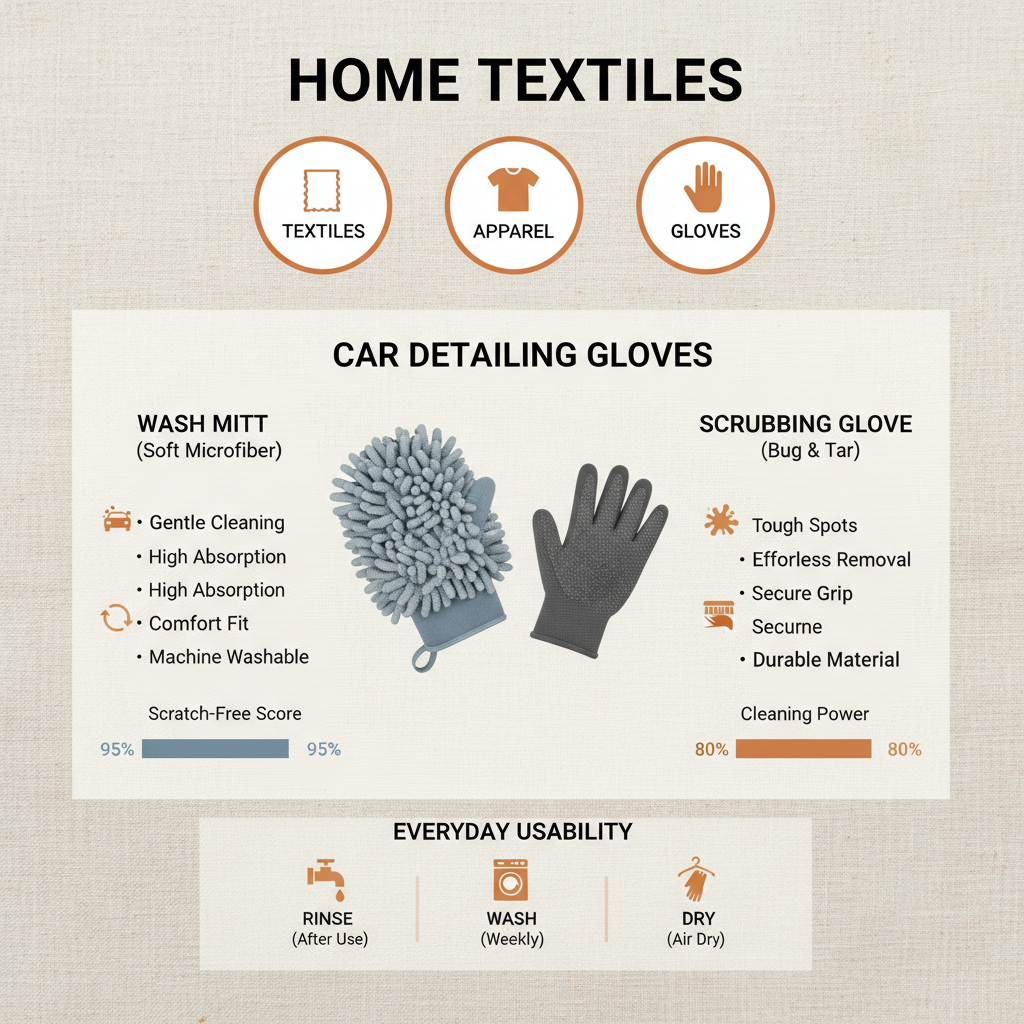
In the meticulous world of automotive care, the difference between a professional finish and an amateur effort often lies in the tools used. car detailing gloves have emerged as an indispensable asset for enthusiasts and professionals alike, providing a critical barrier between the delicate clear coat of a vehicle and the abrasive nature of environmental contaminants. By integrating advanced textile engineering, these gloves ensure that the cleaning process is not only efficient but also safe for the vehicle's surface.
Beyond mere surface protection, the global shift toward high-end automotive preservation has increased the demand for specialized gear. The industry has evolved from using basic rags to employing precision-engineered car detailing gloves that minimize swirl marks and micro-scratches. This transition reflects a broader commitment to maintaining vehicle value and aesthetic perfection through scientific material selection.
Understanding the nuances of these tools allows detailers to optimize their workflow while protecting their skin from harsh chemical degreasers and solvents. Whether you are applying a ceramic coating or performing a deep interior scrub, the right pair of car detailing gloves balances tactile sensitivity with rugged durability, making them a cornerstone of modern automotive maintenance.

Global Relevance and Industry Context of Detailing Gear
The global automotive detailing market has seen exponential growth, driven by the rising value of luxury vehicles and a cultural shift toward "car curation." According to industry standards aligned with ISO quality management, the precision of surface treatment is now a primary metric for professional shops. The introduction of specialized car detailing gloves addresses the critical challenge of "human-induced marring," where oils and debris from the skin or standard cloth cause microscopic damage to automotive paint.
As the industry moves toward more sustainable practices, the shift from disposable nitrile options to reusable, high-grade microfiber and cotton blends has become evident. This transition not only reduces the environmental footprint of detailing centers but also improves the ergonomic experience for workers who spend hours performing repetitive polishing and cleaning motions.
Defining the Modern Car Detailing Glove
At its core, car detailing gloves are specialized hand coverings engineered from a variety of materials—ranging from lint-free microfiber to treated cotton—designed to protect both the vehicle surface and the user's hands. Unlike general-purpose work gloves, detailing gloves are focused on the intersection of softness, chemical resistance, and the prevention of particulate transfer.
In the context of modern industry, these tools serve as a bridge between heavy-duty protection and surgical precision. For high-end detailing, this means using gloves that can absorb contaminants away from the paintwork, acting as a sacrificial layer that ensures the vehicle's finish remains pristine during the most aggressive cleaning phases.
Furthermore, the humanitarian and occupational health aspect cannot be overlooked. By providing a barrier against caustic chemicals used in wheel cleaning and engine degreasing, professional car detailing gloves prevent contact dermatitis and other long-term skin ailments, ensuring a safer working environment for technicians worldwide.
Core Components of High-Performance Gloves
Durability is the first pillar of effective car detailing gloves. A high-quality glove must withstand repeated wash cycles without losing its structural integrity or becoming "pill-y," which would introduce new contaminants to the car's surface. Reinforced seams and high-denier fabrics ensure that the gloves can handle the friction of scrubbing without tearing.
Material Scalability and Absorbency are equally vital. The use of split-fiber microfiber in car detailing gloves allows for the trapping of dirt particles deep within the fabric, preventing them from being dragged across the paint. This technical approach significantly reduces the risk of "swirl marks" common in traditional washing methods.
Finally, ergonomic fit and tactile sensitivity determine the practical utility of the gear. A glove that is too loose hinders the detailer's ability to feel imperfections on the surface, while one that is too tight restricts blood flow. The best car detailing gloves utilize an elasticized wrist and a contoured palm to mimic the natural movement of the hand.
Practical Application and Efficiency Metrics
In real-world scenarios, the application of car detailing gloves varies by the stage of the detailing process. During the "wash and dry" phase, high-absorbency microfiber gloves are preferred to lift grime. During the "finishing and polishing" phase, lint-free white cotton or specialized synthetic blends are used to ensure no fibers are left behind on the freshly waxed surface.
The efficiency of these tools can be measured by the reduction in "re-work" time—the time spent correcting mistakes made during the initial clean. When professional-grade gloves are used, the incidence of micro-scratching drops significantly, leading to a faster overall turnaround time for the vehicle.
Performance Comparison of Car Detailing Glove Materials
Global Use Cases Across Detailing Sectors
The application of car detailing gloves extends far beyond individual enthusiasts. In luxury automotive showrooms in Europe and Asia, these gloves are mandatory for staff when moving vehicles or performing final inspections to ensure that no fingerprints or skin oils contaminate the showroom shine.
In industrial contexts, such as the preparation of vehicles for paint in manufacturing plants, specialized anti-static car detailing gloves are used. These prevent dust attraction and electrical discharge, which could otherwise create defects in the primer or base coat, demonstrating the critical role of textile science in industrial quality control.
Long-Term Value and Sustainability Benefits
Investing in high-quality car detailing gloves offers significant long-term economic value. While disposable gloves are cheaper per unit, the cumulative cost and environmental waste are substantial. Reusable, professional-grade gloves reduce the volume of plastic waste entering landfills, aligning with the global push toward "green" automotive care.
From a psychological perspective, the use of professional gear fosters a sense of discipline and pride in craftsmanship. When a detailer uses the correct car detailing gloves, it signals to the client a commitment to precision and a respect for the asset being serviced, thereby building trust and brand loyalty.
Moreover, the reliability of these materials ensures consistent results. By removing the variable of "human touch" contaminants, the output of a detailing shop becomes standardized, making it easier to scale operations and maintain high customer satisfaction ratings across different technicians.
Future Innovations in Automotive Textiles
The future of car detailing gloves lies in the integration of smart materials. We are seeing the emergence of nano-coated fabrics that repel water and oil while remaining breathable, allowing for a "dry-touch" experience even when working with wet soaps. These innovations will further reduce the friction coefficient, making the process even safer for the paint.
Digital transformation is also touching the textile industry. AI-driven material design is allowing manufacturers to create "zonal compression" in car detailing gloves, providing more support to the wrist while maintaining maximum flexibility in the fingers. This intersection of ergonomics and data science is set to redefine user comfort.
Sustainability will continue to drive innovation, with the development of biodegradable synthetic fibers that mimic the performance of microfiber without the microplastic shedding. As global regulations on textile waste tighten, these eco-friendly car detailing gloves will become the industry standard.
Analysis of Material Performance in Car Detailing Gloves
|
Material Type
|
Scratch Resistance
|
Chemical Shielding
|
Longevity (Cycles)
|
| Premium Microfiber |
Excellent (10/10) |
Moderate |
100+ Washes |
| White Cotton |
High (8/10) |
Low |
50+ Washes |
| Nitrile Blend |
Moderate (6/10) |
Excellent |
Single Use |
| Hybrid Synthetic |
Very High (9/10) |
High |
80+ Washes |
| Lambswool Blend |
Maximum (10/10) |
Low |
40+ Washes |
| Polyester Mesh |
Moderate (7/10) |
Moderate |
60+ Washes |
FAQS
Microfiber gloves feature millions of tiny hooks and loops that lift and encapsulate dirt, whereas sponges often push debris across the surface, acting like sandpaper. This makes microfiber gloves far safer for preventing swirl marks.
It is strongly discouraged. Wheels harbor brake dust and metallic shards that can embed in the fabric. Using the same gloves on the paint would transfer these abrasive particles, leading to severe scratching.
For optimal safety, gloves should be washed after every single vehicle use. This ensures that no residual grit from the previous car is introduced to the next, maintaining a professional level of cleanliness.
Yes, lint-free white cotton gloves are excellent for the final wipe-down and coating application as they do not leave fibers behind and provide a gentle touch that avoids marring the fresh finish.
Fabric-based gloves provide minimal chemical protection. If you are using highly caustic wheel cleaners or acid-based paint strippers, we recommend layering a nitrile glove underneath a textile detailing glove for maximum safety.
Many professional shops partner directly with industrial textile manufacturers who specialize in PPE and automotive fabrics to ensure consistent quality and competitive wholesale pricing via direct export channels.
Conclusion
In summary, car detailing gloves are far more than a simple accessory; they are a critical component of a high-standard automotive maintenance system. By balancing surface safety, user protection, and environmental sustainability, these tools allow for a level of precision that is impossible with traditional cleaning methods. From the strategic selection of microfiber to the ergonomic design of the fit, every element of a professional glove is engineered to preserve the longevity and beauty of a vehicle's finish.
Looking forward, the integration of smart textiles and biodegradable materials will continue to elevate the industry. For any professional or enthusiast seeking to move from a basic clean to a true "concours" level finish, investing in specialized hand protection is the most effective first step. We encourage all automotive care providers to prioritize material quality to ensure the highest standards of craftsmanship and safety. Visit our website: www.hmdglove.com