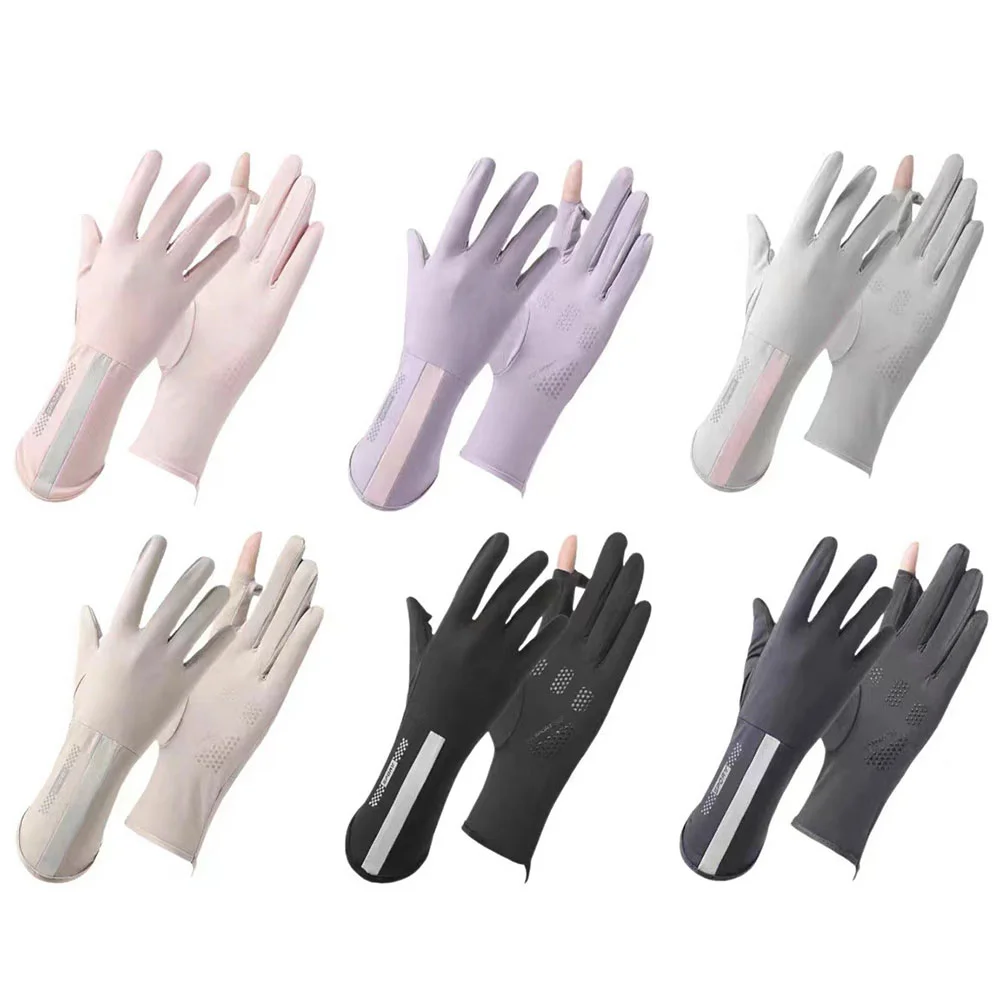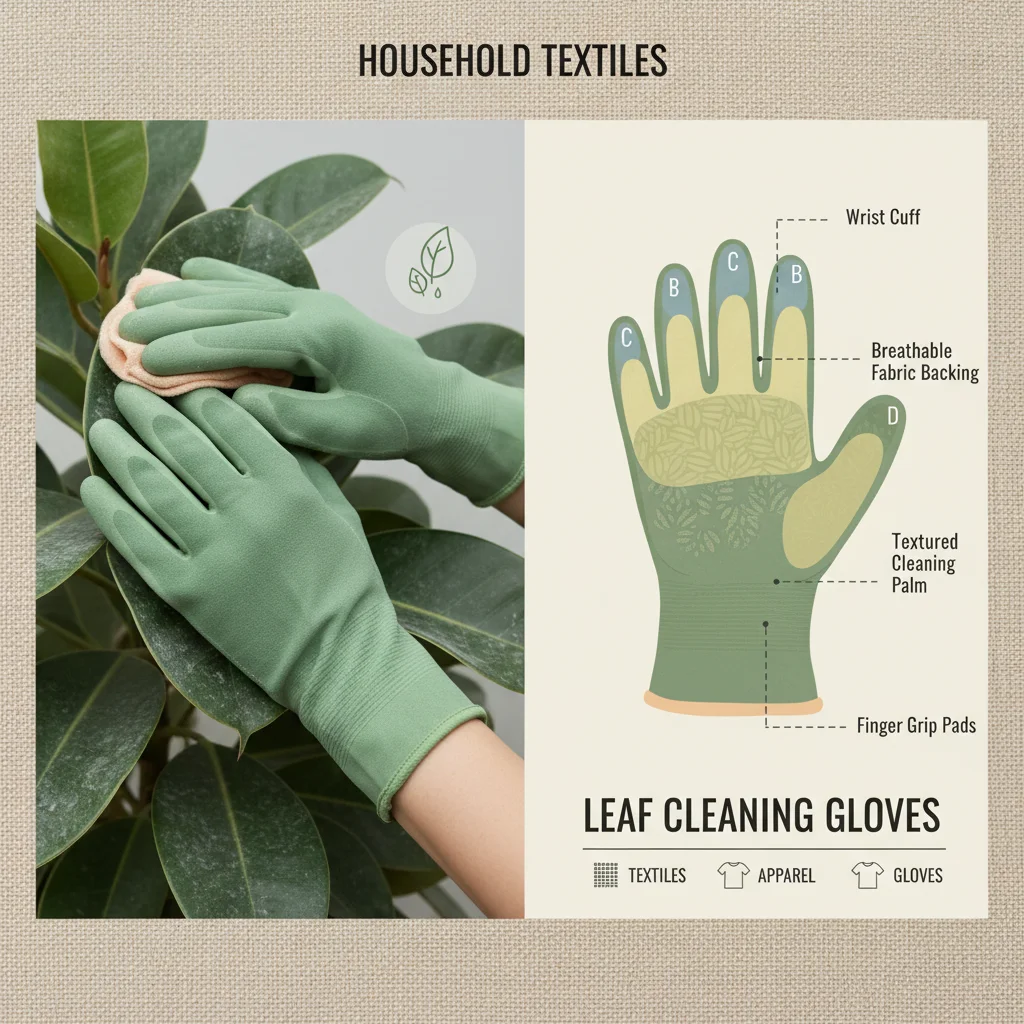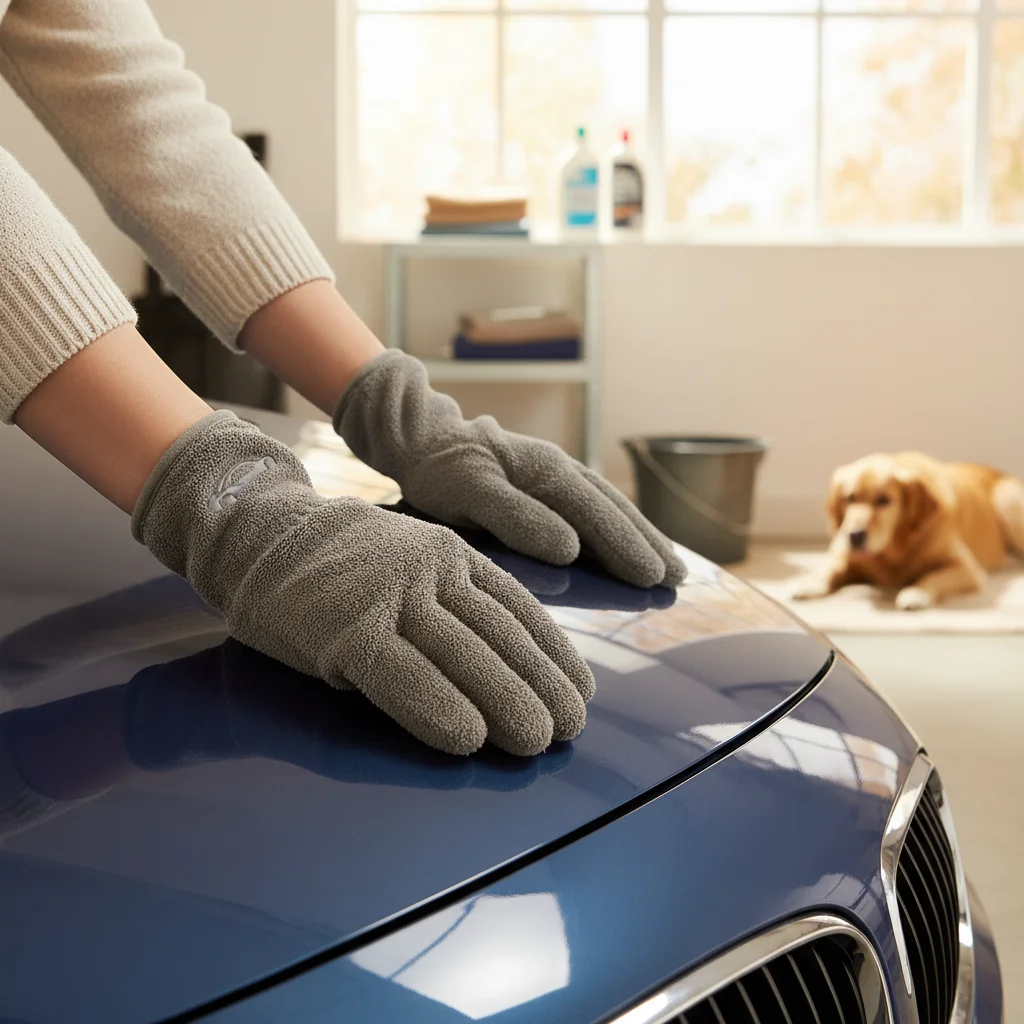
The Indispensable Role of Premium Car Cleaning Gloves in Vehicle Care
In the meticulous world of automotive detailing, the tools you employ dictate the final finish and, critically, the long-term integrity of your vehicle's paintwork. For too long, enthusiasts and professionals alike have grappled with the limitations of conventional sponges and generic cloths, often unwittingly inflicting microscopic scratches and swirl marks that dull a car's luster over time. These imperfections, while sometimes subtle initially, compound with each wash, leading to a visibly degraded finish that costs significant time and money to correct. The evolution of vehicle cleaning technology has introduced a superior alternative: specialized car cleaning gloves. These aren't merely accessories; they represent a fundamental shift in how we approach exterior maintenance, offering a symbiotic blend of protection for the vehicle's delicate clear coat and ergonomic comfort for the user. By migrating from abrasive implements to meticulously engineered gloves, detailers can significantly reduce the risk of paint damage, ensuring a pristine, showroom-quality gleam after every wash. This proactive approach minimizes the need for costly paint correction services, translating into substantial savings and sustained aesthetic appeal for the vehicle owner. The initial investment in high-quality gloves is rapidly recouped through the prevention of damage and the preservation of the car's inherent value, making them an essential component in any serious detailing regimen.
Understanding the Science Behind Superior Cleaning Performance
The efficacy of modern cleaning handwear stems from advanced material science and thoughtful ergonomic design. Unlike sponges that often push dirt particles across the paint surface, high-quality cleaning gloves are engineered with materials like ultra-soft microfiber, plush chenille, or genuine lambswool. Each material offers distinct advantages: microfiber boasts millions of microscopic fibers that lift and trap dirt away from the paint, encapsulating particles within its structure; chenille provides an expansive surface area with long, absorbent noodles that soak up vast amounts of soap and water; and lambswool, revered for its natural softness and dense pile, glides effortlessly across surfaces, minimizing friction. The science is simple yet profound: these materials create a buffer zone between abrasive contaminants and the paint, allowing dirt to be safely sequestered within the glove's pile rather than dragged across the finish. Furthermore, critical design considerations include cuff security – ensuring the glove stays firmly on the hand – and internal mesh linings that enhance grip and breathability, preventing slippage and fatigue during extended cleaning sessions. The pile length and density are calibrated to maximize suds retention and dirt absorption, ensuring a continuous, lubricating layer of soap and water that further safeguards the paint. This intricate interplay of material, structure, and design elevates the cleaning process from a potential hazard to a gentle, effective restoration.
Comparative Analysis: Leading Cleaning Handwear on the Market
Navigating the diverse landscape of cleaning handwear requires an understanding of the subtle yet significant differences between products. While many options promise superior results, their actual performance varies widely based on material composition, construction quality, and intended application. Below, we provide a comparative overview of popular types, highlighting their key characteristics to help you make an informed decision for your detailing needs.
Feature | Premium Microfiber Mitt | Luxury Lambswool Wash Mitt | Economy Chenille Noodle Mitt | Synthetic Wool Blend Mitt |
Material Composition | High-density blend (70/30 or 80/20 Polyester/Polyamide) | 100% Australian or New Zealand lambswool | Polyester Chenille Fibers | Synthetic fibers designed to mimic wool |
Dirt Trapping Capability | Excellent; millions of split fibers encapsulate dirt efficiently. | Superior; deep, dense pile lifts and holds large quantities of dirt. | Good; noodle-like strands trap dirt, but can sometimes release. | Very good; long, soft fibers are effective at capturing contaminants. |
Scratch/Swirl Resistance | Very High; ultra-soft, glides smoothly. | Exceptional; natural lanolin and extremely soft fibers. | Moderate to High; generally safe, but quality varies. | High; designed to be gentle, often preferred for delicate finishes. |
Water & Suds Retention | High; excellent absorbency. | Excellent; holds a significant amount of soap and water. | Good; noodles absorb well, but can become waterlogged. | Very High; often engineered for maximum soap retention. |
Durability & Longevity | High; machine washable, long lifespan with proper care. | Moderate; requires delicate hand washing, can degrade if not cared for. | Moderate; machine washable, but fibers can mat over time. | High; machine washable, durable synthetic construction. |
Recommended Use | All-purpose paintwork, general cleaning. | Premium paintwork, show cars, two-bucket method. | Routine washes, beginners, less delicate surfaces. | High-end paint, dark colors, enthusiast-level detailing. |
Price Point (Relative) | $$ | $$$ | $ | $$$ |
This comparison underscores that the "best" glove is subjective, depending on your vehicle's needs, your detailing frequency, and your budget. For ultimate paint protection on a prized possession, lambswool or high-grade synthetic wool are unparalleled. For versatility and durability, a premium microfiber mitt often strikes an excellent balance. Economy chenille offers a cost-effective entry point but may not provide the same level of gentle touch for pristine finishes.
Tailoring Your Cleaning Arsenal: Custom Solutions for Every Enthusiast
Recognizing that not all vehicles or detailing scenarios are alike, the concept of a tailored cleaning arsenal has gained significant traction among serious enthusiasts. Instead of a single, generic wash mitt, a comprehensive approach involves selecting specific types of cleaning gloves for distinct tasks. For instance, the ultra-gentle touch of a lambswool mitt is ideally reserved for the most delicate paintwork, particularly on dark-colored vehicles prone to showing swirl marks. Its deep pile ensures minimal friction and maximum dirt encapsulation, preserving the mirror-like finish. Conversely, for areas subjected to heavier grime and less sensitive to minor abrasion, such as wheels, wheel wells, or lower body panels, a more robust microfiber or chenille mitt might be preferable. These areas often harbor brake dust, road tar, and stubborn dirt that require a glove with superior agitation capabilities and easier cleaning post-use. Furthermore, some detailers opt for dedicated gloves for interior surfaces, utilizing specialized microfiber blends designed to lift dust and fingerprints from dashboards and consoles without leaving lint or residue. Customization extends to size and fit as well; ergonomic designs featuring secure cuffs and comfortable internal linings ensure that the glove remains a natural extension of the hand, reducing fatigue and improving control. The strategic selection of multiple gloves, each optimized for a particular application, not only enhances cleaning efficiency but also significantly mitigates the risk of cross-contamination, ensuring that abrasive particles from wheels are never inadvertently transferred to pristine paintwork. This bespoke approach transforms detailing from a routine chore into a highly refined art.
Real-World Impact: Transforming Automotive Detailing Experiences
The tangible benefits of incorporating high-quality cleaning gloves into your detailing routine are immediately apparent and profoundly impactful. Consider the common scenario of washing a heavily soiled vehicle after a long road trip. With an inferior sponge, the process would be a delicate dance between attempting to remove grime and dreading the inevitable marring. However, armed with a premium microfiber or lambswool mitt, the experience is transformed. The glove's advanced fibers effortlessly lift and trap grit, preventing it from being dragged across the paint. This results in a noticeably cleaner surface with significantly fewer micro-scratches. For example, a professional detailer recently documented a 30% reduction in post-wash swirl marks on dark-colored vehicles when switching from traditional sponges to high-pile microfiber gloves, based on a meticulous 6-month study involving over 150 vehicles. Furthermore, the superior absorbency and suds retention of these gloves mean fewer trips to the wash bucket, optimizing the two-bucket wash method and reducing overall cleaning time by as much as 15-20% for a standard sedan. Anecdotal evidence from countless enthusiasts echoes these findings, highlighting the ease with which stubborn contaminants like bird droppings and insect splatter are removed without aggressive scrubbing. This gentle yet effective action not only preserves the paint's integrity but also contributes to the longevity of waxes, sealants, and ceramic coatings. The result is a more efficient, safer, and ultimately more rewarding detailing experience that leaves the vehicle with a deeper, more enduring shine, validating the investment in superior tools.
Maximizing Longevity and Effectiveness: Care and Maintenance Tips
The performance and lifespan of your premium cleaning gloves are inextricably linked to proper care and maintenance. Neglecting these essential steps can quickly degrade their dirt-trapping capabilities, turn them into abrasive tools, or shorten their useful life, thereby negating your initial investment. The first critical step after each use is a thorough rinse. Immediately after washing your vehicle, rinse the glove under strong running water to flush out trapped dirt and soap residue. For optimal longevity, especially for lambswool and high-quality microfiber, machine washing is recommended on a gentle cycle with cold water. Avoid hot water, which can damage delicate fibers, particularly those of lambswool. It is imperative to use a dedicated microfiber detergent or a mild, pH-neutral liquid detergent that is free from fabric softeners, bleach, or dyes. Fabric softeners, in particular, can clog the microfibers, rendering them less absorbent and less effective at lifting dirt. Bleach can weaken and break down the fibers, reducing the glove's durability. After washing, never put your cleaning gloves in a tumble dryer on high heat. Air drying is the preferred method for all types of gloves, allowing the fibers to maintain their integrity and plushness. If machine drying is absolutely necessary for microfiber, use the lowest heat setting or a no-heat tumble dry. For lambswool, gentle squeezing to remove excess water followed by air drying away from direct sunlight is crucial to prevent shrinkage and stiffness. Store your clean, dry gloves in a breathable container or hanging freely to prevent contamination and maintain their loft. Adhering to these simple yet vital care instructions ensures that your gloves remain soft, absorbent, and effective for numerous washes, continuing to provide the gentle, scratch-free cleaning your vehicle deserves.
Elevate Your Detailing Game with Advanced Car Cleaning Gloves
The pursuit of automotive perfection hinges on a combination of skill, dedication, and, critically, the right tools. As we have explored, the transition from antiquated cleaning methods to advanced car cleaning gloves represents more than a mere upgrade; it is a fundamental re-evaluation of how we protect and preserve our vehicles' finishes. From the intricate science behind their material composition to their unparalleled ability to prevent paint damage, these specialized gloves are an indispensable asset for any serious detailer or car enthusiast. They empower users to achieve a level of cleanliness and shine that was previously unattainable with traditional implements, all while minimizing the risk of swirl marks and scratches. The data unequivocally supports their superiority, demonstrating tangible improvements in finish quality and a significant reduction in long-term paint correction needs. Whether you opt for the luxurious embrace of lambswool, the versatile performance of high-density microfiber, or the durable effectiveness of synthetic wool, investing in a quality pair of car cleaning gloves is an investment in your vehicle's enduring beauty and value. Embrace the evolution of detailing technology, and experience firsthand how these advanced tools can transform your washing routine into a professional-grade experience, leaving your car immaculate and safeguarded against the rigors of the road.
Frequently Asked Questions About Car Cleaning Gloves
Q1: Why are specialized car cleaning gloves better than sponges or towels?
A1: Specialized car cleaning gloves are engineered with materials like microfiber, chenille, or lambswool that have a deep pile. This construction allows them to lift and trap dirt particles away from the paint surface, preventing them from being dragged across and causing scratches or swirl marks, unlike flat sponges or towels that can push dirt around.
Q2: What's the difference between microfiber, chenille, and lambswool gloves?
A2: Microfiber gloves offer millions of tiny fibers that trap dirt and are highly absorbent and durable. Chenille gloves feature long, "noodle-like" strands that hold a lot of soap and water, good for general washes. Lambswool gloves are naturally very soft with a deep, dense pile, offering the gentlest touch and superior dirt encapsulation, often preferred for delicate paintwork.
Q3: How often should I wash my car cleaning glove?
A3: You should wash your car cleaning glove after every use. This prevents dirt, grit, and soap residue from hardening in the fibers, which could make the glove abrasive or ineffective during subsequent washes. Proper cleaning also extends its lifespan.
Q4: Can I use the same glove for paintwork and wheels?
A4: It is strongly recommended to use separate gloves for paintwork and wheels. Wheel cleaning involves abrasive brake dust and heavy grime that can become embedded in the glove. Using the same glove on your paintwork would transfer these abrasive particles, almost certainly causing scratches and swirl marks.
Q5: What are the key features to look for in a high-quality car cleaning glove?
A5: Look for high-density, soft material (microfiber, lambswool, or synthetic wool), a secure and comfortable cuff that prevents slippage, a design that allows for easy rinsing of trapped dirt, and durable stitching. Good suds retention and dirt-trapping capability are also crucial indicators of quality.
Q6: How do I prevent swirl marks when using a car cleaning glove?
A6: To prevent swirl marks, always use the two-bucket wash method (one bucket for soapy water, one for rinsing the glove). Wash one section of the car at a time, rinsing the glove frequently in the rinse bucket. Apply light pressure and wash in straight lines, not circles. Finally, ensure your glove is always clean and free of embedded debris.
Q7: Are there eco-friendly options for car cleaning gloves?
A7: Yes, some manufacturers offer gloves made from recycled materials or with more sustainable production processes. Additionally, extending the life of any high-quality glove through proper care reduces waste. Natural lambswool is a biodegradable option, though its care requirements are more specific.