Gloves for Cleaning Silver – Protective, Precise, and Sustainable Solutions
Gloves for Cleaning Silver: Essential Tools for Preservation and Safety
When it comes to maintaining the luster and longevity of silver artifacts—whether they're delicate heirlooms, museum pieces, or high-end jewelry—the right gloves for cleaning silver are surprisingly vital. Not just any gloves will do; they must protect the valuables from tarnish and prevent damage while also safeguarding the user. Globally, as silver continues to be treasured for both industrial and artistic purposes, understanding the role and qualities of these gloves isn't just a niche concern—it's an essential part of responsible silver care and handling.
Global Context: Why Gloves for Cleaning Silver Matter Worldwide
Oddly enough, silver cleaning isn’t just a local hobby or an artisan’s task. According to the International Organization for Standardization (ISO), silver is widely used in electronics, medicine, and even renewable energy technology (think solar panels and antibacterials). The World Bank notes that the global silver market, valued at several billion dollars, depends heavily on the proper handling during production and after-care stages. The wrong cleaning method risks contamination or degradation impacting both industrial functions and cultural heritage preservation.
But here’s the kicker: Gloves designed specifically for cleaning silver tackle a key challenge – how to avoid surface damage or chemical reactions during cleaning, which can be caused by bare hands or generic gloves. This problem prompted the rise of specialized gloves that balance protection, dexterity, and resistance to corrosive cleaning agents.
What Are Gloves for Cleaning Silver?
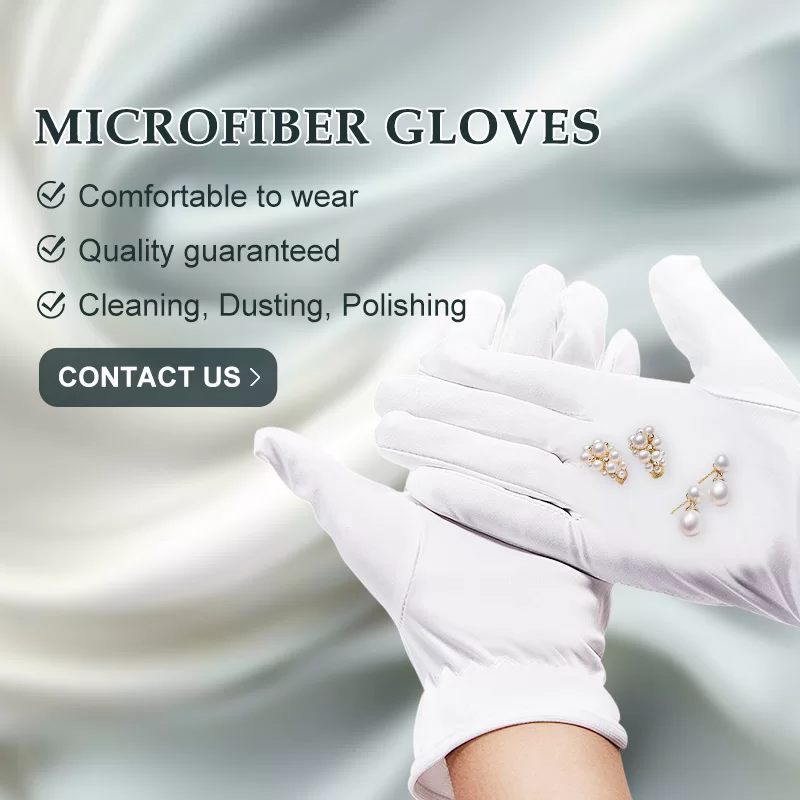
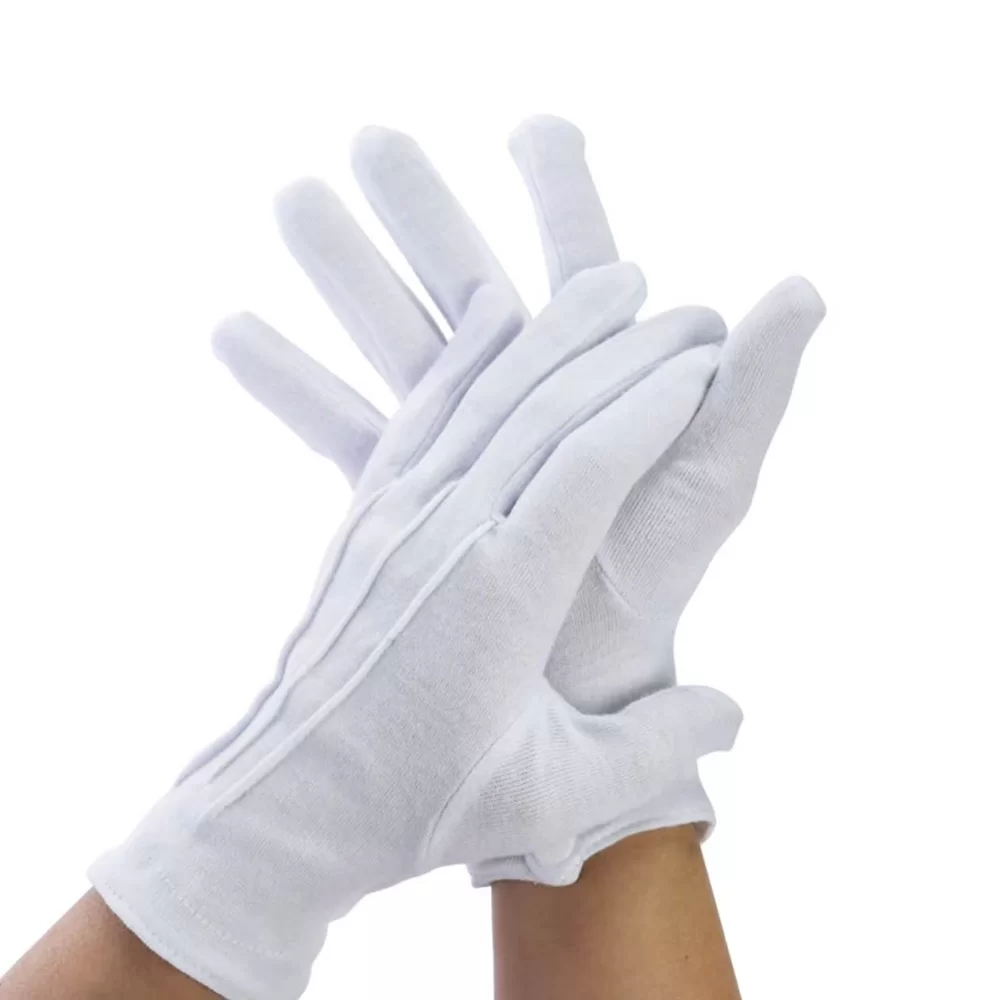
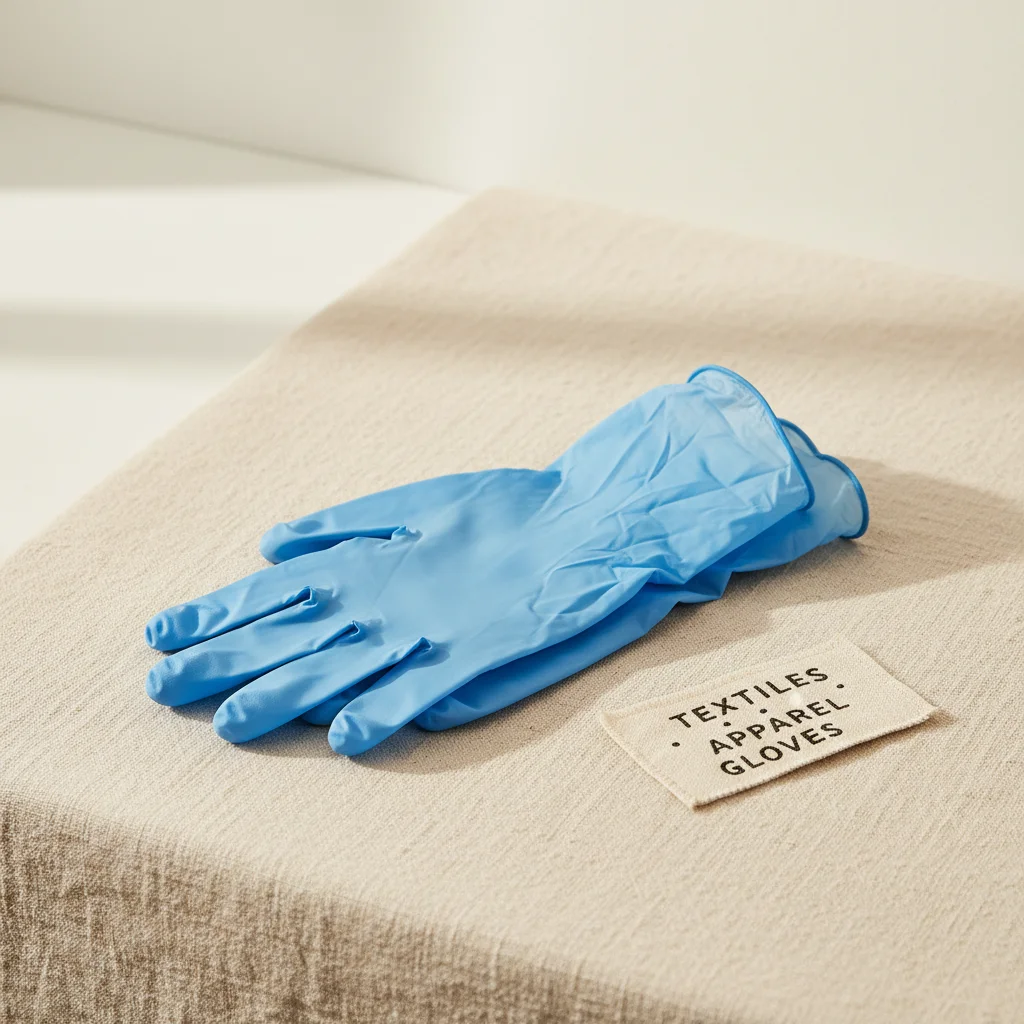
Simply put, these gloves are protective hand coverings crafted from materials that do not react with silver and that shield the metal from oils, acids, and contaminants found naturally on skin. They often are made from lint-free cotton or nitrile. The cotton variants prevent smudge marks and allow tactile sensitivity, whereas nitrile gloves resist stronger chemicals used for removing tarnish.
Hardly just household cleaning items, these gloves serve an important role in the jewelry industry, museums, and even humanitarian contexts—caring for historic silver artifacts after disasters ensures cultural identity isn’t further eroded by poor cleaning practices.
Key Factors When Choosing Gloves for Cleaning Silver
1. Material Composition
Choosing between natural fibers like cotton and synthetic nitrile depends on the type of silver and cleaning process. Cotton gloves are breathable and prevent scratches, whereas nitrile offers chemical resistance. Sometimes, professionals layer them for hybrid protection.
2. Durability and Tear Resistance
Gloves must hold up to repeated use, especially in commercial settings. Fragile gloves can lead to contamination or accidental damage to the silver piece, so durability matters.
3. Chemical Compatibility
Cleaning agents vary from mild polishes to stronger chemicals; gloves should match the cleaning agent’s strength to avoid degrading the glove or contaminating silver.
4. Dexterity and Fit
The finer the silverwork, the greater the need for gloves allowing intricate finger movements without sacrificing protection.
5. Breathability and Comfort
Users often clean for extended periods. Gloves that trap sweat or cause irritation can lead to mistakes or injury.
Product Specification Table: Comparing Two Popular Gloves for Cleaning Silver
| Feature | 100% Cotton Gloves | Nitrile Coated Gloves |
|---|---|---|
| Material | Natural cotton, lint-free | Synthetic nitrile coating on fabric |
| Chemical Resistance | Low to moderate | High |
| Dexterity | High – flexible | Moderate – thicker texture |
| Breathability | Excellent | Moderate |
| Best Use Cases | Gentle handling, detailed work, display prep | Chemical-heavy cleaning, industrial tasks |
Global Applications and Real-World Use Cases
Gloves for cleaning silver are indispensable in the conservation of artifacts in museums across Europe and Asia, where centuries-old silverware must be handled with great care. In remote industrial zones—like semiconductor manufacturing plants in East Asia—silver's conductivity requires pristine cleaning, relying heavily on nitrile gloves compatible with aggressive solvents.
Interestingly, even humanitarian organizations involved in preserving cultural heritage after disasters in places like Italy or Syria use these gloves to maintain dignity and identity through art. The gloves protect fragile silver items from tarnishing by exposure to acidic oils or dirt found on bare hands, showing a deep connection between craft, culture, and ethical stewardship.
Vendor Comparison Table: Leading Brands for Gloves in Silver Cleaning
| Brand | Material Types Offered | Pricing | Ideal User | Eco Certification |
|---|---|---|---|---|
| SilverCare Pro | Cotton, Nitrile blend | $$$ | Museums, jewelers | Yes (ISO 14001) |
| PureGuard Textiles | 100% Cotton, Organic | $$ | Private collectors, restorers | Yes (GOTS certified) |
| ChemSafe Solutions | Nitrile only | $$ | Industrial, lab technicians | No |
Advantages and Long-Term Value of Using Gloves for Cleaning Silver
- Preservation: Protects silver objects from tarnish and scratches, extending lifespan.
- Safety: Shields users from chemical exposure in cleaning solutions.
- Sustainability: High-quality gloves reduce waste by lasting longer and preventing damage-induced replacements.
- Emotional trust: Professionals and collectors feel confident their valuables are handled with dignity.
Frankly, investing in proper gloves is about more than convenience. It’s a commitment to sustainability and respect—for both the object and the craft behind it.
Future Trends and Innovations in Gloves for Cleaning Silver
The next generation is promising. Advances in bio-based nitrile gloves mean more sustainable, biodegradable options hit the market soon, reducing environmental footprints. Smart gloves embedded with sensors are also emerging, allowing users to monitor chemical exposure or grip pressure in real time—something especially helpful in preservation labs. Digital transformation might bring virtual tutorials paired with gloves, guiding novices through complex cleaning procedures.
Challenges and Expert Solutions
On the ground, the main challenge remains balancing dexterity with protection. Many nitrile gloves are a bit bulky, making delicate work tricky. Experts suggest pairing ultra-thin cotton liners beneath nitrile shells for double protection. Another issue is cost—premium gloves might be prohibitively expensive for some smaller workshops or hobbyists. Bulk purchasing agreements or reusable gloves with proper sanitization might ease this.
FAQ: Frequently Asked Questions About Gloves for Cleaning Silver
- 1. What type of gloves should I use for cleaning antique silverware?
- The safest bet is 100% cotton gloves to avoid scratching or chemical reaction. For stronger cleaning agents, consider a nitrile-coated glove but test compatibility first.
- 2. How often should gloves be replaced during silver cleaning tasks?
- It varies by usage, but generally replace gloves when they show tears or after contact with harsh chemicals to prevent contamination or personal safety risks.
- 3. Can I use disposable gloves instead of cotton gloves for silver cleaning?
- Disposable nitrile gloves work well chemically but may reduce tactile sensitivity; cotton gloves often provide better control and are lint-free.
- 4. Are there gloves designed for allergy-sensitive users cleaning silver?
- Yes, many manufacturers offer latex-free, hypoallergenic alternatives—nitrile and some cotton gloves fit this need well.
- 5. How can I maintain gloves to extend their usable life when cleaning silver?
- Store in a cool, dry place, wash cotton gloves regularly without harsh detergents, and avoid excessive exposure to chemicals.
Conclusion: Why Gloves for Cleaning Silver Are a Must-Have
In a nutshell, proper gloves for cleaning silver combine protection, precision, and sustainability. They're more than just tools—they're partners in preserving precious metals, cultural heritage, and industrial efficiency. If you’re handling silver at any level—professional or personal, investing in the right gloves for cleaning silver makes all the difference. Your silver will thank you with longer life and brighter shine.
Ready to upgrade your glove game? Visit our website at https://www.hmdglove.com for premium options.
Just a final note — gloves might feel mundane, but their impact on silver care is huge. Don’t underestimate the small things!