Gloves for Cleaning Deer – Essential Protective Gear for Safe and Efficient Game Processing
Understanding Gloves for Cleaning Deer: Essential Gear in Hunting and Processing
If you’ve ever been involved in hunting, or processing game like deer, you know it’s not just about skill but also about safety and hygiene. That’s where gloves for cleaning deer come in — specialized protective gear designed for handling carcasses safely. Globally, as hunting remains an important tradition and source of sustenance, particularly in rural communities across North America and parts of Europe, these gloves play an essential role in safeguarding health and improving efficiency.
Introduction: The Global Need for Effective Gloves in Wild Game Processing
Hunting statistics from regions like the US estimate that over 11 million hunters participate annually, handling a substantial volume of wild game requiring cleaning and butchering. According to the World Health Organization (WHO), precautions against zoonotic disease transmission during handling wild animals are a public health priority. Here, the right gloves reduce risks of contamination and injury. Frankly, it’s a small, often overlooked detail with big implications — for hunters, processors, and the wider community.
What Exactly Are Gloves for Cleaning Deer?
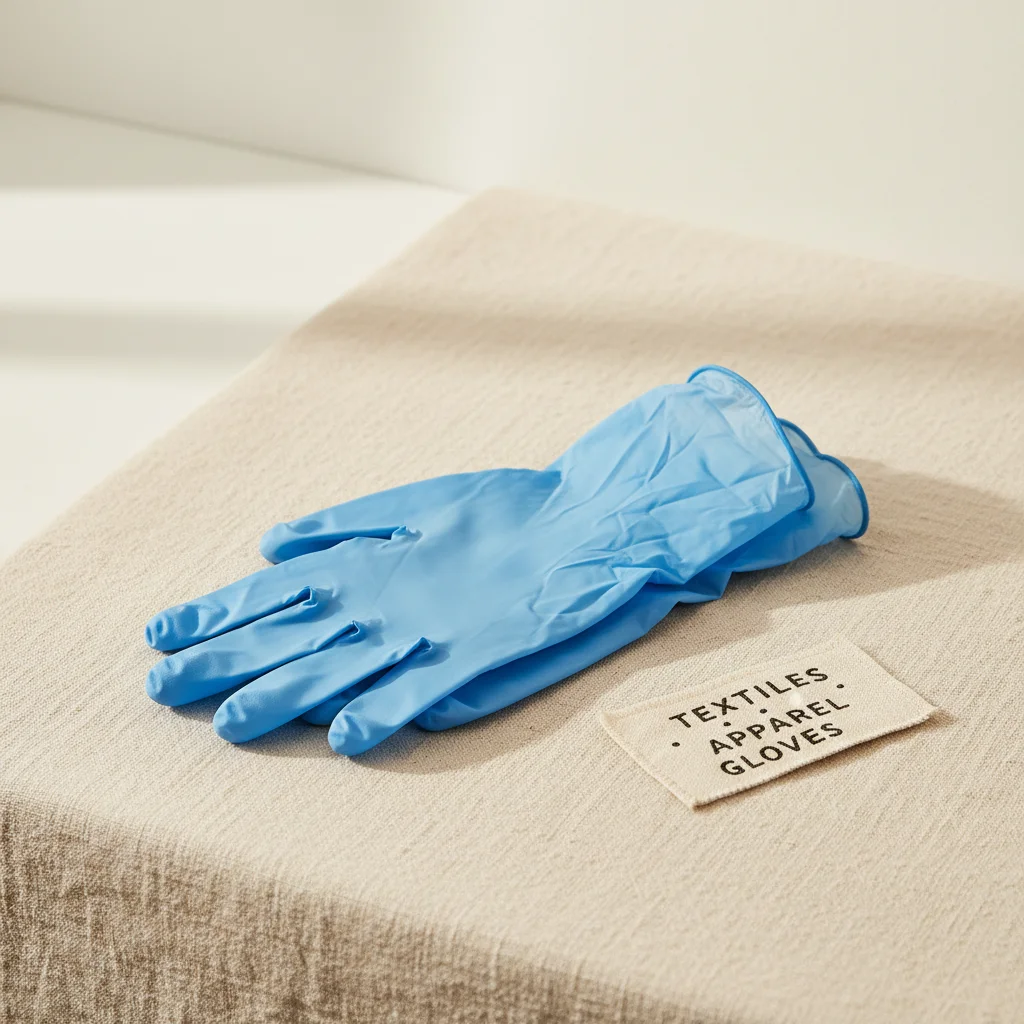
Put simply, these gloves are rugged, often disposable or reusable hand coverings crafted to balance tactile sensitivity with barrier protection. They’re typically made from materials like nitrile, latex, or thick rubber, sometimes reinforced with textured palms for grip. Their main goal? To protect the user’s hands from blood, tissue, and sharp tools while preventing cross-contamination. In modern hunting and meat processing, they’re a must-have rather than a luxury item.
Key Factors to Consider When Choosing Gloves for Cleaning Deer
- Durability: Gloves must resist tearing during rigorous handling of animal hides and bones. Durable nitrile gloves, for example, offer excellent puncture resistance.
- Grip and Dexterity: The tricky part is being able to clean and cut precisely, often in wet and slippery conditions. Textured surfaces and flexible materials help maintain control without sacrificing safety.
- Material Safety and Allergies: Latex gloves, while common, can provoke allergies — nitrile or neoprene vary in chemical resistance and comfort.
- Cost Efficiency: Hunters and processors often buy gloves in bulk. Prices vary significantly depending on brand, material, and intended reusability.
- Scalability for Different Uses: From backyard hunters to commercial game processors, glove needs differ — having options for both disposable and reusable types is crucial.
Mini takeaway: Picking the right gloves balances protection, usability, and budget — which matters more than you’d expect in the cold, hands-on world of game processing.
Product Specification: Typical Gloves for Cleaning Deer
| Spec | Description |
|---|---|
| Material | Nitrile, Latex, Neoprene |
| Thickness | 5-8 mil (varies) |
| Surface Texture | Textured palm & fingers |
| Sizes | S, M, L, XL |
| Disposable/Reusability | Both available |
| Pack Quantity | 50-100 per box |
Global Applications & Use Cases of Gloves for Cleaning Deer
It might surprise some, but gloves for cleaning deer are more than hunting gear. In the US and Canada, routine hunting seasons require safety gear for compliance with hygiene regulations. In Scandinavian countries, where hunting is part of a sustainable food culture, such gloves can be found in local co-ops and processing sheds. Oddly enough, wildlife researchers and conservationists also use these gloves when handling animals or conducting necropsies to prevent contamination.
Commercial game processors in New Zealand and Australia adopt both disposable and reusable gloves to meet food safety standards. There’s even specialized glove usage in remote indigenous communities to ensure safe food preparation when refrigeration or sterilization resources are limited.
Vendor Comparison: Leading Suppliers of Gloves for Cleaning Deer
| Vendor | Material Options | Price Range (per box) | Durability | Availability |
|---|---|---|---|---|
| HMD Glove Co. | Nitrile, Reusable Rubber | $15–$30 | High | Global |
| HunterSafe Inc. | Latex, Nitrile | $12–$25 | Medium | North America |
| Ranger Gear | Neoprene, Nitrile | $20–$35 | High | Available online |
Advantages and Long-Term Value of Using Gloves for Cleaning Deer
The very act of donning gloves creates a safety barrier that protects against cuts, infections, and exposure to potentially hazardous animal fluids. From a sustainability perspective, reusable gloves lower waste, while disposable ones offer convenience and maximum hygiene. Logically, they build trust — not just between hunters and the environment but also consumers who ultimately eat the processed game.
On an emotional level, many hunters describe the confidence that comes from knowing their hands are protected and the dignity preserved in processing game responsibly. It’s innovation serving tradition, really — blending modern materials with a respect for nature.
Future Trends & Innovations in Gloves for Cleaning Deer
As sustainability trends accelerate, manufacturers are experimenting with biodegradable glove materials. There’s also a growing push for antimicrobial gloves, integrating silver ions or similar compounds to reduce bacterial growth. Add to this customization via digital printing (say, logos or size indicators), and you have a pretty fascinating evolution.
Automation may not directly impact glove use in hunting soon, but for commercial processors, robotic systems combined with specialized gloves improve safety and throughput as smart factories become standard.
Challenges & Solutions
No product is perfect. Gloves can tear or puncture unexpectedly during tough jobs, and allergic reactions to latex remain a concern. Some users report gloves getting slippery or causing sweaty discomfort during extended use. Frankly, balancing protection and comfort continues to challenge manufacturers.
Solutions range from hybrid material designs and improved ventilation to better sizing options and educating users on correct glove disposal and replacement timing. Also, choosing nitrile or neoprene over latex often works as a practical allergy workaround.
FAQ: Frequently Asked Questions About Gloves for Cleaning Deer
-
Q: Are nitrile gloves better than latex for cleaning deer?
A: Yes, nitrile gloves generally offer better puncture resistance and are less likely to cause allergic reactions, making them a preferred choice for game processors. -
Q: How often should gloves be replaced during deer cleaning?
A: Ideally, gloves should be replaced after any tear or significant contamination. Some hunters also switch gloves between carcasses to avoid cross-contamination. -
Q: Can reusable gloves be effectively sanitized?
A: Reusable rubber or neoprene gloves can be sanitized using appropriate disinfectants and should be thoroughly dried before reuse to maintain safety and durability. -
Q: Where can I buy reliable gloves for cleaning deer?
A: Various vendors specialize in this gear, such as HMD Glove Co., which offer a range suitable for different needs and budgets.
Conclusion
Gloves for cleaning deer aren’t just a protective afterthought. They’re a core piece of equipment that improves safety, hygiene, and respect for wildlife and food traditions globally. As hunting culture and regulations evolve, so will the technology and materials behind these gloves. If you’re looking to equip yourself with reliable protection or stock up for a commercial operation, visit our website to explore options tailored to your needs.
Final thought: Sometimes, the smallest gear makes the biggest difference — and gloves for cleaning deer are a classic example.