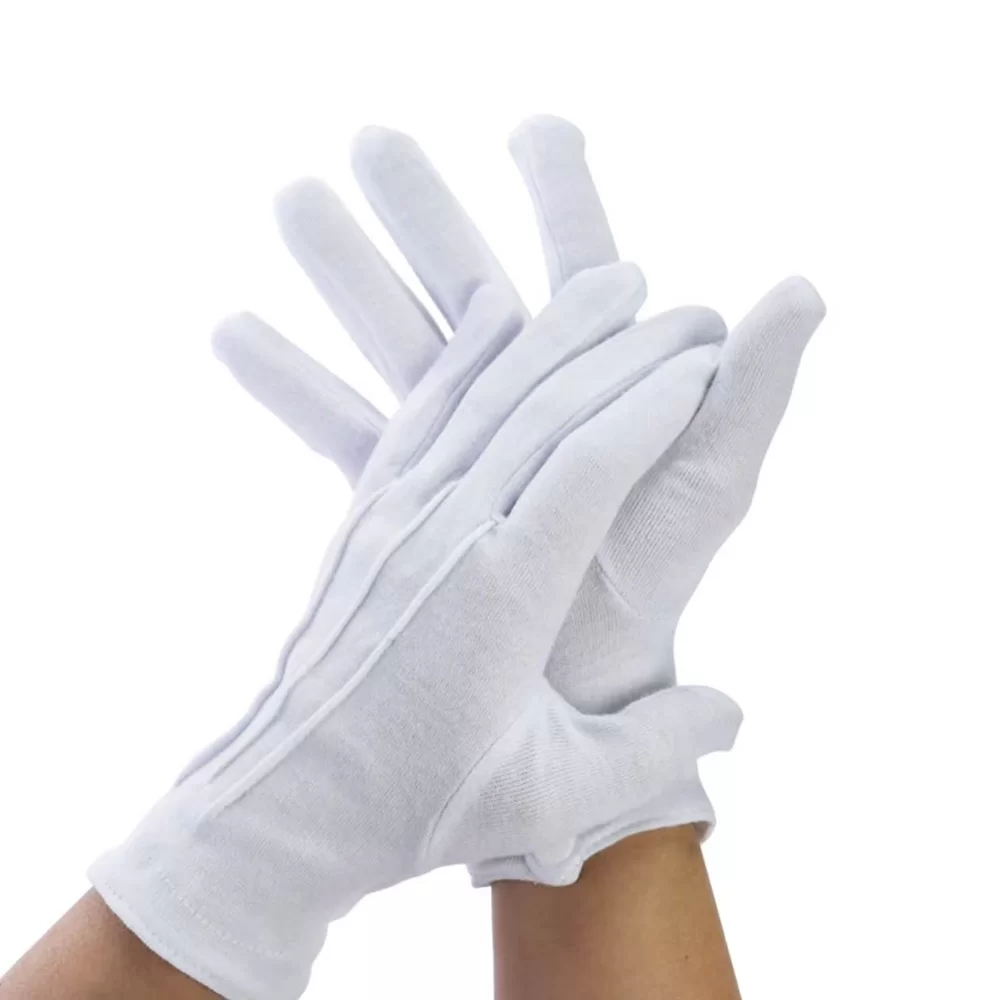
A Comprehensive Guide to Gloves for Cleaning Utensils: Benefits, Materials, and Global Use
Gloves for Cleaning Utensils: Essential Tools for Hygiene and Safety
When we talk about gloves for cleaning utensils, it might seem straightforward — just protective gear to keep your hands safe while washing dishes, right? But honestly, their role is far bigger and globally significant. These gloves are vital in safeguarding health, ensuring hygiene standards in homes, restaurants, healthcare facilities, and even humanitarian settings. Understanding their importance helps us appreciate how a simple item can impact health safety, environmental care, and economic efficiency worldwide.
Global Context: Why Gloves for Cleaning Utensils Matter
Globally, foodborne illnesses caused by contaminated utensils affect millions annually and carry high economic costs — the World Health Organization estimates over 600 million people fall ill each year. In this light, gloves for cleaning utensils play a crucial role in breaking contamination chains. The ISO quality standards for personal protective equipment (PPE) have focused on improving glove materials and designs to enhance their protective qualities. Notably, in developing regions where sanitary conditions might be challenging, access to quality gloves is a key factor in preventing disease outbreaks.
Oddly enough, even with advanced cleaning technologies, we still heavily rely on gloves to minimize direct contact with contaminants and harsh cleaning agents, which often contain chemicals that pose health risks to skin. Hence, the global demand for these gloves is rising steadily, especially in sectors like food service, healthcare, and disaster relief.
What Exactly Are Gloves for Cleaning Utensils?
Put simply, they are protective hand coverings designed to shield skin from detergents, hot water, grease, and microbes encountered while washing dishes, pots, pans, and other kitchen tools. These gloves vary from basic rubber gloves found in homes to heavy-duty industrial-grade gloves used in hospitals and food factories. Their design often includes textured palms for grip and various levels of thickness for durability and flexibility.
In the modern industry spectrum, these gloves tie into broader PPE usage, a cornerstone of workplace safety mandated by international bodies like OSHA and WHO. Also, humanitarian aid organizations rely heavily on gloves during post-disaster sanitation efforts to reduce infection transmission.
Key Factors in Choosing Gloves for Cleaning Utensils
1. Material Composition
Common materials include latex, nitrile, vinyl, and neoprene. Latex offers excellent flexibility but may cause allergies for some users. Nitrile gloves resist chemicals better and provide good durability, making them popular for industrial uses. Vinyl is cheaper but less durable. Neoprene is often used in extreme environments. Material choice affects user safety and comfort dramatically.
2. Durability and Thickness
Durability is crucial if gloves are used extensively or with abrasive utensils. Thickness determines protection but also impacts dexterity. For cleaning utensils, a balance is important — gloves must resist tearing while allowing tactile sensitivity for detailed cleaning tasks.
3. Chemical Resistance
Cleaning detergents and sanitizers can be harsh. Gloves must withstand exposure to these chemicals without breaking down, which protects both the user and preserves glove integrity during reuse.
4. Grip and Texture
Wet utensils are slippery, and good grip can prevent accidents. Gloves often feature textured fingers or palms; some even use advanced patterns inspired by natural surfaces that improve surety of hold.
5. Size and Comfort
Fit is more than convenience — ill-fitting gloves reduce effectiveness and user compliance. Gloves tailored to different hand shapes and sizes improve prolonged use comfort, reducing hand fatigue.
Mini takeaway: The best gloves for cleaning utensils balance material, durability, comfort, and chemical resistance—tailored to the user’s environment and needs.
Global Applications and Who Benefits Most
- Food Service Industry: Restaurants, catering services, and food processing plants rely on gloves to ensure hygiene and compliance with food safety regulations worldwide.
- Healthcare Facilities: Beyond medical gloves, cleaning staff use heavy-duty gloves to decontaminate utensils and surfaces in sterile conditions.
- Domestic Households: Everyday kitchen cleaning involves gloves to protect skin and reduce exposure to allergens or bacteria.
- Humanitarian Disaster Relief: In disaster zones, NGOs equip workers with gloves to safely sanitize utensils amid challenging sanitary conditions.
- Industrial and Manufacturing Plants: Some plants use specialized gloves for cleaning complex machinery parts that might involve oils or strong solvents.
For example, during the 2010 Haiti earthquake relief operations, gloves were crucial for volunteers cleaning and distributing cooking utensils under unsanitary conditions. In Southeast Asia’s food markets, vendors consistently rely on durable gloves for cleaning to avoid contaminations.
Product Specification Comparison Table
| Feature | Latex Gloves | Nitrile Gloves | Vinyl Gloves |
|---|---|---|---|
| Chemical Resistance | Moderate | High | Low |
| Durability | Good | Very Good | Fair |
| Comfort & Fit | Excellent | Good | Adequate |
| Allergy Risk | High | Low | None |
| Typical Usage | Household, Food Prep | Industrial, Medical | Short-term, Low Risk |
Advantages and Long-Term Value of Using Gloves for Cleaning Utensils
When you invest in quality cleaning gloves, you’re not just protecting your hands; you’re ensuring safer food handling and preserving health. Gloves reduce skin irritation from harsh chemicals, minimize infection risk from cross-contamination, and promote a hygienic environment — especially critical in food preparation and healthcare.
From a sustainability viewpoint, some manufacturers now offer recyclable or biodegradable gloves, aligning with global eco-conscious trends. This adds social value, letting users trust that their choice promotes both health and environmental protection.
On a more human note, gloves can restore dignity to workers in challenging environments, offering comfort and safety that contribute to morale and productivity. Oddly enough, such small things can foster trust between customers and service providers, who notice attention to cleanliness and care.
Vendor Comparison Table: Industry Leaders in Cleaning Gloves
| Vendor | Material Options | Customization | Target Industry | Sustainability Initiatives |
|---|---|---|---|---|
| HMD Glove Co. | Latex, Nitrile, Vinyl | Custom sizes, textures, prints | Foodservice, Healthcare, Industrial | Biodegradable options, reduced packaging |
| SafeHands Ltd. | Nitrile, Neoprene | Limited customization | Industrial, Medical | Carbon offset manufacturing |
| EcoGuard Gloves | Natural rubber, recycled materials | No customization | Household, Garden | 100% recyclable and compostable |
Future Trends & Innovations
Industry experts foresee an exciting future for gloves used in cleaning utensils. We’re seeing innovations like antimicrobial coatings integrated into glove surfaces to reduce pathogen transfer. Smart gloves embedded with sensors could monitor chemical exposure and wear levels in real-time — quite futuristic but not far off.
Sustainability remains a big push; bio-based polymers replacing synthetic materials, zero-waste supply chains, and enhanced recyclability are hot topics. The digital transformation of supply chains also means gloves can be tailored and delivered more efficiently than ever.
Challenges & How We Overcome Them
Challenges include latex allergies, the environmental impact of disposable gloves, and ensuring glove compliance among users. Solutions involve developing hypoallergenic materials, promoting reusable glove options where safe, and user education.
Manufacturers and procurement managers often collaborate to test glove combinations best suited to specific work environments. And frankly, user feedback loops are vital since gloves need to fit real hands, not just specs on paper.
FAQ About Gloves for Cleaning Utensils
- What type of gloves is best for frequent utensil cleaning?
- For frequent cleaning, nitrile gloves provide an excellent balance of durability and chemical resistance without the allergy risks of latex. They allow for prolonged use while protecting skin from detergents.
- Can gloves be reused safely when cleaning utensils?
- It depends. Disposable gloves are typically single-use to avoid contamination. However, some heavy-duty cleaning gloves can be rinsed and reused if handled hygienically. It's best to follow manufacturer's guidelines.
- Are vinyl gloves safe against strong dishwashing detergents?
- Vinyl gloves have limited chemical resistance and can degrade quickly if frequently exposed to strong detergents. They are more suitable for light cleaning tasks or short-term use.
- How do I choose the right glove size for comfort?
- Measure the circumference of your hand just below the knuckles (excluding the thumb) and compare it with the vendor’s size chart. A snug but not tight fit offers optimal comfort and dexterity.
- Where can I find biodegradable gloves for cleaning utensils?
- Several manufacturers now offer biodegradable gloves made from natural rubber or bio-polymers. For example, HMD Glove Co. has a range of eco-friendly options.
Conclusion: Why Gloves for Cleaning Utensils Are More Than Just Protective Gear
In essence, gloves for cleaning utensils serve as frontline defenders against contamination and skin damage, with ripple effects on health, safety, and sustainability worldwide. Whether you’re a home cook, a hospital worker, or part of a relief organization, choosing the right gloves is fundamental. It’s worth investing in quality, comfort, and eco-conscious options as these simple tools have profound, lasting benefits.
To explore a wide range of gloves tailored for cleaning utensils and more, visit our trusted partner at https://www.hmdglove.com and find your perfect fit today.
Final takeaway: A good cleaning glove is more than protection — it’s a trust builder in every clean, every meal, every helping hand.
- World Health Organization: Food Safety Fact Sheet
- Wikipedia: Personal Protective Equipment
- ISO Standards for PPE