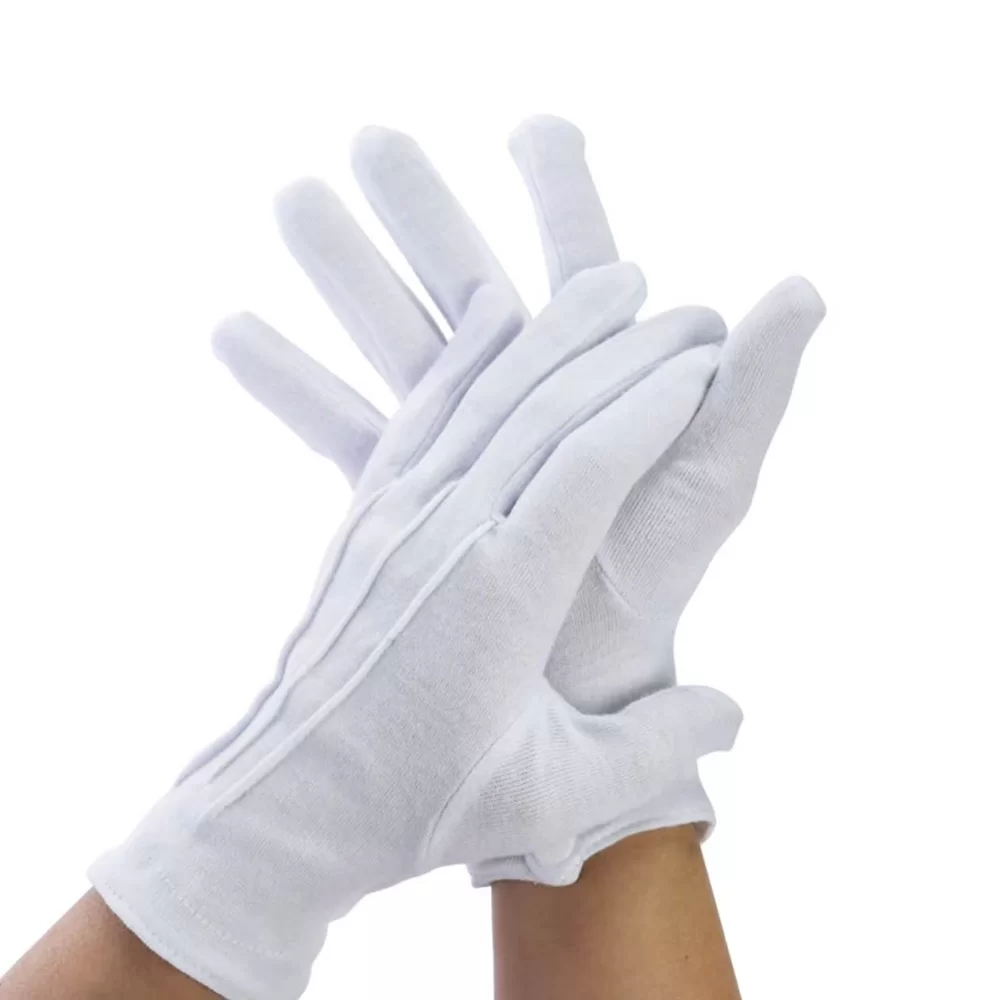
Durable & Eco-Friendly Dish Hand Gloves for Hygienic Kitchen Use
Dish Hand Gloves: Small Tools, Big Global Impact
At first glance, dish hand gloves might seem like just another kitchen accessory—something you toss on while washing dishes or scrubbing stubborn pots. But zoom out, and these gloves play surprisingly pivotal roles across industries, humanitarian efforts, and sustainability initiatives worldwide. From protecting frontline workers in disaster zones to reducing the environmental footprint of commercial kitchens, understanding dish hand gloves gives you insight into a deceptively technical, yet essential, product category.
The Global Context: Why Dish Hand Gloves Matter
The global hand protection market, which includes dish hand gloves, is expected to surpass $8 billion in the next few years according to reports by ISO and the World Bank. Why? Because dish hand gloves protect delicate skin against harsh detergents, thermal extremes, and biological contaminants—issues that affect billions of domestic workers and industrial operators worldwide. In regions where clean water is scarce, or where work is done in rough conditions, these gloves reduce injury rates and promote hygiene, thereby impacting public health on a surprisingly broad scale.
For example, post-disaster relief camps frequently rely on disposable or durable dish hand gloves to maintain sanitation during food preparation—helping prevent disease outbreaks tied to poor hand hygiene.
Mini takeaway:
Dish hand gloves are more than household aids; they are a crucial tool in hygiene and hand safety worldwide.
What Exactly Are Dish Hand Gloves?
Simply put, dish hand gloves are protective gloves designed primarily to shield hands during dishwashing and cleaning tasks. Usually made from latex, nitrile, or PVC, they balance flexibility with barrier protection against hot water, chemicals, grime, and rough surfaces. Think of them as your hand’s personal armor in the kitchen, but with enough dexterity to feel the difference between a fragile glass and a heavy pan.
In industrial or humanitarian settings, these gloves often connect to broader safety protocols, ensuring workers can engage in cleaning, sorting, or preparatory food tasks without risking infections or chemical burns. Their ergonomic design frequently blends with industry norms like ISO 374 for chemical resistance and ASTM standards for puncture resistance.
Mini takeaway:
They’re the unsung heroes of hand safety and hygiene, blending material science with practical functionality.
Key Aspects of Dish Hand Gloves You Should Know
1. Durability and Chemical Resistance
Gloves have to withstand repeated exposure to detergents, oils, and hot water. Nitrile gloves, for example, are often preferred for their superior chemical and puncture resistance compared to latex, which some users also find itchy or allergenic.
2. Dexterity and Comfort
No one wants clumsy fingers in the kitchen. Good dish hand gloves let you grip slippery dishes securely without feeling bulky or sweaty. Some come with cotton linings to wick moisture; others have textured palms to improve grip.
3. Reusability and Environmental Impact
The debate between disposable vs reusable gloves is more than just cost-based. Many eco-conscious consumers are shifting toward reusable, biodegradable gloves — especially as plastic pollution draws more attention globally.
4. Cost and Accessibility
Affordability impacts adoption in emerging markets profoundly. Bulk orders and government subsidies sometimes make high-grade gloves available in areas they’re needed most.
5. Compliance with Safety Standards
Different jobs demand varying levels of glove certification. Those used in food prep typically have to pass FDA regulations, while industrial gloves adhere to ISO or ANSI standards.
| Specification | Typical Range / Value |
|---|---|
| Material | Nitrile, Latex, PVC |
| Thickness | 0.12 mm - 0.35 mm |
| Chemical Resistance | Excellent for detergents, oils; moderate for solvents |
| Puncture Resistance | ISO level 2-4 (varies by glove) |
| Size Range | S, M, L, XL |
| Usage Duration | Reusable models: weeks to months; disposable: single-use |
Mini takeaway:
Choosing the right glove is a balance of material performance, comfort, and budget.
Where Dish Hand Gloves Shine Globally
From congested urban kitchens in Europe to remote relief centers in Southeast Asia, dish hand gloves pop up in unexpected places.
- Healthcare and Sanitation: Hospitals use these gloves when cleaning instruments or kitchens—to minimize cross-contamination.
- Food Service Industry: Commercial restaurants depend on them to keep hygiene on point while tackling massive dish loads.
- Disaster Response: NGOs distribute gloves to displaced communities for safe meal prep and disease prevention, notably after floods or earthquakes.
- Household Use: The most obvious one — protecting millions from detergent burns and bacteria in everyday chores.
In particular, places struggling with water quality issues find dish hand gloves invaluable. They form a physical barrier when hand washing dishes risks infection, among other contaminants present in some water sources.
Mini takeaway:
Dish hand gloves bridge everyday comfort with global hygiene, especially where resources are limited.
The Real Benefits Behind Dish Hand Gloves
Beyond shielding hands from grime, they deliver a slew of benefits that ripple outward:
- Cost-Saving: Preventing skin injuries saves healthcare costs and sick days.
- Sustainability: Modern gloves are evolving towards eco-friendlier materials, reducing landfill waste.
- Social Impact: Empowering workers, especially women in domestic roles, with protective equipment promotes dignity at work.
- Innovation: Advances in texture and fit have made gloves that don’t compromise dexterity.
- Reliability: Certified gloves reassure users they’re safe from chemical burns or infections.
Mini takeaway:
Dish hand gloves blend practical safety with deeper social and environmental value.
Emerging Trends and Innovation to Watch
Frankly, it’s an overlooked niche—but innovation is brewing:
- Biodegradable Gloves: Made from natural latex or plant-based polymers to minimize waste.
- Smart Materials: Gloves incorporating sensors to alert for contamination or breaches.
- Custom Fit & Design: 3D scanning for bespoke glove sizes—especially for sensitive skin users.
- Automation-Friendly: Gloves designed to work with kitchen robots or industrial dishwashers.
- Advanced Certifications: Compliance with upcoming ISO standards focused on environmental impact.
Mini takeaway:
The future dish hand gloves might just be smarter, greener, and more personalized than ever before.
Challenges & How the Industry Is Tackling Them
Not everything’s perfect—issues persist:
- Material Allergies: Latex sensitivity remains a barrier for many users.
- Disposable Waste: Single-use gloves contribute to plastic pollution, especially in developing countries.
- Cost vs Quality: High-quality gloves sometimes cost prohibitively in low-income markets.
- Durability Limits: Even reusable gloves degrade over time—potentially creating false security.
To overcome these, manufacturers are innovating materials (e.g., nitrile or neoprene blends), improving recycling programs, and working with NGOs to subsidize access in needy regions.
Dish Hand Gloves Vendors: A Quick Comparison
| Vendor | Material Specialty | Eco-friendliness | Average Price per Box | Best For |
|---|---|---|---|---|
| HMD Glove Co. | Nitrile & latex blends | High (biodegradable options) | $12 - $18 (100 gloves) | Commercial kitchens, hospitals |
| EcoHand Solutions | Natural latex | Very High (plant-based polymers) | $15 - $22 | Disaster relief, environmentally conscious users |
| SafeShield Inc. | PVC coated | Moderate | $10 - $14 | Budget conscious, heavy-duty users |
FAQ: Frequently Asked Questions About Dish Hand Gloves
What materials are best for dish hand gloves to avoid allergies?
Nitrile gloves are typically recommended for those with latex allergies. They offer excellent chemical resistance and are durable, making them a great alternative. Those with sensitive skin should also look for gloves with cotton linings or hypoallergenic coatings.
Can dish hand gloves be reused safely?
Reusable gloves, usually thicker rubber types, can last weeks or months if properly washed and stored. However, disposable gloves are designed for single use to prevent contamination and should be discarded after each task.
Are biodegradable dish hand gloves as durable as traditional ones?
Biodegradable gloves have improved significantly but may not yet match the tensile strength of synthetic nitrile or PVC gloves. They tend to be ideal for light to moderate tasks, especially in environmentally sensitive contexts.
How do I choose the right size for maximum comfort?
Gloves that are too tight can cause hand fatigue, and those too loose may reduce dexterity. Checking manufacturer size charts and, if possible, trying before buying helps ensure a good fit. Many brands offer sizes from Small to Extra Large.
Where can I buy quality dish hand gloves in bulk?
Many distributors such as HMD Glove Co. offer bulk purchasing options with different grades and materials. NGOs and commercial clients often negotiate for volume discounts or custom orders.
In Closing: Why Dish Hand Gloves Still Deserve Your Attention
Dish hand gloves do carry a kind of simple charm—safeguarding the tiny frontline between human skin and a messy, often hazardous world. They’re practical, sure, but also symbolic of progress in worker safety and environmental consciousness globally. Whether you’re a chef juggling dinner rush or an aid worker in a flood zone, the right pair of dish hand gloves can make a world of difference.
Curious to explore more options or need expert advice? Visit https://www.hmdglove.com and find gloves that fit your needs, budget, and vision for a safer future.