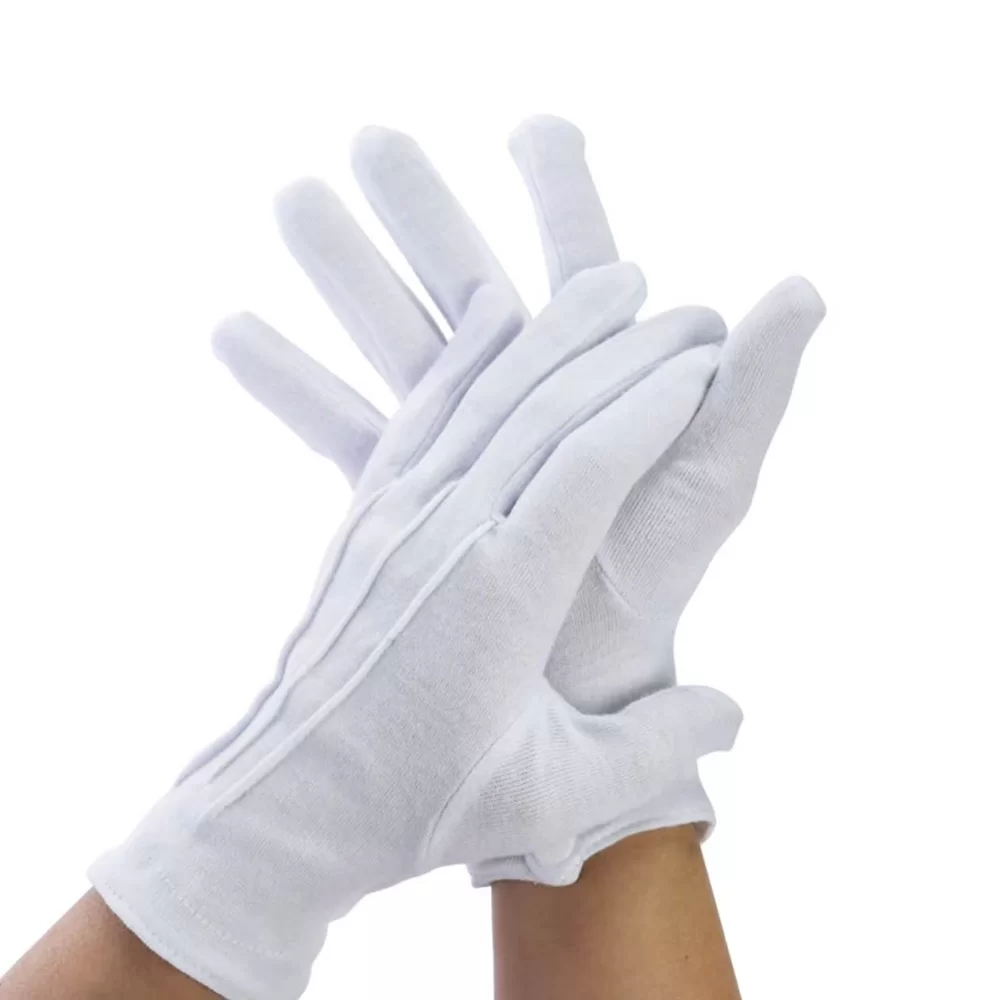
Durable and Eco-Friendly Dish Rubber Gloves for Your Kitchen & Industry
Understanding Dish Rubber Gloves: A Simple Yet Vital Kitchen Essential
If you've ever scrubbed a stubborn pan or washed dishes after a big family dinner, you probably know the difference a good pair of dish rubber gloves can make. But beyond the kitchen sink, these gloves play a surprisingly important role globally, in industries, healthcare, and even humanitarian aid. Their practical benefits extend far beyond just keeping wet hands dry.
In this article, we'll take a close look at what dish rubber gloves are, why they matter worldwide, and how their design and materials impact daily tasks and professional uses alike.
Why Dish Rubber Gloves Matter Globally
At first, it might sound a bit funny — rubber gloves made for doing dishes? But consider this: globally, over 70% of households regularly handle food cleaning and dishwashing tasks (source: UN Food Security Report). For many, especially in developing countries or healthcare settings, reliable protection is crucial against harsh cleaning chemicals and harmful bacteria.
Additionally, industries like food processing, janitorial services, and laboratories count on these gloves to meet hygiene standards set by ISO 22000, minimizing contamination risk. Problems like skin irritation, accidental infections, and poor glove durability can lead to serious downtime or health risks.
So the challenge here is clear: we need dish rubber gloves that combine safety, comfort, and environmental responsibility — used daily by millions worldwide.
What Exactly Are Dish Rubber Gloves?
Put simply, dish rubber gloves are hand coverings made from natural or synthetic rubber designed to protect the skin while washing dishes or working with water and cleaning agents. Their features usually include waterproofing, chemical resistance, good tactile sensitivity, and durability.
Historically, gloves like these evolved from heavy industrial use, but now you find them in millions of kitchens. Modern manufacturing balances flexibility, thickness, and ergonomic fits. There's also a humanitarian angle: organizations providing clean water and hygiene kits often include gloves to prevent disease transmission in vulnerable communities.
Key Features of Dish Rubber Gloves
1. Durability and Tear Resistance
Good dish gloves must resist tearing despite frequent scrubbing and stretching. Many models use layered rubber or enhanced latex blends for longer life. Durability means fewer replacements and less waste—a key sustainability factor.
2. Chemical Safety
Gloves are often exposed to detergents, bleach, and even oils. The rubber type chosen affects how well the glove resists degradation and protects delicate skin. For example, nitrile and neoprene gloves excel in chemical resistance but cost a little more.
3. Comfort and Fit
Stretchiness, thickness, and textured grips matter for usability. Oddly, a bad-fitting glove can make washing dishes feel like a chore instead of a breeze. Breathability also reduces sweating inside the glove.
4. Eco-Friendly Materials
Today, many consumers look for biodegradable or sustainably sourced rubber products. Natural latex sourced from responsibly managed rubber trees is popular, although synthetic variants offer longer shelf-life and consistent quality.
How Dish Rubber Gloves Are Used Around the World
In many households—in Europe, Asia, the Americas—wearing gloves during dishwashing protects against dryness and chemicals. In industrial kitchens or hotels, staff wear high-grade gloves for hygiene compliance.
Beyond kitchens, humanitarian organizations often distribute these gloves along with hygiene kits after floods or disasters, for example. In rural clinics, they’re vital in preventing infection during routine clinic cleaning or food prep support.
| Specification | Standard Range | Notes |
|---|---|---|
| Material | Natural latex, Nitrile, Neoprene | Latex is flexible, synthetic resists chemicals better |
| Length | 12-16 inches (30-40 cm) | Longer varieties prevent forearm exposure |
| Thickness | 0.3-0.5 mm | Balance between sensitivity & protection |
| Texture | Smooth, embossed palm/finger grips | Enhances grip on wet or slippery items |
| Color Options | Yellow, green, white, blue | Often color-coded by use/size |
Mini takeaway: Whether it’s the thickness or the chemical resistance, every part of dish rubber gloves matters — even the color sometimes.
A Quick Comparison of Leading Dish Rubber Glove Vendors
| Brand | Material | Durability | Price (per dozen) | Eco Credentials |
|---|---|---|---|---|
| GlovePro Secure | Natural Latex | High | $20 | Certified sustainable sources |
| SafeTouch Nitrile | Nitrile | Very High | $28 | Partly recyclable |
| EcoWear Latex | Natural Latex | Medium | $18 | 100% biodegradable |
| GripGuard Plus | Neoprene blend | High | $25 | Limited eco info |
The Long-Term Value of Dish Rubber Gloves
Many people underestimate how dish rubber gloves contribute to health and sustainability. These gloves reduce skin dryness, lower dermatitis cases in dishwashers, and prevent contamination during food prep and cleaning. For families, they mean less time nursing irritated hands. For companies, fewer sick days and compliance with hygiene laws.
On an emotional note, think about the dignity they grant. Wearing protection while cleaning industrial, medical, or humanitarian sites empowers workers to do their jobs safely and confidently. It’s about trust in your gear—oddly enough, that moisture barrier really does offer peace of mind.
Looking Ahead: Innovations in Dish Rubber Gloves
We’re seeing new eco-friendly materials entering the scene—plant-based polymers that biodegrade more quickly and avoid allergenic compounds like ammonia. Smart gloves with sensors to alert wearers of chemical breaches are also in development. Though niche now, these innovations hint at a future where dish gloves merge safety, sustainability, and even digital tech.
Automation in glove manufacturing also improves quality consistency—meaning fewer defective pairs reaching consumers—while certification standards tighten globally to ensure safer products.
Challenges and How They’re Being Tackled
Despite advances, challenges remain. Allergic reactions to latex can limit options for some users, while disposal of synthetic gloves contributes to plastic waste. Also, some gloves lack the fit or tactile sensitivity needed for intricate tasks.
Solutions often involve switching to nitrile or neoprene for allergy-sensitive users, and pushing manufacturers toward recyclable designs. Plus, expert users suggest “glove layering” or alternating between gloves to reduce discomfort and wear.
FAQ: Your Dish Rubber Gloves Questions Answered
- Q: What’s the best type of dish rubber glove for sensitive skin?
- A: Nitrile gloves are often recommended since they are latex-free and less likely to cause allergies. Look for powder-free varieties for extra comfort.
- Q: How long do dish rubber gloves typically last?
- A: With regular household use, good-quality gloves last 3-6 months, but heavy or industrial usage may wear them out faster due to chemicals and abrasion.
- Q: Can dish rubber gloves be recycled?
- A: Most synthetic rubber gloves aren’t widely recyclable yet, though programs exist in some regions. Natural latex gloves are biodegradable, which helps reduce landfill impact.
- Q: Are colored gloves just for looks or functional?
- A: Colors can indicate glove material, size, or usage purpose — for example, blue for food-safe, yellow for heavy-duty cleaning.
- Q: How do I clean and maintain my dish rubber gloves?
- A: Rinse in cool water after use, avoid rough chemicals on the glove surface, and hang to dry inside out. Store away from direct sunlight to extend lifespan.
Mini takeaway: As you see, understanding your dish rubber gloves extends to fit your comfort, use, and sustainability preferences.
Summary: Why Investing in Good Dish Rubber Gloves Pays Off
It might seem like a small kitchen purchase, but quality dish rubber gloves make a big difference in safety, sustainability, and comfort. Recognizing their role in households, industries, and humanitarian efforts worldwide shows how essential these gloves really are. Their design continues evolving for better hand protection and environmental impact.
If you want to upgrade your dishwashing experience or ensure your workplace meets the highest hygiene standards, don’t hesitate. Visit dish rubber gloves to explore a variety of quality options tailored for your needs.