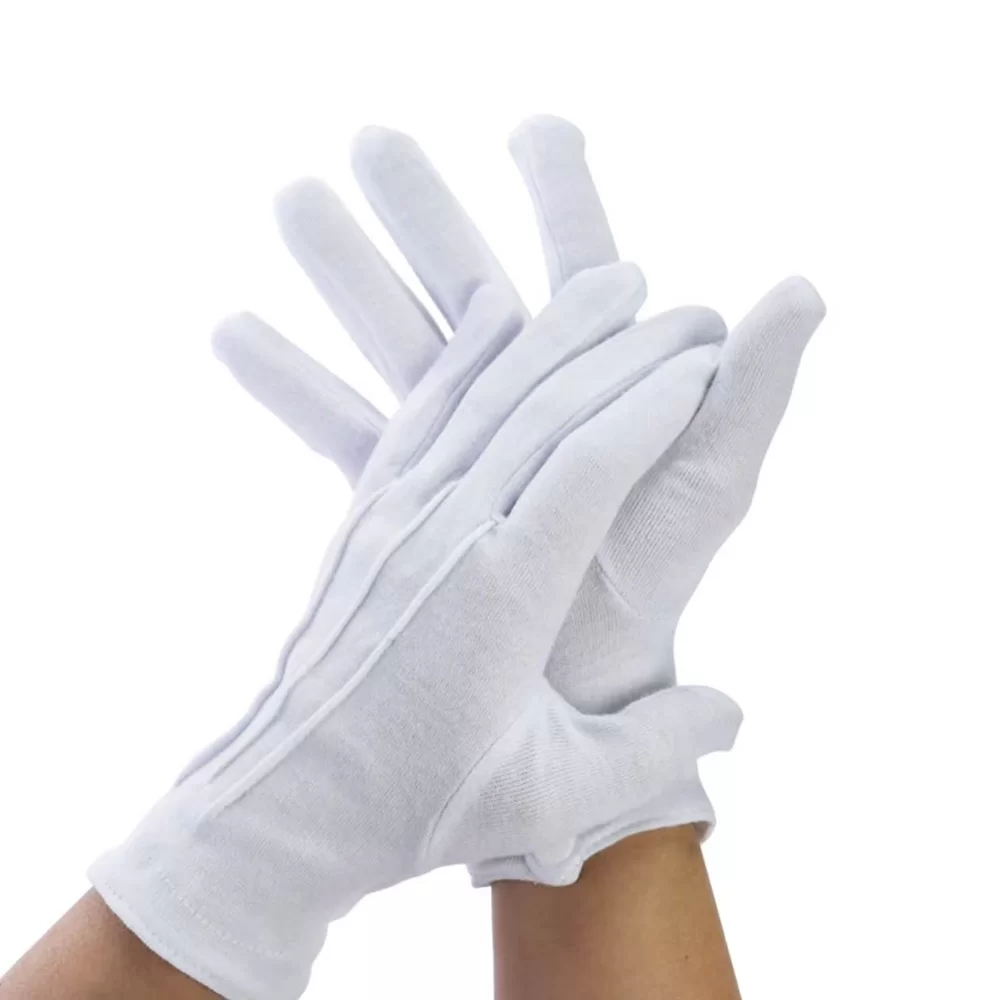
Discover High-Quality Dish Gloves Small for Perfect Fit & Protection
Understanding Small Dish Gloves: Why Size Really Does Matter
If you’ve ever struggled with gloves that don’t fit quite right while doing dishes, you already get the frustration small dish gloves aim to fix. But beyond personal convenience, dish gloves small hold a surprisingly big role across industries, humanitarian efforts, and daily life worldwide. In a world increasingly focused on hygiene, sustainability, and safety, having the right fit — especially for hands on the smaller side — is more than a nicety; it’s fundamental.
Global Context: The Big Picture of Small Gloves
Globally, dish gloves small aren’t just popular with petite hands—in fact, the market responds to an often overlooked need. According to data from the World Health Organization, hand hygiene is critical in curbing infectious diseases, especially in healthcare and food-service settings.1 Plus, the UN highlights that reducing chemical exposure in households and workplaces improves public health.2 But here’s the catch: ill-fitting gloves can reduce dexterity, increase contamination risk, and wear out faster.
Put simply, smaller dish gloves truly matter because they help ensure safety, efficiency, and comfort, minimizing waste and protecting users from harsh detergents and pathogens.
Mini takeaway: Global hygiene and chemical safety standards demand gloves that actually fit—and small dish gloves fill this gap perfectly.
What Exactly Are Small Dish Gloves?
Dish gloves small are protective gloves specifically designed to fit smaller hand sizes — typically women and young adults, but also anyone with petite hands needing snug dexterity, comfort, and protection. They're usually made from rubber, latex, nitrile, or vinyl, providing a barrier against water, chemicals, and heat during dishwashing or cleaning tasks.
More than just kitchen accessories, these gloves intersect with industries ranging from hospitality and healthcare to humanitarian aid—where hand hygiene and chemical protection remain critical — yet one size fits all rarely works. The smaller size enhances grip, reduces hand fatigue, and prevents tears more effectively for users with smaller hands.
Mini takeaway: Small dish gloves aren’t just a “nice to have,” but a necessary adaptation reflecting diverse hand sizes and industrial hygiene demands.
Key Features That Define the Best Small Dish Gloves
1. Durability
It sounds obvious, but durability is king. The best dish gloves small are made to withstand frequent exposure to detergents, hot water, and rough scrubbing without cracking or degrading quickly. Many manufacturers integrate reinforced fingertips or thicker palms, balancing strength with flexibility.
2. Fit and Comfort
Fit goes beyond just “small.” It’s about the glove’s contour adapting to smaller fingers, avoiding excess loose material that hinders grip. Comfort includes breathability and minimizing latex allergies—which is why nitrile and silicone blends have become quite popular.
3. Chemical Resistance
Modern dishwashing often involves harsh detergents and even disinfectants. Small dish gloves must resist chemicals without losing elasticity or becoming permeable — especially crucial in healthcare or food prep scenarios.
4. Eco-Friendly Materials
Oddly enough, today’s gloves must answer sustainability challenges, too. Some small glove models now use biodegradable or reusable materials, reducing environmental impact without sacrificing protection.
5. Texture and Grip
Look for gloves with textured surfaces—fingertips or palms—to prevent slipping. This detail reduces accidents and improves washing efficiency, especially when handling slippery dishes or delicate glassware.
Typical Specifications for Small Dish Gloves
| Specification | Details |
|---|---|
| Sizes | XS (6), S (7), Small-Medium mix |
| Materials | Natural latex, nitrile, vinyl |
| Length | 12–14 inches (for wrist to mid-forearm) |
| Thickness | 4–7 mil (mil = thousandth of an inch) |
| Grip | Textured fingertips or palms |
| Allergy Considerations | Latex-free options available |
How Small Dish Gloves Are Used Around the World
From home kitchens in Europe to bustling street vendor stalls in South East Asia, the demand for well-fitting dish gloves small is truly global. Let’s break down some major use cases:
- Hospitality Industry: Hotels and restaurants value small dish gloves for kitchen staff with smaller hands. Enhanced comfort improves work efficiency during long shifts.
- Healthcare Settings: Nurses and caregivers sometimes prefer smaller gloves for delicate tasks involving cleaning instruments or assisted hygiene.
- Humanitarian Aid: NGOs distributing hygiene kits in disaster zones often include small dish gloves to cover diverse hand sizes, ensuring inclusivity and protection. In post-disaster relief, preventing infection is paramount.
- Household Use: Smaller dish gloves appeal to people who find standard gloves bulky or uncomfortable, which—oddly—results in increased glove usage and safer cleaning habits.
Mini takeaway: Across continents and contexts, small dish gloves bridge the gap between protection and usability—helping people do their cleaning safer and with less hassle.
Advantages & Long-Term Value of Choosing Small Dish Gloves
So why invest in small dish gloves rather than generic sizes?
- Cost Efficiency: A better fit means longer glove life—no stretching or early tearing—saving money over time.
- Increased Safety: Reduced risk of liquid and chemical ingress through better sealing and snug fit.
- Social Impact: Ensuring gloves come in sizes that actually fit respects workers’ dignity and promotes inclusion.
- Sustainability: Durable small gloves mean fewer replacements, reducing waste. Some brands focus on biodegradable materials, further lowering environmental footprint.
Emotionally, a glove that fits well makes you feel protected and taken care of—which, frankly, counts for something when you’re scrubbing pots at midnight.
Recent Innovations Shaping the Future of Small Dish Gloves
Industry-wide, we see exciting developments shaping small dish gloves. For instance:
- Smart Gloves: Embedded sensors to track usage and detect tears (still early stage, but promising for quality control).
- Eco-Materials: New latex alternatives sourced from sustainable plantations, or gloves incorporating recycled rubber.
- Digital Custom Fit: Some suppliers use 3D scanning to produce custom-fit gloves for industrial clients, and this could trickle down to consumer-level small dish gloves.
- Enhanced Texture Design: Nano-scale surface treatments improve grip without making gloves thicker or less flexible.
Challenges & How the Industry Is Addressing Them
Despite gains, some pain points remain:
- Latex Allergies: Latex gloves still dominate price-wise but cause allergic reactions for many users. The solution: wider availability of high-quality nitrile or silicone small gloves.
- Sizing Standardization: “Small” can vary widely by brand or region, causing confusion. Industry groups are pushing for standard measurement charts and labels.
- Durability vs. Flexibility: Striking the right balance is tricky. Some gloves sacrifice comfort for toughness, or vice versa.
Some companies respond with mid-range gloves and customizable options. It feels like the future is heading toward more user-friendly choices rather than “one-size-fits-many.”
Small Dish Gloves Compared: Popular Vendors Side-by-Side
| Brand | Material | Latex-Free? | Price per Pair (USD) | Eco-Friendly Options |
|---|---|---|---|---|
| GloveCo | Natural Latex | No | $2.50 | No |
| SafeHands | Nitrile | Yes | $3.10 | Limited |
| EcoGrip | Biodegradable Rubber | Yes | $4.50 | Yes |
Frequently Asked Questions About Dish Gloves Small
Q1: Why should I choose small dish gloves instead of regular-sized ones?
A: Small dish gloves provide a snugger fit that improves grip, dexterity, and overall safety. Ill-fitting gloves can cause slippage, reduce protective coverage, and wear out faster, which is inefficient and potentially unsafe.
Q2: Are there latex-free options among small dish gloves for people with allergies?
A: Absolutely. Many brands offer small dish gloves made from nitrile or vinyl materials, which are latex-free and hypoallergenic, suitable for sensitive skin yet still robust for dishwashing tasks.
Q3: Can small dish gloves be eco-friendly?
A: Yes, some manufacturers produce biodegradable or recyclable small dish gloves. These use natural rubber or eco-conscious materials that break down faster post-use, reducing environmental impact.
Q4: How long do small dish gloves typically last?
A: Durability varies with material and usage. Generally, high-quality nitrile small dish gloves last longer and resist tears, especially if used exclusively for light dishwashing. Frequent heavy use might require monthly replacements.
Q5: Where can I buy reliable small dish gloves?
A: You can find a selection online at specialized suppliers or industrial vendors, including dish gloves small. Look for trusted brands with clear sizing charts and material transparency.
In Conclusion: Small Dish Gloves, Big Impact
While they might seem like a small detail, dish gloves small fill an important niche in safety, comfort, and environmental responsibility worldwide. Choosing the right fit keeps hands healthier, tasks easier, and the planet a bit happier.
Looking for your perfect pair? Visit our website to browse quality small dish gloves tailored to your needs—and maybe find yourself wondering why you ever settled for “one-size-fits-all” in the first place.
References:
1. World Health Organization, Hand Hygiene Factsheet, 2023
2. United Nations, Chemical Safety Report, 2022
3. ISO 11193-1:2018 — Single-use medical examination gloves — Specification