Discover How Disinfecting Gloves Revolutionize Infection Control | HMD Glove
Understanding Disinfecting Gloves: A Small Innovation with Huge Global Impact
Gloves that don’t just protect your hands but actively disinfect them—sounds like a bright idea, right? The concept of disinfecting gloves has gained some serious traction lately, especially given how the world has been obsessed with hygiene and contamination control. Beyond just blocking contaminants, these gloves aim to neutralize microbes on contact. It’s a subtle, but profound leap in personal protective equipment which has major implications for healthcare, food safety, and even disaster relief operations worldwide.
Why does it matter? In a world where infections spread swiftly and sometimes stealthily—think pandemics or hospital-acquired infections—disinfecting gloves act as an extra line of defense. And as industries and humanitarian agencies strive to protect their workers and beneficiaries, understanding these gloves’ design and benefits becomes crucial.
Global Context: Why Disinfecting Gloves Are More Relevant Than Ever
From bustling urban hospitals in Europe to drought-stricken villages in Africa, the push for reducing infection transmission is universal. The World Health Organization estimates that healthcare-associated infections affect hundreds of millions globally each year, with some costing billions in healthcare spending and lost productivity.
Governments and organizations have grown increasingly serious about infection control protocols; remarkably, the global glove market is expected to exceed $12 billion by 2026, with a good chunk being gloves that are not just barriers but actors in fighting microbes. According to the International Organization for Standardization (ISO), incorporating antimicrobial features in protective equipment improves safety standards substantially.
However, challenges around effectiveness, cost, and sustainability abound—hence the focus on gloves that disinfect. They address the often-hidden problem of contamination spread through surface contact on gloves themselves, a thorny issue especially in fast-paced industries.
So, What Exactly Are Disinfecting Gloves?
Simply put, disinfecting gloves are gloves embedded or coated with antimicrobial agents that actively destroy or inhibit pathogens such as bacteria, viruses, and fungi on their surface. Unlike traditional gloves, which merely block contaminants, these go the extra mile in sanitizing the glove surface throughout use.
Imagine healthcare workers not having to worry about every touch transferring germs from glove to patient or food handlers ensuring a safer meal prep environment. The gloves’ technology links neatly with modern hygiene protocols and emerging industry demands for more resilient and “smart” PPE.
Mini Takeaway:
- Disinfecting gloves combine barrier protection with active pathogen elimination.
- They address cross-contamination risks often overlooked in traditional gloves.
- This technology fits well with global trends towards smarter, more effective personal protective gear.
Core Components That Make Disinfecting Gloves Effective
1. Durability and Material Composition
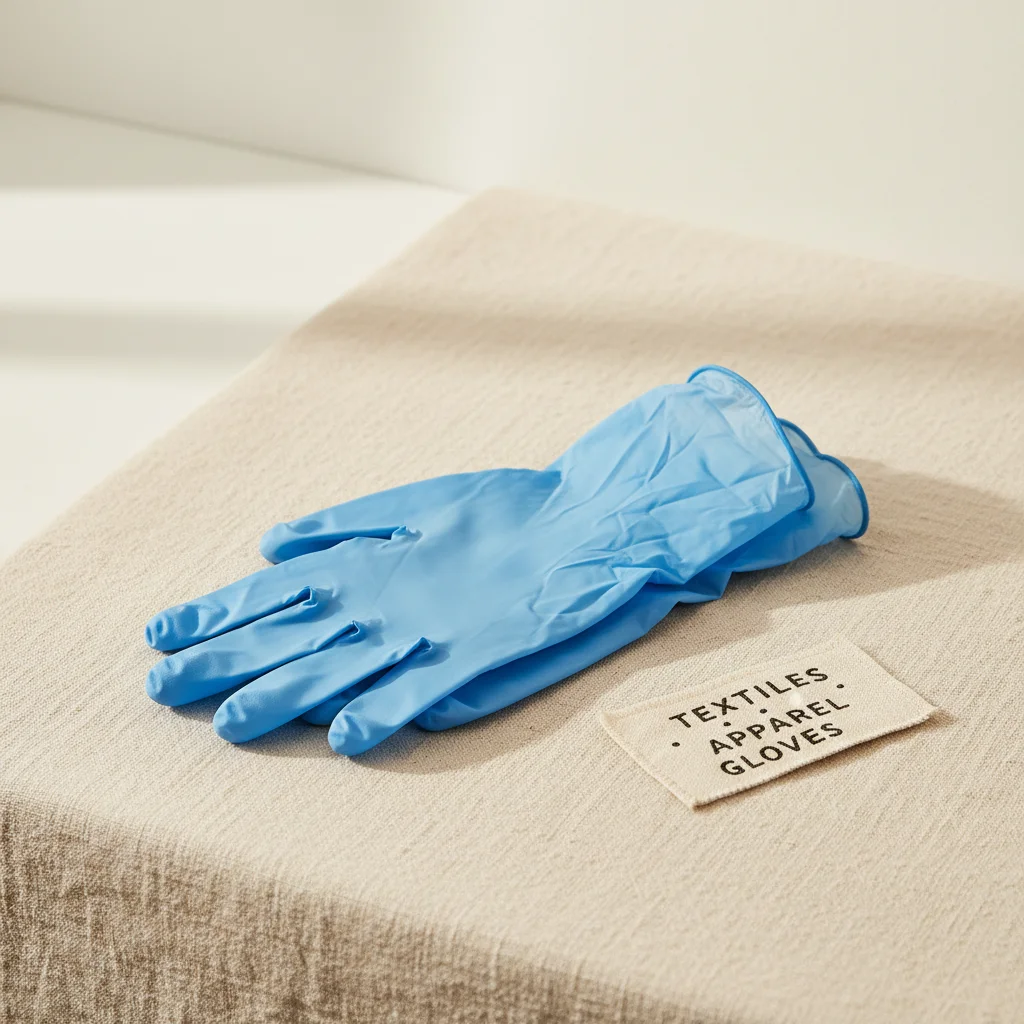
Most disinfecting gloves use nitrile or latex as the base, prized for flexibility and strength. The real magic, though, lies in incorporating agents like silver nanoparticles or quaternary ammonium compounds, which have proven antimicrobial effects. The material choice balances durability with the capacity to host these agents without breaking down prematurely.
2. Scalability and Manufacturing
Mass producing gloves with antimicrobial properties requires precise coating or embedment techniques, often via spray applications or chemical bonding during polymerization. Scalable processes keep costs manageable, making these gloves accessible beyond elite clinics to frontline humanitarian responders or food processors in emerging economies.
3. Cost Efficiency Over Time
At first glance, these gloves might seem pricier than standard disposables. However, their ability to reduce contamination-related incidents translates to savings in sterilization, medical treatment, and labor. In many sectors, that hidden cost is a tipping point in choosing disinfecting gloves over regular ones.
4. Safety and Comfort
Since workers often wear gloves for extended periods, comfort is a priority. Manufacturers incorporate ergonomic designs alongside hypoallergenic materials, ensuring these gloves are breathable yet maintain their disinfecting properties. That’s a tricky balance where both innovation and human factors matter.
5. Regulatory Compliance
Meeting international standards like ISO 22196 for antimicrobial activity or FDA approvals for medical use ensures these gloves aren’t just buzzworthy but practical and trustworthy for critical applications.
Mini Takeaway:
- Effective disinfecting gloves hinge on carefully selected materials and antimicrobial agents.
- Manufacturing methods must support large-scale, cost-effective production without compromising safety.
- Comfort and regulatory compliance are non-negotiable for sustained use.
How Disinfecting Gloves Are Changing Real-World Practices
Industries worldwide have begun to capitalize on these gloves for various tasks:
- Healthcare Settings: Hospitals in Europe and North America use these gloves to reduce hospital-acquired infections, particularly during surgeries or patient examinations.
- Food Processing and Service: Facilities in Southeast Asia and Latin America deploy gloves that prevent microbial spread during food handling, protecting consumers and workers alike.
- Disaster Relief and Humanitarian Aid: In post-disaster zones, such as those affected by floods or earthquakes, relief workers rely on these gloves to maintain hygiene amid challenging conditions with limited sanitation access.
- Industrial and Remote Worksites: Oil rigs or mining outfits in Australia and Africa implement them to shield workers from contaminants while reducing the need for frequent glove changes.
One notable example: In a 2022 relief operation following flood devastation in Bangladesh, teams equipped with disinfecting gloves reported a 40% decrease in cross-contamination cases compared to standard gloves, significantly aiding infection control.
Mini Takeaway:
- Disinfecting gloves offer measurable improvements in infection control across varied environments.
- Their adoption spans continents and industries, reflecting universal hygiene concerns.
- Practical case studies underscore their value in emergency and industrial contexts.
The Advantages and Long-Term Value of Disinfecting Gloves
Beyond the immediate cleanliness factor, these gloves offer multiple layers of benefits:
- Cost Savings: Reducing contamination means lower downstream treatment costs and fewer staff sick days.
- Sustainability: Some gloves use biodegradable polymers and environmentally friendly antimicrobial compounds, aligning with eco-conscious procurement policies.
- Social Impact: Safer working conditions foster trust and dignity, which is critical for morale in healthcare and aid work.
- Innovation and Trust: Institutions adopting these gloves signal their commitment to cutting-edge safety solutions, reinforcing public confidence.
Frankly, I’ve noticed that in workshops and hospitals where these gloves are in use, staff express a certain peace of mind, knowing their hands—often the instruments of care—aren’t unwitting disease vectors.
Looking Ahead: Trends and Innovations Shaping Disinfecting Gloves
Materials science keeps pushing boundaries—expect to see:
- Green Antimicrobial Agents: Moving beyond silver, new plant-based bioactives promise effective disinfection without ecological trade-offs.
- Smart Gloves: Embedded sensors capable of notifying wearers when the glove needs replacement or sterilizing could revolutionize safety.
- Automation in Manufacturing: Robotics and AI help optimize coating applications for consistent antimicrobial performance at scale.
- Policies Promoting PPE Upgrades: International bodies like the UN encourage adoption of such innovations in humanitarian procurement guidelines.
Mini Takeaway:
- The disinfecting glove market is evolving fast with sustainability and tech integration at front.
- Emerging trends promise even safer and smarter PPE solutions for diverse sectors.
Common Challenges and Practical Solutions
Despite the promise, certain obstacles remain:
- Cost Barriers: Vendors balance quality with price; subsidies or bulk purchasing can ease costs.
- Material Sensitivities: Some users develop allergies; hypoallergenic formulations help mitigate this.
- Regulatory Hurdles: Compliance can slow product rollout; early engagement with certifiers accelerates approval.
- Disposal and Environmental Impact: Developing biodegradable or recyclable options reduces ecological footprint.
Experts advise ongoing R&D, stakeholder collaboration, and awareness drives to navigate these challenges effectively.
Product Specification Table
| Specification | Typical Value | Unit/Notes |
|---|---|---|
| Material | Nitrile with silver nanoparticles | — |
| Thickness | 0.15 – 0.2 | mm |
| Antimicrobial Activity | >99.9% reduction of bacteria | According to ISO 22196 |
| Shelf Life | 3 years | Stored in cool, dry conditions |
| Size Range | S, M, L, XL | Customizable |
Vendor Comparison Table
| Vendor | Materials | Antimicrobial Method | Price (per 100 pcs) | Certifications |
|---|---|---|---|---|
| SafeGlove Co. | Nitrile | Silver nanoparticle coating | $45 | ISO 22196, FDA |
| BioShield Ltd. | Latex | Quaternary ammonium compounds | $40 | ISO 22196, CE |
| EcoHands | Biodegradable polymer blend | Plant-based antimicrobials | $50 | ISO 22196, FDA, Environmental Certification |
Got Questions? FAQ on Disinfecting Gloves
- Q: How long do disinfecting gloves remain effective during use?
- A: Typically, disinfecting gloves maintain active antimicrobial properties throughout a standard single-use period, around 4-8 hours depending on activity level. However, gloves should always be changed between tasks to prevent cross-contamination.
- Q: Are disinfecting gloves safe for people with latex allergies?
- A: Many manufacturers now produce nitrile-based disinfecting gloves, which are latex-free and hypoallergenic. Always check product labeling if you have skin sensitivities.
- Q: Can disinfecting gloves replace handwashing?
- A: No, they are a supplementary tool. Proper hand hygiene remains essential even when using disinfecting gloves to minimize infection risks effectively.
- Q: Are these gloves environmentally friendly?
- A: Some brands offer biodegradable or recyclable disinfecting gloves with eco-friendly antimicrobials, but most standard ones remain disposable. Consider options based on your environmental priorities.
Wrapping Up: Why Disinfecting Gloves Deserve Your Attention Today
Disinfecting gloves aren’t just a niche innovation; they’re becoming a vital asset in our global fight against infection spread. They blend comfort, science, and practicality in a way that traditional gloves simply cannot match. For industries ranging from healthcare to food production and humanitarian aid, they deliver measurable safety and cost benefits that add up over time.
If you’re interested in exploring this promising technology and upgrading your hygiene protocols, take a moment to check out the latest designs and offerings at disinfecting gloves. Trust me, you’ll want to stay ahead in this evolving landscape.
Stay safe, stay smart, and never underestimate the power of a well-engineered glove.