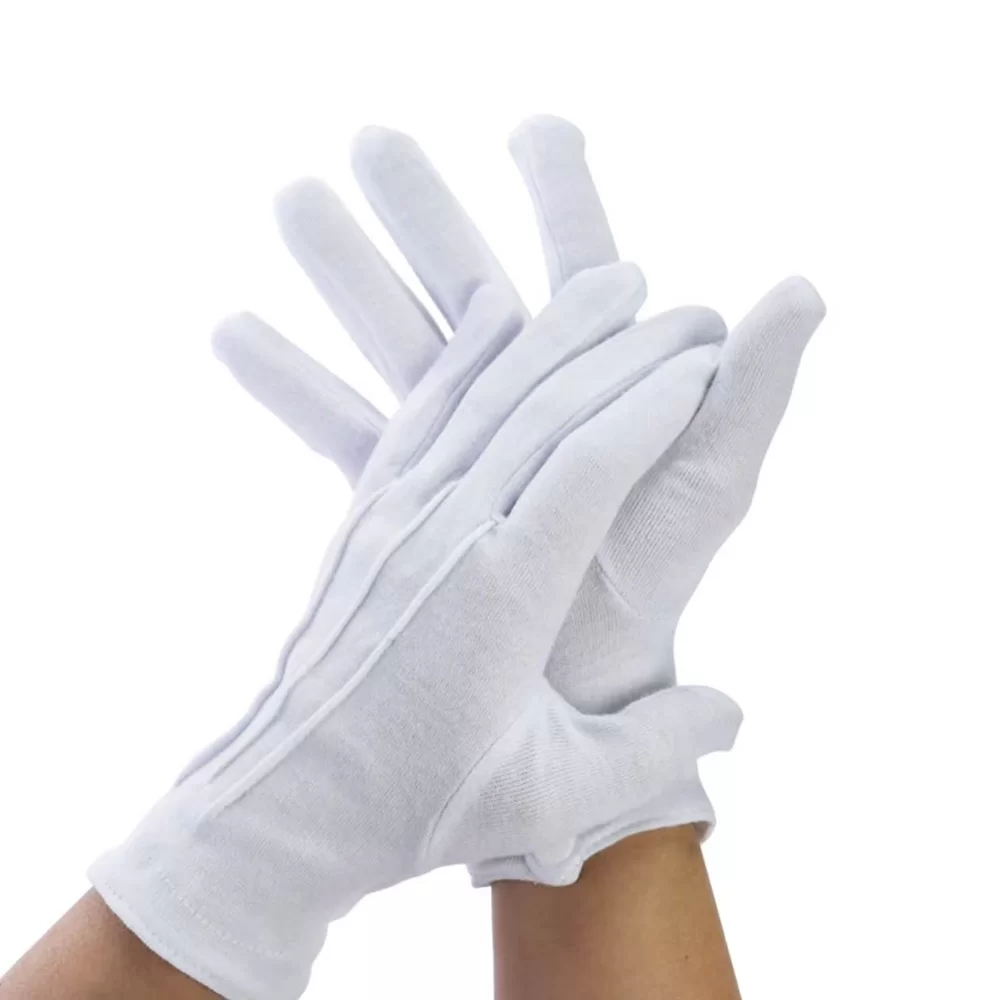
Discover Durable and Eco-Friendly Dish Cleaner Gloves for Every Need
Why Dish Cleaner Gloves Matter More Than You Think
At first glance, dish cleaner gloves might seem like a humble, everyday household item — a rubbery barrier between your hands and sudsy water. But look beyond the kitchen sink, and you’ll see these gloves play a surprisingly big role globally. They're vital in industries, healthcare settings, humanitarian relief, and even environmental cleanup efforts. Understanding their design, use, and evolving innovations unlocks benefits in safety, sustainability, and cost-efficiency we often overlook.
Introduction: A Global Perspective on Dish Cleaner Gloves
Did you know that an estimated 20 billion gloves are used worldwide each year across all industries? According to the World Health Organization, gloves help reduce contamination risks, while the International Organization for Standardization (ISO) has set standards to ensure safety and durability. Dish cleaner gloves form a niche, yet essential category ensuring hands stay protected in wet environments—whether at home, in hospitals, or in large-scale catering operations.
However, a challenge persists: many gloves on the market are disposable, generate waste, or have poor durability, raising environmental and economic concerns. The demand for gloves that balance protection, eco-friendliness, and comfort is growing, and dish cleaner gloves are evolving accordingly.
What Exactly Are Dish Cleaner Gloves?
Simply put, dish cleaner gloves are handheld protective gear usually made from rubber, latex, nitrile, or silicone that protect skin from hot water, detergents, and chemicals during dishwashing and other wet tasks. Unlike medical gloves, they emphasize durability and reusability over disposability. In modern industries and humanitarian efforts—think food service or field hospitals—these gloves help maintain hygiene and prevent cross-contamination, while offering some chemical resistance.
Why They Matter in Industry and Humanitarian Fields
Beyond the kitchen, dish cleaner gloves often double as hand protection in environments where minimal chemical contact and water resistance are needed. In refugee camps, disaster relief zones, and temporary kitchens, they provide a first line of defense against infectious diseases. Simply put, these gloves help save hands and lives.
Core Components of Effective Dish Cleaner Gloves
1. Durability
One of the trickiest things is balancing thickness with flexibility. Too thin, and the glove tears easily; too thick, and dexterity suffers. Many engineers say 0.3 to 0.5 mm thickness hits a good sweet spot for dish cleaner gloves. Durable gloves can last weeks or even months with the right care, avoiding the constant need to replace them.
2. Material Composition
Common materials include natural rubber latex, nitrile, and silicone. Latex offers great elasticity but can cause allergies; nitrile resists chemicals better but costs more; silicone is soft and heat-resistant but less common. Innovative blends now aim to provide hypoallergenic options with enhanced grip.
3. Comfort & Fit
Many overlook glove comfort until their hands start sweating or chafing. Modern gloves feature textured palms and wrist cuffs to prevent slipping and water ingress. Sizing matters too—too loose feels sloppy, too tight restricts movement.
4. Chemical & Heat Resistance
Though primarily for dishwashing, these gloves often face exposure to detergents, oils, and occasionally hot water above 50°C (122°F). Testing standards like ISO 374 ensure gloves can withstand common household chemicals without degradation.
5. Environmental Impact
With growing awareness of plastic pollution, many dish cleaner gloves now incorporate biodegradable materials or offer recycling programs. It feels like a small change but collectively, it’s huge.
Dish Cleaner Gloves in Action: Real World Applications
- Household kitchens: Of course, the most common use is washing dishes and general cleaning, preventing skin dryness and chemical burns.
- Hospitality Industry: Restaurants, catering events, and large kitchens rely heavily on gloves to maintain hygiene and protect staff from harsh cleaning agents.
- Healthcare Facilities: Although medical gloves dominate here, dish cleaner gloves are sometimes used in non-clinical cleaning settings to protect staff from contaminants.
- Disaster Relief: In post-disaster zones, NGOs distribute gloves to shelters and kitchens for safe hygiene practices—critical in preventing disease outbreaks.
- Industrial Maintenance: Workers handling light chemical cleaning or water-based tasks in factories rely on these gloves for hand safety.
Oddly enough, in regions like Southeast Asia or parts of Africa, where water treatment practices are still evolving, dish cleaner gloves help frontline workers avoid infections caused by contaminated water.
Dish Cleaner Gloves: Advantages and Long-Term Value
From the user’s perspective, these gloves offer:
- Cost savings: Reusable gloves reduce frequent purchases and waste.
- Protection: Shielding hands from irritants, heat, and bacteria.
- Sustainability: New eco-friendly options cut down landfill waste.
- Comfort & confidence: When your hands feel safe and dry, it improves productivity and morale.
On a broader scale, improved glove standards foster trust in hygiene protocols, a subtle but important contribution to public health, especially during outbreaks or seasonal illnesses.
Product Specifications at a Glance
| Specification | Typical Value | Remarks |
|---|---|---|
| Material | Latex / Nitrile / Silicone | Varies by style, allergy considerations |
| Thickness | 0.35 - 0.5 mm | Balance between grip & durability |
| Length | 33 - 45 cm | Longer cuffs for wrist protection |
| Grip | Textured palm/fingers | Prevents slips in wet conditions |
| Temperature Resistance | Up to 80°C (176°F) | Suitable for most dishwashing tasks |
Comparing Top Vendors of Dish Cleaner Gloves
| Vendor | Material Options | Price Range (per dozen) | Eco-Friendly Line | Main Market |
|---|---|---|---|---|
| HMD Gloves | Latex, Nitrile | $15–$25 | Yes | Retail & Industrial |
| EcoClean Gear | Biodegradable synthetic rubber | $22–$35 | Yes (Fully compostable) | Green consumer products |
| SafeHands | Nitrile, Silicone blend | $18–$28 | Limited | Healthcare & Food service |
Looking Ahead: The Future of Dish Cleaner Gloves
Raw material innovation is a big trend. Manufacturers explore algae-based rubbers, biodegradable polymers, and low-impact dyes to reduce environmental footprints. Automation is also creeping in — from better manufacturing to AI-driven quality control ensuring fewer defective pairs reach you, the end-user. Some brands are even integrating smart sensors into gloves to detect chemical exposure — wild, but practical in industrial kitchens or labs.
Challenges That Persist and How Experts Solve Them
One obvious snag? There’s no one-size-fits-all glove. Skin allergies, job specifics, and personal preferences require variety — that’s costly and complex. Also, many gloves degrade rapidly if misused or stored improperly. Some companies are addressing this by offering glove care kits and clearer usage instructions. Plus, the price-to-value ratio can confuse consumers — cheaper gloves might save bucks upfront but cost more over time.
FAQ: Your Dish Cleaner Gloves Questions Answered
Q1: How long do dish cleaner gloves typically last?
A1: Well-maintained gloves last anywhere from 2 weeks to 3 months depending on frequency of use, material, and care. Nitrile gloves usually outlast latex.
Q2: Can dish cleaner gloves protect against strong chemicals?
A2: They’re designed mainly for mild detergents and water-based chemicals. For harsh solvents or acids, specialized gloves are recommended.
Q3: Are dish cleaner gloves recyclable?
A3: Some brands now offer recyclable or biodegradable glove options, but most traditional ones require special disposal due to material composition.
Q4: What should I consider when buying gloves for sensitive skin?
A4: Look for hypoallergenic, latex-free options such as nitrile or silicone, and check for dermatological certifications.
Q5: How do I clean and store reusable dish cleaner gloves?
A5: Rinse thoroughly after use, air-dry inside out, and store in a cool, dry place away from sunlight to extend lifespan.
Conclusion: Why Invest in Quality Dish Cleaner Gloves?
Quality dish cleaner gloves aren’t just a small kitchen convenience. They offer protection, sustainability, and confidence worldwide—from household chores to critical humanitarian programs. The blend of durability, comfort, and design innovation means your hands—and the planet—benefit in the long run. Curious to explore the latest in high-performance dish cleaner gloves? Visit https://www.hmdglove.com and see what fits your needs today.
1. World Health Organization. Gloves in Healthcare Settings. (2022).
2. ISO 374: Protective gloves against dangerous chemicals and microorganisms. (2021).
3. United Nations Environment Programme. Plastic Waste & Recycling Strategies. (2023).