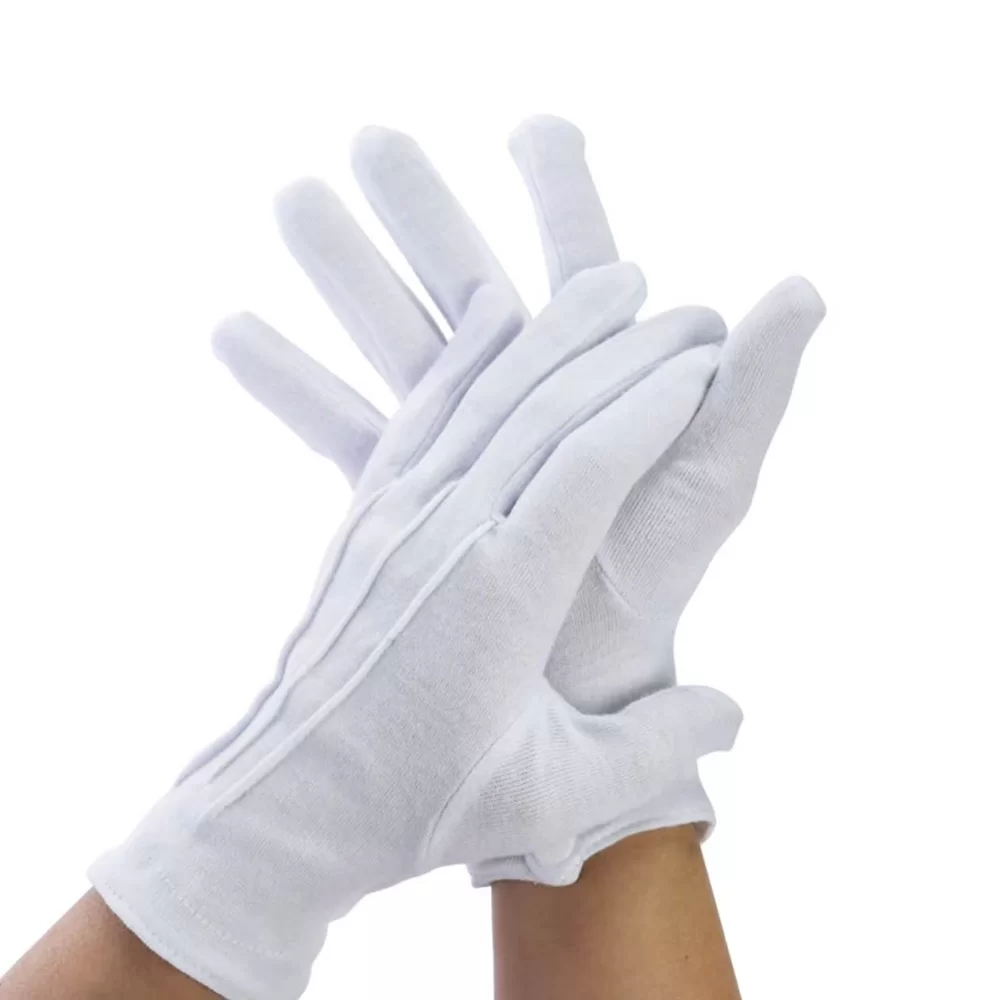
Clean Surgical Gloves – Essential Protection for Healthcare Worldwide | HMD Glove
The Critical Role of Clean Surgical Gloves in Modern Healthcare
In an era where global health systems are under constant pressure—from pandemics to aging populations—the humble clean surgical glove quietly plays a vital role in protecting lives. But what makes these gloves so essential beyond the obvious visual in operating rooms? Understanding clean surgical gloves isn’t just about sterility; it’s about safety, sustainability, and innovation meeting human touch. Globally, millions rely on these gloves daily, whether at a bustling urban hospital or a remote humanitarian medical camp. Knowing their impact and technology helps us appreciate the layers of care that go unnoticed but are fundamental to preventing infections and ensuring dignity in healthcare.
Why Clean Surgical Gloves Matter on a Global Scale
Worldwide, healthcare-associated infections (HAIs) affect hundreds of millions of patients annually, claiming hundreds of thousands of lives and costing billions in extra medical treatment. According to the World Health Organization (WHO), proper use of clean surgical gloves can drastically reduce cross-contamination and infections during medical procedures. Oddly enough, despite their seeming simplicity, clean surgical gloves embody a frontline defense that can break the chain of infection transmission.
Yet, global disparities exist. The World Bank reports that low-to-middle income countries struggle with consistent access to quality surgical gloves, leading to higher infection rates and greater risks for healthcare workers. This stark challenge pushes us to rethink quality standards, supply chain resilience, and affordable access — making clean surgical gloves not just a medical device but a humanitarian asset.
What Exactly Are Clean Surgical Gloves?
Simply put, clean surgical gloves are specially manufactured gloves designed to provide a sterile, barrier-protective layer during surgical or invasive medical procedures. Unlike regular gloves, these are produced under stringent conditions to minimize microbial contamination, are individually packed, often powder-free to reduce irritation, and meet rigorous regulatory standards such as ISO 13485 or ASTM guidelines.
They act as the invisible shield that prevents bacteria or viruses in the environment or on healthcare workers’ hands from entering patients’ bodies — a critical factor in modern surgery, emergency response, and even forensic processes. Beyond hospitals, clean surgical gloves sometimes extend their reach to laboratories, pharmaceutical manufacturing, and even food safety applications.
Key Qualities That Define Reliable Clean Surgical Gloves
1. Sterility and Barrier Protection
This is the expected baseline—clean surgical gloves must be sterile and impermeable to pathogens and fluids. Manufacturing involves gamma or ethylene oxide sterilization, with quality control testing ensuring no pinholes or tears in the glove material.
2. Material Composition and Comfort
Latex, nitrile, and neoprene are typical materials used. Latex offers flexibility but may trigger allergies; nitrile is a popular latex alternative for sensitivity concerns, offering high puncture resistance; neoprene balances wear resistance and comfort. The glove’s thinness must not compromise protection but must ensure tactile sensitivity—a tricky design balance.
3. Durability Under Stress
In surgery, gloves can be stressed via instrument handling or prolonged wear. Resistance to tearing, punctures, and chemical exposure (like disinfectants) impacts their reliability. Many engineers say it's the reason many healthcare workers prefer nitrile blends.
4. Scalability & Supply Chain Reliability
Especially important in crisis situations or pandemics, scalable production means meeting sudden spikes in demand without compromising quality. The COVID-19 pandemic highlighted how critical supply chains for surgical gloves can be, exposing vulnerabilities.
5. Cost Efficiency Without Compromising Safety
Healthcare providers, especially in resource-constrained environments, balance cost with quality. Access to affordable, certified clean surgical gloves means broader coverage and safer conditions globally.
Product Specification Table: Examples of Standard Clean Surgical Glove Types
| Feature | Latex Glove | Nitrile Glove | Neoprene Glove |
|---|---|---|---|
| Material | Natural rubber latex | Synthetic nitrile | Synthetic neoprene |
| Thickness | 0.10 - 0.14 mm | 0.08 - 0.13 mm | 0.09 - 0.12 mm |
| Allergy Risk | Potential allergen | Hypoallergenic | Low allergy risk |
| Puncture Resistance | Moderate | High | Moderate to high |
| Typical Use | Surgery, general exam | Surgery, allergy-sensitive cases | Surgery, chemical handling |
Real-World Applications of Clean Surgical Gloves
The scope of clean surgical gloves reaches far beyond standard operating theaters. For instance, in disaster relief zones, NGOs rely heavily on a steady supply of sterile gloves to operate safely in makeshift clinics. Remote industrial zones also adopt these gloves to protect workers from chemical or biohazard exposures.
Take, for example, Médecins Sans Frontières (Doctors Without Borders), who in epidemic outbreaks deploy vast quantities of clean surgical gloves to ensure frontline workers stay safe while treating contagious diseases. Even forensic teams in crime scene investigations rely on powder-free sterile gloves to avoid contamination of evidence.
Regions with fragile health infrastructures in Sub-Saharan Africa or Southeast Asia most acutely feel the impact when access falters, leading to preventable infections.
Vendor Comparison: Leading Suppliers of Clean Surgical Gloves
| Vendor | Materials Offered | Sterilization Methods | Bulk Supply Capability | Typical Lead Time |
|---|---|---|---|---|
| HMD Glove Co. | Latex, Nitrile, Neoprene | Gamma, EO Sterilization | High (millions/month) | 2-4 weeks |
| MediSecure Ltd. | Nitrile, Vinyl | EO Sterilization | Moderate | 3-5 weeks |
| SafeTouch Global | Latex, Nitrile | Gamma Sterilization | High | 1-3 weeks |
The Tangible Benefits and Greater Value of Clean Surgical Gloves
In practical terms, clean surgical gloves reduce infection transmission rates and protect both patients and healthcare workers from pathogens. This translates directly into cost savings from avoided complications, shorter hospital stays, and better surgical outcomes. It's a trust thing—you can't afford a breach at the glove barrier.
From a social perspective, the presence of reliable clean surgical gloves preserves dignity and safety, especially in vulnerable populations or crisis zones. Emotionally, knowing that the gloves you wear are tested and certified fosters confidence in medical teams and patients alike.
Sustainability-wise, many manufacturers now integrate eco-friendly materials and biodegradable options, reducing medical waste impact while maintaining performance.
Emerging Trends and Innovations in Surgical Gloves
The industry is evolving. New materials derived from plant-based sources are entering the scene, promising reduced allergic reactions and environmental footprints. Digital tracking and RFID tagging of sterile gloves during packaging and supply chain management enable better inventory control and batch tracing.
Automation in manufacturing is reducing production errors, ensuring consistent quality, and ramping up scalability. Researchers are also experimenting with antimicrobial glove coatings to add additional protection against pathogens—potentially a game-changer for infection control.
Common Challenges and Expert Solutions
Despite progress, challenges persist. Supply chain disruptions (as seen during COVID-19) highlighted a heavy dependence on key regions. Material shortages and price volatility also complicate procurement.
To combat this, diversification of manufacturing bases and stockpiling strategies are gaining traction. On the technical side, improving the balance between durability and tactile sensitivity continues to demand research.
Some experts advocate for more widespread adoption of clean surgical gloves with clear certification standards to avoid counterfeit or sub-par products entering critical health settings.
FAQ: Your Top Questions About Clean Surgical Gloves
- Q: What differentiates clean surgical gloves from regular medical gloves?
A: Clean surgical gloves are sterile, individually packaged, and subject to stricter quality control to prevent contamination during invasive procedures, while regular medical gloves may not be sterile or intended for surgery. - Q: How long can clean surgical gloves be safely stored?
A: Typically, they have a shelf life of 3-5 years if stored in cool, dry conditions away from direct sunlight, but it’s best to check manufacturer labels. - Q: Are powder-free gloves better for surgical use?
A: Yes, powder-free gloves reduce the risk of irritation and contamination during surgery, making them preferred in most clean surgical contexts. - Q: Can I reuse clean surgical gloves after surgery?
A: No, surgical gloves are single-use and should be discarded immediately after each procedure to maintain sterility and effectiveness. - Q: How can hospitals ensure a steady supply of quality gloves?
A: Establishing relationships with reputable suppliers, maintaining inventory buffers, and monitoring usage trends help ensure uninterrupted access to clean surgical gloves.
Wrapping Up: Why Clean Surgical Gloves Will Always Be Essential
Looking ahead, it’s clear that clean surgical gloves will remain a cornerstone of infection control and medical safety worldwide. They are invisible heroes, quietly making a massive difference. Whether in high-tech hospitals or in remote clinics, their role is vital in safeguarding lives and dignity.
If you’re seeking reliable, certified clean surgical gloves that meet international standards and industry innovations, visit our website at https://www.hmdglove.com to discover our full range and expertise.