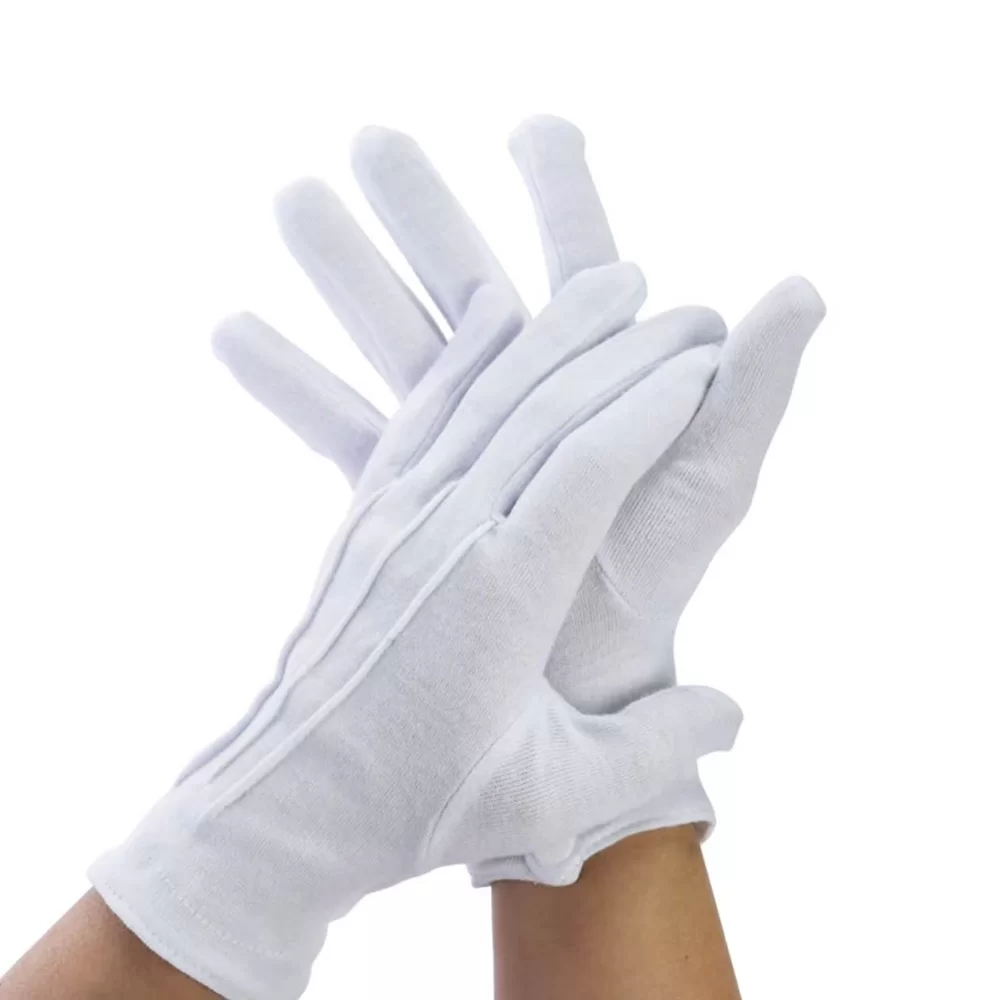
Clean Touch Gloves: Protecting Hygiene & Precision in Industry and Aid
What Are Clean Touch Gloves and Why Do They Matter?
Clean touch gloves might sound like a simple tool, but they represent a critical piece of the puzzle in modern hygiene, manufacturing, and humanitarian efforts worldwide. At their core, these gloves help prevent contamination while allowing workers, health practitioners, or aid responders to maintain dexterity and comfort. Globally, clean touch gloves bridge the gap between safety and productivity—two factors that are increasingly vital in a world aware of infection control, environmental standards, and operational efficiency.
Understanding clean touch gloves unlocks insights into how industries maintain sterile environments, protect workers, and streamline workflows. Whether you’re in food processing, electronics assembly, or emergency relief, the right glove can mean the difference between success and setback.
The Global Context of Clean Touch Gloves
Here’s a staggering figure: According to the United Nations, healthcare-associated infections affect hundreds of millions annually, costing global economies billions and leading to countless avoidable deaths. While gloves may seem basic, their role as a barrier is essential. The World Health Organization emphasizes strict PPE protocols, including gloves, to combat contamination.
However, it’s not just hospitals where clean gloves matter. ISO standards regulating hygiene in food manufacturing and electronics also mandate clean touch gloves. This demand has surged, especially during pandemics, pushing innovation and highlighting the limitations of conventional gloves. The main challenge? Delivering superb protection without compromising dexterity or adding environmental burdens.
Defining Clean Touch Gloves
Simply put, clean touch gloves are high-quality gloves designed to minimize contamination while allowing precise hand movement. Unlike regular gloves that might be bulky or prone to shedding particles, these gloves use specially selected materials and manufacturing processes that reduce contamination risks—vital for sensitive tasks.
In industrial or humanitarian contexts, clean touch gloves protect both the wearer and the product or recipient. Imagine an aid worker handling sterile medical supplies in a crisis zone or a technician assembling delicate electronics. Both scenarios demand gloves that meet exacting standards.
Core Aspects of Clean Touch Gloves
1. Material Quality
Most clean touch gloves are made from nitrile, latex, or vinyl—but not just any. The material must be free from additives that could cause allergies or contamination. Nitrile, for instance, offers chemical resistance and durability, making it popular in labs and manufacturing.
2. Barrier Protection
Gloves need to prevent the transfer of bacteria, oils, and particulates. Clean touch gloves often undergo rigorous testing, including microbial penetration tests. This isn’t just about durability—it’s the invisible shield that guards sterile zones.
3. Tactile Sensitivity
Without feeling clumsy or cumbersome, users must still handle tiny components. The gloves’ thinness coupled with elasticity is a tricky balance to achieve—but a game changer when done right.
4. Sustainability
Oddly enough, clean gloves have until recently been seen as disposable. But with new eco-materials and recycling programs emerging, sustainability is becoming a serious factor.
5. Fit and Comfort
Nobody likes stiff or ill-fitting gloves, especially during long shifts. Clean touch gloves focus on ergonomic design to reduce hand fatigue and improve compliance.
Typical Specifications of Clean Touch Gloves
| Specification | Details |
|---|---|
| Material | Nitrile / Latex / Vinyl (Powder-Free) |
| Thickness | 3–5 mil (75–125 microns) |
| Tensile Strength | >14 MPa (typical for nitrile) |
| Length | 240 mm (standard) |
| Powder | Powder-Free (reduces contamination) |
| Certification | ISO 11193-1 or FDA Compliant |
Who Uses Clean Touch Gloves and Why?
In real terms, clean touch gloves span a huge spectrum of users worldwide:
- Healthcare: From surgeons to nurses, clean gloves help prevent infection.
- Electronics: Assembly of microchips demands no dust or oil residue.
- Food Industry: Hygiene is paramount to avoid contamination.
- Humanitarian Aid: In disaster zones or refugee camps, sterile handling is crucial.
- Pharmaceuticals: From labs to production lines, clean gloves ensure product integrity.
For example, in Southeast Asia's rapidly expanding electronics hubs, many factories deploy clean touch gloves for their staff. This cut down product defects and boosted worker safety. Similarly, NGOs operating in challenging environments rely on gloves that protect aid workers while ensuring supplies remain germ-free—no small feat.
Advantages of Choosing High-Quality Clean Touch Gloves
- Cost-Efficiency: Fewer contamination-driven product rejects or infection outbreaks translate to long-term savings.
- Worker Safety & Comfort: Gloves designed for comfort reduce skin irritation and improve adherence to safety protocols.
- Environmental Impact: New biodegradable and recyclable gloves reduce landfill waste.
- Trust & Reliability: For industries where sterility means life or death, dependable gloves mean confidence.
Honestly, it feels like these gloves quietly support the entire chain—from raw materials to end-user experience. The right glove champions innovation while respecting human dignity and safety.
Emerging Trends in Clean Touch Gloves
The clean gloves landscape is evolving—fast. Expect to see:
- Advanced Materials: Nanofiber coatings that repel microbes or sensors that monitor glove integrity in real time.
- Automation-Friendly Designs: Gloves that interface with robotic systems, ensuring consistent quality while boosting productivity.
- Eco-Friendly Alternatives: Bio-based polymers and better recycling methods reducing environmental burden.
- Global Compliance Efforts: Stricter international standards pushing innovations in glove manufacture and workplace use.
Manufacturers and users are increasingly collaborating, pushing boundaries on what these seemingly simple products can achieve.
Common Challenges and How to Overcome Them
Clean touch gloves aren’t without issues:
- Fit Issues: Poor sizing leads to tears or discomfort. Solution? Custom sizing and better quality control.
- Environmental Concerns: Most gloves are still single-use plastic-based items. Innovations in materials and recycling are addressing this—but it's a slow journey.
- Supply Chain Fluctuations: Demand spikes can cause shortages—older stock may not meet standards. Transparent sourcing and diversified suppliers help.
- Cost Constraints: High-grade gloves cost more upfront, putting pressure on budgets. But the long-term benefits usually offset the initial spend.
With a cooperative approach—manufacturers, users, and regulators all aligned—the industry is steadily finding better ways.
Comparing Leading Clean Touch Glove Vendors
| Vendor | Material Focus | Key Benefits | Pricing (per 100 gloves) | Sustainability Initiatives |
|---|---|---|---|---|
| HMD Glove | Nitrile & Latex | Excellent fit, ISO certified, powder-free | $25–30 | Biodegradable packaging |
| SafeHands Co. | Vinyl & Nitrile blends | Affordable, durable, good tactile feel | $18–22 | Recyclable materials program |
| EcoGuard Gloves | Bio-polymer Nitrile | Green certified, hypoallergenic | $30–35 | Compostable gloves & packaging |
FAQ: Your Clean Touch Gloves Questions Answered
What are the main differences between nitrile and latex clean touch gloves?
Nitrile gloves offer superior chemical resistance and are typically preferred for healthcare and industrial use, especially where allergies to latex are a concern. Latex gloves provide better elasticity and comfort but can trigger allergic reactions in sensitive individuals. Both types can meet clean touch specifications if manufactured correctly.
How long can clean touch gloves be safely worn during a shift?
It depends on the application, but generally gloves should be changed frequently—at least once per task or every few hours—to prevent contamination and material degradation. Extended use can compromise barrier integrity, so protocols usually require changing gloves when damaged or soiled.
Are clean touch gloves environmentally friendly?
Traditionally, gloves are single-use plastics contributing to waste, but newer options incorporate biodegradable materials or recycling programs. Selecting gloves with eco-certifications and supporting manufacturers with green initiatives is the way forward.
Can clean touch gloves be used for food handling?
Absolutely. Many clean touch gloves meet stringent food safety standards and are designed to prevent contamination while offering tactile control, essential for delicate food preparation tasks.
Where can I buy reliable clean touch gloves online?
Reliable suppliers like HMD Glove provide high-quality, certified clean touch gloves. Always check certifications like ISO and FDA compliance before purchase.
In Conclusion: The Quiet Hero of Clean Workspaces
It might be easy to overlook the humble clean touch glove, but its role is undeniably profound. For industries, humanitarian missions, and healthcare settings worldwide, these gloves mean safer operations, fewer infections, and better outcomes. Investing in high-quality, well-fitted gloves not only protects people but also preserves trust and efficiency in critical environments.
If you’re ready to explore a range of premium, sustainable clean touch gloves, feel free to visit our website — your next project deserves nothing less.
Mini Takeaway
Clean touch gloves combine material science, ergonomic design, and safety protocols. They are essential tools that balance the needs for protection, precision, and sustainability in many fields today.