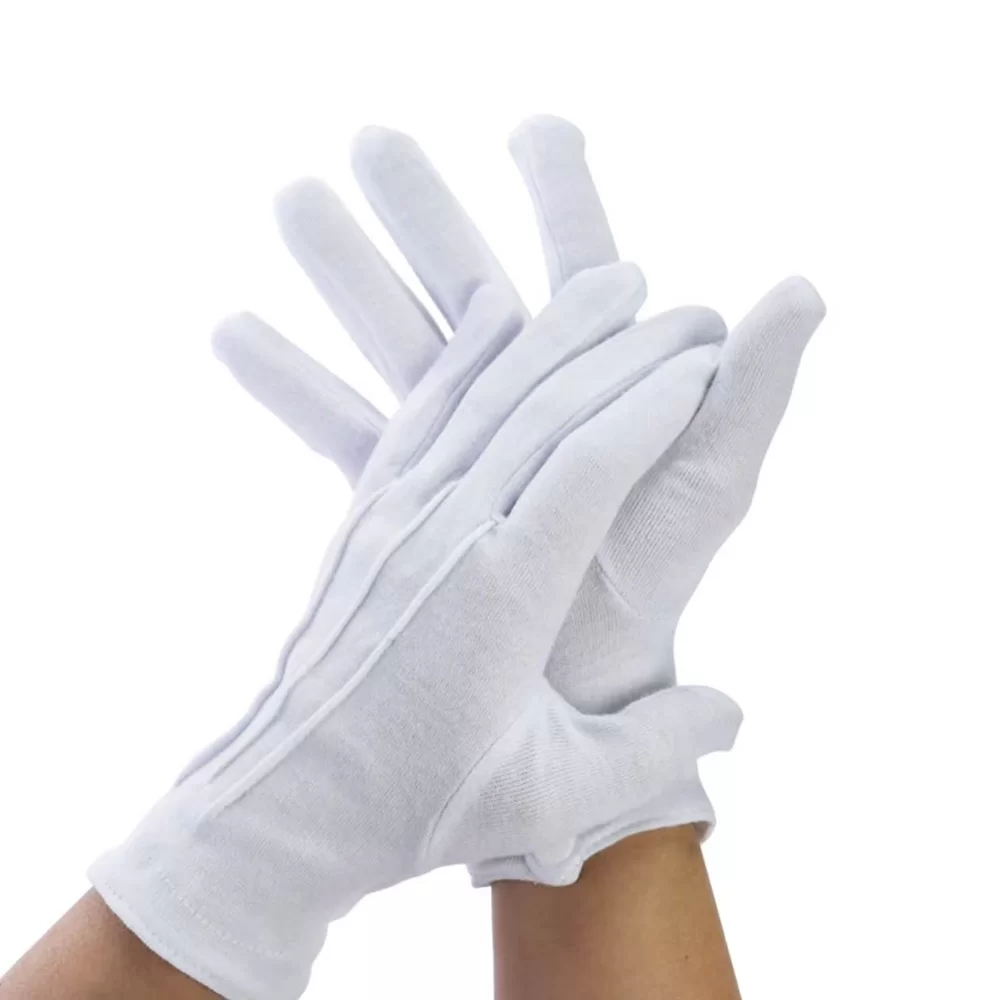
Discover the Benefits and Innovations of Clean Shield Gloves | HMD Glove Co.
Understanding Clean Shield Gloves: Protecting Hands, Protecting Futures
At first glance, clean shield gloves might sound like just another piece of personal protective equipment (PPE). But if you pause and think a little deeper, these gloves embody an intersection of health, technology, and sustainability that matters — globally. In industries from healthcare to manufacturing, they're frontline warriors standing between human hands and invisible hazards. And worldwide, with rising awareness of hygiene and contamination, their importance just keeps growing.
Why does it matter beyond factories or hospitals? Well, clean shield gloves enable safer work environments, reduce contamination risks, and ultimately protect lives. Whether it’s controlling infection spread in a clinic or shielding workers dealing with chemicals, understanding their benefits helps businesses, NGOs, and governments make smart, responsible decisions.
Mini takeaway: Clean shield gloves are more than just disposable gear – they represent safety, hygiene, and peace of mind across industries and geographies.
The Global Importance of Clean Shield Gloves
Globally, the demand for clean shield gloves continues to escalate. According to the World Health Organization (WHO), healthcare-associated infections affect millions yearly, many preventable through proper PPE use. The International Organization for Standardization (ISO) also emphasizes strict guidelines for PPE quality, which includes glove materials and manufacturing standards reflecting safety and durability.
But it’s not only healthcare. In manufacturing hubs around Asia, Europe, and North America, clean shield gloves protect workers from chemical exposure, cuts, and contamination. For example, the global gloves market was projected to surpass USD 11 billion in 2023 (MarketWatch), fueled by safety regulations and rising awareness of occupational health.
The challenge? Across different countries, sometimes access to quality gloves is limited, risking public health and worker safety. Plus, environmental concerns over single-use plastics complicate choices — a real headache if you care about both safety and sustainability.
Mini takeaway: The global glove market is massive and intertwined with pressing health, safety, and environmental challenges.
What Exactly Are Clean Shield Gloves?
Simply put, clean shield gloves are specially designed protective gloves that provide a barrier against contaminants, pathogens, or harmful substances. Unlike ordinary gloves, these are engineered for “clean” environments and often comply with stringent safety and hygiene standards. Think of them as your hands’ cleanroom bodyguards.
They find applications everywhere from hospital wards and laboratory benches to food processing lines and emergency disaster zones. The key is their ability to shield without sacrificing dexterity or comfort — because if gloves are clunky, people just won’t wear them properly.
Interestingly, the rise of clean shield gloves complements broader shifts in industries embracing automation, IoT-enabled safety checks, and eco-conscious materials. So, these gloves aren’t just functional; they are evolving to fit the future industry landscape.
Key Factors That Define Quality in Clean Shield Gloves
1. Durability
It’s pretty obvious but often overlooked: gloves must withstand wear, tear, and sometimes rough conditions. Durability ensures they don’t fail mid-task, which could mean exposure to hazards. Latex and nitrile are popular materials here, each with different strength and elasticity profiles.
2. Barrier Protection
This is the main event — how well does the glove shield against chemicals, microbes, or particles? The level differs depending on intended use. For medical settings, gloves must pass strict microbial penetration tests; in industrial contexts, chemical resistance is key.
3. Comfort & Fit
Oddly, gloves that feel bulky or uncomfortable get discarded fast. The best clean shield gloves come in varied sizes and designs to allow fine motor control without hand fatigue — crucial for long shifts or precision tasks.
4. Cost Efficiency
Sure, you want top safety, but budget matters too. The real trick is finding gloves offering great quality without breaking the bank, especially for organizations buying in bulk or working in resource-limited settings.
5. Environmental Impact
A growing factor! Many manufacturers now offer biodegradable or recyclable options to address single-use waste concerns. This balance often requires innovation in material science.
Mini takeaway: True quality clean shield gloves balance protection, comfort, cost, and sustainability — no small feat.
Clean Shield Gloves in the Real World: Applications & Use Cases
- Healthcare: Daily use in hospitals to prevent cross-contamination, protecting patients and staff.
- Food Industry: Gloves prevent contamination, ensuring food safety adhering to FDA and EU hygiene regulations.
- Manufacturing: Workers handling chemicals or sharp objects rely on robust gloves to prevent injuries and exposures.
- Disaster Relief: In post-disaster zones, clean shield gloves are vital for safe debris clearing and medical aid under challenging conditions.
- Cleanrooms & Electronics Assembly: Precision gloves prevent contamination of sensitive components.
For example, NGOs working in tropical regions often report how supplying clean shield gloves greatly improved healthcare outcomes and worker morale. Oddly enough, gloves can become a symbol of dignity as much as protection.
Advantages & Long-Term Value Provided
In simple terms, these gloves save lives and reduce costs — by preventing infections, avoiding worker downtime, and minimizing waste from glove failures. Emotionally, they foster trust, safety, and a culture of care in workplaces.
From a sustainability standpoint, companies moving to greener materials also boost their corporate responsibility profiles — a win-win for business and the planet.
| Specification | Typical Range | Notes |
|---|---|---|
| Material | Nitrile / Latex / Vinyl | Nitrile preferred for chemical resistance |
| Thickness | 4-8 mil (0.1-0.2 mm) | Balance between dexterity & durability |
| Sizes Available | XS - XL | Varies by brand |
| Shelf Life | 3-5 years unopened | Depends on storage conditions |
| Certifications | ISO 11193-1, ASTM D6319 | Ensures quality & safety standards |
How Do Vendors Stack Up? A Quick Comparison
| Vendor | Material Options | Price (per 100) | Sustainability | Lead Time |
|---|---|---|---|---|
| HMD Glove Co. | Nitrile, Latex | $20 - $30 | Biodegradable options | 2-3 weeks |
| SafeHands Inc. | Nitrile, Vinyl | $18 - $25 | Limited eco range | 1-2 weeks |
| GreenShield PPE | Biodegradable Nitrile | $25 - $35 | Focus on sustainability | 3-4 weeks |
Future Trends & Innovations in Clean Shield Gloves
Looking ahead, what’s exciting is how the glove industry isn’t stuck in place. Material scientists are experimenting with biodegradable polymers and even gloves infused with antimicrobial agents that actively kill pathogens on contact — talk about proactive protection.
Automation and digital transformations also influence glove manufacturing — imagine gloves tracked by RFID for inventory control or sensors embedded to detect failures in real time. Then there’s growing regulation on environmental impact pushing manufacturers to rethink production methods.
Oddly enough, it feels like gloves might soon be smarter, greener, and user-friendlier all at once. It’s a weird sort of evolution for something so basic.
Common Challenges & How Industry Solves Them
Despite progress, issues remain. Cost and supply chain disruptions still cause shortages, especially in less affluent regions. Another pain point is glove allergies — latex gloves still aren’t suitable for everyone.
Innovative solutions include expanding synthetic options like nitrile, and boosting local glove production capabilities to reduce reliance on imports. NGOs and global health bodies often support training and education to improve glove usage, something that’s crucial to avoid misuse or waste.
FAQ: What You’re Really Asking About Clean Shield Gloves
- Q: How do clean shield gloves differ from regular disposable gloves?
- A: They’re designed specifically to meet stricter hygiene and barrier protection standards, ideal for environments requiring contamination control, such as healthcare and labs. Regular gloves may not meet these certifications.
- Q: Are nitrile gloves better than latex for chemical resistance?
- A: Generally yes. Nitrile offers superior chemical and puncture resistance, plus it’s hypoallergenic, making it a preferred choice in many industries.
- Q: Can clean shield gloves be biodegradable and still effective?
- A: Yes, advances in material science have made it possible to produce biodegradable gloves without sacrificing durability or protection, but they can be pricier and less widely available.
- Q: How should I store clean shield gloves to maximize shelf life?
- Keep them in a cool, dry place, away from direct sunlight and ozone sources. Optimal conditions prevent premature degradation of the glove materials.
Wrapping Up: Why Clean Shield Gloves Will Keep Protecting Our Hands & Health
It’s sometimes easy to forget that the humble glove plays a vital role in global health and industry safety. Clean shield gloves deliver peace of mind, protect livelihoods, and increasingly align with sustainability goals. For any professional or organization passionate about safety and responsibility, they’re a must-have, not an afterthought.
So, if you’re ready to explore quality clean shield gloves that balance performance with green innovation, check out our website. Your hands—and the planet—will thank you.