Gloves for Cleaning with Bleach: Essential Safety Gear for Global Hygiene
Gloves for Cleaning with Bleach: A Global Necessity for Safety and Efficiency
In our ever-evolving world, where hygiene and sanitation are non-negotiable, the humble glove plays a surprisingly big role—especially when cleaning with harsh chemicals like bleach. Understanding gloves for cleaning with bleach is more than a niche topic; it’s a global health concern. Bleach is an indispensable disinfectant used worldwide, yet it’s also a chemical that can cause significant harm to the skin. The right gloves not only protect workers but also enhance productivity and compliance across industries, from hospitals to hospitality and beyond.
Why does this matter on a global scale? The World Health Organization highlights that proper personal protective equipment (PPE) reduces workplace chemical exposures drastically. Yet, millions of workers still face risks daily. Using appropriate gloves for bleach cleaning is a simple but effective safeguard that counters a very real hazard.
What Are Gloves for Cleaning with Bleach?
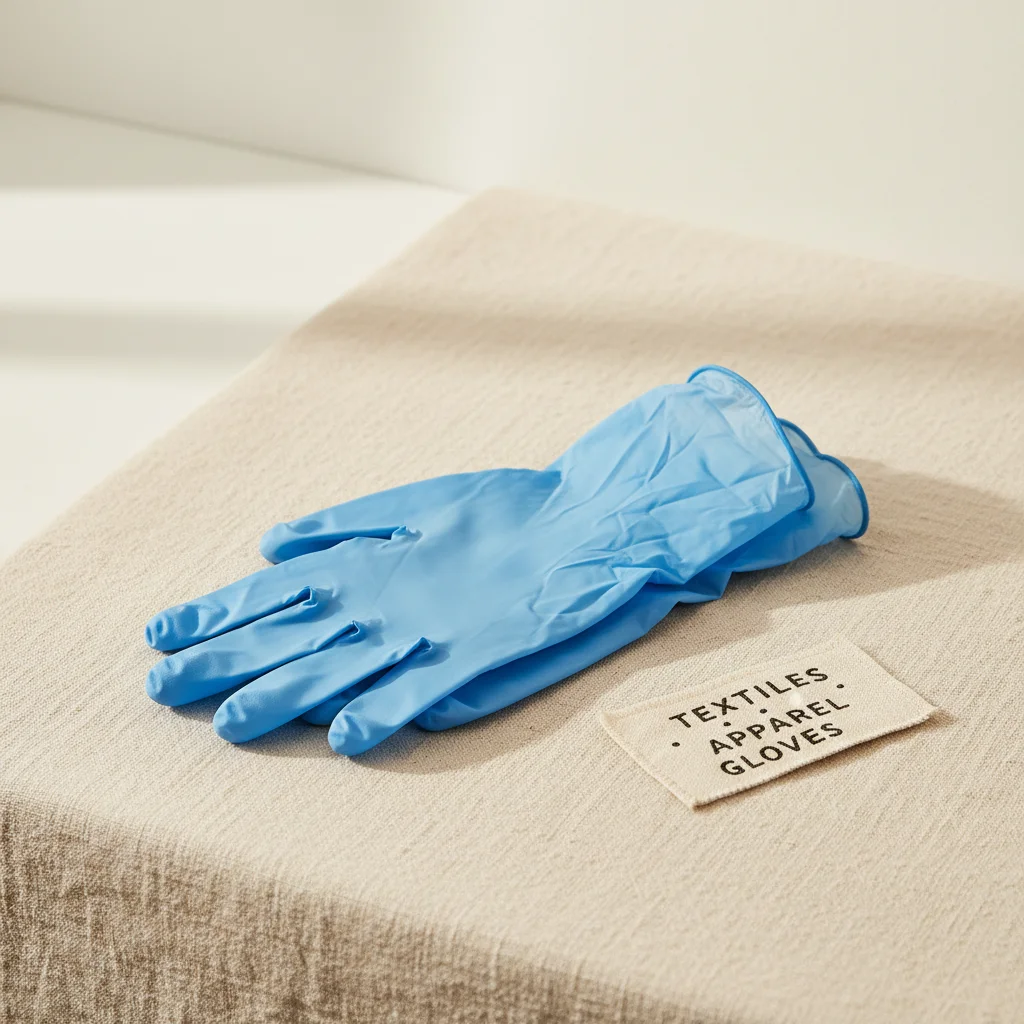
Simply put, gloves for cleaning with bleach are protective hand coverings designed specifically to resist the corrosive and irritating effects of bleach (sodium hypochlorite). Unlike regular gloves, these are typically made of materials that can withstand prolonged exposure without deteriorating—think thick nitrile, neoprene, or butyl rubber. Their main purpose is to provide a barrier against chemical burns, skin irritation, and even allergic reactions.
These gloves have become essential in both industrial hygiene and humanitarian operations. In humanitarian settings, for example, clean water and sanitation interventions often involve bleach-based disinfection—a practice that demands reliable hand protection to ensure both safety and dignity for workers on the ground.
Core Factors of Effective Bleach-Resistant Gloves
1. Chemical Resistance
The prime requirement is the glove’s ability to resist chemical degradation when exposed to bleach. Materials like nitrile and neoprene are preferred for their resistance to oxidation and chemical penetration, which other gloves fail to provide.
2. Durability and Thickness
A glove must withstand physical wear during cleaning tasks without tearing—especially vital in busy commercial environments. Thickness balances dexterity with protection; too thin, and the risk rises; too thick, and usability takes a hit.
3. Comfort and Fit
Oddly enough, comfort is often overlooked but crucial. Workers wearing gloves all day need a snug yet breathable fit to reduce hand fatigue and improve compliance with safety protocols.
4. Cost Efficiency
Organizations, especially in developing regions, require affordable protective gear without sacrificing quality. Gloves must be cost-effective to encourage widespread adoption.
5. Compliance and Standards
Standards like EN 374 (chemical resistant gloves) or ASTM D6978 ensure gloves meet minimum performance criteria. These certifications provide trustworthiness and validate claims of chemical resistance.
Global Applications: Where and Who Uses Bleach-Resistant Gloves
- Healthcare facilities: Hospitals worldwide use bleach to disinfect surfaces and instruments, relying heavily on certified gloves to protect cleaning staff.
- Industrial cleaning services: From factories in Asia to schools in Europe, bleach-based sanitization requires workers to don resistant gloves daily.
- Humanitarian aid: Emergency responders and NGOs use bleach to decontaminate water and facilities in disaster zones—where glove supply and durability can literally be life-saving.
- Food and beverage sectors: Compliance with hygiene also means safe handling of bleach-cleaned environments.
For example, in post-disaster relief efforts after flooding in Southeast Asia, NGOs ensure that volunteers have proper gloves for cleaning with bleach to prevent chemical injury and contamination.
Typical Product Specifications of Bleach-Resistant Gloves
| Feature | Specification | Importance |
|---|---|---|
| Material | Nitrile, Neoprene, Butyl Rubber | Chemical resistance |
| Thickness | 0.3 mm - 0.7 mm | Balance of dexterity and durability |
| Length | 30 cm (up to elbow) | Protection against splashes |
| Certification | EN 374, ASTM D6978 | Safety compliance |
| Reusability | Single or multi-use | Cost and waste management |
Comparing Leading Vendors of Bleach-Resistant Cleaning Gloves
| Brand | Material | Certification | Price Range (per box) | Ideal For |
|---|---|---|---|---|
| HMD Glove | Nitrile, 0.5 mm | EN 374 | $25 - $35 | Healthcare, Industrial |
| SafeChem | Neoprene, 0.6 mm | ASTM D6978 | $30 - $40 | Laboratories, Food Industry |
| ChemGuard | Butyl Rubber, 0.7 mm | EN 374, ASTM | $40 - $50 | Hazardous Chemical Handling |
Advantages and Long-Term Value of Appropriate Gloves
Choosing the right gloves for cleaning with bleach offers a spectrum of benefits beyond obvious physical safety. Cost savings often come from reduced injury-related absences and higher productivity. Socially, it raises workplace morale and trust—you know management cares about your well-being. And from a sustainability perspective, durable gloves cut down waste.
On an emotional level, protective gloves instill confidence. Cleaning workers often report feeling safer and more respected when provided with quality gloves. This dignity translates into better job satisfaction and lower turnover—a factor frequently overlooked in operational budgets.
Emerging Trends & Future Innovations
The industry is moving toward gloves that blend greater chemical resistance with environmental responsibility—biodegradable materials are on the horizon. Also, smart gloves embedded with sensors can monitor exposure levels in real time, alerting workers and supervisors to unsafe conditions.
Digitization and automation in cleaning might reduce human exposure in some settings, but until then, gloves remain frontline defenders.
Challenges and Practical Solutions
Some persistent issues include glove allergies (latex), sizing mismatches, and counterfeit products. Solutions involve diversifying material choices, offering multiple size options, and buying from trusted vendors with traceable certifications.
Training is also vital. Proper glove usage, timely replacement, and correct disposal habits maximize safety benefits.
FAQ: Frequently Asked Questions About Gloves for Cleaning with Bleach
- Q1: Can I reuse bleach-resistant gloves safely?
- A1: Most bleach-resistant gloves are designed for single use to avoid contamination and degradation. However, some thicker gloves can be reused after thorough cleaning and inspection. Check manufacturer guidelines carefully.
- Q2: How do I know if a glove is truly resistant to bleach?
- A2: Look for certifications like EN 374 or ASTM D6978 that include chemical resistance testing. Also, verify the glove material—nitrile, neoprene, and butyl rubber generally perform best against bleach.
- Q3: Are latex gloves suitable for bleach cleaning?
- A3: Not really. Latex deteriorates quickly when exposed to bleach and may cause allergies. It’s best to select chemically resistant alternatives like nitrile or neoprene.
- Q4: What length of gloves should be used for bleach cleaning?
- A4: Elbow-length gloves (~30 cm) provide the best protection against splashes, particularly in industrial or medical environments.
- Q5: Where can I find affordable gloves for cleaning with bleach?
- A5: Trusted suppliers like HMD Glove offer a range of quality gloves suitable for bleach cleaning at competitive prices, balancing safety and budget considerations.
Conclusion: Prioritize Safety by Choosing the Right Gloves for Cleaning with Bleach
Bleach remains a cornerstone disinfectant globally—powerful, effective, but hazardous without proper precautions. Investing in quality gloves for cleaning with bleach isn’t optional; it’s essential for protecting health, maintaining dignity, and ensuring long-term operational success.
If you want to explore reliable, certified gloves combining safety and comfort, please visit our website. Your hands—and those of your team—will thank you for it.
A small reminder: proper glove selection and usage is a cornerstone of industrial hygiene worldwide, backed by standards from ISO and recognized health organizations.
References: