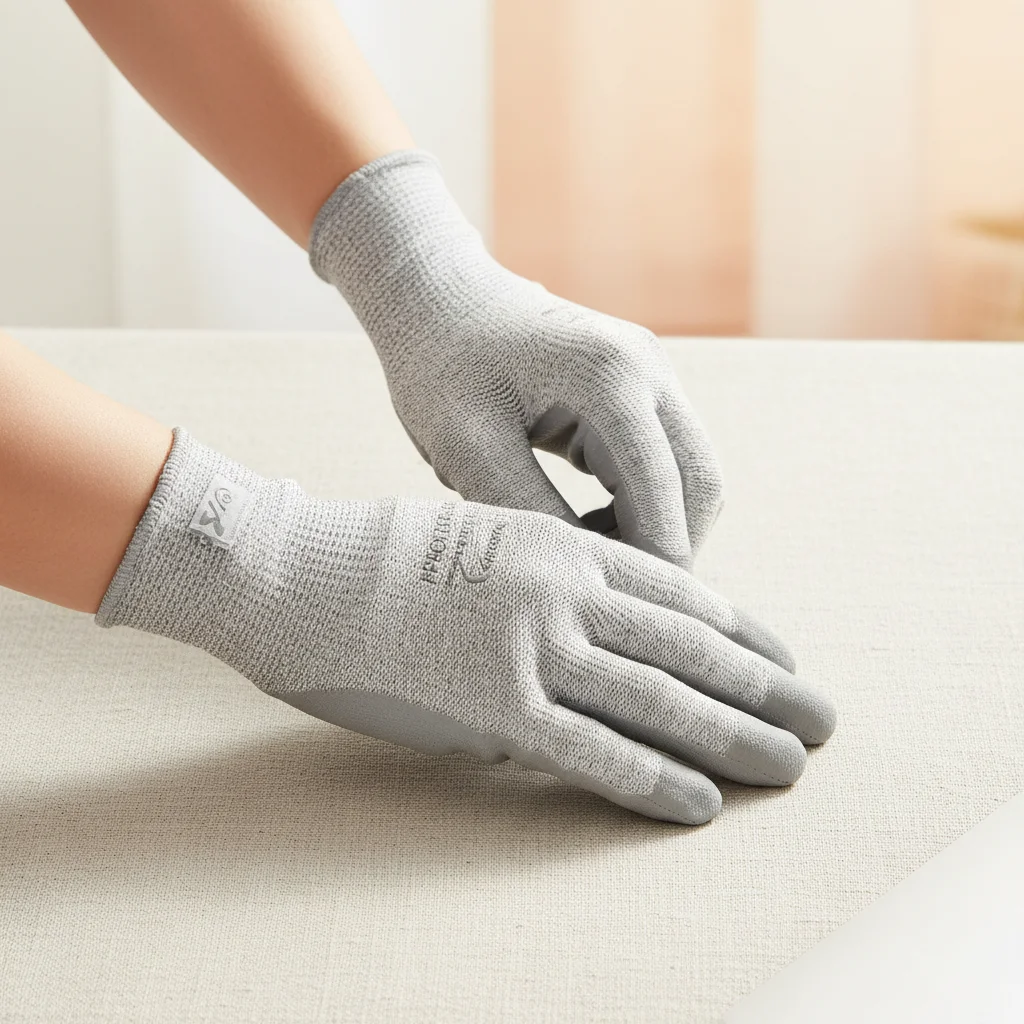
In the modern era of sanitation and industrial safety, yellow cleaning gloves have evolved from simple household accessories into critical pieces of personal protective equipment (PPE). Their distinct visibility and material composition make them indispensable for maintaining hygiene standards across residential, commercial, and industrial environments globally.
Understanding the engineering behind these gloves—from the polymer density to the ergonomic grip patterns—allows users to maximize hand protection against caustic chemicals and abrasive materials. As global health standards tighten, the demand for high-quality, durable hand protection has surged, emphasizing the need for a deeper look into the specifications of professional-grade gear.
Whether you are managing a large-scale industrial facility or maintaining a sterile home environment, selecting the right yellow cleaning gloves can significantly reduce the risk of occupational dermatitis and chemical burns, ensuring both safety and efficiency in every task.

Global Relevance of Yellow Cleaning Gloves
The global market for protective handwear has seen a significant shift toward specialized materials. According to international safety standards, the use of yellow cleaning gloves is not merely a preference but a necessity in sectors adhering to ISO certification for workplace safety. The high visibility of the yellow pigment serves a dual purpose: it ensures that PPE is easily identifiable during safety audits and helps users quickly spot tears or contamination.
In many developing economies, the introduction of standardized protective gear has led to a measurable decrease in skin-related industrial accidents. By providing a barrier against hazardous solvents and biological contaminants, these gloves address the critical challenge of occupational health in the cleaning and textile industries, where exposure to harsh detergents is a daily occurrence.
Defining Professional Yellow Cleaning Gloves
In simple technical terms, yellow cleaning gloves are specialized hand covers typically manufactured from latex, nitrile, or PVC, engineered to provide a waterproof barrier. Unlike standard disposable gloves, these are designed for repeated use, featuring reinforced fingertips and textured palms to enhance grip in wet or soapy conditions.
The connection to modern industry lies in the "Barrier Technology" they employ. By utilizing cross-linked polymers, manufacturers can create a material that is flexible enough for dexterity but dense enough to prevent the permeation of acidic or alkaline chemicals. This makes them a cornerstone of humanitarian needs, particularly in sanitation projects in disaster-hit regions where hygiene is the first line of defense against disease.
Furthermore, the specific "yellow" designation is often linked to a specific grade of industrial durability. In the hierarchy of cleaning supplies, yellow often signifies a medium-to-heavy duty rating, bridging the gap between light household cleaning and extreme chemical handling, making them the most versatile tool in a janitorial kit.
Core Components of Quality Hand Protection
Durability is the primary metric for any high-quality pair of yellow cleaning gloves. This is achieved through the precise calibration of thickness—measured in mils—ensuring that the glove can withstand mechanical abrasion without sacrificing the tactile sensitivity required for intricate cleaning tasks.
Chemical Resistance is another core pillar. Professional yellow cleaning gloves are tested against a spectrum of chemicals, from bleach to ammonia. The molecular structure of the material is designed to repel these agents, preventing them from leaching through to the skin, which is vital for long-term dermatological health.
Ergonomics and Breathability represent the final key factors. Modern designs incorporate flock linings (usually cotton) to absorb sweat and make the gloves easier to don and doff. This prevents the "suction" effect and reduces skin irritation caused by moisture buildup during extended periods of use.
Performance Metrics and Durability Analysis
When evaluating the efficiency of yellow cleaning gloves, we look at the balance between elasticity and tensile strength. A glove that is too rigid will cause hand fatigue, while one that is too thin will succumb to punctures. The optimal balance is found in high-grade polymers that offer "stretch-recovery" properties.
To better understand how different variations of cleaning gloves perform, we analyze them based on puncture resistance, grip stability, and chemical permeability. These metrics help procurement managers choose the right product for specific environments, whether it be a hospital corridor or a textile factory floor.
Durability Comparison of Yellow Cleaning Glove Variations
Global Applications and Industrial Use Cases
In real-world contexts, yellow cleaning gloves are deployed across various high-stakes environments. In the healthcare sector, they are used for deep-cleaning surgical wards where the removal of organic matter requires heavy scrubbing and exposure to strong disinfectants. In the food processing industry, they ensure that sanitation staff can maintain strict hygiene codes without compromising their own skin health.
Beyond urban centers, these gloves play a vital role in remote industrial zones and post-disaster relief operations. When NGOs set up temporary sanitation stations in flood-prone areas, providing durable, waterproof hand protection is a priority to prevent the spread of water-borne diseases among volunteers and workers.
Long-Term Value and Safety Advantages
The long-term value of investing in premium yellow cleaning gloves extends beyond simple cost-per-unit. By reducing the frequency of replacements through superior tear resistance, companies can lower their operational waste and decrease the overhead associated with PPE procurement.
From a psychological perspective, the use of reliable safety gear fosters a culture of trust and dignity in the workplace. When employees feel protected from hazardous substances, their productivity increases, and the risk of burnout due to physical discomfort is significantly mitigated.
Moreover, the reliability of these gloves provides peace of mind. Knowing that a chemical spill will not result in an immediate burn allows workers to react calmly and follow safety protocols, transforming a potentially dangerous incident into a manageable cleanup task.
Future Innovations in Cleaning Textile Technology
The future of yellow cleaning gloves is leaning heavily toward sustainability and "Green Chemistry." We are seeing a transition from traditional petroleum-based polymers to biodegradable elastomers and bio-based nitriles that offer the same protective properties without the long-term environmental footprint.
Digital transformation is also touching the PPE industry. Innovations in "smart textiles" may soon integrate sensors into cleaning gloves to detect the presence of specific toxins or to monitor the wearer's hand temperature, providing an early warning system for chemical breakthrough.
Automation in manufacturing is further refining the precision of glove thickness. Using AI-driven extrusion processes, manufacturers can now create "variable-thickness" gloves—reinforced in the fingertips and palms while remaining thin and flexible in the joints—maximizing both protection and comfort.
Comparison of Material Innovations for Future Cleaning Gloves
| Material Type | Eco-Friendliness | Chemical Resistance | Market Adoption |
|---|
| Traditional Latex | Low | Medium | High |
| Bio-Nitrile | High | Very High | Medium |
| Recycled PVC | Medium | High | Medium |
| Smart-Polymer | Medium | Extreme | Low |
| Corn-Starch Base | Extreme | Low | Low |
| Hybrid Elastomer | Medium | High | Medium |
FAQS
To find the perfect fit, measure the circumference of your palm at the widest point. A glove that is too tight will tear more easily at the seams, while one that is too loose will reduce your dexterity and grip. Most professional brands provide a size chart ranging from Small to XL; we recommend choosing a size that allows a small amount of air to circulate but keeps the fingertips snug.
Yes, high-quality yellow cleaning gloves are designed for reuse. After each use, rinse the exterior with clean water to remove chemical residues. You can use a mild soap on the outside, but avoid harsh solvents that might degrade the polymer. Always hang them to dry in a well-ventilated area, avoiding direct sunlight, which can cause the material to become brittle and crack over time.
Latex offers superior elasticity and a more "second-skin" feel, making it great for light tasks. However, nitrile is synthetic and hypoallergenic, making it the safer choice for those with latex allergies. Nitrile also generally provides better resistance to oils and puncture, which is why it is preferred in more demanding industrial cleaning environments.
The lifespan depends on the intensity of use and the chemicals encountered. For light household use, a pair can last several months. In industrial settings, they may need replacing every 2-4 weeks. We recommend inspecting your gloves for "pinholes" or thinning fingertips before every use; once the barrier is compromised, the glove should be replaced immediately to ensure safety.
Flock-lined gloves feature a thin layer of cotton fibers on the inside. These are significantly better for long-term wear because they absorb perspiration, preventing the skin from macerating (softening) due to moisture. They also make the gloves much easier to put on and take off, reducing the friction that can lead to tears during the donning process.
While yellow cleaning gloves are excellent for general detergents and mild chemicals, you must check the specific material rating for strong acids. Nitrile is generally better for acids than latex. Always refer to the manufacturer's chemical breakthrough chart to ensure the material is compatible with the specific concentration of acid you are using.
Conclusion
In summary, yellow cleaning gloves are much more than a simple tool; they are a critical intersection of material science and occupational safety. From their high-visibility design to their advanced polymer barriers, these gloves protect the most valuable tool any worker has—their hands. By focusing on durability, chemical resistance, and ergonomic design, users can ensure a safer, more efficient cleaning process across any industry.
Looking ahead, the integration of sustainable materials and smart-sensing technology will continue to elevate the standards of hand protection. We encourage facility managers and homeowners alike to move beyond "generic" options and invest in gloves that meet international safety specifications. For those seeking professional-grade protection that balances comfort with uncompromising safety, we invite you to explore our full range of specialized handwear. Visit our website: www.hmdglove.com