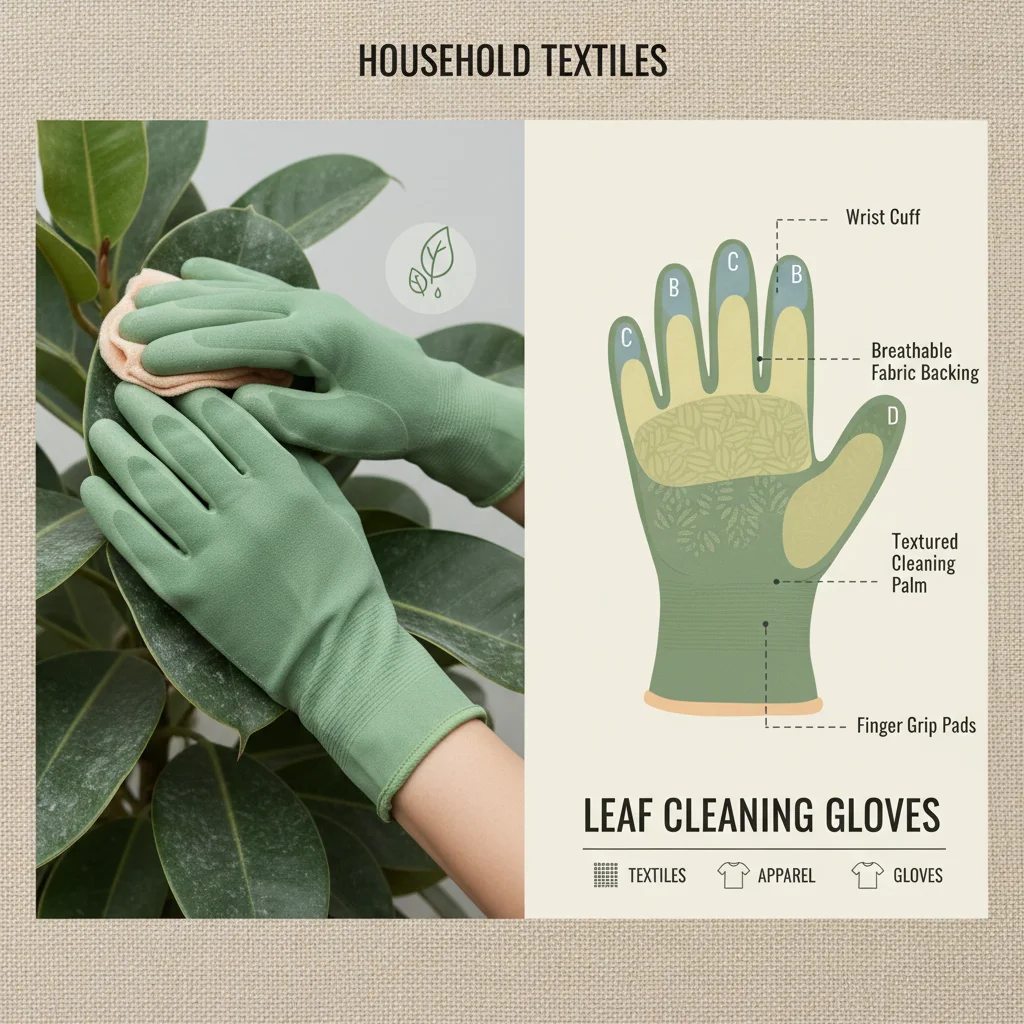
Maintaining the pristine condition of automotive wheels requires more than just a standard sponge; it demands a specialized tool capable of lifting heavy brake dust without inducing swirl marks. A high-quality wheel mitt is engineered specifically for this purpose, combining ergonomic design with advanced textile science to ensure that the most neglected part of the vehicle receives professional-grade care.
Across the global automotive detailing industry, the shift toward microfiber-based solutions has revolutionized how enthusiasts and professionals approach wheel cleaning. By utilizing a wheel mitt, users can effectively encapsulate contaminants within deep-pile fibers, reducing the risk of scratching delicate alloy finishes and ensuring a streak-free result that enhances the overall aesthetic of the vehicle.
Understanding the nuances of material density, weave patterns, and chemical compatibility is essential for maximizing the lifespan of your rims. Investing in a dedicated wheel mitt not only streamlines the cleaning process but also provides a sustainable alternative to disposable wipes, aligning with modern eco-friendly detailing standards and professional E-E-A-T maintenance principles.

Global Industry Context of Wheel Mitts
The automotive care market has seen a significant surge in demand for specialized textiles, driven by the rise of high-value luxury vehicles and the proliferation of custom alloy wheels. According to industry trends aligned with ISO quality standards for textiles, the transition from traditional rags to the engineered wheel mitt reflects a broader global movement toward "precision detailing," where the prevention of microscopic surface damage is prioritized over simple cleanliness.
However, the industry faces a persistent challenge: the abrasive nature of brake dust. Ferrous particles from brake pads can embed themselves in cleaning tools, turning a standard cloth into a sandpaper-like surface. This is where the specific engineering of a wheel mitt becomes critical, as it must provide a balance between aggressive agitation and surface-safe softness to protect the vehicle's investment.
Defining the Modern Wheel Mitt
In simple terms, a wheel mitt is a glove-shaped cleaning tool constructed from high-density synthetic fibers, typically microfiber or chenille, designed to fit snugly over the hand. Unlike a standard wash mitt, the wheel-specific variant is often designed with a more robust structure to handle the harsher environments found in wheel wells and rim barrels, allowing the user to apply targeted pressure while maintaining full control.
From an industrial perspective, these tools are a marriage of ergonomics and textile chemistry. The "mitt" design serves a vital humanitarian and safety purpose by reducing hand fatigue during repetitive scrubbing motions and protecting the user's skin from harsh alkaline wheel cleaners. By isolating the cleaning surface from the hand, it ensures that the technician can reach deep into the spokes of complex wheel designs without slipping.
Ultimately, the wheel mitt represents the evolution of the cleaning industry from generic tools to application-specific equipment. It bridges the gap between domestic car washing and professional restorative detailing, ensuring that even the most challenging contaminants are removed without compromising the structural integrity of the wheel's clear coat.
Core Components of High-Performance Mitts
Durability is the cornerstone of any professional wheel mitt. Given the abrasive nature of road grime, the fibers must be resistant to fraying and shedding. High-grade polyester blends are often utilized to ensure the mitt can withstand hundreds of wash cycles without losing its shape or absorbency, making it a cost-effective asset for high-volume detailing shops.
Absorbency and contaminant encapsulation are what truly set a premium wheel mitt apart. By utilizing a split-fiber microfiber weave, the tool can pull dirt away from the surface and lock it deep within the pile. This prevents the "dragging" effect where dirt is simply pushed across the rim, which is the primary cause of swirl marks and micro-scratches.
Ergonomics and security are the final critical components. A secure wrist cuff or elastic band ensures the wheel mitt does not slip off during a vigorous scrub, which could lead to the tool dropping into the dirt and then being reused on the wheel. This design focus ensures safety, precision, and efficiency in every movement.
Technical Factors in Cleaning Efficiency
When evaluating the efficiency of a wheel mitt, professionals look at the balance between pile height and scrubbing power. A longer pile is excellent for light dusting and rinsing, whereas a shorter, denser weave is necessary for removing baked-on brake dust. The synergy between these factors determines how quickly a technician can achieve a "showroom finish" across various wheel materials, from powder-coated alloys to polished chrome.
Furthermore, the chemical compatibility of the fabric determines the tool's longevity. Because wheel cleaners often contain strong acids or alkalis to break down metallic particles, the wheel mitt must be made of chemically inert materials that do not degrade when exposed to these potent solutions.
Efficiency Analysis of Different Wheel Mitt Materials
Global Applications and Professional Use Cases
In high-end automotive detailing studios across North America and Europe, the wheel mitt is an indispensable part of a "multi-mitt" system. Professionals use separate mitts for the upper rims, the inner barrels, and the tires to prevent cross-contamination. This systemic approach ensures that the heavy grime from the tire wall never touches the delicate face of a luxury rim, maintaining the highest possible standard of care.
Beyond luxury cars, these tools are heavily utilized in industrial fleet maintenance and motorsport pit crews. In the high-pressure environment of a racing garage, where wheels must be cleaned and inspected for cracks or debris rapidly, a durable wheel mitt allows for a quick yet thorough cleaning process that supports the overall safety and performance of the vehicle.
Long-Term Value and Sustainability
The transition to a reusable wheel mitt provides significant long-term economic and environmental value. By replacing disposable sponges and paper towels, detailing centers drastically reduce their landfill contribution. When paired with biodegradable wheel cleaners, the use of a washable mitt creates a sustainable loop that lowers the operational cost per vehicle over the product's lifecycle.
From a psychological perspective, using a dedicated professional tool fosters a sense of trust and reliability between the service provider and the client. A customer seeing a technician use a specific wheel mitt rather than a generic rag perceives a higher level of expertise and care, which translates into brand loyalty and higher service premiums.
Moreover, the reliability of high-quality textiles ensures that the "invisible cost" of paint correction—the time and money spent fixing scratches caused by poor cleaning tools—is eliminated. The logical choice for any serious car owner or professional is to invest in a tool that guarantees the safety of the substrate while providing maximum cleaning power.
Future Innovations in Textile Detailing
The future of the wheel mitt lies in the integration of "smart" textiles and nanotechnology. Research is currently underway to develop fibers that can actively repel oils or incorporate antimicrobial agents, reducing the buildup of odors and bacteria in the mitt's deep pile. This digital transformation of material science will likely lead to tools that can signal when they are too saturated with contaminants to be used safely.
Sustainability will also drive the move toward recycled ocean plastics and bio-based polymers. The next generation of wheel mitts will likely be 100% circular, meaning they can be fully recycled back into new textile fibers at the end of their useful life, aligning with global "Green Energy" and zero-waste policies.
Automation and robotic detailing are also influencing design. As automated wheel cleaning systems emerge, the "mitt" concept is being adapted into interchangeable robotic heads that mimic the scrubbing motion and fiber density of a human-operated wheel mitt, ensuring professional results with mechanical consistency.
Comparison of Wheel Mitt Material Innovations and Performance
| Material Type | Contaminant Trapping | Surface Safety | Lifespan (Cycles) |
|---|
| Classic Chenille | High | Very High | 150-200 |
| Premium Microfiber | Medium-High | High | 200-300 |
| Nano-Polymer Blend | Ultra High | Ultra High | 400+ |
| Recycled Ocean Plastic | Medium | Medium-High | 100-150 |
| Hybrid Wool-Synth | High | High | 180-250 |
| Industrial Heavy-Duty | Medium | Medium | 500+ |
FAQS
A dedicated wheel mitt is designed for the higher concentrations of abrasive metallic dust found on rims. It typically features a more robust fiber structure and an ergonomic shape that allows the user to scrub tighter areas without the tool slipping. Furthermore, using a separate wheel mitt prevents the cross-contamination of brake dust onto the vehicle's paintwork, which is a critical step in professional detailing.
Replacement depends on usage frequency, but generally, you should replace it when the fibers begin to flatten or lose their "loft." For professional use, every 3-6 months is recommended. For enthusiasts, a high-quality mitt can last a year or more if washed correctly. Always check for embedded grit that cannot be removed, as this can scratch your wheels.
While possible, it is highly recommended to use a separate mitt for tires. Tires accumulate heavier, oilier grime and "blooming" (brown oxidation) that can clog the fibers of your wheel mitt. By separating the two, you ensure the tool used on your alloy rims remains as clean and safe as possible, extending the life of the product.
The best method is to rinse it thoroughly with water to remove loose debris, then wash it using a dedicated microfiber detergent in a washing machine on a cold, gentle cycle. Avoid using fabric softeners, as these can coat the fibers and reduce the mitt's absorbency and contaminant-trapping ability. Air dry or tumble dry on low heat.
Yes, high-quality microfiber is generally safe for all finishes, including powder-coated, chrome, and painted rims. However, always ensure the mitt is clean before use. The danger is not the microfiber itself, but the particles trapped within it. Using a clean, high-pile microfiber mitt is the safest way to clean any wheel surface.
Generally, the "mitt" size is standardized for the human hand, but the "pile depth" and "reach" matter. For larger rims (20"+), a mitt with a deeper reach and more surface area is beneficial for efficiency. For smaller, complex spoke designs, a more compact mitt provides better maneuverability and precision.
Conclusion
The specialized wheel mitt has evolved from a simple accessory into a critical instrument for automotive preservation. By combining advanced textile engineering with ergonomic design, it solves the fundamental problem of removing aggressive brake contaminants without damaging the wheel's finish. From the use of split-fiber microfibers to the implementation of sustainable, recycled materials, the tool provides an optimal balance of efficiency, safety, and long-term value for both professional detailers and automotive enthusiasts.
Looking forward, the integration of nanotechnology and circular economy principles will further refine the cleaning process, making it even more eco-friendly and effective. We suggest that anyone serious about vehicle maintenance transition to a dedicated wheel-cleaning system to protect their investment and achieve a professional-grade finish. For the highest quality detailing tools, visit our website: www.hmdglove.com