
lbanner
0%

Table of Contents

To be honest, things are moving fast these days. Everyone's talking about sustainability, right? And not just lip service. Clients are actually asking for recycled materials, stuff that breaks down easier. It's a pain sometimes, finding suppliers who can deliver without sacrificing quality, but hey, that's the job. Have you noticed how much everyone's focused on lighter weight components too? Gotta save on shipping, I guess. Anyway, I think the biggest shift is the demand for more modular designs. Makes on-site adjustments a lot simpler.

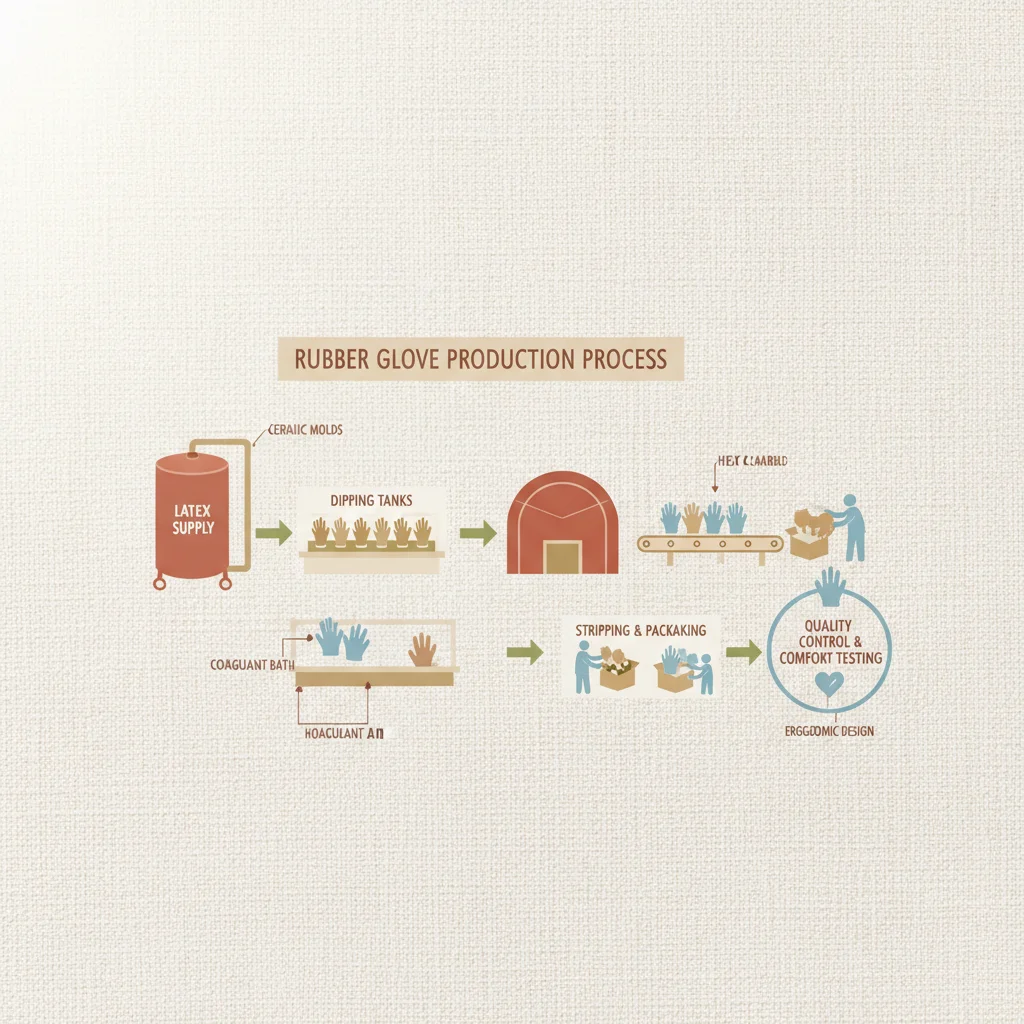
We've been doing a lot of work with examination gloves lately – the whole manufacturing side of things, you know? It's a deceptively complex business. You think it’s just rubber, right? Wrong. I encountered this at a factory in Malaysia last time. They were trying to save a buck on the polymer blend, and the gloves started tearing way too easily. It’s a trap, I’m telling you, a trap. You gotta get the right nitrile, the right thickness, the right… everything. It’s not just about the specs on a datasheet, it's how it feels in your hand.

And speaking of feel, have you ever actually spent a day putting on and taking off hundreds of these gloves? It’s brutal. That's why we’re pushing for thinner, more flexible materials, but without compromising protection. We're looking at a lot of different nitrile blends, some with added aloe vera – sounds silly, but the technicians actually appreciate it. Strangely, the smell matters too. A strong chemical odor, even if it's within safety limits, puts people off. We’ve experimented with different plasticizers to minimize that. It’s those little details that make a difference.
examination gloves manufacturer

Industry Trends & Design Pitfalls

examination gloves manufacturer

Modular designs, I'm telling you. It’s not just about speed of assembly, it’s about adaptability. We had a client, a hospital network, that needed different glove sizes for different procedures. Instead of stocking ten different SKUs, they wanted a base glove they could add to with different cuffs or linings. Smart, right? But designing for that kind of interchangeability? Painful. You gotta think about tolerances, connection points... it adds complexity. Later... Forget it, I won’t mention it. It's a constant balancing act between cost and functionality.

Another thing I've noticed is the push for biodegradable options. Sounds great in theory, but getting a glove that's both durable enough for medical use and actually breaks down in a reasonable timeframe? That’s the holy grail. We’re looking at PHA blends, but they're expensive, and the performance isn't quite there yet.

Material Science: Beyond Just Rubber

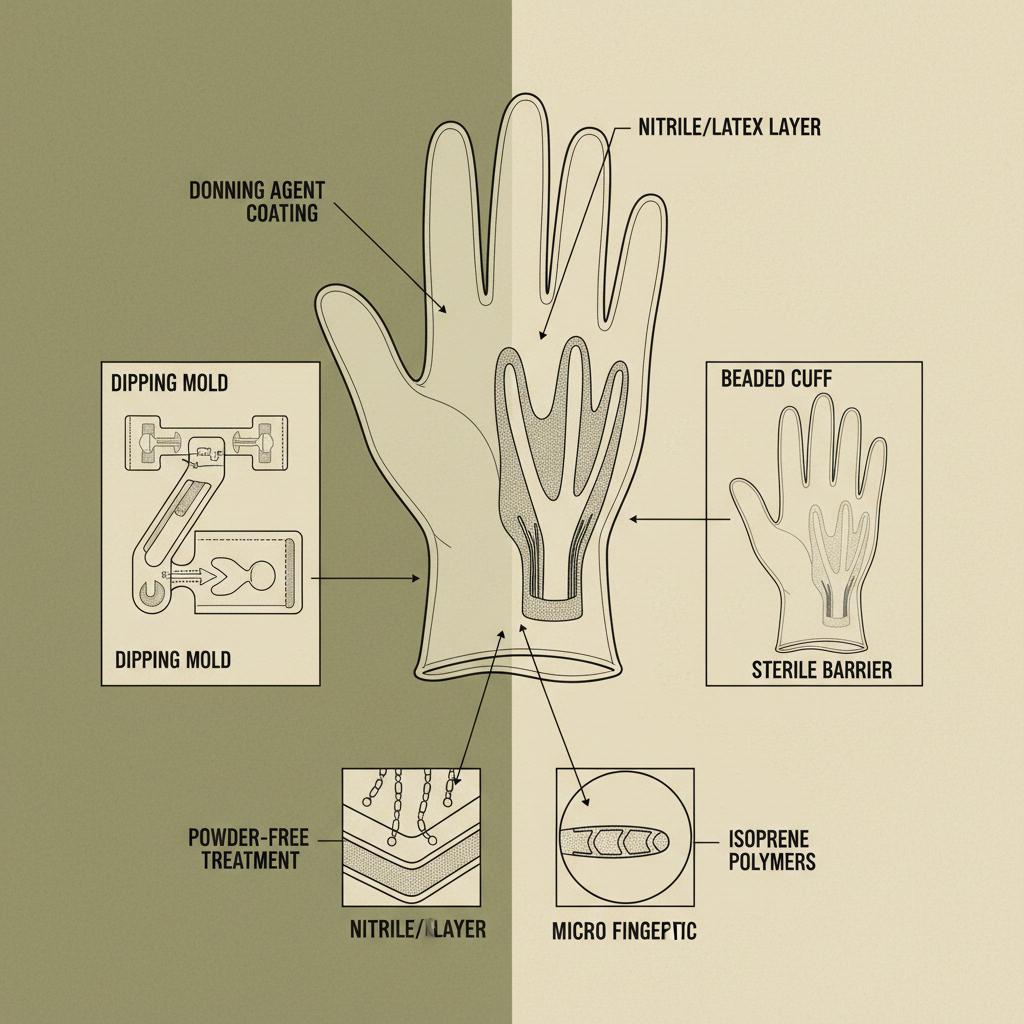
It’s not just nitrile, you know. We’re looking at TPEs, polyisoprene… each has its own strengths and weaknesses. Nitrile gives you the best chemical resistance, but it can be a bit stiff. Polyisoprene is more comfortable, feels more like latex (without the allergy issues), but it's not as strong. TPEs are somewhere in the middle. We spend a lot of time with material scientists, running tests, tweaking formulations. Honestly, half the time it feels like witchcraft. But the feel…you can tell a good glove just by putting it on. It has to move with your hand, not restrict it.

And the powders! Don't even get me started on the powders. Cornstarch is the standard, but it can cause issues with certain procedures. We've experimented with different polymers, some that leave a slicker, more even coating. Again, little details.

The smell. I mentioned it before, but it’s crucial. A strong chemical smell indicates off-gassing, which means potentially harmful compounds are leaching out of the glove. We use gas chromatography to analyze the VOCs (volatile organic compounds) and make sure they're within acceptable limits. It’s not glamorous work, but it’s important.

Real-World Testing & User Habits

Lab tests are fine, but they don't tell you everything. We send gloves to hospitals, clinics, labs – anywhere they're actually being used. We ask the technicians, the nurses, the doctors: what works, what doesn’t. And the answers are always surprising. For example, we had a glove designed with a textured fingertip for enhanced grip. The lab tests showed a significant improvement. But the surgeons hated it. Said it interfered with their precision. Go figure.

We also observe how people actually use the gloves. Do they double-glove? Do they stretch them before putting them on? Do they wash their hands before and after? These seemingly small habits can have a big impact on performance. We even set up cameras in operating rooms (with permission, of course) to record how surgeons interact with the gloves. It’s fascinating stuff.

We also do puncture testing, obviously. But we don't just use standard needles. We use actual medical instruments, scalpels, suture needles – things that are likely to cause a breach in a real-world scenario. And we test under different conditions: wet, dry, with varying levels of pressure.

Advantages, Disadvantages & Customization

The advantages are pretty straightforward: protection, hygiene, preventing cross-contamination. But the disadvantages? Well, they’re not as obvious. Cost is a big one, especially with the higher-end materials. And disposal – it’s a huge environmental issue. Then there's the comfort factor. Some people just can't tolerate wearing gloves for extended periods.

Customization is where things get interesting. Last year, a dental clinic wanted gloves with a specific color coding system to identify different procedures. Blue for routine checkups, yellow for root canals, red for extractions. Simple enough, right? But then they wanted different textures on the fingertips for different instruments. That took some doing. But we made it happen. We can also adjust the thickness, the cuff length, the powder level… pretty much anything, within reason.

examination gloves manufacturer Performance Metrics

A Customer Story from Shenzhen

Last month, that small boss in Shenzhen who makes smart home devices insisted on changing the interface to . He wanted the gloves to be compatible with his automated packaging line. Said it would save him time and money. It sounded good on paper, but the existing line was designed for a different connector. We tried to explain that it would require a complete overhaul, but he wouldn't listen. He just wanted . Turns out, the new connectors were more expensive and harder to source, and the packaging line kept jamming. He ended up spending more money and delaying shipments. It was a mess.

It's a reminder that sometimes the simplest solutions aren't the best. And that listening to the people on the ground – the technicians, the engineers – is crucial.

Key Performance Indicators

We track a lot of metrics, obviously. Puncture resistance is key, measured in megapascals (MPa). Tensile strength, elongation at break, tear resistance… all the standard stuff. But we also look at things like permeability – how well the glove prevents the passage of liquids and microorganisms. And comfort, which is harder to quantify. We use surveys and feedback from users to get a sense of how comfortable the gloves are to wear for extended periods.

We also monitor defect rates, both at the factory and in the field. We have a strict quality control process, but things still slip through sometimes.

Here's a rough breakdown of some key KPIs:

Key Performance Indicators for examination gloves manufacturer

Material Type Puncture Resistance (MPa) Comfort Rating (1-5) Defect Rate (%)
Nitrile Blend A 8.5 3.2 0.8
Nitrile Blend B 9.2 3.0 1.1
Polyisoprene Formulation C 7.8 4.1 1.5
TPE Composition D 10.1 2.8 0.5
Biodegradable PHA Mix E 6.5 3.5 2.2
Latex Formulation F 8.0 4.5 0.3

FAQs

What's the biggest challenge in sourcing sustainable materials for examination gloves?

Finding materials that meet the required performance standards – puncture resistance, chemical resistance, comfort – while also being genuinely biodegradable or recyclable is a huge challenge. Many “biodegradable” plastics require industrial composting facilities, which aren't readily available everywhere. It's a constant trade-off between sustainability and functionality.

How do you ensure consistent quality across different manufacturing batches?

We have a rigorous quality control process that includes testing every batch of raw materials and finished goods. We use statistical process control (SPC) to monitor key parameters and identify any deviations from the norm. We also conduct regular audits of our manufacturing facilities to ensure they’re adhering to our quality standards. It's about building relationships with reliable suppliers and having a robust system in place.

What’s the lifespan of a typical examination glove in a clinical setting?

That depends on the procedure, but generally, a glove is considered single-use. It's discarded after one patient encounter or if it becomes compromised – punctured, torn, or contaminated. Even if it looks fine, it's not worth the risk of cross-contamination. We recommend frequent glove changes as a best practice.

How are your gloves tested for chemical resistance?

We test against a range of chemicals commonly used in healthcare settings – things like alcohols, disinfectants, chemotherapy drugs. We measure the breakthrough time – how long it takes for the chemical to permeate the glove material – and the degradation rate – how much the material is damaged by the chemical. We follow ASTM standards for these tests.

Can examination gloves be customized with different colors or textures?

Absolutely. We offer a range of customization options, including different colors, textures, and sizes. We can also add logos or other markings. As I mentioned before, one client in Shenzhen wanted a specific color-coding system for their gloves. It adds complexity to the production process, but we can usually accommodate these requests.

What are the main regulatory requirements for examination gloves?

They have to meet certain standards set by agencies like the FDA in the US and similar bodies in other countries. These standards cover things like biocompatibility, chemical resistance, and physical properties. We ensure all our gloves are compliant with these regulations and have the necessary certifications.

Conclusion

Ultimately, we're talking about protecting people. From healthcare workers to patients, these gloves play a vital role in preventing the spread of infection and maintaining a safe environment. It's a deceptively complex business, requiring a deep understanding of materials science, manufacturing processes, and user needs. But when you get it right, it can make a real difference.

The future will likely see even more emphasis on sustainability, customization, and advanced materials. But at the end of the day, whether this thing works or not, the worker will know the moment he tightens the screw. That’s the truth of it. And if they’re happy, we’ve done our job. examination gloves manufacturer.

David Miller

David Miller

David Miller is the Head of Product Assurance at Shijiazhuang HongMeiDa Trading Co., Ltd. With over 15 years of experience in quality control and manufacturing, David ensures all gloves meet stringent ISO9001 standards. He’s deeply involved in the raw material selection process – prioritizing 100% long-staple cotton, polyester, and spandex blends – and oversees rigorous testing for wear resistance, cut resistance, and temperature protection. David is passionate about delivering consistently high-quality hand protection solutions to our clients. He often contributes to industry publications discussing the importance of proper glove selection for various work environments and has spearheaded several initiatives to improve our functional testing procedures. He joined HongMeiDa in 2012 and consistently strives to elevate our product performance.
Previous Expert Insights from a Leading Nitrile Gloves Factory on Quality and Customization
Next Comprehensive Guide to Vinyl Gloves Manufacturers and Industry Trends

If you are interested in our products, you can choose to leave your information here, and we will be in touch with you shortly.