Understanding Opera Glove Etiquette for Elegant Formal Events
Opera Glove Etiquette: A Comprehensive Guide
Opera gloves, once a staple of formal attire, continue to evoke elegance and sophistication. However, wearing them correctly involves understanding a set of nuanced opera glove etiquette rules. This article will delve into the history, proper wearing techniques, and modern considerations for these iconic accessories, offering a complete guide for those seeking to embrace this timeless tradition. Knowing these guidelines ensures you present a polished and respectful appearance during formal events.
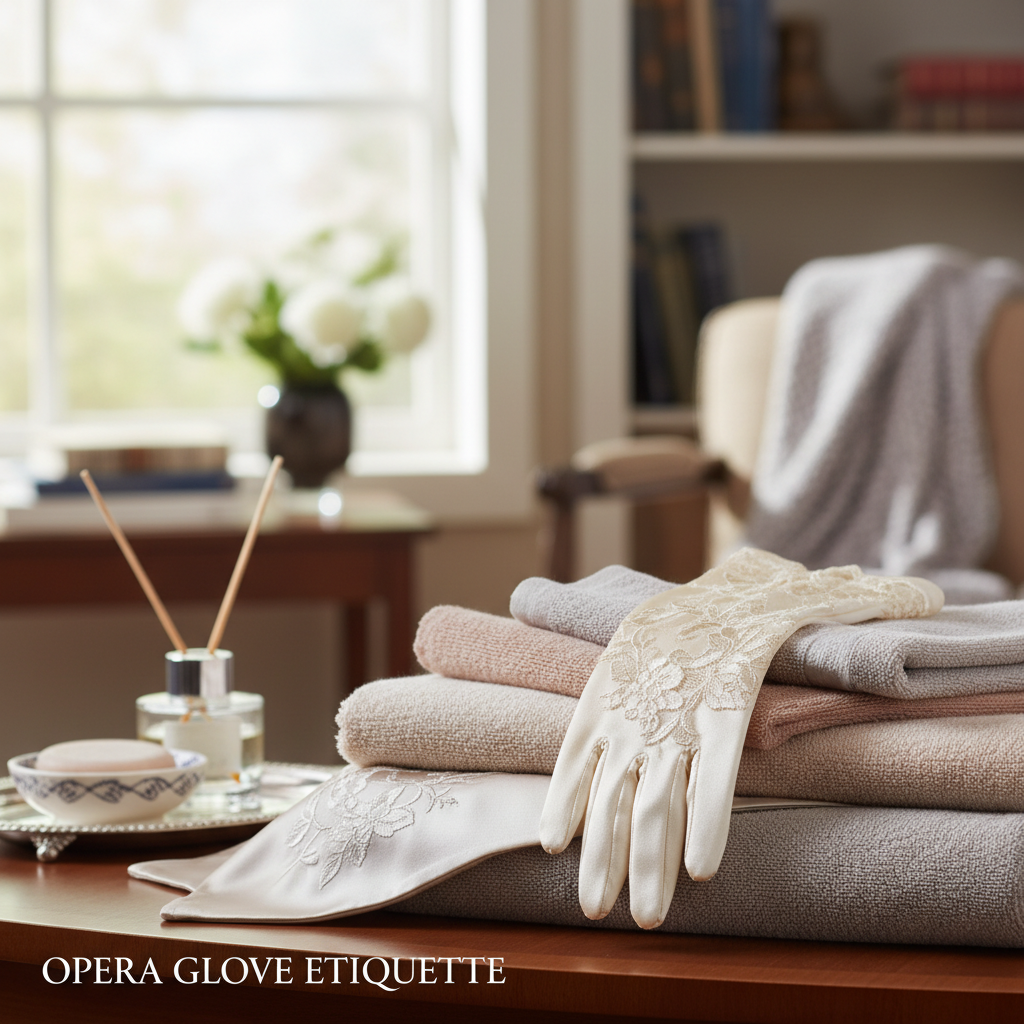
A Brief History of Opera Gloves
The tradition of wearing opera gloves dates back to the 19th century, originating with Queen Victoria. She favored long gloves as a way to subtly signal her mourning period, and soon, they became a standard accessory for high society attending the opera. The length of the gloves indicated social status - the longer the glove, the more refined the wearer. Initially, gloves were worn solely for the opera, but their popularity extended to balls, formal dinners, and other significant social events. Over time, the style evolved, with variations in length, material, and embellishments.
The Right Length for the Occasion
Choosing the correct length of opera gloves is crucial. Traditionally, gloves were categorized by length: wrist-length (approximately 10-12 inches), elbow-length (14-16 inches), and opera-length (over 20 inches). Modern etiquette suggests that for the opera or very formal balls, opera-length gloves are still the most appropriate. For less formal occasions, elbow-length gloves offer a sophisticated alternative. Wrist-length gloves are generally reserved for daytime events or less strictly formal settings.
Glove Length Guide: Choose the correct length according to formality and occasion.
Properly Wearing Opera Gloves: A Step-by-Step Guide
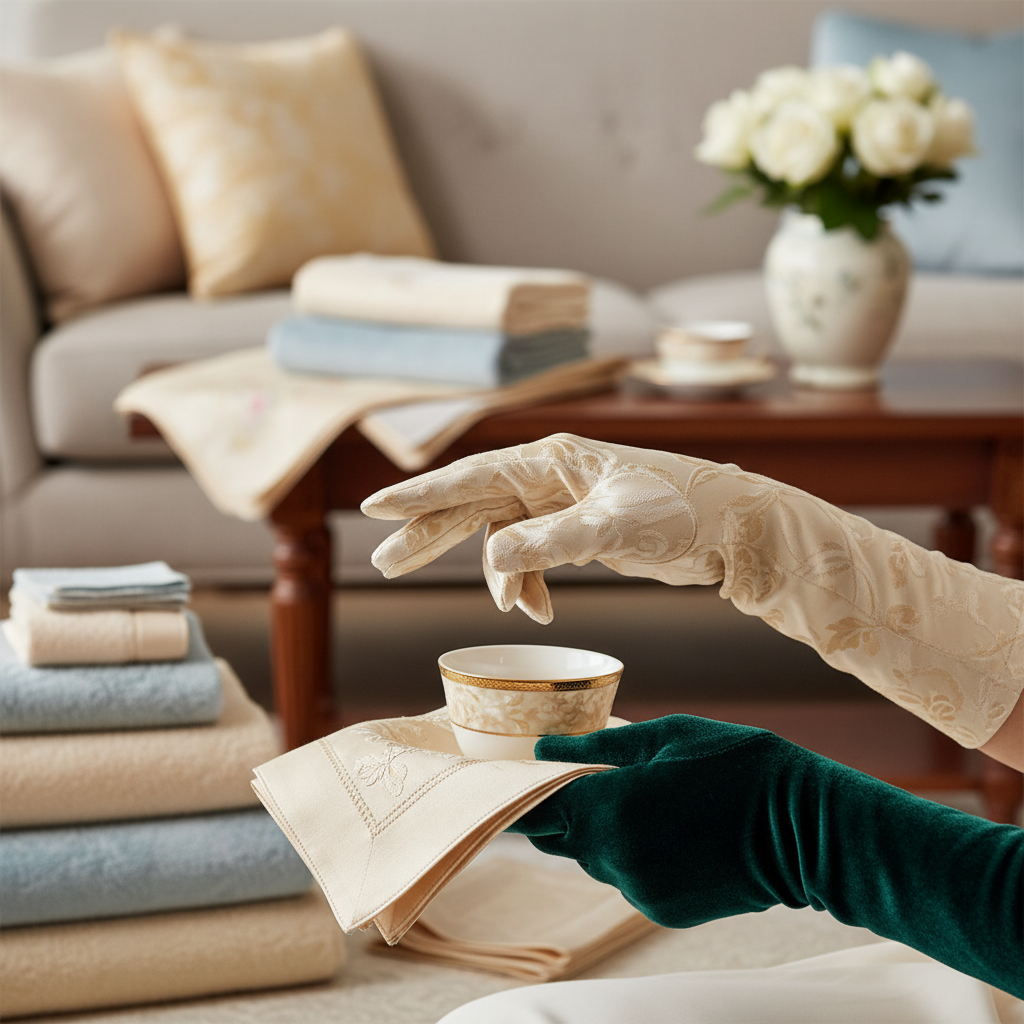
Putting on opera gloves correctly is an art form. Begin by ensuring your hands are clean and moisturized. Gently ease your hand into the glove, smoothing it out as you go. Avoid stretching the glove excessively. If wearing a ring, push it up your finger before putting on the glove, then reposition it afterward. The glove should fit snugly but not restrict movement. The hem of the glove should fall gracefully over the wrist or upper arm, depending on the length. Never attempt to button or fasten opera gloves, as they are designed to stay in place through friction and the cut of the fabric.
Opera Glove Wearing Tips:
• Ensure hands are clean and moisturized before wearing.
• Reposition rings after putting on the glove.
• Avoid excessive stretching of the glove material.
• Gloves should fit snugly but allow for movement.
Opera Glove Etiquette: Do's and Don'ts
Observing proper opera glove etiquette involves understanding what is considered acceptable and what isn't. Do wear gloves on both hands - wearing only one glove is a significant faux pas. Do remove your gloves when eating, drinking, or smoking. Do place removed gloves on your lap or next to your plate, never on the table. Don't wear gloves that are visibly damaged or stained. Don't wear gloves with casual attire. Don't fidget with your gloves during a performance or social event.
Modern Considerations and Glove Materials
While tradition dictates certain materials, modern opera gloves are available in a variety of fabrics. Silk is a classic choice, offering a luxurious feel. Suede gloves provide a more understated elegance. Leather gloves are more durable but may be less appropriate for extremely formal occasions. When selecting gloves, consider the overall ensemble and the formality of the event. At HMD Glove, we provide a wide range of colors and materials to suit any occasion.
Conclusion: Embracing Timeless Elegance
Opera gloves remain a symbol of refinement and grace. By understanding and adhering to established opera glove etiquette, you can confidently embrace this timeless tradition and add a touch of elegance to any formal occasion. A carefully chosen pair of gloves can elevate your entire ensemble and leave a lasting impression.
Frequently Asked Questions (FAQs)
What materials are opera gloves typically made from?
Traditionally, opera gloves were made from silk, offering a luxurious and delicate feel. However, modern gloves are also available in suede, leather, and various synthetic fabrics. Silk remains a popular choice for formal events due to its elegance and sheen. Suede offers a more understated look, while leather provides durability. The choice of material often depends on the occasion and personal preference. Consider the overall style of your outfit when selecting the glove material.
Can I wear opera gloves to a wedding?
Opera gloves can be worn to a wedding, but it depends on the formality of the event and the bride's preferences. For a very formal or black-tie wedding, opera gloves are an appropriate and elegant accessory. However, for a less formal wedding, they might appear overly extravagant. It's always a good idea to check with the bride or wedding planner to ensure they are appropriate. If the bride is also wearing gloves, it's generally best to avoid them to avoid overshadowing her.
What color gloves should I choose?
The color of your opera gloves should complement your outfit. Black gloves are a classic and versatile choice, suitable for almost any formal ensemble. Ivory or white gloves are appropriate for lighter-colored dresses. You can also choose gloves that match or subtly contrast with your dress color. However, avoid overly bright or clashing colors that might detract from your overall look. Consider your skin tone and the season when making your selection.
How should I store my opera gloves?
Proper storage is crucial for maintaining the quality of your opera gloves. Store them flat or loosely rolled in a cool, dry place away from direct sunlight. Avoid folding them sharply, as this can create creases. You can use acid-free tissue paper to cushion delicate materials like silk. A breathable garment bag can also protect them from dust and damage. Regular maintenance, such as gentle cleaning and conditioning, will help prolong their lifespan.