Mastering White Glove Etiquette For Exceptional Service And Client Experiences
Mastering White Glove Etiquette: A Comprehensive Guide
White glove etiquette transcends simple politeness; it’s a nuanced art form steeped in history and signaling respect. Once a necessity for protecting delicate materials, the practice of wearing white gloves has evolved into a symbol of exceptional service, formality, and meticulous attention to detail. Today, understanding white glove etiquette is vital in various professional contexts, from event management to luxury retail and hospitality. This article will delve into the history, modern applications, and essential practices of white glove service, empowering you to elevate any experience.

A Historical Perspective: The Origins of White Glove Service
The practice of wearing white gloves dates back centuries, initially serving a practical purpose. Aristocrats and affluent individuals in the 17th and 18th centuries wore gloves to protect delicate furniture, silver, and porcelain from oils and fingerprints. Over time, the practice transformed into a symbol of status and refinement. Only those who could afford to maintain immaculate gloves – an indication of leisure and wealth – participated. By the Victorian era, white gloves were an essential component of formal attire and a marker of social standing. This history imbues the practice with a sense of tradition and prestige that persists today.
Key Takeaway: White glove etiquette originated as a practical measure to protect valuable possessions, evolving into a symbol of social status and refined manners.
Modern Applications: Where White Glove Etiquette Matters Today
While the original function of protecting delicate surfaces has largely diminished, white glove etiquette remains crucial in several modern industries. Luxury retail, where creating a high-end experience is paramount, often employs staff wearing white gloves to handle merchandise and assist customers. Event planning, particularly for upscale galas and weddings, utilizes white-gloved servers to exude sophistication and professionalism. Concierge services, art handling, and even certain aspects of security benefit from the perceived level of care and precision associated with white gloves. The visual cue of white gloves communicates a commitment to detail and a superior standard of service.
Essential Practices: The Do’s and Don’ts of White Glove Service
Implementing white glove etiquette requires more than simply wearing gloves. Proper training is essential. Staff should be instructed to handle items with extreme care, avoiding any direct contact with surfaces. Gloves should be pristine – any smudges or imperfections negate the effect. Movement should be deliberate and graceful, avoiding rushed or clumsy actions. Maintaining eye contact and offering polite, attentive service are equally important. The goal is to create a seamless and luxurious experience for the client.

Choosing the Right Gloves: Materials and Styles
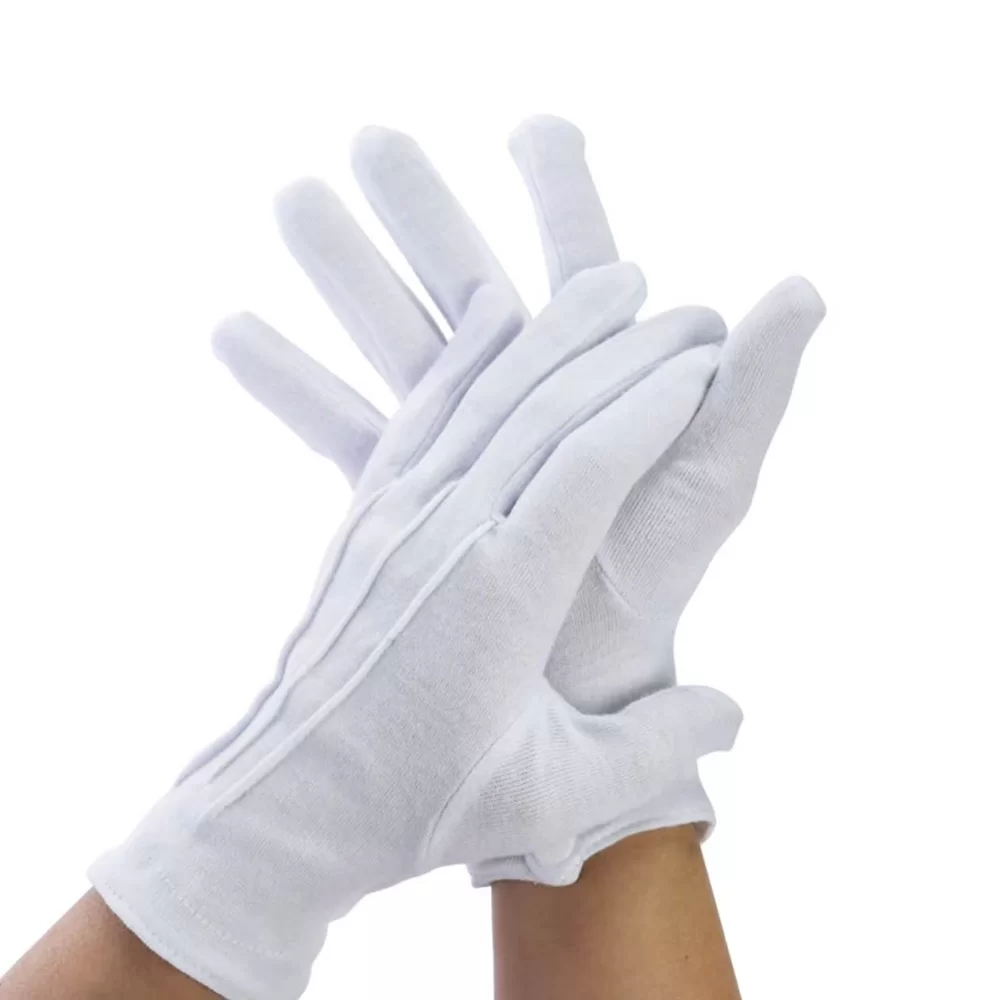
The type of white glove chosen can significantly impact the overall impression. Cotton gloves are a classic choice, offering a traditional look and feel. However, they may not be suitable for prolonged wear or handling delicate items that require a higher level of protection. Nylon gloves provide a smoother surface and are more durable. Silk gloves represent the ultimate in luxury and are ideal for handling precious artifacts or providing a truly high-end service. Consider the specific application and choose gloves that balance aesthetics, functionality, and comfort. HMD Glove provides a range of options to meet various needs.
Maintaining the Standard: Glove Care and Replacement
Consistent quality is paramount to effective white glove etiquette. Gloves should be inspected before each use for any signs of damage or staining. Soiled gloves should be replaced immediately. Proper storage is also crucial. Gloves should be stored in a clean, dry place, away from direct sunlight and harsh chemicals. Regularly laundering or replacing gloves, depending on the material, ensures they maintain their pristine appearance and deliver the desired impression. Investing in quality gloves and maintaining them diligently will pay dividends in customer satisfaction and brand perception.
Conclusion: Elevating Service with Timeless Elegance
Mastering white glove etiquette is about more than just wearing gloves; it’s about embodying a commitment to excellence, attention to detail, and a respect for the client experience. By understanding the history, principles, and practical applications of this timeless practice, you can elevate your service to a new level of sophistication and leave a lasting impression.
Frequently Asked Questions (FAQs)
What industries benefit most from implementing white glove service?
Several industries can significantly benefit, including luxury retail, event planning (especially high-end weddings and galas), art handling and transport, high-end concierge services, and security details where a refined presence is desired. Any service aiming to convey prestige, meticulous attention to detail, and a commitment to exceeding client expectations can leverage the impact of white glove etiquette. The key is to align the practice with the overall brand image and customer experience.
Is white glove etiquette appropriate in all formal settings?
While generally associated with formality, it’s crucial to consider the context. In some situations, white gloves may appear overly stuffy or out of place. For example, a highly interactive event might benefit from a more relaxed approach. It’s essential to assess the audience and the overall tone of the event to determine whether white glove service enhances or detracts from the experience. Subtlety and appropriateness are key.
How do I train my staff to properly execute white glove service?
Training should focus on both practical skills and soft skills. This includes proper handling techniques (avoiding direct contact, using a delicate touch), maintaining pristine glove condition, and demonstrating impeccable politeness and attentiveness. Role-playing scenarios can help staff practice handling different situations gracefully. Emphasize the importance of non-verbal communication, such as maintaining eye contact and projecting confidence. Regular refresher training is also recommended to reinforce best practices.
What is the proper way to wear and remove white gloves?
Gloves should be handled with care to avoid contamination. Put gloves on using the fingertips and thumb to avoid touching the palm. Ensure a snug, but comfortable fit. When removing gloves, gently peel them off inside out, avoiding contact with the exterior surface. Dispose of or launder gloves immediately after use. Proper handling maintains hygiene and preserves the immaculate appearance essential for effective white glove service.