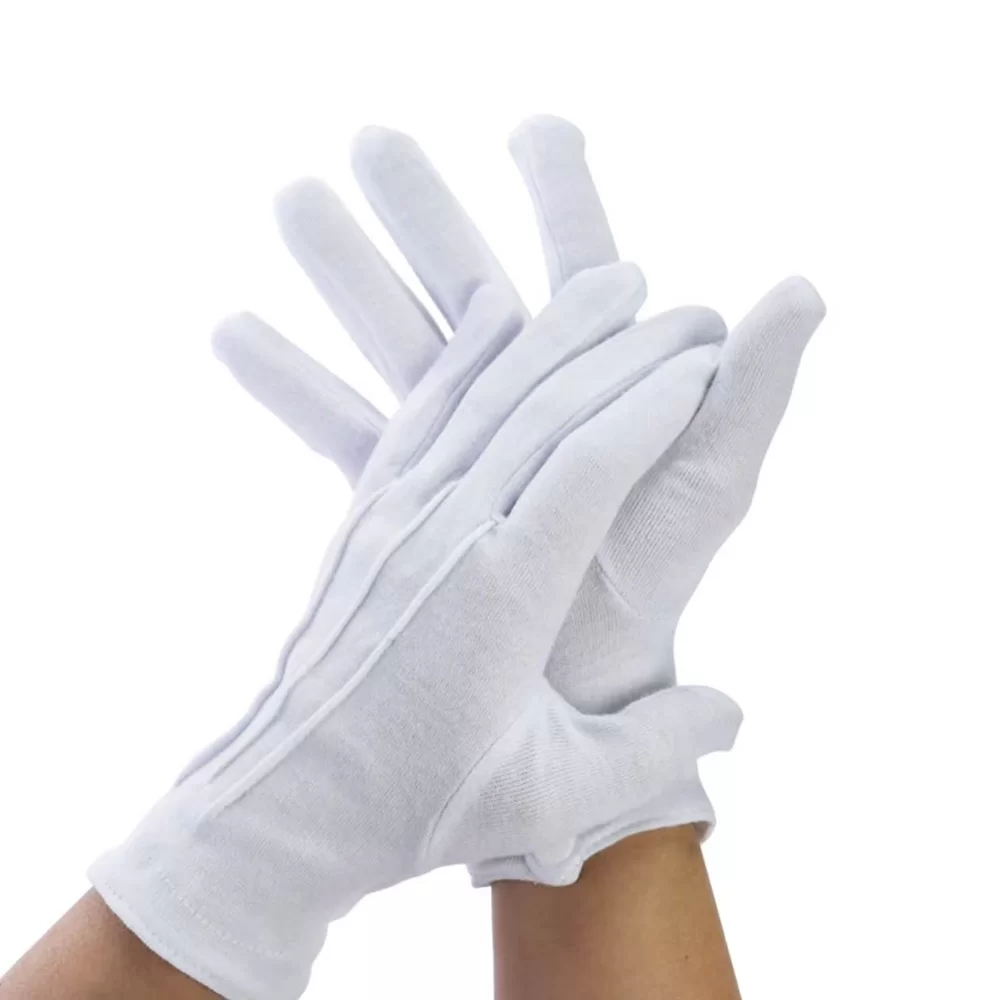
The Indispensable Role of Cleaning Gloves in Modern Hygiene
In an increasingly conscious world where hygiene and safety standards are paramount, the role of high-quality cleaning gloves has transcended simple utility to become a fundamental pillar of protective equipment across virtually every industry. From healthcare environments demanding sterile precision to industrial settings grappling with harsh chemicals, and even in domestic spheres where daily chores necessitate barrier protection, these essential tools are pivotal. The evolution of cleaning gloves reflects a journey from rudimentary rubber sheaths to highly engineered solutions designed for specific hazards, offering not just a physical barrier but also comfort, dexterity, and durability. This segment will explore the foundational importance of these critical items, highlighting how their intelligent design and material science contribute significantly to occupational safety, public health, and operational efficiency. The market for protective handwear is continuously innovating, driven by an imperative to safeguard hands against a spectrum of threats ranging from chemical burns and biological contaminants to cuts, abrasions, and extreme temperatures. Understanding this dynamic landscape is crucial for professionals and organizations striving to uphold the highest standards of safety and cleanliness. The seemingly simple act of donning a pair of gloves represents a complex interplay of material science, ergonomic design, and a deep understanding of end-user needs, underscoring their irreplaceable value in contemporary hygiene protocols.
The Tangible Impact: Data Driving the Demand for Advanced Hand Protection
The call for superior hand protection is not merely anecdotal; it is firmly rooted in compelling data illustrating the profound impact of hand injuries and exposure to hazardous substances. Annually, hand injuries account for a staggering portion of all workplace incidents, with the U.S. Bureau of Labor Statistics (BLS) reporting that hand and finger injuries constitute approximately 25% of all recordable workplace injuries. A significant percentage of these incidents, estimated to be between 70-80%, could have been prevented had proper hand protection been worn. The economic fallout is equally alarming: the average direct cost for a hand injury claim, including medical expenses and lost wages, can range from $5,000 to $10,000, while severe cases requiring surgery or long-term rehabilitation can skyrocket into tens of thousands of dollars. Indirect costs, encompassing lost productivity, training new employees, administrative burdens, and potential legal fees, can be four to five times higher than direct costs, pushing the total economic burden into billions globally each year. For instance, a recent study indicated that across various industrial sectors, an investment of just $15-$25 per worker annually in high-quality protective gloves could lead to savings of over $1,200 per worker in injury-related costs. Beyond physical trauma, exposure to chemicals through skin contact can lead to dermatitis, chemical burns, and systemic toxicity, impacting long-term health and incurring significant medical liabilities. Data from the World Health Organization (WHO) and various national health bodies consistently highlight skin diseases, including those related to chemical exposure, as among the most prevalent occupational diseases. These statistics unequivocally underscore the critical need for advanced hand protection and serve as a powerful economic and ethical imperative for businesses to prioritize the selection and provision of appropriate hand safety solutions.
Beyond Basic Protection: Unpacking the Technical Superiority of Modern Gloves
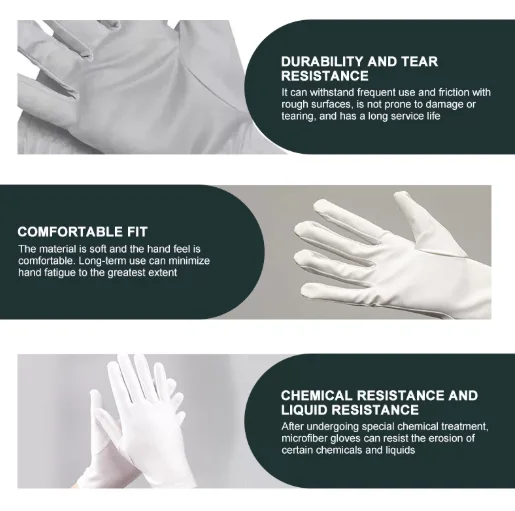
Modern hand protection has evolved far beyond the simple barrier function, integrating advanced materials and innovative designs to offer unparalleled technical advantages. The choice of material is foundational: Nitrile gloves, for instance, offer superior puncture resistance and chemical barrier properties compared to latex, while also being hypoallergenic. Their elasticity provides excellent tactile sensitivity, crucial for intricate tasks. Latex, conversely, boasts exceptional elasticity and comfort but is unsuitable for individuals with latex allergies. Neoprene gloves excel in chemical resistance, particularly against acids and solvents, and offer good temperature insulation, making them ideal for laboratory and industrial cleaning. Vinyl gloves provide a cost-effective solution for low-risk, general-purpose tasks where barrier protection is sufficient, albeit with less durability and chemical resistance than nitrile or neoprene. PVC gloves are robust, offering excellent abrasion resistance and good protection against certain chemicals. Beyond material composition, innovations like textured finger-tips and palms significantly enhance grip, even in wet or oily conditions, reducing the risk of slippage and improving control. Flock lining, a soft cotton layer inside gloves, not only enhances comfort by absorbing perspiration but also makes donning and doffing easier, particularly for extended wear. Advanced multi-layer designs combine different polymers to achieve a synergistic effect, offering enhanced protection against a wider spectrum of chemicals and physical hazards without sacrificing dexterity. Some gloves incorporate anti-microbial treatments to inhibit bacterial growth, extending glove hygiene and reducing the risk of cross-contamination. Furthermore, ergonomic considerations such as pre-curved fingers and optimized thickness minimize hand fatigue during prolonged use, leading to greater compliance and productivity. The integration of touch-screen compatibility in certain designs removes the need to remove gloves for operating smart devices, streamlining workflows in digitally integrated environments. These technical advancements collectively ensure that modern gloves are not just protective gear but sophisticated tools designed to enhance safety, efficiency, and user comfort in demanding applications.
Strategic Selection: A Comparative Analysis of Leading Glove Manufacturers
Choosing the right glove manufacturer is a strategic decision that impacts safety, cost-efficiency, and operational continuity. The market is populated by numerous reputable brands, each with its unique strengths and specialties. A thorough comparison requires evaluating key factors such as material innovation, durability ratings, ergonomic design, compliance with international standards, and overall value proposition. Below is a comparative analysis of three hypothetical leading manufacturers, highlighting their distinct offerings and areas of expertise to guide informed procurement decisions. This table provides a snapshot, but deeper dives into specific product lines are always recommended to match glove capabilities precisely with application requirements.
Feature/Manufacturer | Apex Safety Solutions | Guardian Grip Innovations | Pristine Protectors Co. |
Primary Focus/Specialty | High-performance industrial & chemical resistance, advanced composites. | Ergonomic design, superior dexterity for intricate tasks, sustainable options. | Cost-effective, broad-spectrum general purpose, high volume medical/food service. |
Material Range | Nitrile, Neoprene, Butyl, Multi-polymer blends, specialized coatings. | Nitrile, Latex (low protein), TPE, Biodegradable Nitrile. | Vinyl, Nitrile (standard & powder-free), Latex. |
Chemical Resistance Rating (1-5, 5=highest) | 5 (Excellent, broad spectrum) | 4 (Very Good, specific chemicals) | 3 (Good, general chemicals) |
Puncture/Abrasion Resistance | Superior (Enhanced polymer matrix) | Excellent (Optimized thickness & elasticity) | Good (Standard thickness) |
Comfort & Dexterity | Very Good (Advanced lining, ergonomic fit) | Exceptional (Thin film technology, pre-curved fingers) | Good (Standard fit, often thicker) |
Certifications & Standards | EN 374, EN 388, ASTM F739, ISO 9001, CE Category III. | EN 455, FDA 510(k), ASTM D6319, EN 374, ISO 13485. | EN 455, FDA 510(k), CE Category I/II. |
Price Point (Relative) | Premium | Mid-to-Premium | Economy-to-Mid |
Unique Selling Points | Proprietary chemical barrier technology, custom blends for specific hazards. | Eco-friendly manufacturing, touchscreen compatible designs, enhanced grip patterns. | High volume production capacity, reliable quality for everyday use, wide distribution. |
This comparison underscores that the "best" manufacturer depends entirely on the specific application, risk profile, and budgetary constraints. While Apex Safety Solutions might be indispensable for handling highly corrosive materials, Guardian Grip Innovations could be the preferred choice for tasks requiring fine motor skills in eco-conscious environments, and Pristine Protectors Co. would likely be the go-to for large-scale general cleaning or food handling operations where cost-effectiveness and reliable volume are key.
Tailored Protection: Customization and Bespoke Solutions for Every Need
In an era where operational demands are increasingly specialized, generic hand protection often falls short. Recognizing this, leading manufacturers offer extensive customization options, allowing businesses to procure gloves that are perfectly tailored to their unique requirements, thereby maximizing safety, efficiency, and brand consistency. The spectrum of customization begins with material composition: clients can often specify unique polymer blends that provide optimized resistance to a precise combination of chemicals or environmental stressors. For instance, a facility dealing with both strong acids and abrasive surfaces might require a glove engineered with a specific multi-layer construction incorporating enhanced nitrile and a robust outer coating. Thickness and length are also critical parameters; longer cuffs provide extended forearm protection in tasks involving submersion or splash hazards, while varying thicknesses can balance protection with tactile sensitivity. Color-coding, a seemingly minor detail, plays a vital role in preventing cross-contamination in environments like food processing plants or healthcare facilities, where specific colors can designate gloves for particular areas or tasks. Beyond functional attributes, branding opportunities such as embossed logos or custom packaging can reinforce corporate identity and compliance. Specialized linings, like extra-absorbent cotton for humid environments or thermal insulation for cold storage, can significantly enhance user comfort and endurance. Furthermore, manufacturers can work with clients to ensure gloves meet specific regulatory certifications beyond standard requirements, such as enhanced FDA compliance for direct food contact or specialized cleanroom classifications. The ability to request unique grip patterns, anti-static properties, or even specific biodegradable formulations demonstrates the depth of customization available. This bespoke approach extends to supply chain management, where large organizations can collaborate with manufacturers on dedicated production lines, inventory management, and just-in-time delivery schedules, ensuring a consistent supply of perfectly suited gloves while optimizing procurement costs. Investing in customized hand protection is not just about meeting a need; it's about proactively engineering safety and operational excellence.
Versatility in Action: Diverse Applications of High-Performance Gloves
The ubiquity of high-performance gloves underscores their incredible versatility across an astonishing array of sectors, each presenting its own unique set of challenges and requiring specific protective attributes. In the healthcare industry, from surgical procedures to routine patient care and facility sanitization, gloves are critical for infection control and protecting both medical professionals and patients from pathogens and cytotoxic drugs. Nitrile and latex (powder-free) are dominant here, often meeting stringent ASTM and EN standards for medical examination or surgical use. Industrial cleaning and maintenance in manufacturing plants, refineries, and workshops demand robust gloves resistant to harsh chemicals, oils, greases, and physical hazards like cuts and abrasions. Neoprene, butyl, and heavy-duty nitrile, often with textured grips and extended cuffs, are preferred. In the food processing and service industry, gloves prevent cross-contamination and protect workers from hot surfaces, cold temperatures, and irritants from food acids or cleaning agents. Here, food-grade nitrile, vinyl, and sometimes specialized insulated gloves are used, adhering to FDA regulations for direct food contact. Automotive detailing and repair requires gloves that can withstand contact with fuels, lubricants, brake fluids, and various cleaning solvents, while maintaining sufficient dexterity for handling small parts. High-dexterity nitrile gloves are a staple. Laboratories and research facilities necessitate gloves with precise chemical resistance profiles for specific reagents, often requiring thin yet highly protective materials for intricate tasks and maximum tactile feedback. Multi-layer nitrile and specialized barrier films are common. In agricultural settings, gloves protect against pesticides, fertilizers, thorny plants, and general abrasions, often favoring durable, sometimes reusable, PVC or heavy-duty latex options. Even in advanced janitorial services, specialized gloves designed for specific cleaning solutions, ranging from disinfectants to abrasive cleaners, enhance safety and efficiency. This broad spectrum of applications highlights that the selection of the right glove is not a one-size-fits-all proposition but a nuanced decision based on hazard assessment, task requirements, and industry-specific regulations, proving the indispensable nature of tailored protective solutions.
Strategic Investment in Superior Cleaning Gloves for a Safer Tomorrow
The journey through the critical importance, technological advancements, strategic selection, and diverse applications of cleaning gloves culminates in a clear understanding: these are not mere consumables but strategic investments in safety, efficiency, and long-term sustainability. The commitment to providing high-quality cleaning gloves is a testament to an organization's dedication to its workforce's well-being, regulatory compliance, and overall operational excellence. As industries continue to evolve, so too will the demands placed upon protective handwear. The future promises even greater innovations, with research focusing on integrating smart technologies into gloves for real-time hazard detection, developing fully biodegradable materials that maintain high performance, and creating advanced composites offering unprecedented levels of protection against a wider array of extreme conditions. Investing in premium cleaning gloves today means mitigating risks, reducing injury-related costs, enhancing worker productivity and morale, and fostering a culture of safety that permeates every aspect of an enterprise. It's about empowering individuals with the confidence and protection they need to perform their duties effectively and safely, irrespective of the inherent hazards. Therefore, the strategic procurement of superior hand protection should be viewed not as an expense, but as a foundational element of responsible and forward-thinking business practice, ensuring a safer, healthier, and more productive tomorrow for all.
Frequently Asked Questions (FAQ) about Cleaning Gloves
Q1: What is the primary difference between Nitrile, Latex, and Vinyl cleaning gloves?
A1: Nitrile gloves offer superior puncture and chemical resistance, are latex-free, and provide excellent tactile sensitivity. Latex gloves are highly elastic, comfortable, and offer good dexterity, but can cause allergic reactions. Vinyl gloves are a cost-effective option for low-risk tasks, providing a basic barrier but generally less durable and chemical resistant than nitrile or latex.
Q2: How do I choose the correct size of cleaning gloves?
A2: To choose the correct size, measure the circumference of your dominant hand just below your knuckles, excluding your thumb. Compare this measurement to the manufacturer's sizing chart, as sizes can vary slightly between brands. A well-fitting glove should be snug but not restrictive, allowing full range of motion and tactile feedback without excess material.
Q3: Are there eco-friendly or biodegradable cleaning gloves available?
A3: Yes, the market is seeing a growing number of eco-friendly options. Some manufacturers offer biodegradable nitrile gloves, often incorporating specific organic additives that accelerate degradation in biologically active landfills. Other innovations include gloves made from recycled materials or sustainable plant-based polymers.
Q4: How important is chemical resistance in cleaning gloves, and how is it rated?
A4: Chemical resistance is critically important, especially when handling harsh cleaning agents, solvents, or hazardous substances. It's typically rated according to standards like EN 374, which specifies breakthrough time (how long it takes for a chemical to permeate the glove) and degradation (how the glove material changes upon contact). Always check the manufacturer's chemical resistance guide for specific chemicals.
Q5: Can cleaning gloves be reused, or are they strictly single-use?
A5: It depends on the glove type and the application. Most thin examination or general-purpose cleaning gloves (like those found in healthcare or food service) are designed for single-use to prevent cross-contamination. Thicker, heavy-duty industrial or household cleaning gloves, made from materials like neoprene or PVC, are often designed for multiple uses, provided they are properly cleaned, inspected for damage, and stored after each use.
Q6: What certifications should I look for when purchasing professional cleaning gloves?
A6: Key certifications include EN 374 (chemical risks), EN 388 (mechanical risks like abrasion, cut, tear, puncture), EN 407 (thermal risks), and EN 455 (medical gloves for single use). For food contact, look for FDA compliance (U.S.) or specific EU regulations. CE marking indicates conformity with European health, safety, and environmental protection standards.
Q7: Do cleaning gloves offer protection against bacteria and viruses?
A7: Yes, most disposable cleaning gloves, particularly those made from nitrile or latex, act as an effective barrier against bacteria and viruses, preventing direct skin contact with contaminants. This is why they are essential in healthcare, food handling, and general cleaning to reduce the risk of infection and cross-contamination. However, their integrity must be maintained (no punctures or tears) for effective protection.