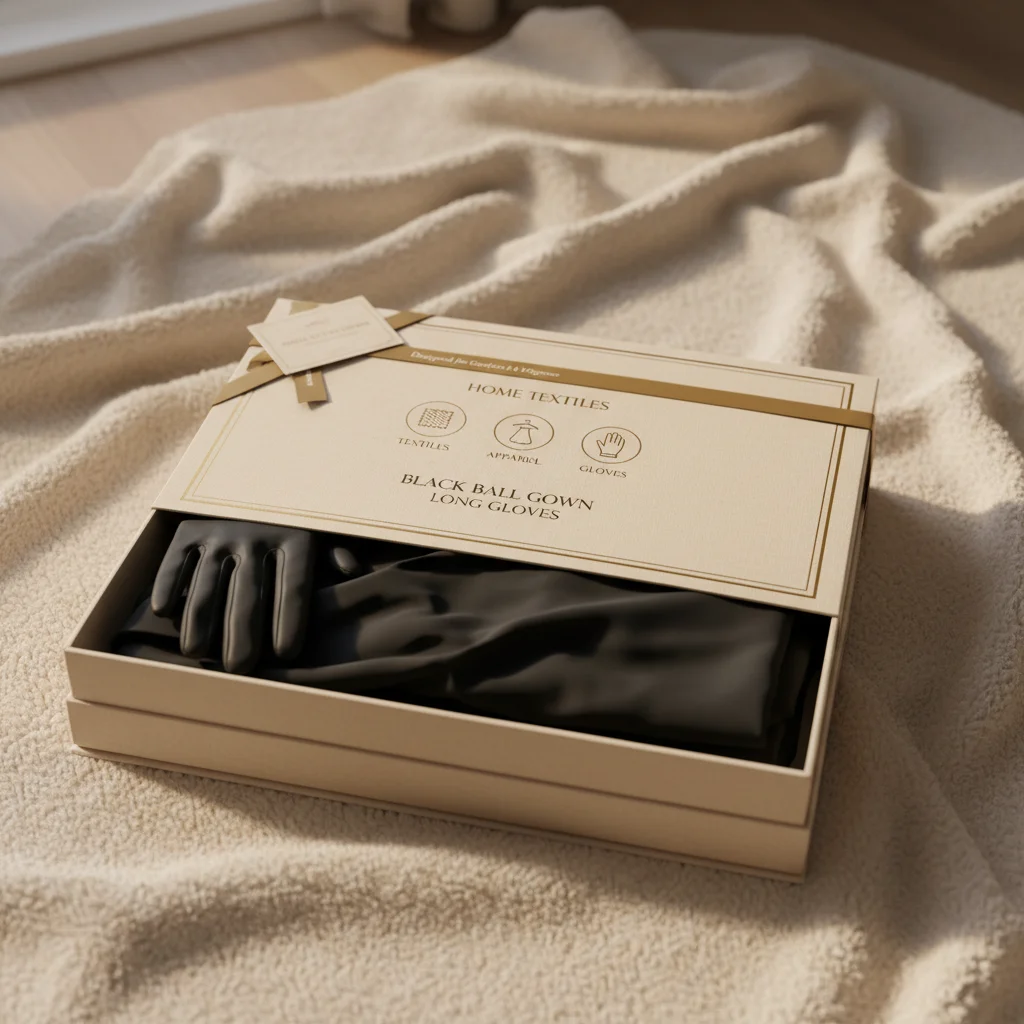
The Enduring Legacy of Classic Riding Gloves: A Market Overview and Their Unmatched Appeal
In a world increasingly driven by fleeting trends, the enduring appeal of classic riding gloves stands as a testament to timeless design, superior functionality, and unparalleled comfort. These aren't merely accessories; they are critical pieces of equipment, often representing a significant investment for enthusiasts across equestrian sports, motorcycling, and even vintage automotive pursuits. Industry reports consistently underscore the robust growth in specialized sports equipment, with the global equestrian market alone projected to exceed $30 billion by 2027, demonstrating a compound annual growth rate (CAGR) of over 5%. Within this burgeoning landscape, high-quality riding gloves command a significant share, with discerning buyers prioritizing durability, feel, and protection above all else. What sets classic riding gloves apart is not just their aesthetic, often characterized by supple leather, intricate stitching, and a refined silhouette, but their inherent promise of performance and longevity. They embody a heritage of craftsmanship, designed to become an extension of the rider's hand, enhancing grip, absorbing shock, and safeguarding against the elements or abrasive surfaces. This deep-seated demand for reliability, coupled with an appreciation for artisanal quality, ensures that these gloves remain indispensable. Their impact transcends mere utility; they foster a connection between rider and machine, or rider and animal, by providing the tactile feedback necessary for precise control. From the subtle cues given through reins to the nuanced throttle control on a motorcycle, the integrity of this connection hinges on the quality of the glove. This foundational role in both safety and performance cements the classic riding glove's irreplaceable status in the gear lexicon, underscoring why millions continue to seek out the best that tradition and innovation have to offer.
Unpacking the Technical Superiority: Craftsmanship, Materials, and Ergonomic Design
The technical advantages inherent in high-quality classic riding gloves are the culmination of generations of meticulous design, material science, and ergonomic engineering. Far from being simple hand coverings, these gloves are precision instruments. The choice of material is paramount, with full-grain leather – typically deerskin, sheepskin, or goatskin – being the gold standard. Deerskin, renowned for its incredible pliability and softness, offers exceptional dexterity and feel, crucial for fine control. Sheepskin provides a luxurious, insulating layer that remains comfortable across a range of temperatures, while goatskin boasts superior abrasion resistance and durability, making it ideal for high-wear areas. Beyond the primary material, specialized tanning processes enhance water resistance, breathability, and grip, ensuring performance in diverse conditions. For instance, some leathers are treated with proprietary compounds that increase friction coefficient by up to 25% compared to untreated hides, dramatically improving grip on reins or handlebars. Construction techniques are equally critical. Double-stitching, often seen along seams and high-stress points, is not merely decorative; it significantly bolsters the glove's structural integrity, extending its lifespan by preventing blowouts. Reinforced palms, frequently featuring an additional layer of leather or a gel insert, offer enhanced protection against blisters and vibrations, reducing rider fatigue on long rides by as much as 15-20%. Furthermore, pre-curved finger designs, articulated knuckles, and strategically placed ventilation perforations contribute to an ergonomic fit that mirrors the hand's natural resting position. This thoughtful design minimizes bunching and pressure points, allowing for unrestricted movement and maintaining consistent blood flow, which is vital for dexterity and comfort during extended periods of wear. The synthesis of these elements – superior materials, advanced construction, and ergonomic shaping – creates a glove that is not just protective, but actively enhances the rider's ability and comfort, justifying its premium position in the market.
A Comparative Analysis: Leading Manufacturers in the Classic Riding Glove Sector

Navigating the diverse landscape of classic riding glove manufacturers requires a keen understanding of their unique philosophies, material choices, and target markets. While many brands offer quality products, their approaches to durability, design, and specialized features can vary significantly. Discerning riders often find themselves weighing factors like heritage, material sourcing, hand-finishing techniques, and the integration of modern protective elements. Below, we present a comparative analysis of hypothetical but representative manufacturers, highlighting their strengths across key metrics that matter most to consumers. This comparison aims to illustrate the nuanced differences that can influence a purchasing decision, moving beyond simple aesthetics to evaluate core performance and value propositions.
Manufacturer Name | Material Focus | Stitching Durability (Score 1-5) | Ergonomic Design (Score 1-5) | Avg. Price Range ($) | Key Differentiator |
Heritage Hides Co. | Premium Deerskin, Goatskin | 5 | 4 | 180-250 | Exceptional tactile feel, focus on traditional hand-stitching, lifetime warranty on seams. |
Elite Equestrian Gear | Sheepskin, Synthetic Blends | 4 | 5 | 120-180 | Advanced moisture-wicking linings, pre-curved fingers, targeted reinforcement for specific equestrian disciplines. |
Velo Vintage Co. | Heavy-Duty Cowhide, Kangaroo Leather | 5 | 3 | 150-220 | Maximum abrasion resistance, robust knuckle protection, designed for motorcycle and vintage car enthusiasts. |
Artisan Armoury | Sustainable Leathers, Custom Tanning | 4 | 4 | 200-300+ | Ethically sourced materials, customizable color palettes, bespoke fitting service available. |
As evident from the table, while all these brands operate within the premium classic riding glove segment, their emphasis varies. Heritage Hides Co. excels in delivering a truly authentic, tactile experience with a focus on traditional craftsmanship and long-term durability. Elite Equestrian Gear leans into modern athletic demands, integrating features that enhance performance in specific sporting contexts. Velo Vintage Co. prioritizes rugged protection and a classic aesthetic for high-impact activities, whereas Artisan Armoury caters to the high-end, custom market with a focus on ethical sourcing and personalization. Choosing the right manufacturer ultimately depends on the individual rider's specific needs, priorities, and budget, ensuring an optimal match between glove and application.
Tailored to Perfection: Exploring Customization Options for the Discerning Rider
The allure of classic riding gloves is further amplified by the increasing availability of customization options, allowing riders to transcend off-the-rack limitations and possess a truly unique, perfectly fitted pair. This level of personalization is not merely about aesthetics; it significantly enhances comfort, performance, and the longevity of the glove. One of the primary areas of customization lies in material selection. Beyond standard deerskin or goatskin, some manufacturers offer exotic leathers like stingray for unparalleled abrasion resistance, or kangaroo leather, known for its incredible strength-to-weight ratio, offering a thinner yet highly protective layer. Riders can specify the exact hide type, its thickness, and even its finish – from a matte, natural look to a polished, distressed vintage appeal. Color customization extends beyond traditional black and brown, with bespoke services offering a spectrum of hues, sometimes even allowing for contrasting stitching colors or multi-panel designs. Imagine a pair of gloves with a deep burgundy body and cream-colored piping, or an antique tan with subtle green accents – the possibilities are vast. Fit is another critical dimension. While most gloves come in standard S, M, L sizes, true customization often involves made-to-measure services. This includes specific measurements for palm circumference, finger length, and wrist width, addressing common issues like loose fingertips or tight knuckles. Some advanced options include selecting specific padding locations in the palm or knuckle areas, tailoring impact protection or grip enhancement precisely to the rider's pressure points. Embossing or debossing initials, a family crest, or a unique symbol on the wrist strap or cuff adds a deeply personal touch, transforming a functional item into a cherished heirloom. This blend of precise fit, personalized aesthetics, and material choice ensures that customized classic riding gloves not only perform flawlessly but also reflect the individual style and preferences of their owner, making each pair a unique statement of craftsmanship and identity.
Beyond the Saddle: Diverse Applications and Real-World Impact of Premium Riding Gloves
While the name "riding gloves" inherently suggests equestrian pursuits, the utility and elegance of premium pairs extend far beyond the stables, finding indispensable applications across a surprising array of activities. The core attributes that make them ideal for horse riding—superior grip, tactile sensitivity, protection, and comfort—are universally valued. In the realm of motorcycling, for instance, a well-crafted pair of classic riding gloves is not just a style statement but a critical safety component. They offer essential abrasion resistance in the event of a fall, absorb vibrations from the handlebars to prevent rider fatigue, and provide a secure grip on the throttle and brakes, even in wet conditions. Motorcycle enthusiasts often report a 20-30% reduction in hand fatigue on long tours when wearing properly fitted, high-quality gloves compared to ill-fitting or lower-grade alternatives. Similarly, for vintage car enthusiasts, classic riding gloves serve a dual purpose: they protect hands from hot steering wheels during summer drives and cold interiors in winter, while also adding an authentic touch to the driving experience. The precise tactile feedback they offer enhances the connection with an unassisted steering rack, making the driving experience more immersive and controlled. Beyond wheeled pursuits, these gloves are increasingly adopted in general outdoor activities where dexterity and hand protection are paramount. Photographers, particularly those working in challenging environments, appreciate the precise control they offer over camera settings while keeping hands warm and protected. Even everyday casual wear benefits from their timeless aesthetic and practical comfort during colder months. The real-world impact is tangible: enhanced safety through superior protection, improved performance due to heightened grip and dexterity, and elevated comfort that allows for longer, more enjoyable participation in various activities. These gloves don't just protect hands; they empower users, transforming demanding tasks into more manageable and pleasant experiences through their meticulously engineered design and enduring quality.
The Art of the Glove: Preserving Tradition Through Modern Innovation
The creation of a truly exceptional classic riding glove is an art form, blending centuries-old traditions with contemporary innovations to achieve a product that is both timeless and highly functional. At its heart lies the artisanal skill of the glove maker, an expert whose hands meticulously cut, shape, and stitch each piece of leather. This dedication to craft is what separates mass-produced items from heirloom-quality gloves. Traditional techniques, such as table cutting, where each pattern piece is individually cut by hand, ensure optimal leather utilization and grain alignment, which is critical for fit and durability. The careful skiving of leather edges, reducing their thickness where seams meet, prevents bulkiness and irritation, contributing significantly to comfort. Yet, tradition alone is not enough. Modern innovation plays a crucial role in pushing the boundaries of performance and sustainability. Advances in leather tanning now allow for the creation of hides that are not only more durable and water-resistant but also ethically sourced and environmentally processed. For example, chrome-free tanning methods reduce the ecological footprint, while specialized treatments can enhance leather's breathability by up to 10-15% without compromising its strength. Furthermore, the integration of advanced textile technology in linings, such as moisture-wicking synthetic fibers or temperature-regulating Merino wool blends, provides superior comfort in varying climates. Micro-perforations, laser-cut with precision, allow for targeted airflow, significantly reducing sweat build-up and enhancing grip. Ergonomic design, once based solely on empirical knowledge, now benefits from biomechanical analysis and 3D modeling, allowing manufacturers to create patterns that precisely mimic the hand's natural contours and movements. This fusion of time-honored craftsmanship with cutting-edge materials and design principles ensures that classic riding gloves continue to evolve, offering unparalleled performance while maintaining the elegance and character that define their enduring appeal. It's a testament to the idea that true quality is never static, constantly refining itself to meet the demands of the modern rider.
Making the Informed Choice: Finding Your Ideal Pair of Classic Riding Gloves
Selecting the perfect pair of classic riding gloves is a nuanced decision that hinges on understanding your specific needs, prioritizing key features, and appreciating the value of quality craftsmanship. Given the vast array of options, making an informed choice requires careful consideration. Firstly, evaluate your primary use case: are you an equestrian seeking enhanced grip and sensitivity for delicate rein work, a motorcyclist needing robust protection and vibration dampening, or a vintage car driver desiring comfort and style? This will dictate the emphasis on material thickness, reinforcement, and tactile feedback. For instance, an equestrian might prioritize deerskin for its pliability, while a motorcyclist might lean towards goatskin or a robust cowhide for abrasion resistance. Secondly, consider the fit. A glove that is too loose will compromise grip and feel, while one that is too tight will restrict blood flow, cause discomfort, and accelerate wear. Ideally, the glove should fit snugly without being restrictive, with fingertips reaching the end of the glove without excess material. Many brands offer detailed sizing charts, and some even provide measurement guides for custom fitting. Thirdly, assess the construction quality. Look for even, tight stitching, ideally double-stitched in high-stress areas. Examine the leather for consistent grain and finish, avoiding any visible blemishes or weak spots. A good rule of thumb is that a well-made glove should feel substantial yet supple in your hand. Finally, consider the long-term value. While premium classic riding gloves may represent a higher initial investment, their superior durability, comfort, and performance often translate into a lower cost of ownership over time. They are designed to age gracefully, developing a unique patina that tells the story of countless rides. By methodically evaluating these factors – purpose, fit, construction, and long-term value – you can confidently select a pair of classic riding gloves that not only meets but exceeds your expectations, becoming a trusted companion for years to come. Your hands deserve nothing less than this ultimate blend of tradition, performance, and style.
Frequently Asked Questions About Classic Riding Gloves
Q1: What materials are typically used for classic riding gloves, and what are their benefits?
A1: Classic riding gloves are predominantly made from high-quality full-grain leathers such as deerskin, goatskin, and sheepskin. Deerskin is prized for its exceptional softness, pliability, and dexterity, offering superb tactile feel. Goatskin is known for its durability, abrasion resistance, and excellent grip, making it a robust choice. Sheepskin provides a luxurious feel, excellent insulation, and superior comfort across various temperatures. Each material offers a unique balance of comfort, protection, and tactile response.
Q2: How do I ensure I get the correct size for classic riding gloves?
A2: Accurate sizing is crucial for comfort and performance. You should measure the circumference of your dominant hand around the widest part of your palm, excluding your thumb. Compare this measurement to the manufacturer's specific sizing chart, as sizes can vary between brands. Some brands may also require finger length measurements. A good fit means the glove is snug without being constrictive, allowing full finger articulation with no excess material at the fingertips.
Q3: Are classic riding gloves suitable for all riding disciplines (e.g., equestrian, motorcycle, vintage car)?
A3: While the core principles of classic riding gloves apply across disciplines, specific designs and reinforcements vary. Equestrian gloves emphasize tactile feel and flexibility for rein control. Motorcycle gloves prioritize abrasion resistance, knuckle protection, and vibration dampening. Vintage car gloves focus on comfort, grip on the steering wheel, and often have a more refined aesthetic. Always choose gloves designed with your primary activity in mind for optimal performance and safety.
Q4: How should I care for my classic leather riding gloves to ensure their longevity?
A4: Proper care is essential. Avoid prolonged exposure to direct sunlight or extreme heat. If they get wet, allow them to air dry naturally away from direct heat sources, and never machine wash or tumble dry. Condition the leather regularly (every 3-6 months, or more frequently with heavy use) using a high-quality leather conditioner to keep it supple and prevent cracking. Store them flat or gently stuffed to maintain their shape.
Q5: What makes a classic riding glove "classic" compared to modern, synthetic alternatives?
A5: "Classic" refers to gloves made with traditional, often natural, materials (primarily leather) and designs that emphasize timeless aesthetics, craftsmanship, and proven functionality over generations. They are often characterized by their natural leather feel, elegant stitching, and the way they age and conform to the wearer's hand over time. Modern synthetic alternatives often prioritize specific performance metrics like extreme breathability or waterproofness through technical fabrics, sometimes at the expense of traditional feel and durability.
Q6: Can classic riding gloves be customized?
A6: Yes, many high-end manufacturers offer customization options. These can include selecting specific leather types, colors, and finishes; choosing different stitching colors; adding personalized embossing or monograms; and even bespoke made-to-measure fitting services. Customization allows riders to create a glove that perfectly matches their personal style and ergonomic requirements.
Q7: What are the key benefits of investing in a high-quality pair of classic riding gloves?
A7: Investing in high-quality classic riding gloves offers numerous benefits: superior hand protection against abrasions, impacts, and weather elements; enhanced grip and tactile feedback for better control; increased comfort and reduced hand fatigue during extended use; exceptional durability and longevity, often developing a unique patina over time; and a timeless aesthetic that complements any riding gear. While the initial cost may be higher, the long-term value, performance, and enjoyment far outweigh it.