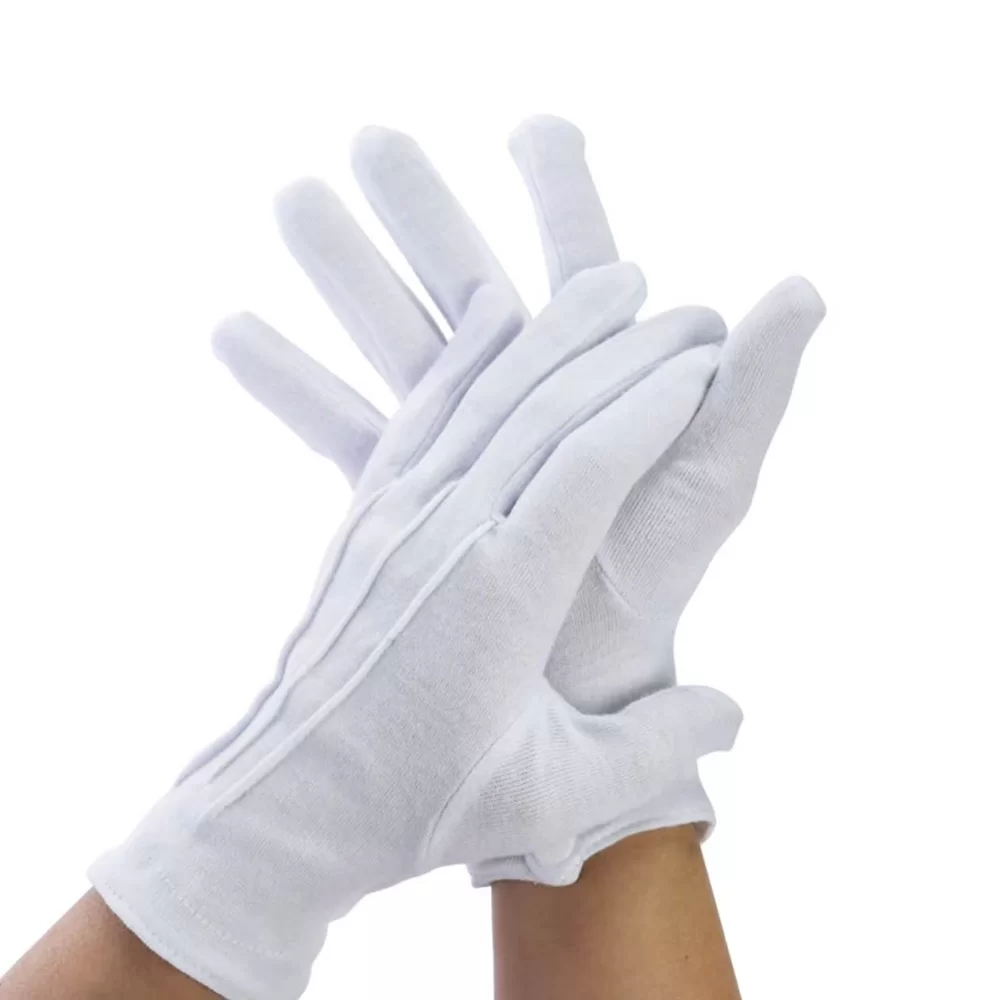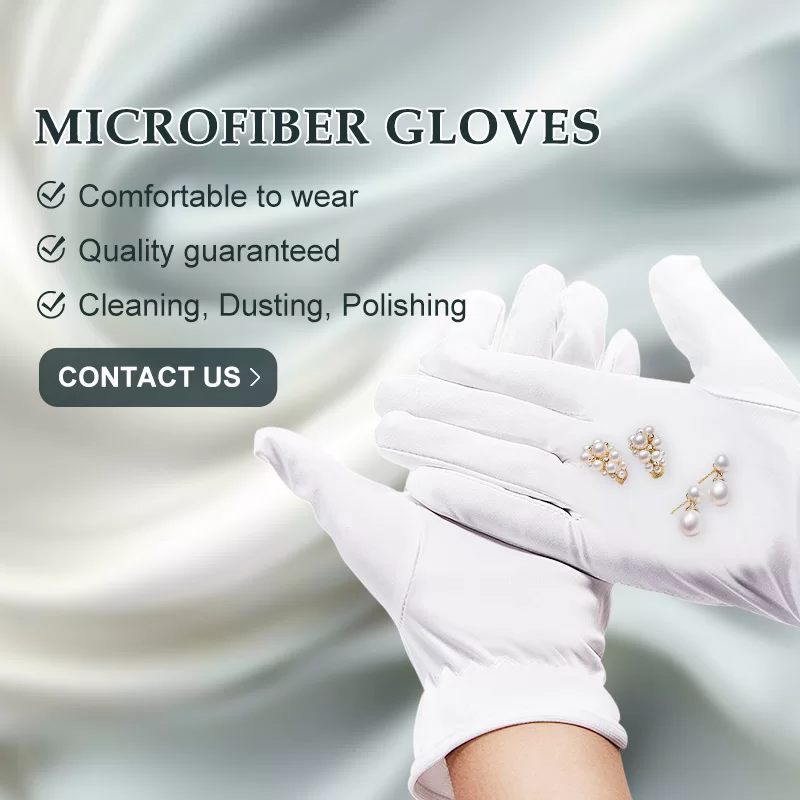
Essential Protection Gloves and Gowns for Safe and Compliant Workspaces
Gloves and Gowns: Essential PPE for Safe Environments
In environments requiring stringent hygiene and safety protocols, the use of appropriate Personal Protective Equipment (PPE) is paramount. Gloves and gowns are two fundamental components of this protection, safeguarding both workers and those they serve. This article explores the importance of choosing the right gloves and gowns, their diverse applications, key features to consider, and how HMD Glove provides high-quality solutions. Understanding these essential PPE items is critical for maintaining a safe and compliant workspace.

The Crucial Role of Gloves in Protection
Gloves act as a vital barrier against contaminants, preventing the spread of infections and protecting hands from hazardous substances. The type of glove needed varies significantly depending on the application. From surgical procedures requiring sterile latex gloves to industrial settings demanding chemical-resistant nitrile gloves, selecting the correct material is critical. Proper glove selection minimizes risks associated with contact with bloodborne pathogens, chemicals, and other potentially harmful agents. Effective hand protection is essential in healthcare, food processing, manufacturing, and many other sectors.
Key Considerations: Selecting the right glove requires assessing the task, potential hazards, and material compatibility.
Gowns: Providing a Full-Body Barrier
Gowns serve as protective clothing designed to shield skin and clothing from contamination. Similar to gloves, gown selection hinges on the environment and potential risks. Disposable gowns are commonly used in healthcare settings to prevent cross-contamination, while reusable gowns, often made from more durable materials, are preferred in laboratories and some industrial applications. The level of protection offered by a gown—ranging from basic fluid barrier to full fluid and particulate barrier—must be appropriate for the intended use. Effective gown usage is integral to infection control and workplace safety.
Gown Protection Levels:
• Minimal: Provides basic protection against dry particulates.
• Moderate: Offers protection against splashes and sprays.
• High: Provides comprehensive protection against fluids, sprays, and particulates.
• Surgical: Designed for surgical procedures, offering a high level of barrier protection.
Gloves vs. Gowns: A Comparative Overview
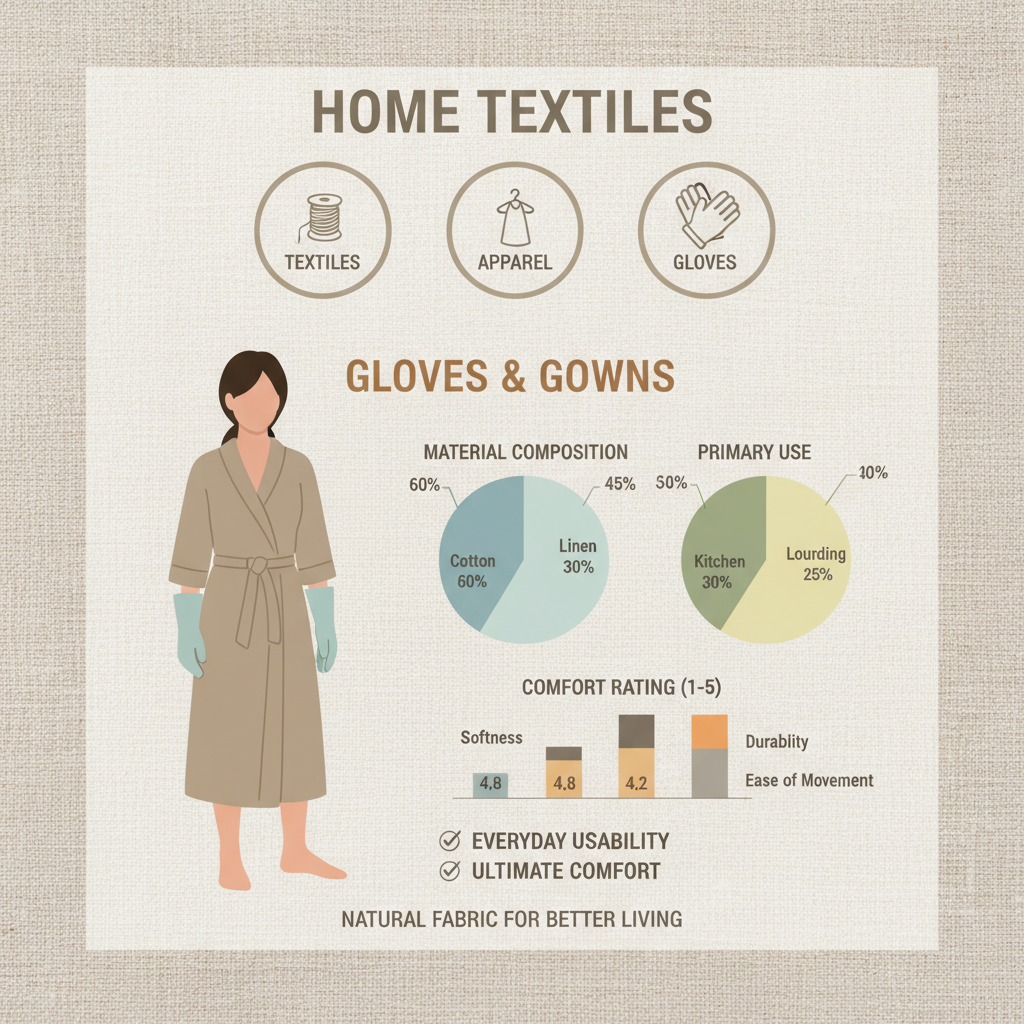
While both gloves and gowns contribute to overall protection, they address different areas of concern. Gloves primarily protect the hands, focusing on dexterity and preventing contact with specific hazards. Gowns, on the other hand, provide full-body coverage, shielding clothing and skin from larger-scale contamination. The choice between gloves and gowns, or utilizing both, depends on a thorough risk assessment. HMD Glove offers a comprehensive range of both gloves and gowns to meet diverse safety needs.
Applications Across Industries
The demand for high-quality gloves and gowns spans numerous industries. In healthcare, they are essential for preventing the spread of infections. In the food industry, they maintain hygiene standards during food preparation. Laboratories rely on them for safe handling of chemicals and biological materials. Manufacturing environments utilize them to protect workers from hazards and ensure product quality. Selecting the right PPE is vital to upholding safety standards in every sector.
Choosing the Right Supplier: HMD Glove
Selecting a reputable supplier is crucial for ensuring the quality and reliability of your gloves and gowns. HMD Glove is a trusted provider of premium PPE, offering a wide selection of gloves and gowns designed to meet the stringent demands of various industries. We prioritize quality, durability, and compliance with industry standards, providing our customers with peace of mind.
Conclusion: Prioritizing Safety with Quality PPE
Investing in high-quality gloves and gowns is a critical step in protecting your workforce and maintaining a safe, compliant environment. HMD Glove provides reliable PPE solutions designed to meet your specific needs. Don't compromise on safety – choose HMD Glove for superior protection.
Frequently Asked Questions (FAQs)
What material is best for gloves in a healthcare setting?
Nitrile gloves are generally considered the best choice for healthcare settings due to their excellent resistance to punctures, chemicals, and bodily fluids. They also offer a good alternative for individuals with latex allergies. While latex gloves were traditionally used, the risk of allergic reactions has led to a widespread shift toward nitrile. Vinyl gloves are an option for lower-risk tasks but provide less protection than nitrile or latex.
How often should gowns be changed?
Gowns should be changed immediately if they become contaminated with blood, body fluids, or other potentially infectious materials. Even if not visibly soiled, gowns should be changed between patients or procedures to prevent cross-contamination. The frequency of gown changes should be determined by a thorough risk assessment and outlined in your facility's infection control policies.
Are reusable gowns as effective as disposable gowns?
Reusable gowns can be just as effective as disposable gowns, provided they are properly laundered and sterilized according to established protocols. They often offer a more sustainable and cost-effective solution in the long run. However, the effectiveness of reusable gowns depends heavily on the quality of the laundering process and adherence to strict hygiene standards. Disposable gowns offer convenience and eliminate the risk of cross-contamination during laundering.
What certifications should I look for when purchasing gloves and gowns?
Look for certifications like ISO 9001 (quality management systems), CE marking (European Conformity), and FDA approval (for medical devices). These certifications indicate that the products have been tested and meet specific safety and quality standards. Additionally, ensure that the gloves and gowns comply with relevant industry regulations and standards, such as ASTM standards for gloves and AAMI standards for gowns.