Comprehensive Guide to Polyester Fingerless Gloves for Enhanced Hand Protection
Polyester Fingerless Gloves: A Comprehensive Guide
When it comes to hand protection, polyester fingerless gloves offer a versatile and cost-effective solution for a wide range of applications. These gloves provide dexterity and breathability, making them ideal for tasks requiring precision and comfort. This article will explore the features, benefits, and ideal uses of polyester fingerless gloves, helping you determine if they are the right choice for your needs. Choosing the right hand protection can significantly improve productivity and reduce the risk of hand injuries. We’ll dive into why these gloves are a popular choice for professionals and enthusiasts alike.
Understanding Polyester Fingerless Glove Construction
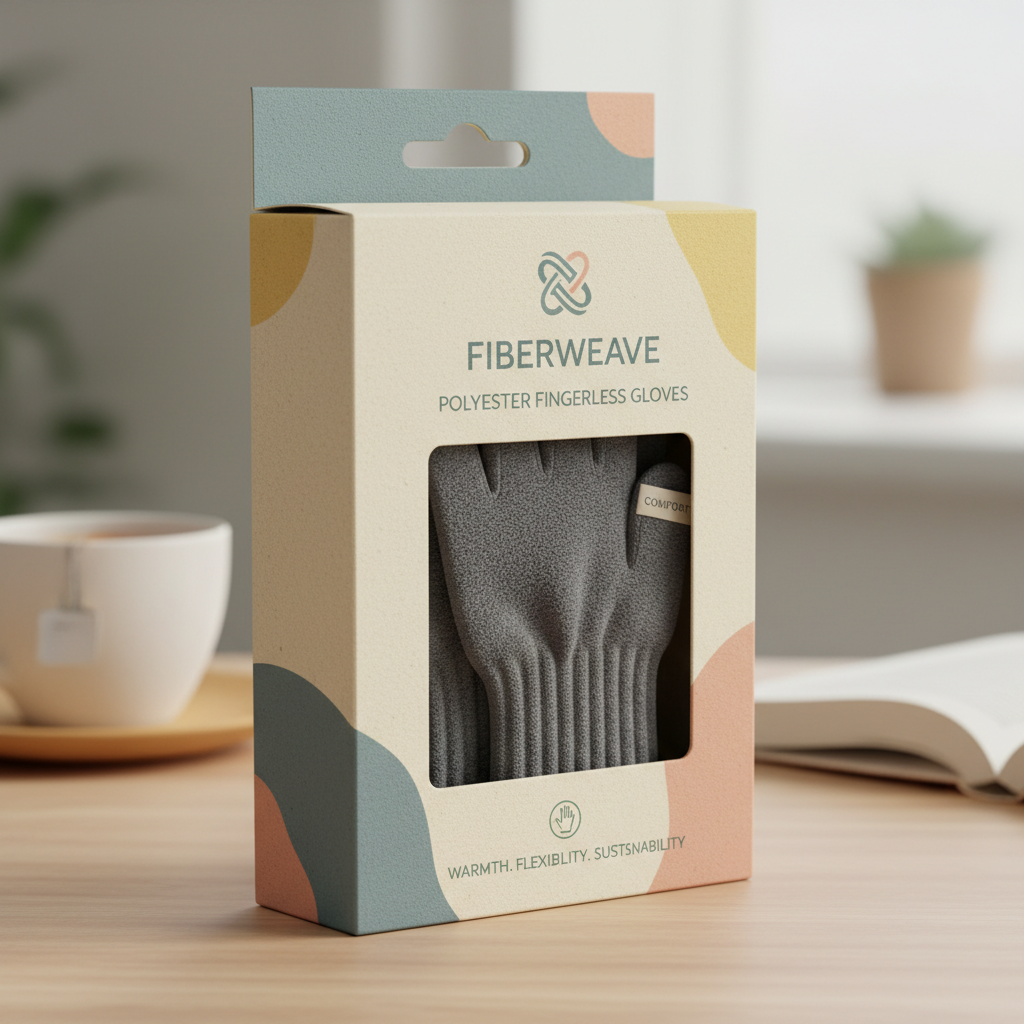
Polyester is a synthetic fiber known for its durability, resistance to abrasion, and quick-drying properties. In fingerless gloves, polyester provides a comfortable and secure fit. The lack of a full finger covering allows for maximum dexterity, essential for tasks such as assembly, inspection, and handling small parts. Many polyester fingerless gloves feature reinforced palms for added grip and protection, and elastic wrist closures to ensure a snug fit. The breathability of polyester prevents excessive sweating, keeping hands cool and dry during extended use. These gloves are frequently coated or treated to enhance specific properties, like grip or static dissipation. HMD Glove offers a variety of polyester fingerless gloves tailored to different industry needs.
Key Highlights: Polyester's durability, quick-drying abilities, and breathable nature make it an excellent material for fingerless gloves, providing comfort and protection for a variety of tasks.
The Benefits of Using Polyester Fingerless Gloves
The advantages of using polyester fingerless gloves are numerous. They offer excellent dexterity, allowing for precise movements and control. Their breathability prevents overheating and discomfort, even during prolonged wear. Polyester is resistant to many common chemicals and abrasions, extending the glove’s lifespan. They’re also generally more affordable than gloves made from leather or other premium materials, making them a cost-effective solution. Furthermore, they are easy to clean and maintain, typically machine washable. These gloves are ideal for tasks where full-finger protection isn’t necessary but some level of hand protection is desired. Choosing HMD Glove’s polyester fingerless gloves ensures quality and performance.
Key Benefits:
• Excellent dexterity for precise tasks
• Breathable material prevents overheating
• Resistance to abrasion and chemicals
• Cost-effective solution
Polyester Fingerless Gloves vs. Other Glove Materials
When considering hand protection, it's important to compare polyester fingerless gloves to other materials. Leather gloves offer superior durability and protection but are more expensive and less breathable. Cotton gloves are comfortable but offer limited abrasion resistance. Nitrile gloves provide excellent chemical resistance but can lack dexterity. Polyester strikes a balance between these qualities, offering good dexterity, breathability, and abrasion resistance at a reasonable price. The choice ultimately depends on the specific application and the level of protection required. Polyester gloves from HMD Glove provide a reliable and versatile option for numerous industries.
Ideal Applications for Polyester Fingerless Gloves
Polyester fingerless gloves are well-suited for a variety of tasks, including assembly line work, inspection, parts handling, warehouse operations, and light-duty maintenance. They’re also popular among cyclists, weightlifters, and other athletes who require a secure grip and dexterity without sacrificing comfort. In the electronics industry, they help prevent static discharge while allowing for precise handling of components. The versatility of these gloves makes them a staple in many work environments. Explore the diverse range of polyester fingerless gloves offered by HMD Glove to find the perfect fit for your specific needs.
Caring for Your Polyester Fingerless Gloves
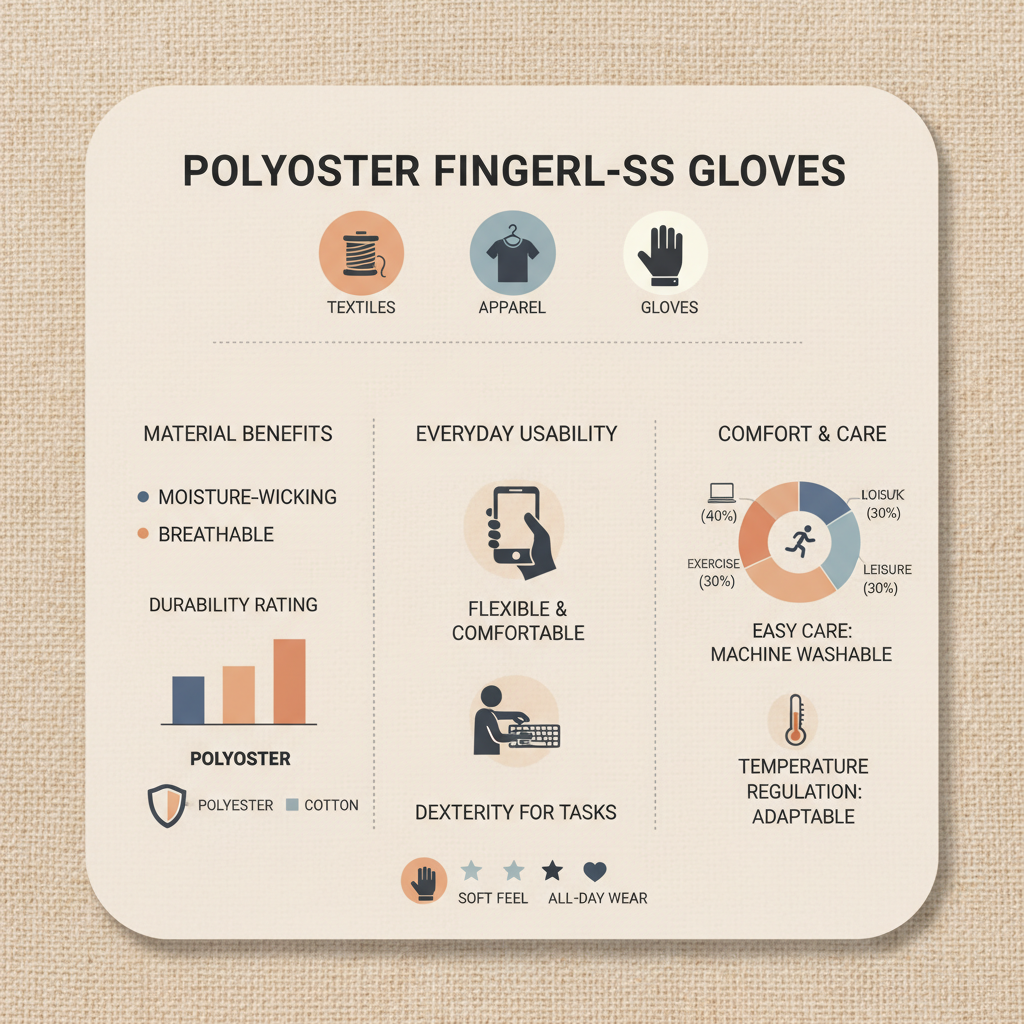
To maximize the lifespan of your polyester fingerless gloves, it's important to follow proper care instructions. Most gloves are machine washable, but it's best to wash them in a mesh laundry bag on a gentle cycle with mild detergent. Avoid using bleach or fabric softeners, as these can damage the fibers. Air drying is recommended, as high heat can also cause damage. Regularly inspecting the gloves for wear and tear will help you identify when they need to be replaced. Proper maintenance ensures your gloves remain a safe and effective part of your work gear. For detailed care instructions, refer to the product information on HMD Glove’s website.
Conclusion: The Versatile Choice for Hand Protection
Polyester fingerless gloves offer a compelling combination of dexterity, comfort, durability, and affordability. They’re an ideal solution for a wide range of applications, providing essential hand protection without compromising performance. Investing in quality gloves like those offered by HMD Glove ensures worker safety and productivity. Choose polyester fingerless gloves for a reliable and cost-effective hand protection solution.
Frequently Asked Questions (FAQs)
Are polyester fingerless gloves suitable for use with touchscreen devices?
While not all polyester fingerless gloves are touchscreen compatible, many manufacturers now offer gloves with conductive fingertips. These fingertips allow you to operate touchscreen devices without removing your gloves. Check the product description to confirm if the gloves you are considering have this feature. HMD Glove offers a selection of polyester fingerless gloves specifically designed for touchscreen compatibility, ensuring you can stay connected while maintaining hand protection. These gloves are particularly useful for warehouse workers, technicians, and delivery drivers who rely on mobile devices.
How often should I replace my polyester fingerless gloves?
The replacement frequency depends on the intensity of use and the environment. Regularly inspect the gloves for signs of wear and tear, such as rips, tears, or excessive abrasion. If the gloves are frequently exposed to chemicals or harsh conditions, they may need to be replaced more often. As a general guideline, replace polyester fingerless gloves every 3-6 months, or sooner if they show significant damage. Maintaining a consistent supply of fresh gloves ensures optimal protection and hygiene.
Can polyester fingerless gloves be used in environments with static electricity?
Standard polyester gloves can generate static electricity, which can be problematic in sensitive electronic environments. However, HMD Glove offers polyester fingerless gloves with anti-static properties. These gloves are treated with a special coating that dissipates static charge, preventing damage to electronic components. If you work with electronics, be sure to choose gloves specifically designed for anti-static applications. These gloves protect both your work and sensitive equipment.
What size polyester fingerless gloves should I order?
To determine the correct size, measure the circumference of your hand just below the knuckles. Compare your measurement to the size chart provided by HMD Glove on our website. Gloves that are too small will restrict movement and cause discomfort, while gloves that are too large may not provide adequate protection. If your measurement falls between sizes, it's generally recommended to choose the larger size for a more comfortable fit. HMD Glove offers a wide range of sizes to ensure a perfect fit for all hand sizes.