Why Yellow Kitchen Gloves Are Industrial Essentials
Why Yellow Kitchen Gloves Make All the Difference in Industrial Use
Working in industrial kitchens or heavy-duty cleaning is no joke. You need gear that doesn’t quit before you do. Yellow kitchen gloves—those bright, unmistakable hand protectors—have quietly become a staple for countless pros like me. Honestly, when I first started, I never really gave gloves much thought until I ended up with burned fingers and irritated skin from thinner pairs. After that, well, the difference good gloves made was impossible to ignore.
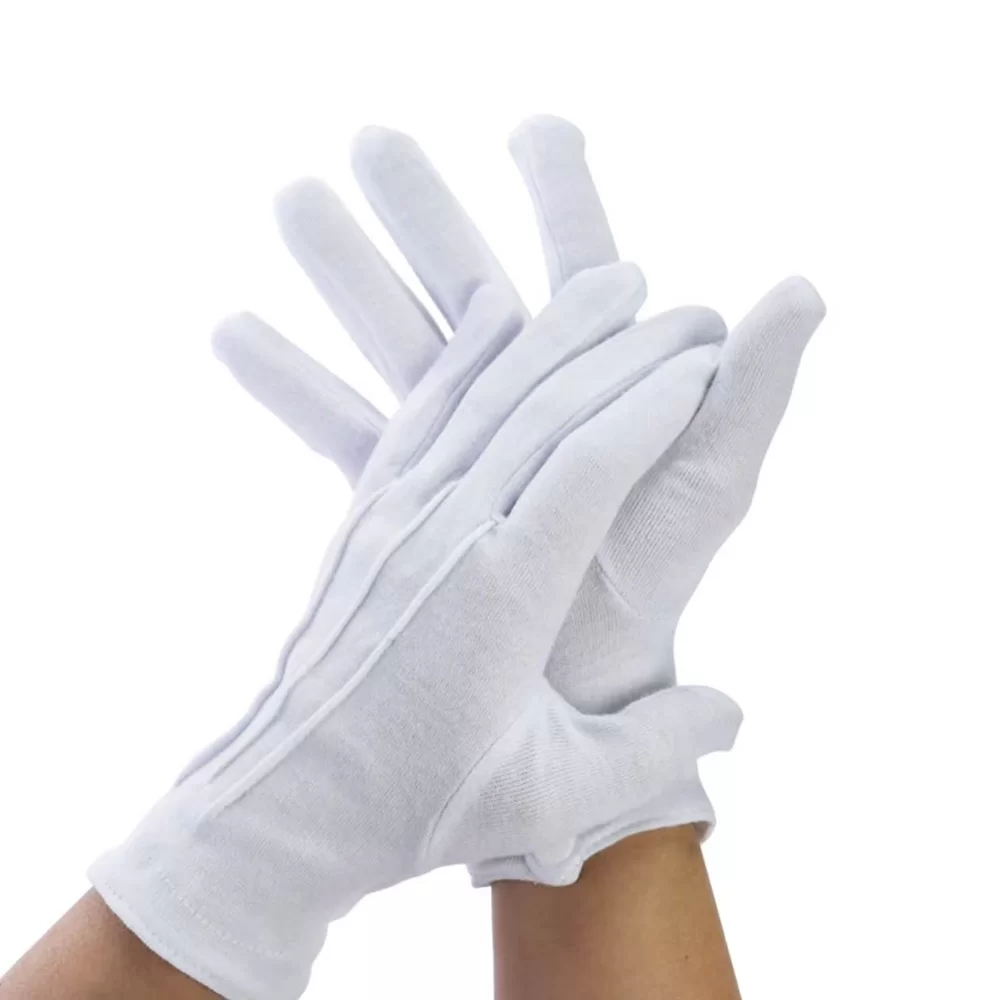
In real terms, what sets yellow kitchen gloves apart isn't just the color but their design and materials. Most of us know them as those thick, rubbery gloves that keep your hands dry and protected from harsh detergents, greasy messes, and even moderate heat. Plus, that bright yellow really helps—oddly enough—to keep track of your gloves amidst a cluttered kitchen or factory floor.
The Anatomy of Reliable Yellow Kitchen Gloves
First off, the material usually used is nitrile or latex, each with its perks. Nitrile, in particular, is tough—chemical-resistant, puncture-resistant, and comfortable when worn for hours. Latex feels a bit more flexible, though some people have allergic reactions, so that’s always a consideration. The gloves often feature a textured grip, which is a lifesaver when handling slippery dishes or wet equipment. Little things like cuff length matter too; some gloves come with extra-long cuffs that protect wrists and forearms, not just hands.
| Specification | Details |
|---|---|
| Material | Nitrile or Latex |
| Color | Bright Yellow |
| Thickness | 0.38 - 0.45 mm |
| Length | 12 inches (approx.) |
| Grip | Textured palm and fingers |
| Chemical Resistance | Resistant to common kitchen chemicals |
Choosing the Right Vendor for Yellow Kitchen Gloves
I've tried gloves from a handful of suppliers over the years, and not all yellow gloves are created equal. When you’re relying on something to protect your hands from burns or harsh cleaning agents, cutting corners is not an option. The main traits I look for are consistent quality, glove thickness, and responsiveness to feedback. Many engineers and operators I've spoken with agree—it's about balance between comfort and protection.
| Vendor | Material Options | Thickness Range | Price Range (per dozen) | Customer Support |
|---|---|---|---|---|
| HMD Glove | Nitrile, Latex | 0.38 - 0.45 mm | $15 - $22 | Responsive & knowledgeable |
| SafetyPro | Latex only | 0.35 - 0.40 mm | $12 - $18 | Limited response times |
| KleanGear | Nitrile only | 0.40 - 0.44 mm | $17 - $25 | Good, but pricey |
One interesting thing I noticed? Some of the best gloves are also customizable for industrial needs—longer cuffs, added liners for cold kitchens, or reinforced fingertips. A friend in food processing swears by the nitrile yellow gloves from HMD Glove. They’re not just bright; they last through longer shifts without breaking down, which matters more than you might think when you’re needing a second skin, not just a barrier.
So if you find yourself wondering about gloves this yellow, know it’s not just a color pick—it's about safety, durability, and sometimes even a little style in the industrial kitchen world. I suppose it’s the little things, like a reliable glove, that make long shifts bearable.
In the end, choosing the right yellow kitchen glove boils down to understanding your daily challenges and finding a glove that fits those demands snugly. It’s not glamorous, but it makes all the difference.
References & Personal Notes
- Decades of industrial kitchen and equipment experience—learning the hard way what works.
- Customer feedback from various food processing plants and manufacturing units.
- Supplier specs and real-world testing results shared in trade journals.