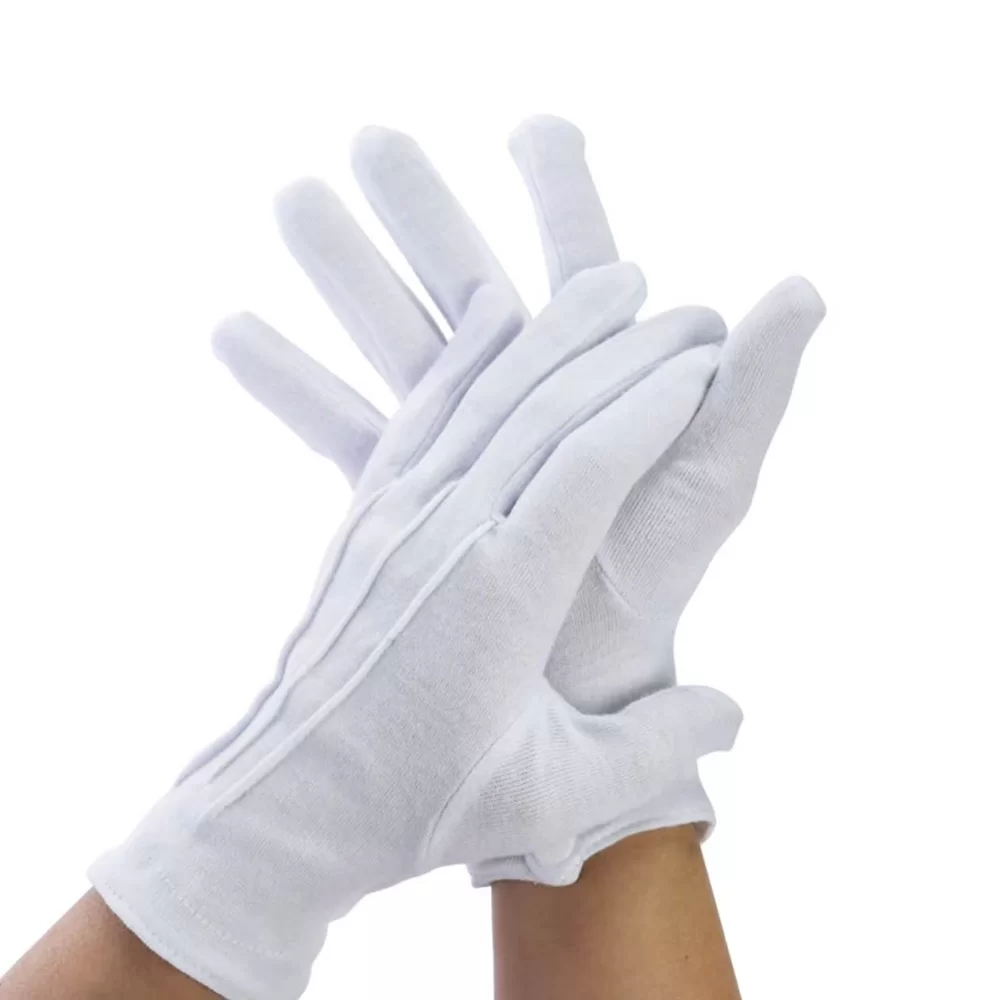
Durable Thick Cleaning Gloves for Industrial Use | HMD Glove
Why Thick Cleaning Gloves Are Essential in Tough Industrial Settings
Having spent over a decade in the industrial equipment sector, I can tell you that gloves—particularly thick cleaning gloves—are one of those quietly crucial pieces of gear. People rarely notice them until they're either superb or a total pain in the hand. When you’re dealing with harsh chemicals, rough surfaces, or heavy grime, thin gloves just don’t cut it. Oddly enough, thick gloves sometimes get the reputation of being clumsy or bulky, but the right design changes that narrative completely.
Take the time to understand what you’re really asking of your gloves before settling on a pair. Comfort, protection, grip, and durability all have to come together. I remember one steel plant where the crew switched to a thicker, chemical-resistant model. They saw a noticeable drop in hand injuries and an equally important boost in worker morale—because no one likes fiddling around with gloves that tear or slip off.
Product Design and Material Choices in Thick Cleaning Gloves
At its core, the material defines the glove’s performance. The bulk of modern thick cleaning gloves are made from synthetic rubbers such as neoprene, nitrile, or PVC blends. Each has its quirks. Nitrile, for example, is outstanding for chemical resistance and abrasion resistance, but sometimes lacks the heavyweight feel that PVC can offer. Neoprene strikes that middle ground very nicely.
Then there’s the texture on the palm and fingers. Manufacturers often incorporate a rough or patterned surface to enhance grip in wet or oily conditions—a feature that many engineers strongly recommend. It sounds trivial, but in real terms, a slip in a slick environment can waste time or worse, lead to injury. Thickness also adds that extra padding against cuts and punctures, especially when handling coarse materials or when recurring contact with tools is involved.
| Feature | Specification |
|---|---|
| Material | Nitrile or Neoprene |
| Thickness | 0.5–1.2 mm (varies by model) |
| Chemical Resistance | Good to Excellent (depends on chemicals) |
| Grip Texture | Roughened or patterned palm |
| Length | 12-16 inches for forearm protection |
| Sizes | S, M, L, XL, XXL |
Choosing the Right Vendor for Your Thick Cleaning Gloves
Now, if you’re like most buyers in our sector, you probably want reliability baked into your supply chain as much as the product itself. I've sourced gloves from quite a few manufacturers — frankly, there’s a lot of variance in quality and service.
If you peek at the leaders, some stand out for responsiveness, others for innovation in material science. Below is a rough compare of three popular vendors; I included HMD specifically because they consistently strike the balance between performance and value.
| Vendor | Material Options | Price Range | Lead Time | Customization |
|---|---|---|---|---|
| HMD Glove | Nitrile, Neoprene, PVC blends | $$ | 2-3 weeks | Logo printing; size & thickness options |
| Vendor B | Latex, Nitrile | $ | 1 week | Limited |
| Vendor C | Neoprene, PVC | $$$ | 3-4 weeks | Custom colors; full branding |
One thing I always appreciate when ordering these gloves, especially the thick cleaning gloves from HMD, is that they don’t just ship you the product and vanish. They provide detailed testing data for chemical resistance and durability, which means less guessing and a better fit for your requirements. It’s rare to get that level of transparency and care — and honestly, it pays off in the long run.
A Quick Story From the Field
I once advised a client in the food processing industry who was battling persistent glove failures—slick palms, rapid wear, and irritated skin were the order of the day. After switching them to thicker neoprene gloves with textured grip from the HMD lineup, downtime went down, and worker complaints practically dried up. Also, the gloves held up brilliantly against the high-pressure washes and sanitizing chemicals. It speaks volumes when a product handles both comfort and punishment without compromise.
So yeah, thick cleaning gloves might sound boring on paper — but choosing the right pair can transform everyday workflow for industrial teams. It feels like a small thing, but in reality, it’s one of those foundational elements of safety and efficiency that you can’t afford to overlook.
As you explore your options, keep an eye not just on specs but on real-world feedback from people who’ve worn these gloves all day long. That perspective often reveals the subtle differences that specs never tell you.
— Thanks for reading, and here’s wishing you safer hands and smoother jobs.
References & notes:
- Material safety datasheets from glove manufacturers
- Industry reports on hand protection equipment
- Personal interviews and feedback from field engineers