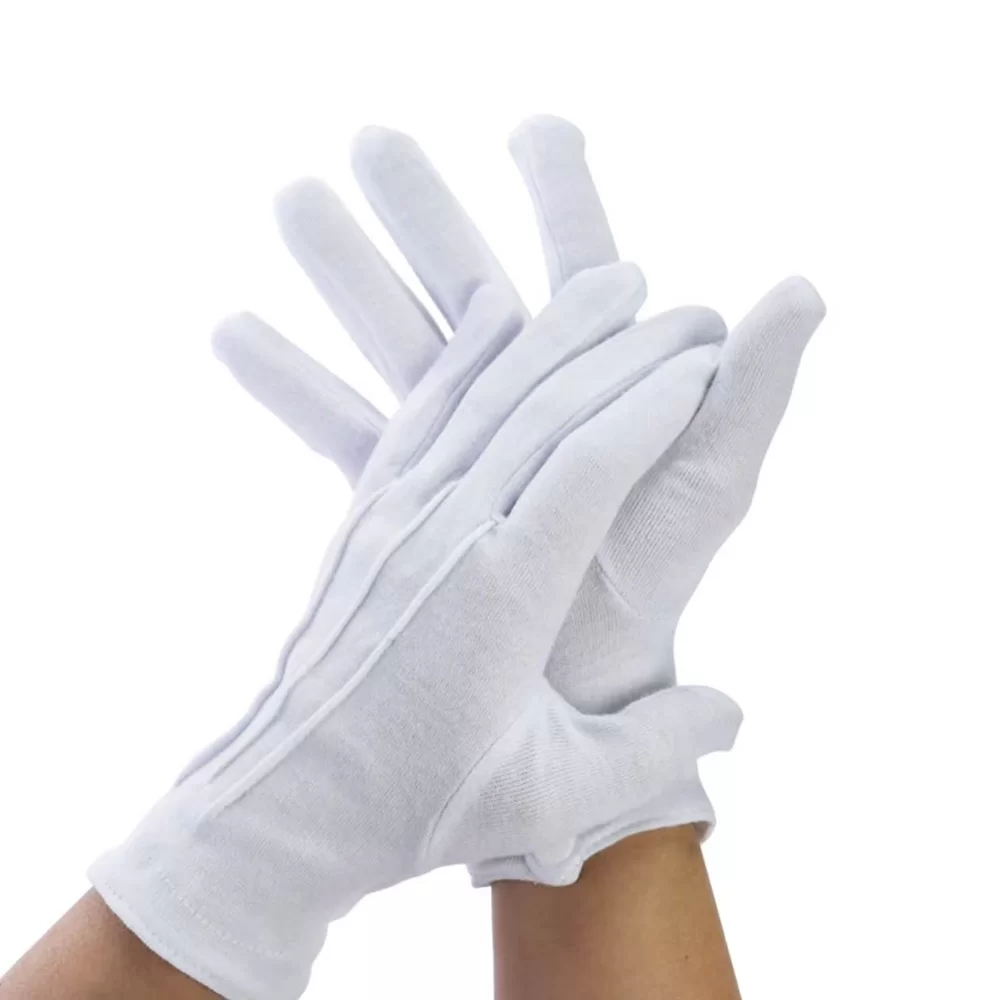
Essential Guide to Cleaning Kitchen Gloves: Safety, Sustainability & Selection Tips
Why Cleaning Kitchen Gloves Matter More Than You Think
At first glance, cleaning kitchen gloves might seem like just another household staple — but they play a surprisingly pivotal role worldwide, from enhancing hygiene in bustling restaurants to protecting hands in post-disaster humanitarian kitchens. Their importance extends beyond mere hand protection; these gloves embody safety, sustainability, and efficiency. Understanding cleaning kitchen gloves isn’t just practical advice, it’s a nod to safeguarding health on a global scale, improving work environments, and promoting environmentally responsible practices.
Let’s take a moment to think: billions of meals are prepared every day — in homes, hospitals, and industries — often requiring gloves that can withstand tough chemical cleaners or resists bacteria infiltration. So yeah, these aren’t just simple accessories; they’re frontline defenders.
Mini takeaway: Cleaning kitchen gloves might seem trivial, but they have major roles in hygiene, health, and safety worldwide.
Global Context: The Hidden Reach of Cleaning Kitchen Gloves
Globally, cleanliness and hygiene standards have seen a heightened focus — no surprise considering recent events like the COVID-19 pandemic. The World Health Organization (WHO) stresses proper hygiene and protective gear in food handling to prevent contamination and disease spread. ISO standards, such as ISO 21469, underscore the need for safety in food-grade protective equipment, cleaning gloves included.
Data tells us, foodborne illnesses affect nearly 600 million people annually worldwide (WHO, 2022), many traced back to unhygienic food prep environments. That's where cleaning kitchen gloves really shine by providing a critical barrier between pathogens, harsh chemicals, and human skin.
Yet, many regions face challenges sourcing affordable, durable gloves—especially in developing areas where kitchen hygiene is crucial but facilities are under-resourced.
Mini takeaway: Amid a global push for health and food safety, cleaning kitchen gloves act as simple yet frontline tools combating illness and contamination.
What Exactly Are Cleaning Kitchen Gloves?
Put simply, cleaning kitchen gloves are protective gloves designed specifically for household or commercial kitchen cleaning tasks. They shield hands from water, detergents, oils, and sometimes even heat. Usually made from materials like latex, nitrile, or rubber, these gloves help improve both safety and efficiency when cleaning dishes, surfaces, or kitchen tools.
Their connection to modern industries goes further — the foodservice sector, healthcare kitchens, and even humanitarian relief efforts rely heavily on these gloves to maintain strict hygiene standards while protecting workers from irritants and microbial contamination.
It’s fascinating how such a simple object bridges the gap between everyday home life and global health initiatives, right?
Core Components That Make Cleaning Kitchen Gloves Work
Durability
Good cleaning kitchen gloves endure harsh detergents and multiple uses without tearing. This protects workers and keeps costs down by reducing replacements.
Water and Chemical Resistance
They must withstand a variety of cleaning agents without degrading or leaking, which is key for safe, hygienic kitchen operation.
Comfort & Fit
Because cleaning can be time-consuming, gloves need to fit well without causing hand fatigue or sweating, balancing protection with comfort.
Eco-friendliness
Increasingly, biodegradable or recyclable glove options are becoming popular to reduce plastic waste in kitchens.
Non-slip Grip
Handling slippery dishes or pots requires gloves with textured surfaces to prevent accidents.
Allergen Safety
Latex gloves may cause allergic reactions; hence, alternatives like nitrile are gaining traction for sensitive users.
Mini takeaway: The best cleaning kitchen gloves blend tough protection, comfort, safety, and eco-conscious design.
Real-World Uses: Who Benefits From Cleaning Kitchen Gloves?
Cleaning kitchen gloves are used worldwide across a variety of settings:
- Commercial kitchens: Restaurants and catering businesses depend on gloves for hygiene.
- Healthcare facilities: Hospital kitchens require sterile conditions protected by gloves.
- Households: Daily dishwashing and surface cleaning.
- Humanitarian aid: Field kitchens in disaster zones rely on gloves to meet hygiene standards despite limited resources.
- Industrial food production: Large-scale food plants use gloves for worker safety and product sanitation.
For instance, in remote industrial zones in Southeast Asia, durable gloves enable workers to safely use harsh cleaning chemicals without health hazards—a small but meaningful impact.
Advantages and Long-Term Value Provided by Cleaning Kitchen Gloves
There’s more than meets the eye when it comes to these gloves:
- Cost efficiency: Durable gloves reduce replacement frequency and hand injury-related downtime.
- Sustainability: New bio-based materials lower environmental footprints.
- Safety and dignity: Gloves safeguard hands and improve staff confidence, fostering respectful workplaces.
- Reliability: Consistent glove performance supports continuous foodservice operations without disruption.
Emotionally, wearing proper gloves can instill a sense of professionalism and care, which indirectly boosts morale and customer trust.
Looking Ahead: Future Trends in Cleaning Kitchen Gloves
Materials science is pushing glove durability and sustainability leaps forward. For example, bio-based nitrile and natural rubber blends, enhanced with antimicrobial coatings, are becoming cutting-edge. Automation and robotics in kitchens may demand more specialized gloves that offer touchscreen compatibility and pressure sensitivity.
Policies are tightening globally too. ISO and FDA regulations increasingly require traceability and safety compliance, so glove manufacturers must innovate to stay relevant.
Challenges & Solutions in the Current Landscape
Despite advances, challenges remain. Gloves can cause skin irritation if worn long hours, and poor fit can reduce dexterity. Waste management remains an issue for disposable gloves, especially in developing regions.
Experts recommend regular glove replacement schedules, user training on correct usage, and investing in reusable gloves that meet rigorous sanitation standards. Innovations like biodegradable gloves also promise to reduce environmental burdens.
FAQ: Common Questions About Cleaning Kitchen Gloves
- What materials are most suitable for durable kitchen cleaning gloves?
- Nitrile gloves are widely praised for their chemical resistance and allergen-free nature, while latex offers elasticity. Rubber gloves are best for heavy-duty cleaning. Your choice depends on sensitivity and cleaning agents used.
- How often should cleaning kitchen gloves be replaced?
- Typically, disposable gloves should be discarded after each use to avoid contamination, whereas reusable gloves can last days or weeks with proper care and inspection for damage.
- Are eco-friendly cleaning gloves effective compared to synthetic ones?
- Yes, modern biodegradable gloves perform comparably in protection and durability while breaking down faster post-disposal, reducing landfill impact.
- Can gloves prevent all exposure to cleaning chemicals?
- While gloves greatly reduce direct skin contact, no glove is 100% impermeable to all substances — usage according to guidelines is essential for safety.
- Where can I buy quality cleaning kitchen gloves in bulk?
- Specialized suppliers like HMD Glove offer a range of industrial and household gloves tailored for different needs.
Product Specification Table
| Specification | Standard Model | Eco-Friendly Variant |
|---|---|---|
| Material | Nitrile Synthetic Rubber | Biodegradable Natural Rubber Blend |
| Thickness | 0.35 mm | 0.30 mm |
| Length | 30 cm | 30 cm |
| Chemical Resistance | High (detergents, acids) | Moderate to High |
| Grip | Textured Palm | Ribbed, Natural Texture |
| Allergen Risk | Low (latex-free) | Natural Rubber (potential latex sensitivity) |
Vendor Comparison Table
| Vendor | Product Range | Pricing (per 100 pcs) | Global Shipping | Customer Support |
|---|---|---|---|---|
| HMD Glove | Standard & Eco-friendly variants | $40 - $55 | Yes, worldwide | 24/7 live chat and phone |
| CleanSafe | Disposable & industrial | $35 - $50 | Limited regions | Business hours email support |
| EcoTouch | Primarily eco-friendly | $45 - $60 | Worldwide | Limited hours, chat support |
Conclusion
Cleaning kitchen gloves might not be the flashiest kitchen gear, but their global impact on health, safety, and sustainability is undeniable. From bustling urban kitchens to remote relief camps, these gloves protect hands and uphold hygiene standards critical to wellbeing and food safety. As future materials and technologies push the envelope, and environmental concerns grow, investing in quality cleaning kitchen gloves is both a smart and ethical choice.
Looking to upgrade your kitchen safety? Visit our website: https://www.hmdglove.com for expert advice and premium glove options that combine durability, comfort, and sustainability.