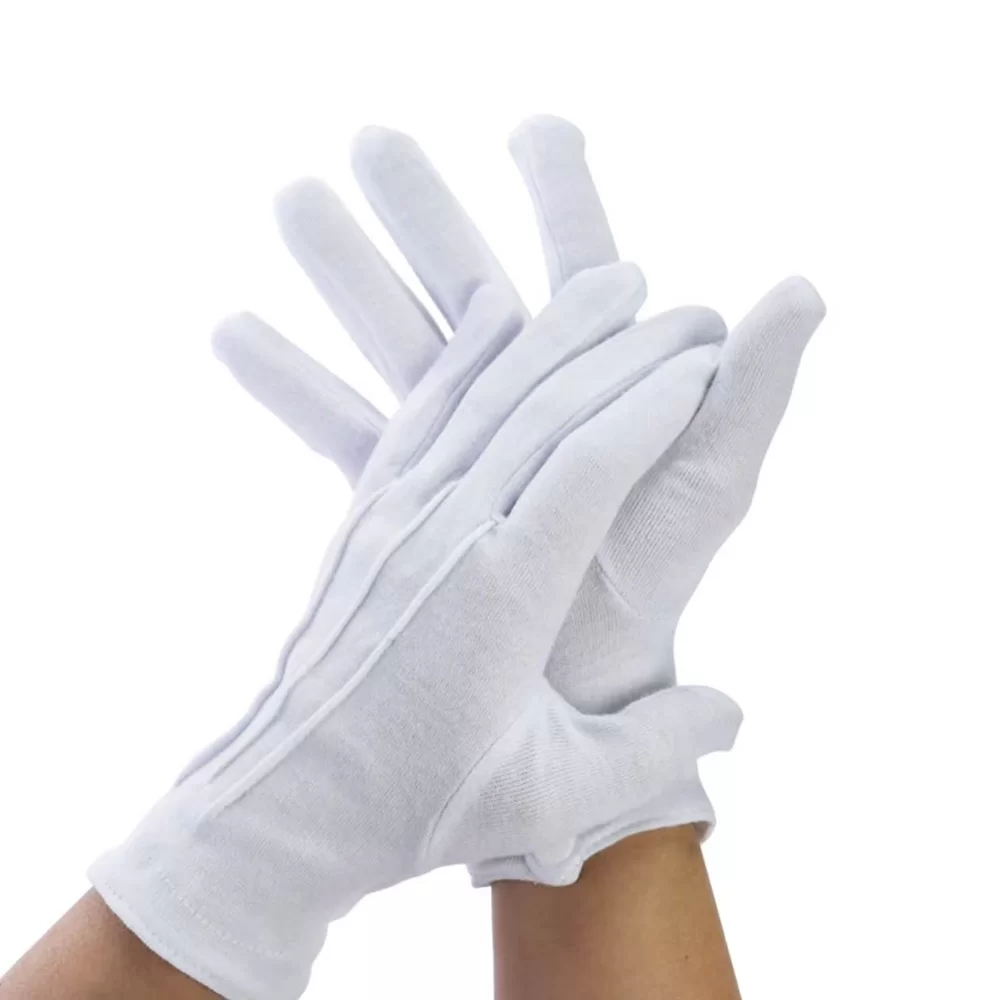
Cleaning Reusable Gloves: Sustainable Protection & Cost-Effective Safety Solutions
Understanding Cleaning Reusable Gloves: Why It Matters & What You Need to Know
Gloves might be the unsung heroes of many industries, but let’s zoom in on cleaning reusable gloves. They represent a simple yet critical piece of personal protective equipment helping to guard against contamination, chemicals, dirt, and infectious agents — but the global stakes go beyond mere convenience. These gloves actually affect sustainability goals, waste reduction, workplace safety, and even humanitarian efforts worldwide.
In a nutshell: understanding how to clean and reuse gloves properly means less waste, safer operations, and a lot less expense over time. It also ties into global shifts demanding eco-friendlier alternatives in PPE and industrial apparel. Frankly, it’s an evolving topic but one with clear benefits at every level, from a local janitor to a disaster relief team in a remote village.
The Global Relevance of Cleaning Reusable Gloves
According to the United Nations Environment Programme (UNEP), the world generates millions of tons of PPE waste yearly, much of it single-use gloves that end up in landfills or oceans. Meanwhile, the International Organization for Standardization (ISO) advocates for better product lifecycle management, which firmly includes reusable protective gear.
Industries ranging from healthcare and manufacturing to food service and agriculture rely on gloves — but toggling between single-use and cleaning reusable gloves creates a dilemma: How to balance hygiene standards with cost and environmental impact? The push for cleaning reusable gloves is a direct response to these growing global challenges, offering a way to reduce plastic waste and increase worker safety without compromising quality.
What Are Cleaning Reusable Gloves?
At its core, cleaning reusable gloves are protective gloves designed for multiple uses, provided they are properly cleaned and maintained after each use. Unlike disposable gloves thrown away after one application, these gloves are made from durable materials like nitrile, neoprene, or reinforced rubber that stand up to cleaning chemicals and repeated wear.
Their role is substantial across both industrial sectors and humanitarian aid scenarios where ongoing protection against contaminants or harsh materials is needed — think chemical plants, janitorial teams, or even emergency disaster zones where supplies are limited but safety can’t be compromised.
Key Characteristics of Cleaning Reusable Gloves
- Durability: Resistant to tears and punctures for repeated use.
- Chemical Resistance: Able to withstand detergents, solvents, and disinfectants.
- Comfort & Fit: Designed for extended wear without hand fatigue.
- Ease of Cleaning: Compatible with standardized cleaning methods.
- Compliance: Adheres to safety regulations and industry standards.
Core Components That Define Good Cleaning Reusable Gloves
Durability and Construction
Gloves meant for reuse need to endure aggressive cleaning cycles without degrading. That often means thicker materials or layered composites. Oddly enough, the toughest gloves sometimes still feel surprisingly flexible — a win for workers needing dexterity.
Cleaning Compatibility
Some gloves react poorly to bleach or UV sterilization, so manufacturers tailor glove materials — nitrile is a popular choice — for compatibility with commonly used cleaning agents. That’s key for industries with strict disinfection needs.
Cost-Effectiveness
Although reusable gloves can carry a higher upfront cost compared to disposable ones, their lifespan means significant savings over months or years, especially when factoring in waste disposal fees.
Safety and Certification
Look for gloves certified under standards like EN 374 for chemical resistance or ASTM for puncture protection to ensure they meet minimum safety criteria during multiple uses.
User Comfort
Glove liners, breathable fabrics, and ergonomic design help keep workers productive, as sweaty and uncomfortable hands can quickly undo safety protocols.
Practical Applications Across the Globe
Cleaning reusable gloves find themselves everywhere. Here’s a quick tour:
- Healthcare: Hospitals use sterilizable gloves to protect staff, especially during long procedures or outbreaks.
- Industrial Work: Chemical plants and factories rely on durable gloves that withstand multistep cleaning while ensuring safety.
- Food Processing: Hygiene regulations mandate gloves that can be cleaned and sanitized repeatedly.
- Disaster Relief: Agencies equipping teams with reusable gloves to manage limited supply chains efficiently in remote or crisis areas.
- Janitorial Services: Cleaning crews use them for protective barrier needs while enabling cost control.
In fact, NGOs operating in South-East Asia after flooding events noted up to 30% reduction in glove procurement costs by switching to cleaning reusable gloves powered by local washing stations. A neat win for dignity, too.
Some Handy Specifications to Consider
| Specification | Typical Range/Value | Importance |
|---|---|---|
| Material | Nitrile, Neoprene, Rubber | Chemical & physical resistance |
| Thickness | 0.3-0.7 mm | Durability and flexibility balance |
| Cleaning Cycles Supported | 20-50 washes | Cost savings & sustainability |
| Certifications | EN374, ASTM F739 | Safety compliance |
| Comfort Features | Ergonomic shape, textured grip | User productivity |
Choosing the Right Vendor for Cleaning Reusable Gloves: A Comparison
| Vendor | Product Range | Price Range | Certifications | Cleaning Compatibility |
|---|---|---|---|---|
| HMD Gloves Inc. | Nitrile & Neoprene | $$$ | EN374, ISO 374 | High resistance to bleach and alcohol |
| SafeWear Solutions | Rubber blends | $$ | ASTM F739 | Compatible with most detergents |
| EcoGloves Co. | Biodegradable materials | $$$ | EN ISO 20126 | Gentle cleaning solutions required |
Why Cleaning Reusable Gloves Are a Winning Investment
When you picture the traditional cycle of disposable gloves — used briefly and tossed — it feels wasteful. Cleaning reusable gloves flips that narrative. They offer clear savings by cutting recurring purchase needs, plus they reduce plastic disposal volume — a big win for sustainability.
But beyond the practical, there’s a human element. Many workers report a sense of ownership and trust in gloves that last and maintain performance. That trust relates directly to safety, reducing anxiety about exposure. Not to mention, polished durability supports innovation in glove designs that make work easier.
Emerging Trends and Innovations in Cleaning Reusable Gloves
The future looks bright and slightly high-tech. For instance, new smart gloves embedded with sensors are being explored to signal when effectiveness diminishes after multiple cleaning cycles. Also, biodegradable multilayer materials are on the rise, balancing reuse with eco-friendliness — a sort of hybrid approach.
Digitally-guided cleaning protocols and automated glove sanitizing machines are also gaining ground, particularly in healthcare settings. This not only improves glove lifespan but helps maintain consistent hygiene standards.
Addressing Challenges and Practical Solutions
Sure, cleaning reusable gloves aren’t magic. Certain harsh chemicals can degrade gloves quickly, and improper cleaning can create hazards rather than prevent them. I’ve seen some industries struggle with inconsistent cleaning standards, which undermines glove safety.
One solution many favor is centralized glove cleaning stations with verified cleaning cycles — better than just tossing gloves in a mop bucket. Also, ongoing worker training on glove care is critical. Plus, material science keeps advancing to deliver tougher, more resistant glove fabrics.
Frequently Asked Questions About Cleaning Reusable Gloves
Q: How often can you safely clean and reuse gloves?
A: Generally, cleaning reusable gloves can withstand 20-50 proper wash cycles depending on material and cleaning methods. Always inspect for wear or breaches before reuse.
Q: What cleaning agents are safe to use on reusable gloves?
A: Mild detergents, diluted bleach, and alcohol-based disinfectants are common. Avoid harsh solvents unless gloves are specifically designed to handle them.
Q: Are cleaning reusable gloves suitable for all industries?
A: While widely applicable, some industries like surgical or sterile environments may still rely on single-use gloves for critical hygiene reasons.
Q: How can organizations implement reusable glove programs?
A: Establish clear cleaning protocols, invest in compatible glove materials, provide employee training, and consider workflow changes to support collection and cleaning logistics.
Q: Is switching to cleaning reusable gloves cost-effective?
A: Over time, yes. Initial investments pay off as glove lifespan increases and waste disposal costs decrease. Plus, sustainability benefits add value.
In Closing: Why You Should Care About Cleaning Reusable Gloves
Choosing cleaning reusable gloves isn’t just a smart procurement choice — it’s a global statement about sustainability, safety, and long-term savings. From bustling hospitals to remote disaster zones, these gloves protect people, save money, and reduce environmental footprints. For businesses and organizations serious about impact and innovation, this is one small but powerful step.
Curious to learn more? Visit our site at https://www.hmdglove.com for product details, cleaning tips, and how to get started with reusable gloves today.
Mini Takeaways:
- Cleaning reusable gloves significantly reduce plastic waste and costs.
- Material choice and cleaning methods heavily impact glove lifespan.
- Proper protocols and training maximize safety and effectiveness.
- Emerging tech will soon make glove reuse smarter and greener.