Dusting Gloves for Plants – Essential Tools for Healthy Green Spaces
Understanding Dusting Gloves for Plants: What, Why, and How
Gardening and plant care might seem straightforward — a bit of water, sunlight, and love. But if you’ve ever attempted to gently clean leaves or manage plants indoors or in greenhouses, you’ll know how messy dust can be, and how fragile foliage is. This is where dusting gloves for plants become a low-profile hero. They’re specifically designed to remove dust particles from plant leaves without damaging them or spraying dirt everywhere.
Why does this matter? Globally, urban gardening and sustainable agriculture are on the rise, with the United Nations reporting that over 800 million people rely on small-scale urban farming for food security. Clean plants are healthier, better for air quality, and can boost productivity. So knowing the ins and outs of these gloves offers practical value — not just for hobbyists but for horticulturists, botanical gardens, and even humanitarian programs focused on green spaces.
Mini takeaway: Dusting gloves for plants combine practicality with the growing global interest in green urban living and sustainable agriculture.
The Global Context: Why Dusting Gloves for Plants Are More Relevant Than Ever
Take a moment to consider this: The World Bank projects that by 2050, nearly 68% of the world’s population will live in cities. Urban scarcity of space and resources has given a major boost to indoor and rooftop gardening. But with pollution and dust settling on the leaves, plants’ photosynthesis can slow down, impacting growth and air purification efficiency.
Here’s the challenge — traditional cloths or sprays can harm delicate leaves, introduce contaminants, or leave water marks. The advent of dusting gloves for plants, combining fine microfiber textures with ergonomic design, addresses this perfectly.
On an industrial scale, greenhouses and nurseries in North America, Europe, and parts of Asia rely on these gloves for daily maintenance. Not to mention educational institutions cultivating botanical collections, and even disaster relief projects aiming to restore local flora amid harsh climates.
Mini takeaway: The rise of urban living and sustainability goals worldwide elevates the importance of well-designed dusting gloves tailored for plants’ delicate needs.
What Exactly Are Dusting Gloves for Plants?
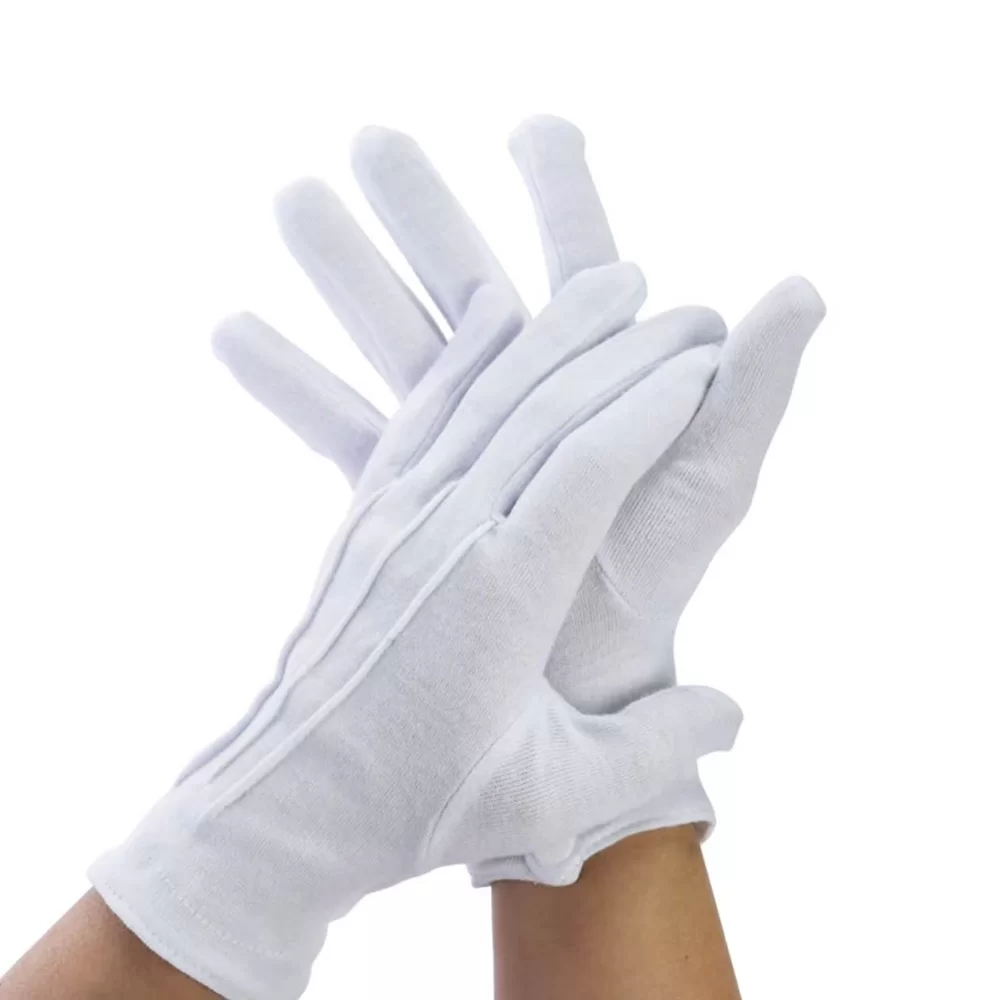
At their simplest, dusting gloves for plants are specialized gloves made from soft, microfiber-based fabrics designed to gently attract and hold dust, dirt, and spores from leaves and stems. Unlike typical cleaning gloves, they are shaped for dexterity and prevent splitting or bruising the foliage while dusting.
They fit the hand snugly with a slightly rough textured surface on the fingers or palm, which acts like a magnet for fine particles. This is crucial for modern plant care industries, where health and aesthetics go hand-in-hand, but also in humanitarian and urban greening efforts where low-tech, affordable solutions matter.
Connection to Modern Industry
In commercial greenhouses, where plants produce fruits or ornamental flowers, minimal leaf damage means higher outputs and better quality. Similarly, environmental NGOs restoring green corridors in developing urban areas use these gloves for maintaining saplings without expensive equipment.
Connection to Humanitarian Needs
In places coping with dust storms or post-natural disasters, quickly cleaning surviving plants can assist in sanitation and recovery efforts — a small but real boost to ecosystem resilience.
Mini takeaway: Dusting gloves for plants are simple but indispensable tools bridging hobbyist needs and global, green industrial realities.
Core Factors That Make Dusting Gloves Effective
1. Material & Durability
The gloves are mostly made from microfiber or chenille yarns. This fabric is soft enough not to scratch yet durable for repeated use. Durability means you don’t have to replace gloves frequently — a win for both cost and environmental sustainability.
2. Fit and Dexterity
Ergonomics matters. A poorly fitting glove compromises precision and might tear leaves. Good dusting gloves fit snugly and are stretchable enough for ease of movement. Some brands even offer sizes from XS to XL given the diversity of user hands.
3. Dust Attraction Capability
This is the heart of the glove’s function. Specialized fibers generate static electricity or have high microfiber density, both helping capture even the tiniest dust particles.
4. Ease of Cleaning & Maintenance
Since these gloves get dirty often, many are machine-washable and maintain their microfiber qualities after washes.
5. Eco-Friendliness
Given increasing attention to sustainability, gloves made from recycled fibers or biodegradable materials are emerging. It feels a bit ironic that something small like a glove has to keep pace with green trends, but they do.
| Specification | Typical Value | Remarks |
|---|---|---|
| Material | Microfiber Chenille | Soft but durable |
| Sizes | XS - XL | Ergonomic fit |
| Cleaning | Machine washable | Retains dusting ability after 30+ washes |
| Eco Features | Recycled fibers option | Optional green certification |
Mini takeaway: The combined focus on material quality, ergonomics, and eco-conscious design drives the glove’s sustained value.
Real-World Applications: Where Dusting Gloves for Plants Shine
- Urban Gardening & Indoor Farming: In compact apartments or rooftop farms, clean leaves boost photosynthesis and indoor aesthetics.
- Commercial Nurseries and Greenhouses: Regular leaf cleaning supports pest control and maximizes plant health.
- Botanical Gardens & Educational Institutions: For collections requiring meticulous care, these gloves prevent leaf damage.
- Disaster Relief Efforts: NGOs use gloves to clean plants affected by dust storms or volcanic ash, aiding ecosystem recovery.
- Remote Industrial Zones: Where dusty conditions prevail, gloves help maintain greenery that offers crucial shade and air quality benefits.
Interestingly, in a case reported by a government agro-support center in Kenya, community groups using these gloves in urban farms saw improved crop yields and general plant vitality within months — mostly attributed to effective dust removal and lower pest populations.
Mini takeaway: From cozy balconies to vast greenhouses and disaster zones, the applications span many sectors and geographies.
The Tangible Benefits & Long-Term Value of Dusting Gloves
Using these gloves brings clear cost benefits as they reduce the need for chemical sprays or gentle water misting that can cause fungal growth issues. Socially, they help gardeners and agricultural workers avoid skin irritation from dust and contaminants while building confidence in plant maintenance.
Emotionally, having tools that protect fragile plants feels satisfying, like a quiet daily victory for the environment. Trust and innovation play a role too — many companies offering these gloves also provide growing guides and maintenance tips, fostering relationships beyond just a product sale.
Mini takeaway: Dusting gloves are a cost-effective, sustainable choice with personal and environmental perks.
The Future: Innovations & Trends to Watch
I’ve noticed a few promising developments popping up:
- Antimicrobial Microfibers: Gloves embedded with silver ions or bamboo charcoal fibers to reduce mold and bacterial growth.
- Smart Textiles: In the near future, gloves might detect dust saturation and send alerts for washing or replacement.
- Biodegradable Gloves: A shift towards full compostability, minimizing waste in gardening and agriculture.
- Integration with Digital Agriculture: Gloves coming with QR codes for care instructions or compatible with apps offering plant health monitoring.
All in all, the dusting glove market may be niche, but it’s evolving in meaningful ways aligned with greater sustainability and tech integration.
Challenges and How to Overcome Them
You might wonder: Are these gloves foolproof? Not exactly. Some common issues include:
- Wear and Tear: Frequent use can lead to fiber degradation, limiting efficiency over time.
- Fit Inconsistencies: Poorly designed gloves irritate skin or don't grip well, making cleaning fiddly.
- Cost vs. Quality: Budget options can disappoint, delivering limited dust removal or quick fraying.
Experts recommend investing in mid-range quality gloves with good reviews, and washing as per instructions to save them longer. Manufacturers experimenting with reinforced stitching and better materials are addressing these problems head-on.
Mini takeaway: Awareness of these challenges helps end-users pick high-quality dusting gloves that truly pay off.
Frequently Asked Questions About Dusting Gloves for Plants
- How do dusting gloves for plants differ from regular cleaning gloves?
- Dusting gloves are made of softer, microfiber materials designed specifically to attract and hold dust without damaging fragile plant leaves. Traditional gloves often lack this texture and can be abrasive.
- Can I use dusting gloves on all indoor plants?
- Yes, generally these gloves are suitable for most houseplants and delicate foliage. However, plants with very hairy or waxy leaves may require specialized care.
- How often should I wash dusting gloves for plants?
- It depends on frequency of use, but washing every 1–2 weeks keeps them dust-free and effective. Most gloves are machine washable on gentle cycles.
- Are eco-friendly dusting gloves worth the extra cost?
- If sustainability is a priority for you, yes. Eco-friendly gloves use recycled or biodegradable fibers and tend to be more durable in the long run, offsetting initial costs.
- Where can I buy high-quality dusting gloves for plants?
- You can find them at gardening specialty stores, some online marketplaces, or directly from manufacturers. For trusted options, consider browsing our recommended suppliers below.
Comparing Top Vendors of Dusting Gloves for Plants
| Vendor | Material Quality | Price Range (USD) | Eco-Friendly Options | User Rating |
|---|---|---|---|---|
| HMD Gloves | Premium microfibers | $10 - $15 | Yes, recycled fibers | 4.7 / 5 |
| GreenTouch Co. | Mid-level polyester blend | $7 - $12 | Some models | 4.3 / 5 |
| EcoGarden Tools | Natural bamboo fibers | $12 - $18 | Fully biodegradable | 4.5 / 5 |
Final Thoughts: Why Dusting Gloves Are a Small Investment with Big Environmental Payoff
Reflecting on all this, dusting gloves for plants feel like those subtle innovations that quietly transform our relationship with nature. They don’t make headlines, but they improve plant health, user comfort, and sustainability. Every gardener, whether in a skyscraper apartment or a vast greenhouse, can appreciate the difference a little clean leaf makes.
So, if you’ve been battling dusty leaves or struggling to maintain your plant sanctuary, perhaps it’s time to give dusting gloves for plants a try. After all, sometimes a simple, well-made glove is all that stands between you and healthier, happier plants.
References:
1. United Nations – Urbanization and Food Security Report (https://www.un.org)
2. World Bank – Urban Population Projections (https://www.worldbank.org)
3. ISO Textile Standards on Microfiber Testing (https://www.iso.org)