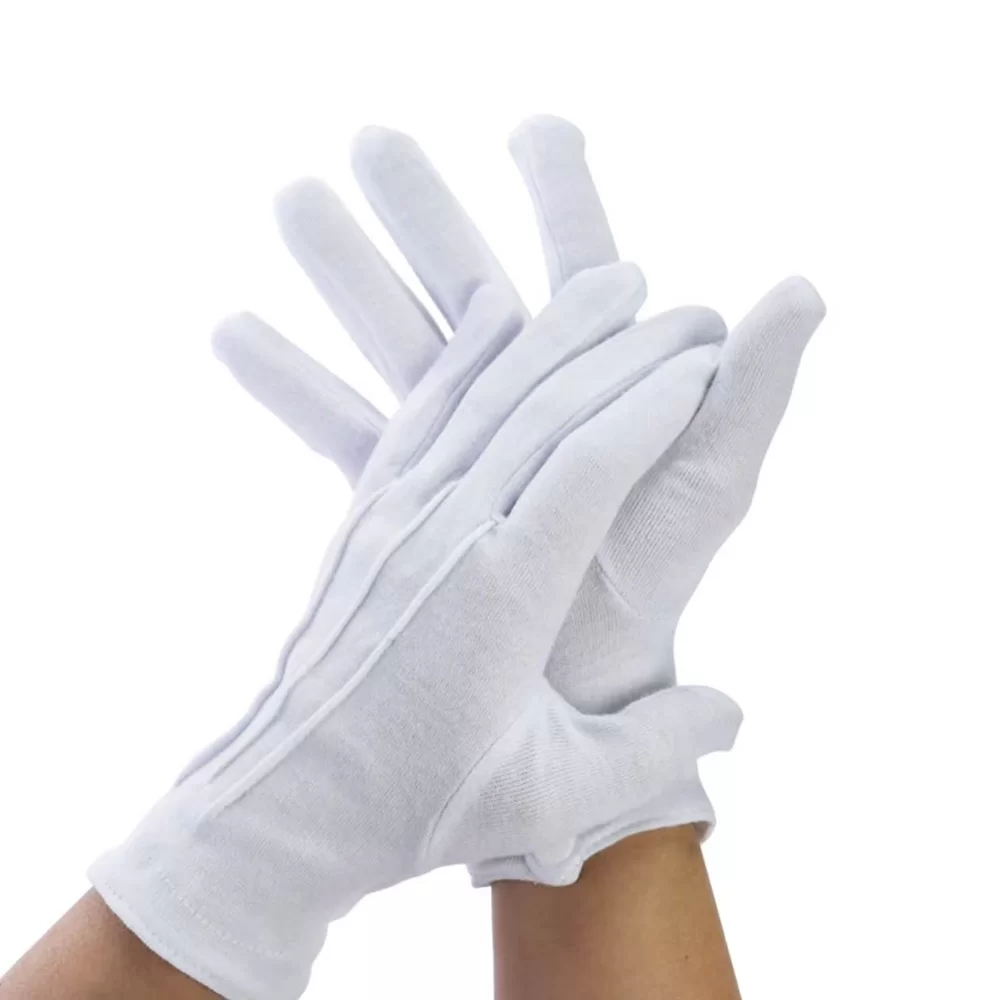
Cleaning Gloves with Scrubbers: Durable, Sustainable, and Multi-Functional Cleaning Tools
What Are Cleaning Gloves with Scrubbers and Why Do They Matter?
Cleaning gloves with scrubbers might sound like just another household product, but they actually play a far more impactful role globally than many realize. In today’s world, where hygiene standards and environmental consciousness are continually evolving, these gloves offer an efficient, reusable, and safer way to tackle cleaning chores both industrially and domestically. Understanding their design and benefits helps us appreciate not only their utility but the broader influence they wield—from healthcare facilities in remote corners to disaster relief operations and everyday kitchens.
Frankly, they combine the tactile protection of gloves with the scrubbing power usually reserved for separate cleaning tools—cutting down on waste, increasing hygiene, and making cleaning more accessible worldwide.
Cleaning Gloves with Scrubbers: A Global Perspective
Globally, the demand for practical cleaning solutions is skyrocketing, partly driven by a heightened focus on infection control after the COVID-19 pandemic and increasing urbanization. According to the World Health Organization, improved hygiene practices could prevent up to 40% of diarrheal diseases (WHO, 2022), underlining the importance of accessible cleaning tools like scrub gloves.
But here’s where the problem pops up—traditional scrubbing sponges and cloths, often unhygienic and single-use, contribute to significant plastic and chemical waste. Plus, they don’t always offer hand protection. Cleaning gloves with integrated scrubbers smoothly address these challenges by combining protection with efficiency, creating a cleaner and more sustainable approach worldwide.
Defining Cleaning Gloves with Scrubbers
In simple terms, these are gloves crafted from flexible, often waterproof materials such as latex, nitrile, or silicone, with textured scrubbing surfaces embedded on the palms or fingers. These textured areas can be made from silicone bristles, abrasive fabric, or embedded scrubbing pads, enabling the user to wash dishes, scrub surfaces, or remove stubborn dirt without using an entirely separate cleaning tool.
In industrial and humanitarian contexts, they're not just an upgrade in convenience but a vital hygiene aid. Healthcare workers, field responders, and food service employees use them to reduce contamination risks, and aid groups in crises find them handy for rapid sanitation efforts.
Core Features of Cleaning Gloves with Scrubbers
1. Durability
Unlike disposable gloves or fragile sponges, high-quality cleaner gloves offer robust resistance to tearing and chemicals. Many come with reinforced fingertips or double-layered palms to endure tough scrubbing tasks.
2. Multi-functionality
Integrating scrubbing textures right into the glove surface means one tool accomplishes the job of both glove and brush, streamlining cleaning workflows.
3. Comfort & Flexibility
Flexible nitrile or silicone materials ensure that the gloves don't sacrifice tactile sensitivity, a crucial factor for detailed tasks like washing delicate glassware or operating in tight spaces.
4. Hygienic Design
Many modern models are easy to rinse and dry quickly, reducing bacterial buildup compared to regular sponges. They’re often reusable and reduce overall waste.
5. Eco-friendliness
By combining functions and lasting longer than standard products, they curb single-use plastic and chemical residues, aligning with ISO standards on sustainable products (ISO 14024).
| Specification | Typical Range | Notes |
|---|---|---|
| Material | Silicone / Nitrile / Latex | Allergen considerations apply, e.g. latex-free options |
| Scrubber Type | Silicone bristles / Textured fabric | Varies by application |
| Heat Resistance | Up to 230°C (Silicone) | Safe for hot water usage |
| Grip | Slip-resistant textures included | Important for wet or oily conditions |
| Reusable Life Cycle | 6–12 months with daily use | Depends on care and materials |
Where in the World Are Cleaning Gloves with Scrubbers Making a Difference?
Oddly enough, these modest gloves find remarkable usage across multiple sectors and geographic regions:
- Healthcare: Used in Latin American and Asian clinics to minimize infection transmission and improve surface cleaning, especially where limited resources constrain access to automated cleaning.
- Post-Disaster Relief: NGOs in Africa and parts of the Middle East distribute them to communities grappling with sanitation challenges and contaminated water where quick, hygienic cleanup matters.
- Industrial Zones: Factories in Eastern Europe and Southeast Asia utilize these gloves to handle oily machinery and hazardous substances while maintaining hand safety.
- Domestic Kitchens: Across Europe and North America, they have become a staple for sustainable households aiming to reduce sponge waste.
The versatility is impressive, and frankly, it’s kind of charming how one product bridges so many needs... one glove, many lives.
cleaning gloves with scrubbers are the unsung heroes in many of these environments.
The Many Advantages and Long-Term Value
So, why should you seriously consider switching to or recommending cleaning gloves with scrubbers? Besides the obvious wrinkle of efficiency, here are the big perks:
- Cost Savings: Reduced need for disposable sponges and brushes over time.
- Sustainability: Less plastic waste and chemical runoff, easing environmental footprints.
- Safety & Comfort: Protects skin from harsh chemicals and hot water while keeping hands dry and comfortable.
- Social Impact: Especially in humanitarian sectors, they empower vulnerable populations to maintain hygiene with dignity.
- Reliability: Durable design minimizes replacement frequency, trustworthy even in demanding contexts.
There’s also a certain peace of mind when you know your cleaning routine isn’t just a daily chore but a small contribution towards a cleaner planet.
Looking Ahead: Innovations in Cleaning Gloves with Scrubbers
The future looks quite shiny and green — textile innovators are developing biodegradable scrubbing fibers to replace silicone bristles, making gloves compostable after their service life. Imagine a glove that cleans and then simply decomposes without a trace, pretty neat, right?
Digital integration is also a thing: some prototypes incorporate sensors that monitor glove wear or even contamination levels, which could feed into quality control for industrial cleaning. This kind of automation fits with Industry 4.0 trends and green energy efficiency efforts in manufacturing.
Plus, policies aligned with ISO standards on eco-design (ISO 14006) push manufacturers toward transparency and sustainability throughout the glove’s lifecycle.
Challenges and Smart Solutions
Naturally, they aren’t perfect. Some users find the scrubbing texture either too abrasive for delicate surfaces or not abrasive enough for stubborn grime. Also, fit and sizing remain a hurdle for hand comfort across diverse populations.
Industry leaders are tackling these by offering multi-texture gloves, adjustable fittings, and hybrid materials to suit varied uses. Meanwhile, educating consumers on proper cleaning and care extends glove life and effectiveness. It’s an evolving conversation.
| Vendor | Price Range | Material Options | Warranty | Unique Features |
|---|---|---|---|---|
| GlovePro | $12–$18 | Silicone, Latex-Free | 6 Months | Extra grip zones |
| EcoScrub Gear | $15–$22 | Biodegradable fibers | 12 Months | Compostable |
| CleanTech Solutions | $10–$16 | Nitrile, Silicone | 9 Months | Sensor integration (prototype) |
FAQ: Your Questions About Cleaning Gloves with Scrubbers
Q1: Can cleaning gloves with scrubbers replace sponges entirely for household cleaning?
A1: They can often replace traditional sponges for many tasks, especially dishwashing and surface scrubbing. However, for extremely delicate items, a softer or specialized cloth might still be preferable.
Q2: Are these gloves safe for people with latex allergies?
A2: Yes, many models are made from latex-free materials like nitrile or silicone, specifically to accommodate allergy concerns.
Q3: How should I clean and maintain my scrubber gloves?
A3: Rinse thoroughly after use with warm water, air dry completely to prevent bacterial buildup, and avoid harsh chemicals that may degrade materials.
Q4: Can NGOs deploy these gloves quickly in emergency hygiene kits?
A4: Definitely. Their compact, multi-functional nature makes them ideal for fast deployment, simplifying packing and enhancing hygiene outcomes in crisis zones.
Q5: How long do cleaning gloves with scrubbers generally last with daily use?
A5: Typically, 6 to 12 months with proper care, depending on material quality and usage intensity.
Final Thoughts and Next Steps
All in all, cleaning gloves with scrubbers embody practical innovation in a simple form. They save time, reduce waste, and support safer, greener cleaning habits globally — a genuine win-win for consumers and the planet. Whether you’re upgrading your household gear or equipping a humanitarian effort, these gloves offer lasting value.
Interested to experience them yourself? Do check out our range at https://www.hmdglove.com — your hands might just thank you.
References:
1. World Health Organization, Water, Sanitation and Hygiene (WASH) Facts, 2022
2. ISO 14024: Environmental labels and declarations – Type I environmental labeling, International Organization for Standardization
3. United Nations Sustainable Development Goals, Goal 6: Clean Water and Sanitation