Comprehensive Guide to Blue Gloves Cleaning: Safety, Sustainability & Global Applications
Unpacking Blue Gloves Cleaning: Why It Matters More Than Ever
When you hear blue gloves cleaning, what probably comes to mind is a simple, protective action — gloves that, well, happen to be blue, used during cleaning tasks. But behind this seemingly straightforward phrase lies a deep global story about hygiene, safety, environmental responsibility, and even humanitarian aid. Understanding this niche might sound obscure at first, yet it touches many facets of modern industry, healthcare, and environmental protection.
Grasping the ins-and-outs of blue gloves cleaning means recognizing its role in contamination control, worker safety, and operational efficiency. It’s not just gloves and cleaning — it’s about the intersection of protective gear and best cleaning practices that reduce risks, save costs, and enhance trust in everything from hospital wards to food processing plants.
Global Context: Blue Gloves Cleaning in Today’s Critical Industries
On a global scale, the market for protective gloves, especially blue nitrile gloves often associated with cleaning and medical use, has been soaring. According to a recent ISO report, healthcare-associated infections affect millions worldwide, with billions lost annually due to contamination-related downtime and treatment costs [1]. Blue gloves cleaning procedures help mitigate these risks by ensuring cleanliness without compromising the integrity of hands or surfaces.
Also, the United Nations highlights the importance of personal protective equipment (PPE) in post-disaster zones and humanitarian efforts to prevent disease outbreaks and maintain hygiene [2]. The challenge? Ensuring access to reliable, disposable gloves that can endure rigorous cleaning protocols while remaining cost-effective and sustainable.
The global adoption of blue gloves in cleaning protocols has therefore become more than just a trend, but a necessity, as industries wrestle with contamination risks and environmental regulations.
Mini takeaway: Blue gloves cleaning isn’t merely a safety protocol—it’s a global, multi-industry imperative rooted in health, compliance, and sustainability.
What Exactly Is Blue Gloves Cleaning?
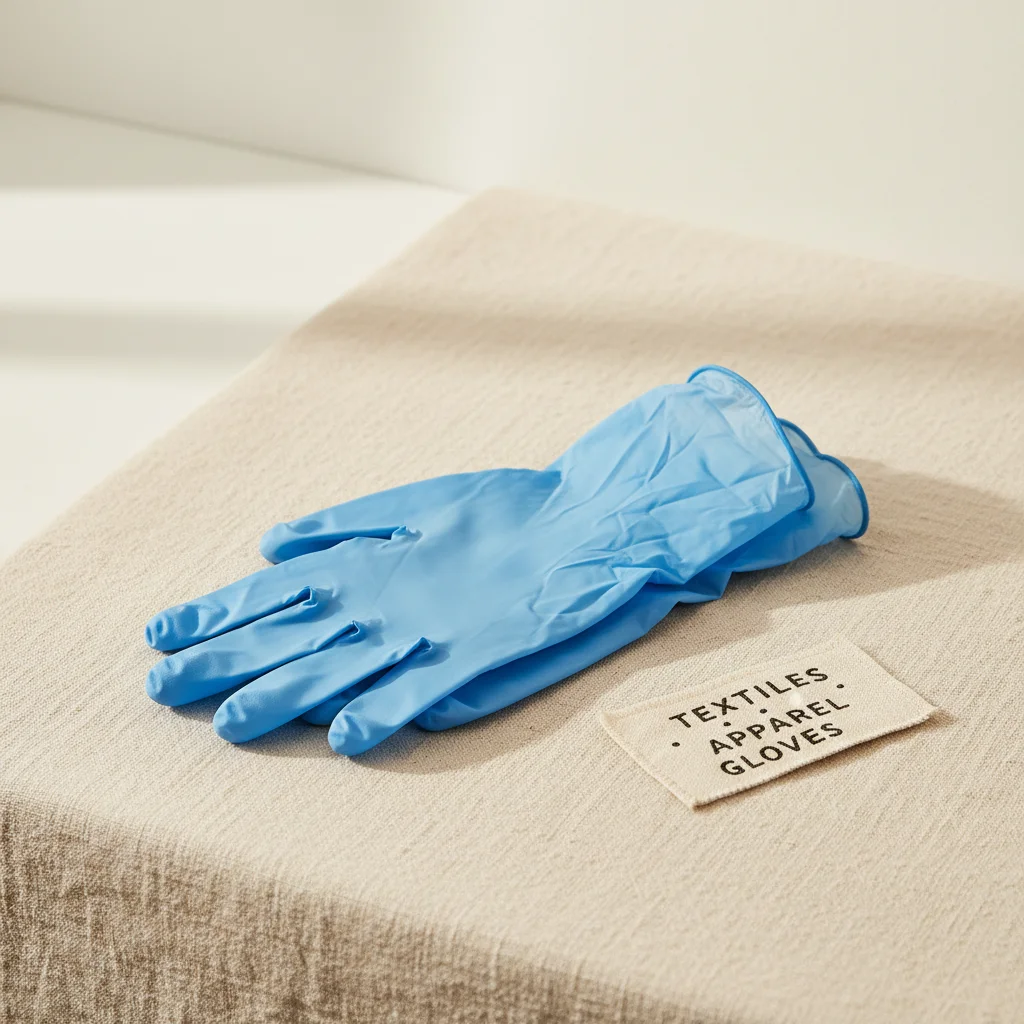
Simply put, blue gloves cleaning refers to the use of blue-colored disposable gloves (typically made from nitrile or latex alternatives) during cleaning tasks to protect both the worker and the environment from cross-contamination. The blue color is not just aesthetic — it commonly serves as a visual cue to distinguish these gloves in industries where hygiene is non-negotiable.
This practice is intensely linked with sectors requiring high levels of sanitation, such as healthcare, food production, pharmaceutical labs, and hazardous waste management. By combining durable, comfortable gloves with industry-standard cleaning protocols, organizations ensure workers can safely handle chemicals and pathogens without compromising their own health or public safety.
Oddly enough, these gloves have become a symbol of trust in environments where cleanliness literally saves lives.
Core Components of Effective Blue Gloves Cleaning
1. Durability & Chemical Resistance
Blue gloves used in cleaning must stand up to harsh detergents, disinfectants, and sometimes abrasive tasks. Nitrile gloves, popular for blue gloves cleaning, provide good puncture resistance and chemical resilience, making them preferable over traditional latex.
2. Comfort & Dexterity
Cleaning tasks often require delicate handling or prolonged wear, so gloves must be snug without sacrificing tactile sensitivity. Many brands now focus on ergonomic designs that reduce hand fatigue and improve grip.
3. Cost Efficiency & Availability
Cleaning operations operate on tight budgets, especially in large-scale or humanitarian settings. Blue gloves need to balance quality with affordability and consistent supply. Bulk purchasing and trusted vendors play a role here.
4. Environmental Impact
The environmental footprint of disposable gloves is under scrutiny. Biodegradable options or recycling programs are emerging to reduce plastic waste produced during frequent glove changes.
5. Compliance & Standards
Adherence to regulatory standards such as ASTM or EN protocols for gloves (e.g., ASTM D6319) ensures safety and reliability, especially in medical or food-related cleaning scenarios.
Mini takeaway: Blue gloves cleaning isn’t just about the glove itself — it’s the interplay of material resilience, comfort, cost, eco-friendliness, and compliance that shapes successful outcomes.
Applications Across the Globe: Where Blue Gloves Cleaning Truly Shines
Different industries and regions have adapted blue gloves cleaning for tailored needs:
- Healthcare Facilities (Global): In hospitals, blue gloves are frontline defense during patient care and facility sanitization to curb infections.
- Food Processing & Safety (North America, Europe): Gloves prevent cross-contamination in cleaning equipment and surfaces, maintaining hygiene standards enforced by agencies like FDA and EFSA.
- Humanitarian Aid & Disaster Relief (Asia-Pacific, Africa): Rapid deployment teams rely on disposable blue gloves to maintain sanitation in makeshift clinics and water purification setups.
- Industrial Cleaning (Remote Industrial Zones): Heavy-duty blue gloves protect workers from chemical hazards during cleaning in oil rigs or mining operations.
In real terms, the need for reliable blue gloves cleaning protocols can’t be overstated in disaster-hit zones where infrastructure collapses and disease risk spikes. They are small but mighty players in global health resilience.
Product Specification Table: Typical Blue Gloves for Cleaning
| Specification | Details |
|---|---|
| Material | Nitrile (Latex-free) |
| Color | Blue (standard for cleaning) |
| Thickness | 4-6 mil (varies by use case) |
| Length | 240 mm (standard size) |
| Resistance | Chemical and puncture resistant |
| Certification | ASTM D6319, EN 455 |
Advantages & The Bigger Picture Value
Blue gloves cleaning isn’t just about keeping hands clean; it echoes a quietly powerful message of trust, dignity, and innovation. For workers, safe gloves mean peace of mind when handling hazardous materials. For organizations, it’s cost savings by reducing cross-contamination and workplace illness.
Socially, it builds public confidence—especially in sensitive environments like hospitals or food facilities—where safety is paramount. Environmentally, adopting biodegradable glove alternatives helps close the loop on waste, which is increasingly important as pollution concerns rise worldwide.
All these advantages together mean blue gloves cleaning practices promote a safer, more sustainable future for industries and communities alike.
Vendor Comparison: Leading Blue Gloves Providers
| Vendor | Material Quality | Price per Box | Certifications | Sustainability Focus |
|---|---|---|---|---|
| HMDGlove Corp | High-grade nitrile | $10-12 | ASTM D6319, ISO9001 | Biodegradable options |
| SafeGlove Ltd. | Mid-level synthetic | $8-10 | EN 455 | Recycling partnerships |
| EcoProtect Gloves | Biodegradable nitrile | $12-14 | ISO 14001 | Strong eco-focus |
Looking Ahead: Trends & Innovations in Blue Gloves Cleaning
We’re witnessing some fascinating innovations in glove materials and cleaning technologies. For example, some manufacturers are exploring bio-based nitrile synthesized from renewable sources. Digital transformation is also impacting inventory and safety compliance through smart sensors embedded in packaging — less waste, better tracking.
Automation in cleaning tasks, paired with gloves designed for robotic compatibility or touch-sensitive controls, is shaping the next frontier. Meanwhile, global policies promote sustainable PPE disposal programs to balance health needs and environmental care.
So yes, blue gloves cleaning is quietly evolving into a high-tech, greener, more digitized practice.
Challenges & The Way Forward
No solution is perfect. The most common issues with blue gloves cleaning include issues of waste generation (especially because gloves are single-use), supply chain stresses during pandemics or disasters, and sometimes skin allergies with certain materials.
Experts recommend combining rigorous training on glove use, investing in hypoallergenic materials, and expanding recycling initiatives. Innovative approaches like glove exchange programs in hospitals or bio-degradable glove R&D could revolutionize the field.
FAQ: Common Questions About Blue Gloves Cleaning
Q1: Why are blue gloves preferred over other colors for cleaning?
A1: Blue is typically used to easily distinguish cleaning gloves from medical or surgical gloves, reducing cross-contamination risk. The color also helps quickly identify glove breaches or contamination during tasks.
Q2: How long can blue cleaning gloves be worn safely?
A2: It's recommended to change gloves between tasks or if contaminated. For heavy-duty cleaning, gloves usually last a few hours max to maintain protection and hygiene.
Q3: Are nitrile blue gloves environmentally friendly?
A3: Traditional nitrile is synthetic and non-biodegradable, but recent advances have produced biodegradable options and recycling programs to minimize environmental impact.
Q4: Can I reuse blue gloves safely for cleaning?
A4: Blue gloves designed for cleaning are mostly disposable and single-use. Reuse risks contamination and damage to protective barriers.
Q5: How do I choose the right blue gloves for industrial cleaning?
A5: Consider material resistance, glove thickness, certifications, and comfort. Consulting vendors like blue gloves cleaning specialists can help match gloves to specific chemicals or workloads.
Wrapping It Up: Why Blue Gloves Cleaning Remains Vital
Blue gloves cleaning, though often overlooked in everyday chatter, holds significant importance in a world increasingly concerned with safety, hygiene, and sustainability. By choosing proper blue protective gloves and combining them with smart cleaning protocols, industries can safeguard people and environments alike.
So next time you see those unmistakable blue gloves, remember: they’re a small yet critical cog in a complicated global machine — protecting health, enabling cleaning excellence, and pushing toward a greener future.
For more insights and sourcing reliable blue gloves, visit our website.