Blue Rubber Cleaning Gloves: Essential Protection for Modern Cleaning Needs
Why Blue Rubber Cleaning Gloves Matter in Today’s World
If you've ever paused to think about the gloves people use to clean up, you might be surprised how much impact such a simple tool can have. Blue rubber cleaning gloves, in particular, are far more than just bright-colored hand covers. They are essential worldwide—whether in hospitals protecting frontline workers, in homes guarding caregivers, or in factories keeping workers safe from harsh chemicals.
Globally, the cleaning sector is huge. According to the International Labour Organization, millions work in sanitation and maintenance, facing both chemical and biohazard risks daily. Proper protective gear, especially gloves that combine durability with comfort and hygiene, is critical. Understanding blue rubber cleaning gloves means delving into how these small but mighty tools improve workplace safety, hygiene standards, and even environmental sustainability.
Mini takeaway: Blue rubber cleaning gloves aren’t just merchandise — they’re frontline defenders in health, safety, and sanitation worldwide.
The World Through the Lens of Blue Rubber Cleaning Gloves
Now, consider this: The global cleaning products and services industry is expected to exceed $74 billion by 2028 (source: Grand View Research). With such scale, the role of supportive equipment like gloves can’t be underestimated. Blue rubber cleaning gloves stand out thanks to their color-coded nature—blue often signals non-food-contact use to avoid cross-contamination—and their resilience to a variety of cleaning agents.
One challenge many industries face is ensuring worker safety amidst rising hygiene standards and regulatory compliance worldwide. For example, ISO 374-1:2016 sets clear specs for gloves’ chemical resistance, an area where blue rubber gloves excel. Their wide adoption across medical sectors, hospitality, and industrial cleaning operations testifies to their global relevance. Such gloves help control microbial spread, chemical burns, and physical injuries, all while ensuring comfort for extended wear.
What Are Blue Rubber Cleaning Gloves? A Simple Definition
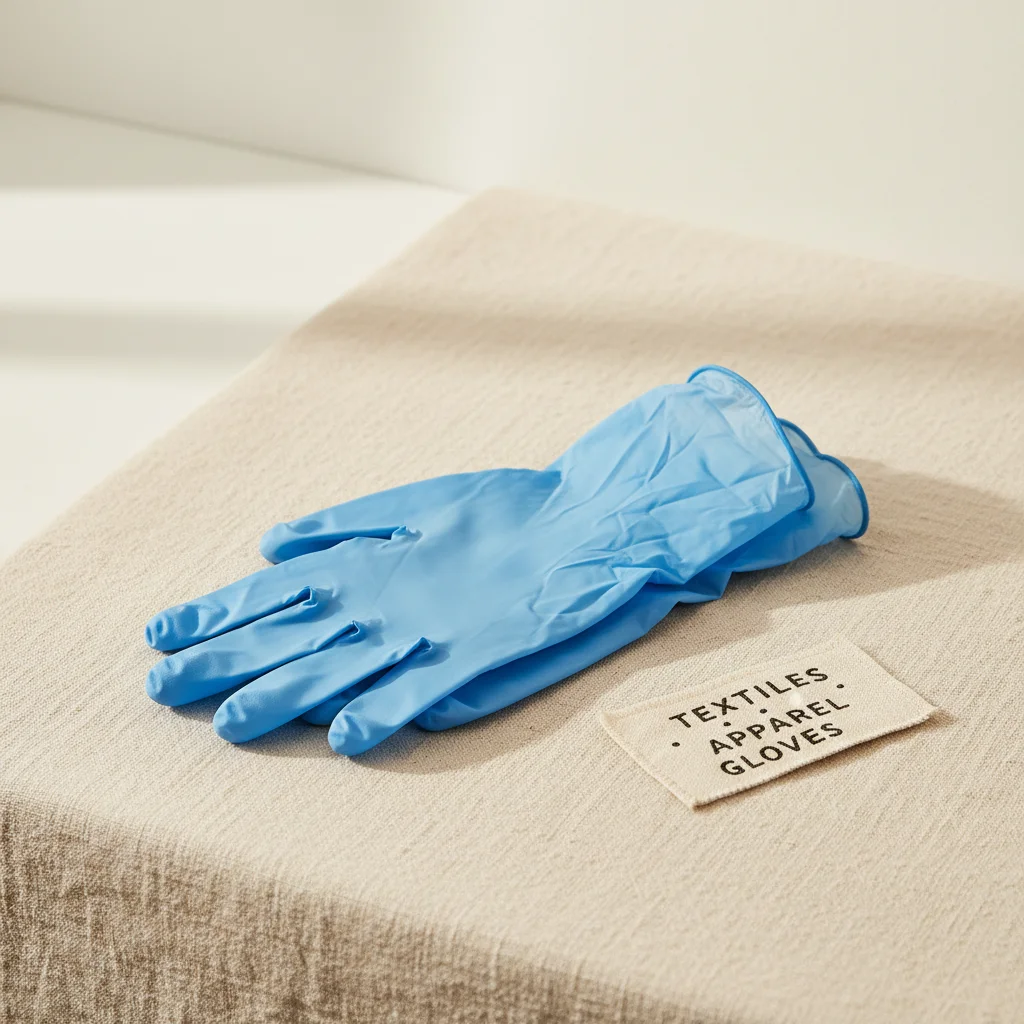
In straightforward terms, blue rubber cleaning gloves are hand protection products made from synthetic rubber materials, dyed blue, designed primarily for cleaning and janitorial tasks. This color-coding helps workers distinguish them easily from gloves intended for food handling or medical use, reducing contamination risks.
But beyond color, they embody a blend of strength, flexibility, and impermeability. Rubber here isn't just about water resistance—it’s also about creating a barrier against various chemical solvents and biological contaminants. They're crafted to withstand repeated exposure to cleaning agents like ammonia, bleach, detergents, and more, making them indispensable tools in many modern industries.
Key Features that Make Blue Rubber Cleaning Gloves the Go-To Choice
Durability and Chemical Resistance
This is where blue rubber gloves truly shine. Thanks to modern synthetic rubbers like nitrile or neoprene blends, these gloves handle an impressive range of chemicals without degrading quickly. This means fewer glove changes, less waste, and safer handling of hazardous solutions.
Comfort and Dexterity
Many engineers and workers note how the gloves balance protection with flexibility. Thin enough for precision yet tough enough to block contaminants, blue rubber gloves allow tasks requiring finger sensitivity—cleaning detailed equipment, for example—without clumsy fumbling.
Cost Efficiency
Though not the cheapest on the market, blue rubber gloves provide excellent value by reducing injuries and contamination incidents. Their lifespan generally surpasses basic latex or vinyl, and being reusable in some scenarios (properly cleaned), they cut down recurring costs in busy environments.
Hygiene and Safety Standards Compliance
They meet international standards like EN 374 for chemical protection and FDA guidelines on glove materials. Their blue hue aids visual monitoring in workplaces, making it easy to spot gloves during inspections or discard them when damaged.
Environmental Impact
Recent developments include biodegradable rubber compounds and recycling programs, aiming to reduce the footprint often associated with rubber gloves. Some manufacturers produce eco-friendly versions without compromising performance.
Mini takeaway: Blue rubber cleaning gloves blend science and practicality — tough, compliant, somewhat eco-conscious, and quite user-friendly.
Where Do Blue Rubber Cleaning Gloves Come to Life? Real-World Applications
From bustling hospitals in Europe to remote construction sites in Asia, these gloves have many roles:
- Healthcare: Protecting staff from contamination during sanitation of medical equipment and patient rooms.
- Food Industry: Though blue gloves usually signal non-food use, they’re vital in kitchen cleaning, ensuring strict hygiene without cross-contact risks.
- Industrial Cleaning: In factories and warehouses, they shield workers handling harsh solvents, oils, and residues.
- Humanitarian & Disaster Relief: In post-disaster cleanup, such gloves provide safety from biological hazards and chemical spillages.
- Households & Janitorial Services: Daily cleaning chores rely on these gloves for simple yet effective hand protection.
Oddly, in places facing stringent chemical regulations, like the EU, blue rubber gloves are often preferred over alternatives because of their proven compliance record.
Advantages and the Long Haul
Let’s get personal for a second. If you’re cleaning with these gloves, it’s less about discomfort or second-guessing whether your skin is protected—and more about focusing on the task. Emotionally, that trust and peace of mind is priceless.
Logically? Well, the long-term value shows up in reduced injury claims, enhanced worker morale, and sustainability efforts when part of a circular economy. The gloves uphold dignity—a small thing worth mentioning, since no one wants to wrap their hands in chintzy, punishing materials.
Looking Ahead: The Future of Blue Rubber Cleaning Gloves
Industry insiders hint at exciting improvements:
- Eco-friendly materials: More bio-based rubber variations mean gloves might soon be both protective and fully compostable.
- Smart gloves: Embedded sensors could alert wearers about chemical exposure levels or glove integrity.
- Customization: Advancements in manufacturing allow gloves tailored to hand shape and specific use cases—raising comfort and reducing waste.
Addressing Common Challenges and Smart Fixes
Of course, no product is perfect. Blue rubber gloves can sometimes feel sweaty or cause latex-like allergies despite being synthetic. Some solutions include:
- Using breathable liner technologies.
- Switching to alternative rubber compounds such as nitrile.
- Encouraging wearer rotation and breaks for skin health.
Proper disposal and recycling remain hurdles, but policy shifts and manufacturer programs are promising routes ahead.
FAQ: Your Most Pressing Questions on Blue Rubber Cleaning Gloves
- Are blue rubber cleaning gloves reusable or disposable?
- They can be either, depending on material and use. Many nitrile-based blue gloves are designed for multiple uses if properly cleaned and undamaged, but single-use options exist for high-contamination settings.
- Can blue rubber gloves protect against all types of chemicals?
- While highly resistant, no glove protects against every chemical. Always review chemical resistance charts and select gloves certified for your intended use.
- How do blue rubber gloves differ from latex gloves?
- Blue rubber gloves are often synthetic, reducing allergy risks present with natural latex. They're generally more resistant to certain chemicals and punctures.
- Are these gloves eco-friendly?
- Standard versions are not biodegradable, but newer eco-certified blue rubber gloves are emerging, made with sustainable materials and improved recycling options.
- Where can I buy high-quality blue rubber cleaning gloves?
- You can find them through specialized suppliers online or industrial safety vendors. For example, check out blue rubber cleaning gloves for a range of certified options.
Blue Rubber Cleaning Gloves Specifications
| Specification | Details |
|---|---|
| Material | Synthetic rubber (Nitrile/Neoprene blend) |
| Color | Blue (Non-food contact use) |
| Chemical Resistance | Acids, Alkalis, Solvents (EN 374 Certified) |
| Thickness | 0.15–0.25 mm |
| Sizes Available | S, M, L, XL |
| Usage | Cleaning, Janitorial, Healthcare |
Vendor Comparison: Selecting the Right Supplier
| Vendor | Material Quality | Certifications | Pricing | Eco Features |
|---|---|---|---|---|
| HMD Glove | Premium Nitrile Blend | EN 374, FDA Approved | Mid-range | Biodegradable Options |
| SafeGuard Supplies | Standard Synthetic Rubber | EN 374 Certified | Budget-friendly | No |
| GreenGlove Inc. | Eco Rubber Blend | ISO 14001 Certified | Higher-end | Fully Compostable Gloves |
In Closing: Blue Rubber Cleaning Gloves — Small Item, Big Impact
I suppose it’s easy to overlook how a pair of gloves shapes our daily working lives. But blue rubber cleaning gloves illustrate the intersection of safety, functionality, and forward-thinking design. They’re the silent partners to countless hands, helping protect health, boost productivity, and even curb environmental impact.
If you’re convinced these gloves could elevate your safety standards or just curious to see the latest offerings, why not explore more? Visit blue rubber cleaning gloves — your next pair could be waiting.