Hand Gloves for Cleaning Toilet: Global Safety, Sustainability & Innovation Guide
Why Choosing the Right Hand Gloves for Cleaning Toilet Matters Globally
If you ever paused to think about the humble hand gloves for cleaning toilet, you might be surprised how important they are worldwide. These gloves don’t just protect our skin from harsh chemicals or germs—they’re part of a global hygiene safety puzzle, especially in places where sanitation is a serious challenge. The World Health Organization estimates that over 2 billion people lack access to safely managed sanitation, raising hygiene risks during cleaning tasks. In such contexts, reliable protective gear like these gloves becomes essential—not only preventing contamination but also promoting dignity and health among sanitation workers.
Understanding the benefits and features of these gloves can help facilities managers, healthcare providers, and even NGOs choose the best options that boost safety, efficiency, and sustainability. We’ll dive into the nitty-gritty of what makes these gloves tick and why they're a small yet crucial piece of a global hygiene mission.
Introduction: The Global Context of Toilet Cleaning Gloves
Every day, millions of sanitation workers and household cleaners confront hazardous environments where toilet cleaning is a routine but risky task. According to data from the International Labour Organization (ILO), sanitation workers face exposure to pathogens, toxic chemicals, and infections which can lead to chronic health issues. Obviously, wearing proper hand gloves for cleaning toilet isn’t just a precaution—it’s a necessity.
Oddly enough, despite their low tech appearance, these gloves represent frontline personal protective equipment (PPE) in improving public health outcomes worldwide. From urban hospitals in Europe to remote rural villages in Africa or disaster relief sites in Asia, their role in safe waste management and contamination control can’t be overstated.
Definition & Meaning
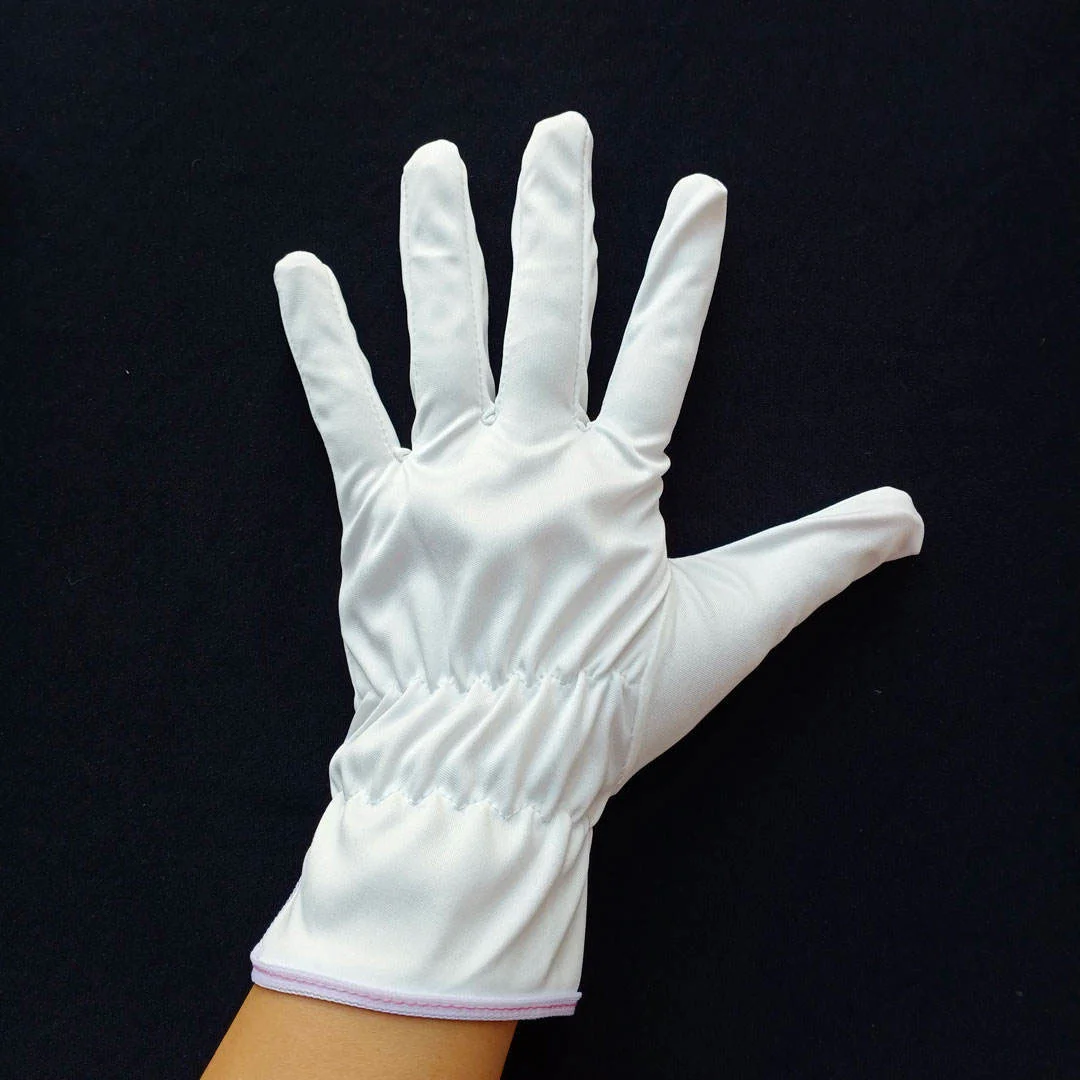
Simply put, hand gloves for cleaning toilet are specialized gloves designed to shield the wearer’s skin from harsh chemicals, bacteria, fungi, and other contaminants typically found when cleaning toilets. They’re usually made from materials like latex, nitrile, neoprene, or PVC—each offering various levels of protection and flexibility.
More than just protective gear, these gloves symbolize a commitment toward occupational safety and hygiene standards. In humanitarian and industrial sectors alike, they connect to broader goals: reducing infection spread, supporting dignity for sanitation workers, and aligning with ISO hygiene compliance standards.
Key Factors to Consider When Choosing Hand Gloves for Cleaning Toilet
1. Durability
The best gloves need to withstand frequent use in chemically aggressive environments without tearing or degrading. For example, nitrile gloves are famed for robustness against solvents and acids. Durability affects cost-effectiveness because replacing torn gloves frequently adds up.
2. Chemical Resistance
Toilet cleaners often involve acids, bleach, and detergents, which can damage the skin or the gloves themselves. Selecting gloves with appropriate chemical resistance ratings ensures wearer safety and glove longevity.
3. Comfort and Fit
Gloves come in various sizes and thicknesses. Oddly enough, a glove that’s too stiff or poorly sized leads to hand fatigue and reduced protection (people tend to remove ill-fitting gloves prematurely). Comfort increases compliance among users.
4. Environmental Impact
Nowadays, sustainability plays a role even in disposable protective gear. Some gloves are biodegradable or made from recycled materials. This matters especially for organizations aiming to reduce plastic waste linked to PPE.
5. Cost Efficiency
Budget constraints are real, especially for NGOs or public facilities. Gloves that balance price with quality, reusability (where applicable), and protection levels help stretch limited resources.
Global Applications & Use Cases
- Healthcare Facilities: Hospitals and clinics rely heavily on durable toilet cleaning gloves to uphold strict sanitation protocols—minimizing nosocomial infection risks.
- Disaster Relief Operations: After natural disasters, sanitation systems often break down. Durable gloves allow emergency teams to safely restore toilet facilities in challenging environments.
- Industrial Zones: Factories with onsite sanitation infrastructure require gloves rated for chemical resistance to protect maintenance staff.
- Household Cleaning Market: On a smaller scale, hand gloves offer everyday consumers protection from harsh household cleaning agents.
In real terms, these gloves link health and hygiene in a way that transcends borders and income brackets.
Advantages & Long-Term Value
Why are these gloves worth investing in? First, there’s safety: protecting skin from infections and chemicals is non-negotiable. Then, they offer peace of mind which indirectly improves workforce morale and trust.
Sustainability is another interesting angle. Some gloves now feature eco-friendly materials and production methods, aligning with global goals like the United Nations’ Sustainable Development Goal 6 (clean water and sanitation). Socially, decent gloves help promote dignity for workers who often operate out of sight and mind.
Future Trends & Innovations
Looking ahead, I’ve noticed a clear trend toward integrating nanotechnology coatings that provide self-cleaning or anti-microbial features on gloves. Eco-conscious innovations focus on biodegradable options that don’t sacrifice durability. There’s also talk of smart gloves equipped with sensors monitoring chemical exposure or wear and tear, bridging digital tech with traditional PPE.
Automation in cleaning—as it develops—may reduce human exposure, though right now, hand gloves remain a frontline hero.
Challenges & Solutions
Despite their benefits, no glove is perfect. Challenges include skin allergies especially with latex, disposal logistics for used gloves, and cost barriers in lower-income regions. Solutions often involve switching to hypoallergenic materials like nitrile, educating users on proper glove disposal, and bulk-buying programs to reduce costs.
Frequently Asked Questions About Hand Gloves for Cleaning Toilet
- Q: What material is best for hand gloves when cleaning toilets?
- A: Nitrile gloves strike a good balance between chemical resistance, durability, and allergy-friendliness, making them a popular choice for toilet cleaning tasks.
- Q: Can hand gloves for cleaning toilets be reused?
- A: Some heavy-duty gloves made for prolonged use can be sanitized and reused, but most disposable gloves should be discarded after one use to prevent cross-contamination.
- Q: How do I choose the right glove size?
- A: Gloves should fit snugly without constricting movement. Most manufacturers provide size charts; measuring your hand circumference helps pick the best fit.
- Q: Are biodegradable hand gloves effective for harsh toilet cleaning?
- A: Newer biodegradable gloves perform well but may have shorter shelf life or reduced resistance compared to traditional plastics; check product specs carefully.
Product Specifications Comparison
| Feature | Latex Gloves | Nitrile Gloves | PVC Gloves |
|---|---|---|---|
| Chemical Resistance | Moderate | High | Moderate |
| Allergy Potential | High (latex allergy) | Low | Low |
| Durability | Good | Excellent | Fair |
| Flexibility & Comfort | High | Moderate | Low |
Vendor Comparison for Hand Gloves
| Vendor | Glove Types | Price Range | Sustainability Features | Global Reach |
|---|---|---|---|---|
| HMDGlove | Latex, Nitrile, PVC | $0.10 - $0.25 per pair | Biodegradable options | Worldwide shipping |
| CleanSafe Co. | Nitrile only | $0.15 - $0.30 per pair | Recycled materials | North America & Europe |
| EcoGuard Supplies | Natural rubber, biodegradable | $0.20 - $0.35 per pair | Fully compostable | Europe & Asia |
In closing, it truly feels like these hand gloves for cleaning toilet are an unsung hero in the global hygiene toolkit. They thread together safety, dignity, and sustainability in ways that matter deeply on both small and large scales. If you’re involved in sanitation—professional or personal—choosing your gloves wisely is one of the simplest yet most impactful steps you can take.
Visit our website: https://www.hmdglove.com for more insights and glove options crafted to keep you safe.
Mini takeaway: The right gloves do more than shield hands—they uphold global health, promote worker dignity, and anticipate tomorrow’s eco needs.
References:
1. World Health Organization - Sanitation Facts (https://www.who.int/news-room/fact-sheets/detail/sanitation)
2. International Labour Organization - Sanitation Worker Safety (https://www.ilo.org/global/topics/sanitation-waste-management/lang--en/index.htm)
3. ISO Hygiene Standards Overview (https://www.iso.org/iso-45001-occupational-health-and-safety.html)