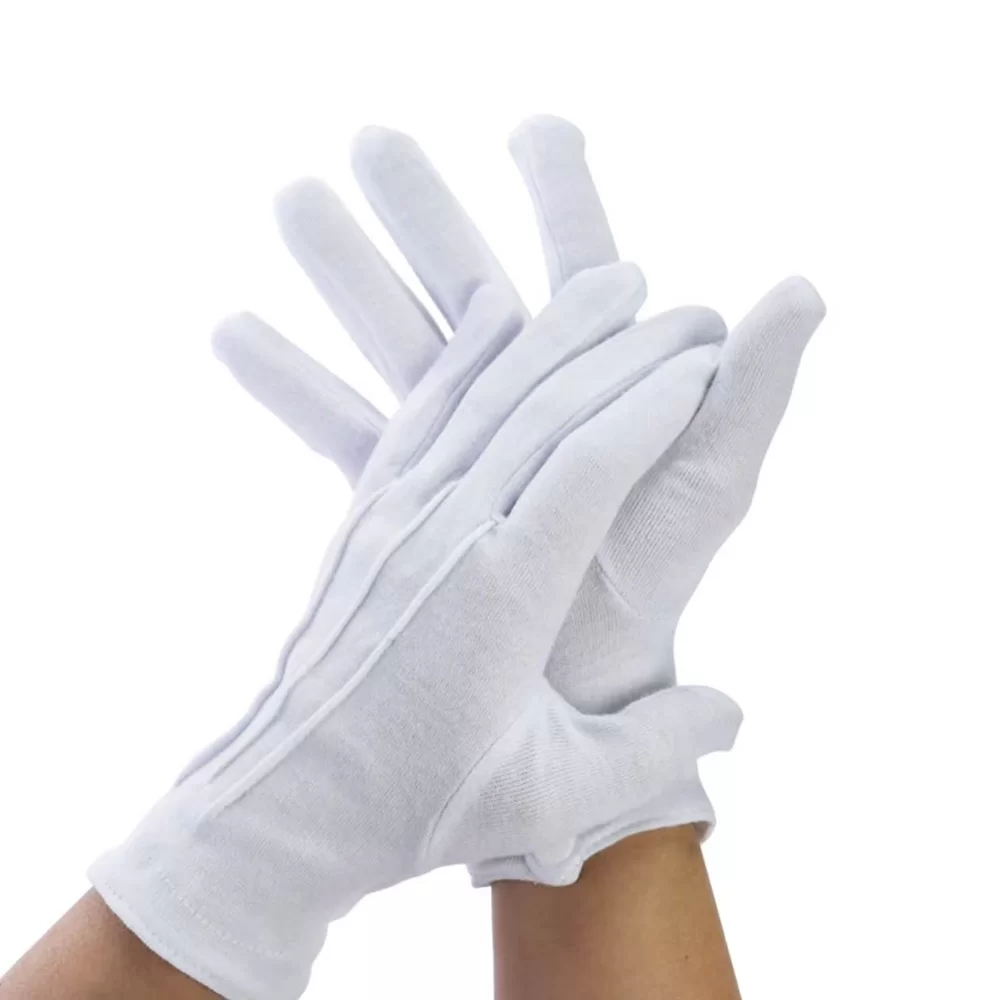
Comprehensive Guide to Hand Gloves for Cleaning Utensils | Safety & Sustainability
Understanding Hand Gloves for Cleaning Utensils: A Practical Guide
Hand gloves for cleaning utensils may seem like a simple tool, but their importance stretches far beyond household chores. Globally, these gloves are a frontline defense against contaminants and harmful chemicals—whether in bustling restaurant kitchens, industrial food processing plants, or humanitarian relief efforts. Appreciating their role helps us not only protect worker health but also improves sanitation standards worldwide. So, why should you care? Well, because these gloves link hygiene, safety, and sustainability in one indispensable package.
Hand Gloves for Cleaning Utensils in a Global Context
Did you know that the World Health Organization estimates that food contamination causes hundreds of millions of illnesses worldwide every year? Food safety is a giant global challenge that hand gloves for cleaning utensils help mitigate. Whether you’re in an industrial kitchen in the US or a remote food service center in Southeast Asia, these gloves serve to prevent cross-contamination and protect from harsh cleaning agents.
Demand for protective gloves is projected to increase by over 7% annually according to the ISO’s guidelines on occupational safety. The challenge? Finding gloves that balance durability, safety, and environmental impact amid diverse use cases.
What Are Hand Gloves for Cleaning Utensils?
Put simply, hand gloves for cleaning utensils are protective coverings designed specifically to aid in cleaning dishes, pots, and kitchen tools while safeguarding the wearer’s skin. They are typically waterproof, resistant to detergents and chemicals, and offer grip to handle slippery items safely.
On an industry level, these gloves connect food safety protocols and worker protection regulations. From a humanitarian perspective, they’re often part of hygiene kits distributed in disaster relief zones where safe food preparation can prevent disease outbreaks.
Key Factors in Selecting Hand Gloves for Cleaning Utensils
Durability
Cleaning tasks can be tough on gloves — hot water, sharp edges, and prolonged use demand resilient materials. Latex, nitrile, and neoprene are common choices, each with different resistance profiles to puncture or chemicals.
Grip & Dexterity
Handling slippery plates or small utensils requires gloves that aren’t bulky. Thin but textured gloves help maintain precision while preventing accidents.
Waterproofing & Chemical Resistance
The gloves must repel water and withstand various detergents and disinfectants without degrading. Otherwise, the protection is compromised.
Eco-Friendliness
With rising awareness of plastic pollution, many manufacturers are innovating biodegradable or reusable glove options. Sustainability is becoming as important as safety.
Cost-Efficiency
Especially for high-volume users like restaurants or hospitals, gloves need a balance between price and performance without frequent replacement costs.
Comfort & Fit
Long shifts require gloves that fit well without causing hand fatigue or sweating, which can impact overall hygiene.
Product Specification Table: Popular Hand Gloves for Cleaning Utensils
| Glove Type | Material | Thickness (mm) | Chemical Resistance | Reusable |
|---|---|---|---|---|
| Classic Latex | Natural Rubber | 0.25 | Moderate | No |
| Nitrile Pro | Synthetic Rubber | 0.30 | High | Yes (multiple uses) |
| Neoprene Defender | Neoprene | 0.35 | Very High | Yes |
| EcoSoft PP | Biodegradable Polymer | 0.20 | Low to moderate | No (disposable) |
Global Applications & Use Cases
- Food Service Industry: Commercial kitchens worldwide rely on these gloves, especially in countries with strict hygiene laws like Germany and Japan.
- Disaster Relief: NGOs distributing hygiene kits to flood or quake victims include gloves for cleaning utensils to prevent contamination.
- Industrial Food Processing: Large factories in the US and China use durable nitrile gloves to streamline cleaning without compromising worker safety.
- Healthcare Settings: Hospitals integrate these gloves into dishware sterilization procedures, particularly in Europe where cross-infection risks are rigorously managed.
For example, a relief organization working in Southeast Asia shared that hand gloves for cleaning utensils drastically reduced the incidence of water-borne diseases during monsoon season.
Advantages & Long-Term Value of Hand Gloves for Cleaning Utensils
First off, they reduce skin contact with harsh cleaning chemicals, cutting down allergic reactions and dermatitis — a big plus for employee wellbeing. Accessibility to quality gloves fosters trust in workplace safety standards, promoting dignity among workers.
Economically, reusable gloves like nitrile ones reduce waste and replenish costs over time. Socially, they support safer food preparation, lessening outbreak potential. And environmentally, newer biodegradable options address growing pollution concerns.
Competitive Vendor Comparison
| Vendor | Product Range | Sustainability Features | Price Range | Global Shipping |
|---|---|---|---|---|
| HMD Gloves | Latex, Nitrile, Eco-friendly | Biodegradable options available | $$ | Yes |
| SafeHands Corp. | Nitrile and Neoprene focus | Recyclable packaging only | $$$ | No |
| EcoGlove Inc. | Biodegradable disposables | 100% compostable materials | $ | Limited |
Future Trends & Innovations
Look out for smart gloves embedding sensors to monitor chemical exposure levels in real time—yes, gloves are getting “digital.” Also, the surge in bio-based polymers means gloves will soon be more eco-friendly without sacrificing strength. Regulatory pressure will likely tighten certification standards, pushing manufacturers towards higher quality and transparency.
Challenges & Solutions
- Challenge: Most disposable gloves contribute to plastic waste.
- Solution: Shift towards biodegradable materials and encourage reusable designs.
- Challenge: Gloves can cause sweating and discomfort, reducing compliance.
- Solution: Innovations in breathable gloves and ergonomic sizing improve comfort.
- Challenge: Cost pressures make premium gloves hard to justify in low-margin industries.
- Solution: Bulk purchasing and lifespan optimization balanced against immediate price.
Frequently Asked Questions About Hand Gloves for Cleaning Utensils
- What type of glove is best for cleaning kitchen utensils with harsh chemicals?
- Nitrile gloves are generally recommended due to their strong chemical resistance and durability. They also offer good dexterity, which helps in precise handling.
- Are disposable gloves or reusable gloves better for environmental sustainability?
- Reusable gloves, especially those made of durable materials like neoprene or high-grade nitrile, tend to be more sustainable as they reduce waste. However, biodegradable disposable options are improving rapidly.
- Can hand gloves for cleaning utensils help prevent food contamination?
- Absolutely. They act as barriers preventing direct contact with contaminants and help maintain hygienic conditions when cleaning.
- How often should I replace cleaning gloves in a commercial kitchen?
- It depends on usage frequency and glove type — disposable gloves should be changed after each task, while reusable gloves require thorough drying and inspection daily, replaced at first signs of wear.
Conclusion: Why Investing in Quality Hand Gloves for Cleaning Utensils Pays Off
In real terms, investing in the right hand gloves for cleaning utensils transcends mere protection—it’s about enhancing worker safety, bolstering food hygiene, and contributing to global health goals. The combination of durability, comfort, and sustainability creates long-term value that's both measurable and felt. To explore a broad range of quality gloves tailored for various needs, visit our website: hand gloves for cleaning utensils.
Ultimately, these gloves are small tools with a big impact—protecting hands, food, and communities around the world.
Quick takeaway: When it comes to protecting your hands and the meals you serve, quality gloves serve as your silent guardian.