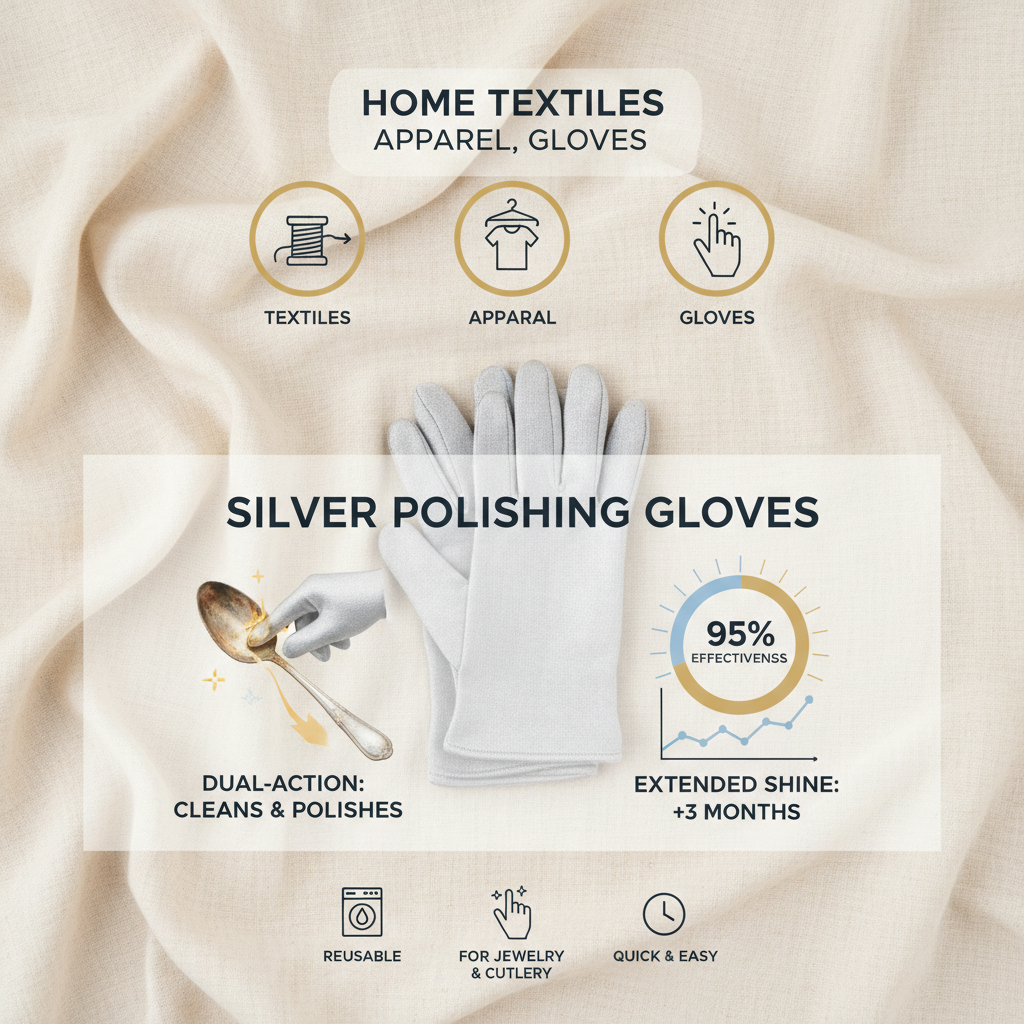
Maintaining the lustrous brilliance of precious metals requires more than just the right chemical cleaners; it demands the right physical interface. High-quality silver polishing gloves serve as a critical barrier, preventing the transfer of skin oils and corrosive salts from the hands to the delicate surface of silver items, thereby reducing the frequency of tarnish.
In the professional curation and luxury jewelry sectors, the use of specialized gloves is not merely a preference but a standard protocol. These gloves ensure that the polishing process remains contaminant-free, allowing the abrasive or polishing agent to work uniformly across the surface without leaving unsightly fingerprints or streaks that could lead to permanent etching.
Understanding the technical specifications of silver polishing gloves—from fiber density to lint-free properties—is essential for anyone managing high-value assets. By integrating these tools into a routine maintenance cycle, collectors and industrial manufacturers can significantly extend the lifespan of their silver products while maintaining a showroom-quality finish.
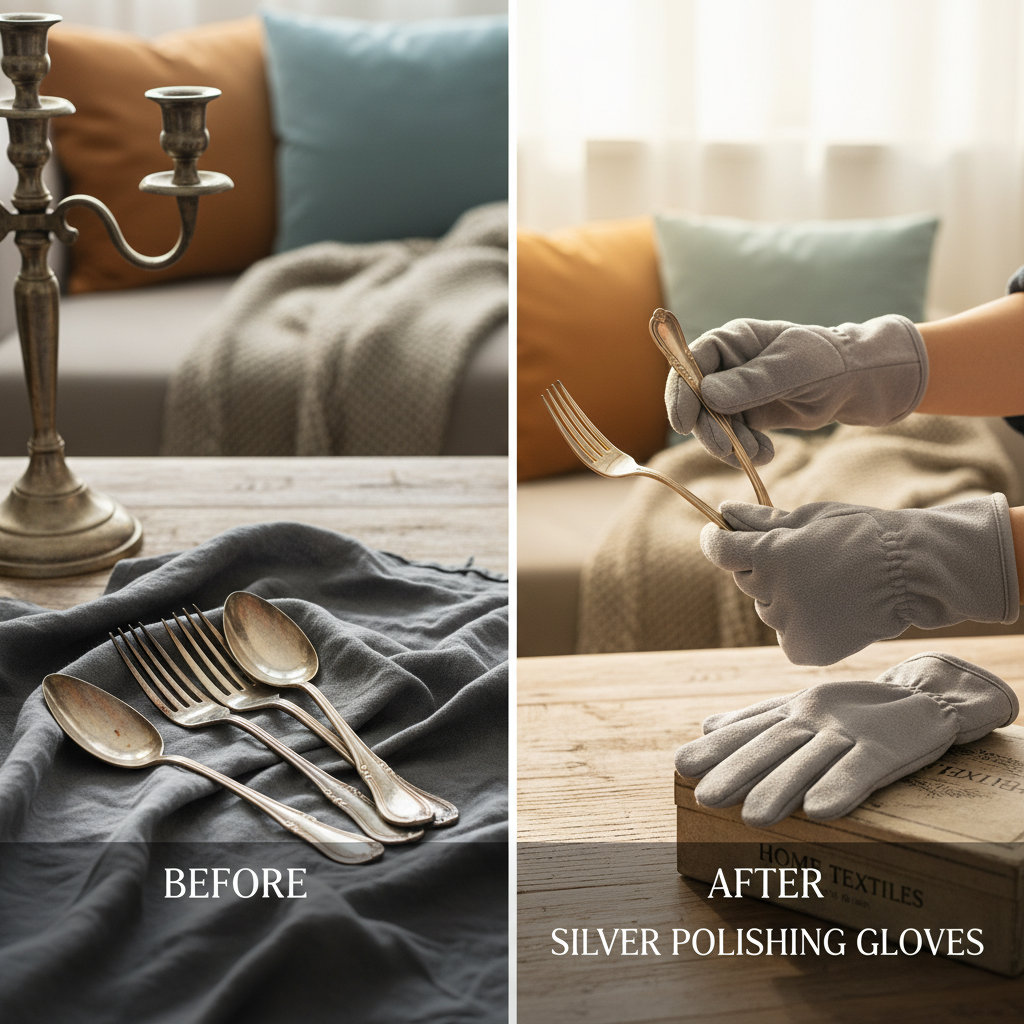
Global Standards for Silver Polishing Gloves
Across the globe, the preservation of silver artifacts in museums and private collections follows strict ISO guidelines regarding contaminant control. The implementation of silver polishing gloves has become a global benchmark to mitigate the risks of oxidation caused by human touch. In regions with high humidity, such as Southeast Asia, the need for these barriers is even more critical to prevent rapid sulfide formation on silver surfaces.
The industry has seen a shift toward specialized microfiber and cotton blends that meet international standards for non-abrasiveness. By adhering to these global textile standards, manufacturers ensure that the gloves do not introduce micro-scratches, which are often invisible to the naked eye but degrade the metal's reflectivity over time.
Technical Definition of Polishing Textiles
At its core, silver polishing gloves are precision-engineered hand coverings designed to eliminate the interaction between dermal secretions and silver alloys. Unlike standard household gloves, these are crafted from ultra-fine filaments—often microfiber or high-grade cotton—that provide a lint-free surface, ensuring that no particulate matter is trapped between the glove and the silver object during the polishing motion.
The connection to modern industrial needs lies in the demand for "Zero-Defect" finishes. In the production of industrial silver components or high-end jewelry, even a single fingerprint can lead to a localized area of corrosion. Therefore, these gloves act as a critical quality control tool in the final stages of manufacturing and packaging.
Furthermore, these gloves are often designed with ergonomic fits to maintain tactile sensitivity. This allows the polisher to feel the contours of the item, ensuring that polishing pressure is applied evenly, which is vital for maintaining the structural integrity of intricate filigree or engraved silver work.
Core Components of High-Performance Gloves
One of the primary factors in the effectiveness of silver polishing gloves is Material Purity. The absence of sulfur-based dyes or chemical residues in the fabric is paramount, as any contaminant in the textile itself could paradoxically accelerate the tarnishing process it is meant to prevent.
Lint-Free Architecture is the second pillar of design. By utilizing a tight-knit weave or split-fiber microfiber, the gloves avoid shedding small fibers. This is essential because trapped fibers can act as conduits for dust and oils, creating streaks on the polished silver surface that require repetitive cleaning.
Finally, Breathability and Dexterity ensure long-term usability. A glove that causes the hand to sweat excessively can lead to moisture seepage through the fabric. High-performance silver polishing gloves utilize moisture-wicking properties to keep the wearer comfortable while maintaining a snug fit for precise movement.
Practical Applications in Luxury Sectors
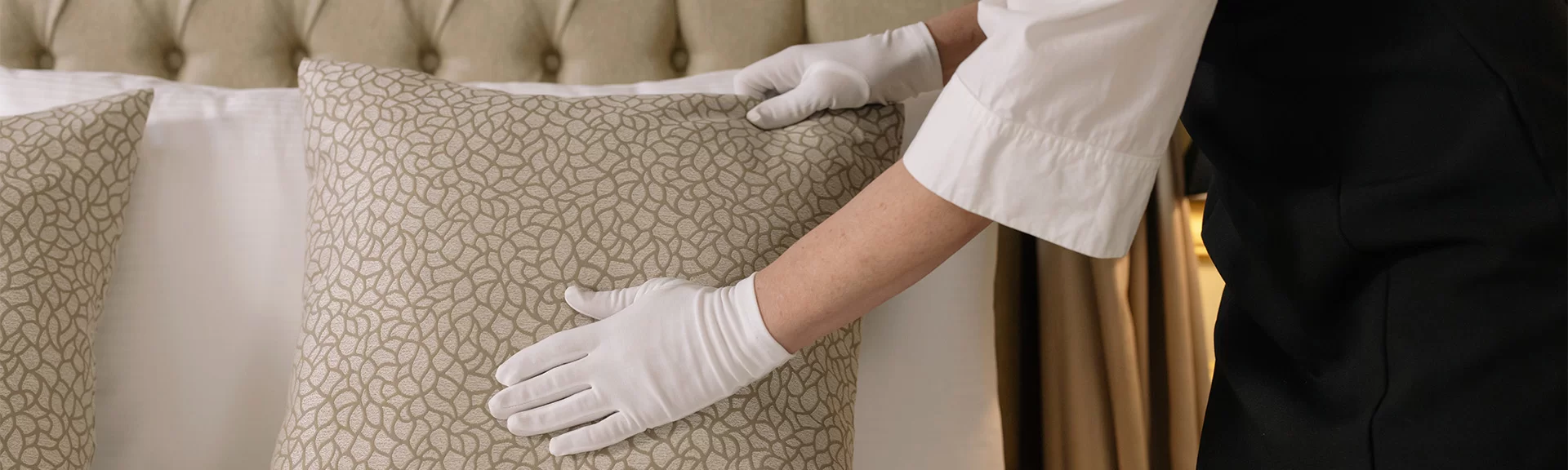
In the realm of high-end hospitality and etiquette, the use of these gloves extends beyond cleaning to presentation. Professional stewards in luxury hotels use specialized white cotton versions of silver polishing gloves to handle sterling silver platters and cutlery, ensuring that the guest receives a flawless, mirror-like experience without any visible handprints.
Beyond hospitality, these gloves are indispensable in the restoration of antique silver. In European conservation labs, experts employ a layered approach, using soft polishing gloves to apply gentle pressure with specialized pastes, ensuring that the patina of the antique is preserved while removing harmful oxidation layers.
Efficiency Analysis of Different Glove Materials
Long-Term Value and Sustainability
Investing in professional silver polishing gloves yields significant economic benefits over time. By reducing the frequency of chemical polishing—which physically removes a thin layer of silver every time it is used—these gloves help preserve the mass and value of the silver items.
From a sustainability perspective, the shift toward washable, reusable microfiber gloves reduces the reliance on disposable wipes and single-use plastics. This not only lowers the operational cost for businesses but also aligns with global ESG (Environmental, Social, and Governance) goals by minimizing textile waste in the luxury goods industry.
Future Innovations in Textile Coatings
The future of silver polishing gloves lies in the integration of nanotechnology. We are seeing the emergence of "smart fabrics" that can actively repel oils and moisture at a molecular level, ensuring that not a single molecule of sebum reaches the silver surface. These coatings are hydrophobic and oleophobic, making the gloves even more effective in high-stress industrial environments.
Automation is also playing a role. As robotic polishing systems become more common, the "gloves" are evolving into high-precision textile sleeves for robotic grippers. These sleeves mimic the softness and lint-free nature of human-worn polishing gloves, allowing for automated luster maintenance in large-scale silver production lines.
Moreover, the industry is exploring biodegradable polymers for glove construction. The goal is to create a professional-grade polishing glove that offers the same lint-free performance as synthetic microfiber but can be composted at the end of its lifecycle, further enhancing the eco-friendly profile of precious metal care.
Overcoming Common Polishing Challenges
A common challenge in the industry is the "streak effect," where polishing agents are smeared rather than lifted. This is often solved by using a dual-glove system: one set of silver polishing gloves for applying the polish and a second, clean set for the final buffing stage. This prevents cross-contamination and ensures a streak-free brilliance.
Another hurdle is the loss of tactile feel in thick gloves. Expert manufacturers are now using "zone-knitting" technology, where the fingertips are thinner and more sensitive, while the palms remain plush for maximum polishing surface area. This innovation allows for the meticulous cleaning of small crevices without sacrificing protection.
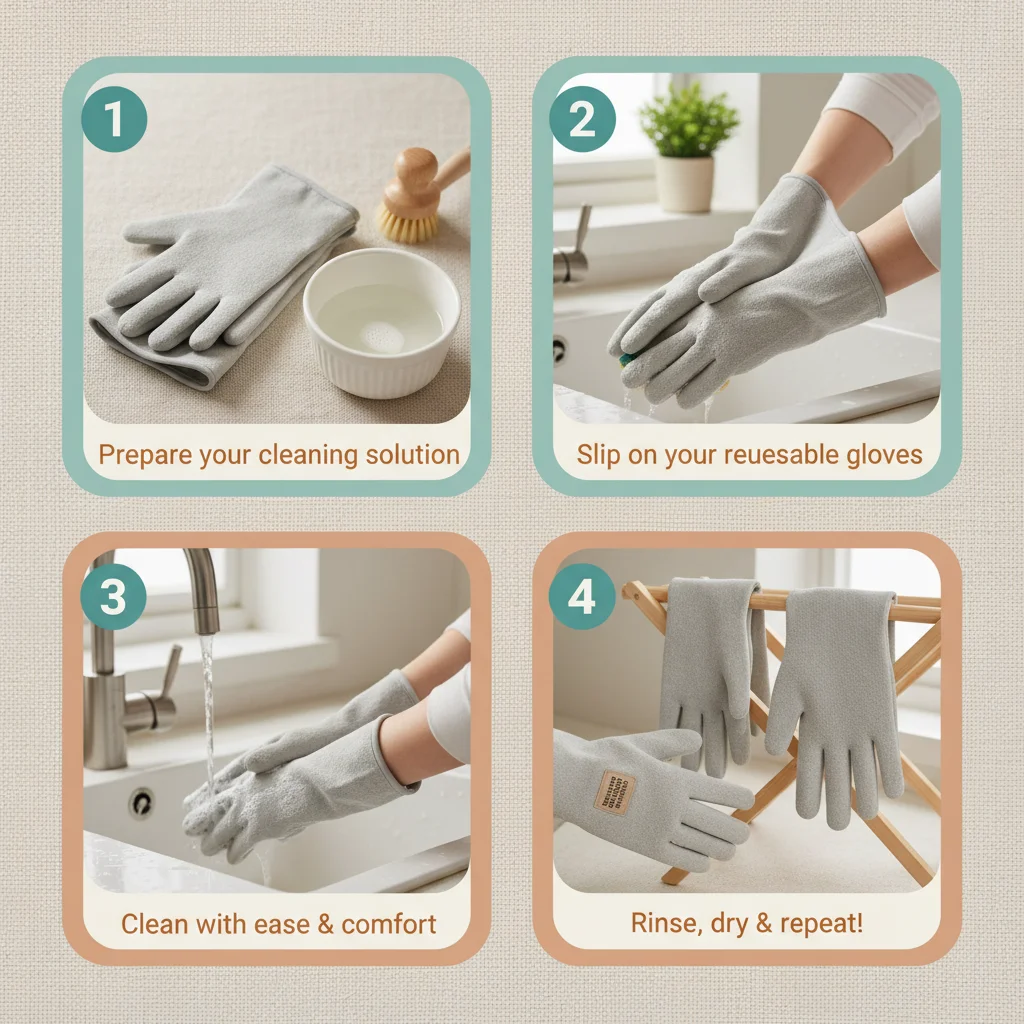
Lastly, managing the lifespan of the gloves is key. Over-saturated gloves can actually scratch the surface. The solution lies in establishing a strict rotation and laundering schedule, utilizing pH-neutral detergents that do not leave residues on the fabric, thus maintaining the glove's integrity for hundreds of uses.
Comparison of Polishing Glove Specifications and Performance
| Material Type |
Lint-Free Level |
Tactile Sensitivity |
Durability Score |
| Ultra-Fine Microfiber |
Excellent |
High |
9/10 |
| Egyptian Cotton |
Good |
Very High |
7/10 |
| Polyester Blend |
Moderate |
Medium |
8/10 |
| Nylon Micro-mesh |
High |
Excellent |
6/10 |
| Bamboo Fiber |
Good |
High |
5/10 |
| Synthetic Suede |
Excellent |
Low |
10/10 |
FAQS
Regular cotton gloves often shed small fibers (lint) and may contain dyes or residues that can react with silver. Professional silver polishing gloves are specifically engineered to be lint-free and chemically neutral, ensuring that no particles are trapped against the metal, which could cause micro-scratches during the polishing process.
Replacement depends on usage, but typically, once the fibers become saturated with polishing compound or lose their "grip" and softness, they should be replaced. For professional use, a weekly deep-clean is recommended, and total replacement every 3-6 months ensures maximum protection and performance.
Yes, but with caution. You should use a pH-neutral, fragrance-free detergent and avoid fabric softeners, as softeners leave a waxy residue that can transfer to your silver. Air drying is preferred over machine drying to maintain the fiber structure and elasticity of the gloves.
Generally, yes. Microfiber has a much higher surface area and a "hook-like" structure at the microscopic level, which allows it to lift oils and tarnish more effectively than cotton. For achieving a mirror-like high luster, microfiber silver polishing gloves are the industry preference.
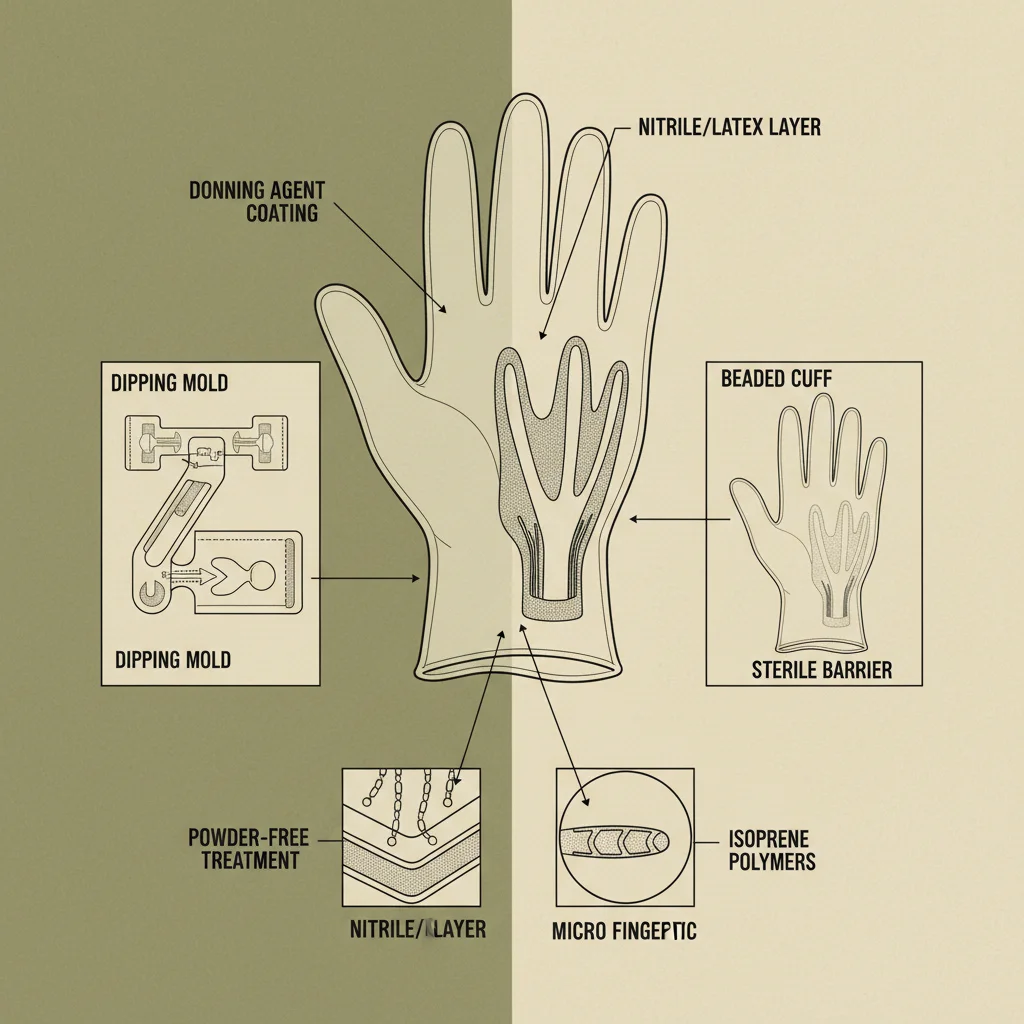
While they provide a physical barrier against dust and oils, fabric gloves are not impermeable to liquids. If you are using harsh acid-based cleaners, we recommend wearing nitrile gloves underneath your silver polishing gloves to ensure full chemical protection for your skin.
A snug, "second-skin" fit is essential for intricate work. If the glove is too loose, the excess fabric can snag on jewelry settings. We recommend choosing a size that fits tightly without restricting circulation, or opting for models with reinforced, tapered fingertips for better precision.
Conclusion
In summary, silver polishing gloves are an indispensable asset for the professional maintenance of precious metals. By combining advanced textile science with ergonomic design, these tools solve the critical problem of dermal contamination, reduce the need for aggressive chemical polishing, and ensure that the inherent value and beauty of silver items are preserved for generations.
As we move toward a future of sustainable luxury, the adoption of high-durability, reusable polishing textiles will continue to grow. We encourage collectors and industrial professionals to prioritize material purity and lint-free specifications when selecting their gear. To explore our full range of professional protective wear, visit our website: www.hmdglove.com