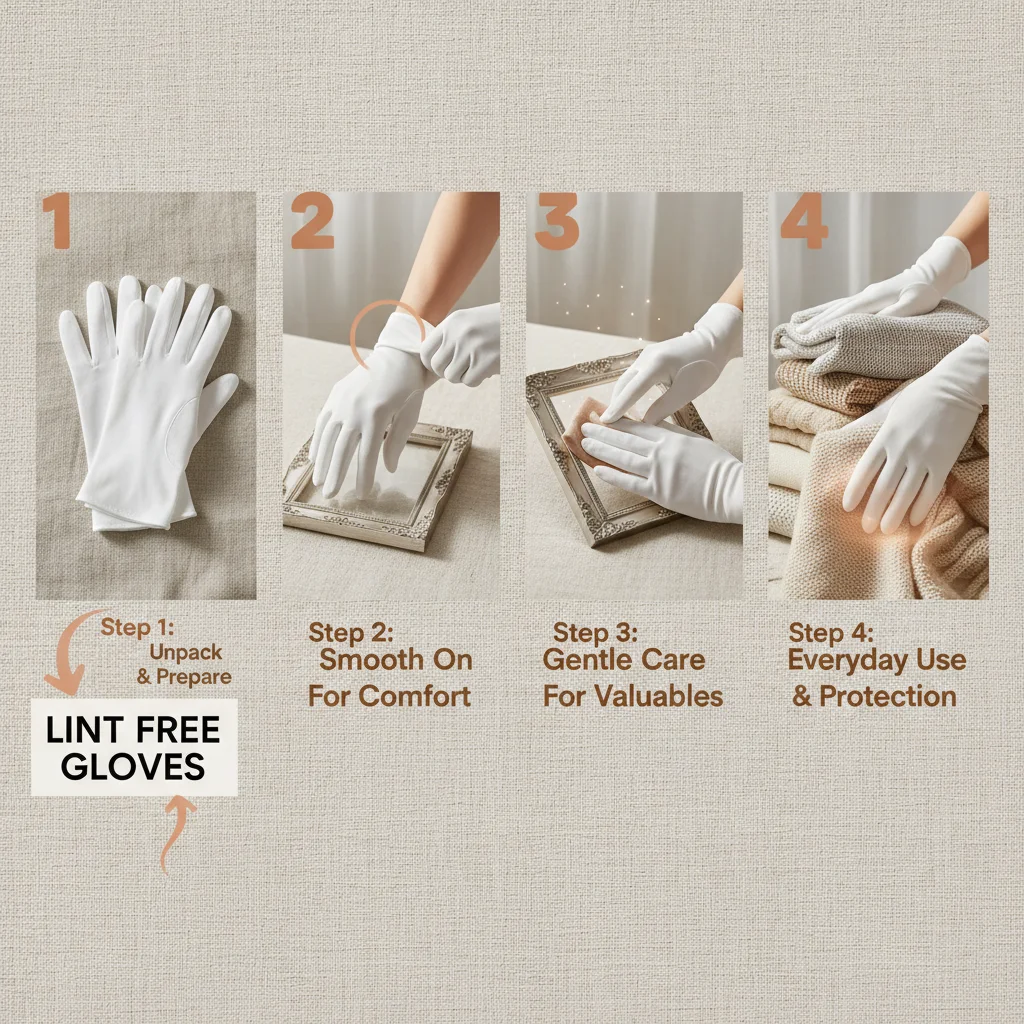
In the modern era of hygiene and home maintenance, silicone cleaning gloves have emerged as a revolutionary alternative to traditional rubber and latex options. By integrating scrubbing bristles directly into the palm and fingers, these tools eliminate the need for separate sponges, streamlining the cleaning process and reducing waste.
The global shift toward durable, food-grade materials has propelled the adoption of silicone in domestic and industrial settings. As consumers become more conscious of skin sensitivities and environmental impact, the demand for non-toxic, heat-resistant, and long-lasting protective gear has reached an all-time high.
Understanding the technical advantages of silicone cleaning gloves—ranging from their antimicrobial properties to their exceptional thermal stability—allows users to optimize their cleaning routines while ensuring maximum hand protection and ergonomic efficiency.
Global Relevance and Industry Context of Silicone Cleaning Gloves
The global cleaning tools market has witnessed a significant paradigm shift, with ISO standards increasingly emphasizing the use of hypoallergenic and sustainable materials. silicone cleaning gloves are no longer just a novelty; they are a strategic response to the rising prevalence of contact dermatitis caused by traditional latex gloves.
Industry data suggests a steady CAGR increase in the silicone apparel sector, driven by the hospitality and healthcare industries' need for sterilizable equipment. By replacing porous fabrics and degrading rubbers with high-grade silicone, organizations are reducing the frequency of replacement and lowering their overall carbon footprint.
Defining the Modern Silicone Cleaning Glove
At its core, a silicone cleaning glove is a specialized piece of personal protective equipment (PPE) crafted from high-molecular-weight silicone polymers. Unlike standard gloves, these are engineered with integrated scrubbers—small, flexible silicone bristles—that allow the user to scrub surfaces while simultaneously protecting their skin from harsh chemicals and hot water.
From a manufacturing perspective, these gloves represent a fusion of ergonomic design and material science. They are designed to provide a waterproof barrier that is both flexible enough for intricate movements and robust enough to withstand abrasive environments, bridging the gap between a protective glove and a cleaning tool.
In humanitarian and high-standard industrial contexts, the use of food-grade silicone ensures that these gloves can be used in food preparation areas or medical sanitization zones without leaching harmful toxins, making them a versatile asset for global hygiene initiatives.
Core Components for Maximum Durability
The effectiveness of silicone cleaning gloves depends heavily on the purity of the raw silicone used. High-density polymers ensure that the gloves do not tear under pressure, providing a level of tensile strength that far exceeds that of traditional vinyl or rubber.
Another critical component is the bristle architecture. The height, density, and flexibility of the silicone scrubbers determine the glove's ability to remove stubborn grime without scratching delicate surfaces like non-stick pans or automotive paint.
Thermal resistance is the third pillar of their design. Because silicone remains stable at extreme temperatures, these gloves allow users to handle boiling water or frozen items safely, adding a layer of versatility that is essential in professional kitchen and industrial laboratory settings.
Practical Applications Across Diverse Industries
In the hospitality sector, silicone cleaning gloves are utilized for rapid kitchen sanitization, where they can be easily sterilized in dishwashers or autoclaves. Their non-slip grip ensures safety when handling wet glassware or heavy stainless steel equipment in fast-paced environments.
Beyond the kitchen, these gloves are increasingly used in pet grooming. The soft silicone bristles are ideal for removing loose hair and massaging the skin of animals, providing a stress-free grooming experience while protecting the groomer's hands from moisture and dander.
Performance Analysis of Various Silicone Cleaning Glove Models
Long-term Value and Sustainability
The long-term value of investing in silicone cleaning gloves lies in their incredible lifespan. While latex gloves tear frequently and require constant replacement, silicone is highly resistant to punctures and chemical erosion, significantly reducing the volume of waste sent to landfills.
From an emotional and logical standpoint, these gloves offer peace of mind. Users no longer have to worry about the "rubber smell" or the risk of allergic reactions, fostering a safer and more dignified cleaning experience for professional staff and homeowners alike.
Future Innovations in Cleaning Material Science
The next generation of silicone cleaning gloves is expected to integrate antimicrobial silver ions directly into the silicone matrix. This innovation will allow the gloves to actively kill bacteria on contact, transforming them from a passive protective barrier into an active sanitization tool.
Digital transformation is also touching this industry, with the development of "smart" gloves that can sense surface temperatures or chemical concentrations, alerting the user via haptic feedback if a surface is too hot or a cleaning agent is too corrosive.
Furthermore, the move toward circular economy models means that future silicone gloves will be designed for 100% recyclability, ensuring that at the end of their long life, they can be melted down and repurposed into new industrial components without loss of quality.
Overcoming Common Implementation Challenges
One common challenge users face is the "fit" of silicone, as the material is less stretchy than latex. To solve this, manufacturers are now utilizing 3D hand-scanning technology to create a wider range of ergonomic sizes, ensuring a snug fit that doesn't impede dexterity.
Another limitation is the initial higher cost compared to disposable gloves. However, expert analysis shows that the cost-per-use is actually lower over a twelve-month period because one pair of silicone gloves can replace dozens of traditional pairs.
To optimize performance, users are encouraged to pair these gloves with pH-neutral detergents, which prevents the long-term buildup of mineral deposits on the silicone bristles, maintaining their scrubbing efficiency for years.
Comprehensive Analysis of Silicone Glove Performance Metrics
| Material Grade | Durability Score (1-10) | Heat Resistance | Eco-Impact |
|---|
| Food-Grade Platinum | 10 | Up to 230°C | Low Waste |
| Industrial Polymer | 9 | Up to 200°C | Moderate |
| Consumer Standard | 7 | Up to 150°C | Moderate |
| Recycled Silicone | 8 | Up to 180°C | Very Low |
| Medical Grade | 10 | Autoclave Ready | Low Waste |
| Budget Composite | 5 | Up to 100°C | Higher |
FAQS
Yes, in terms of durability and versatility. Unlike rubber, silicone is heat-resistant, hypoallergenic, and often includes built-in scrubbers, eliminating the need for sponges. While rubber gloves are cheaper upfront, silicone gloves last significantly longer and provide a more hygienic barrier against bacteria.
Absolutely. High-quality food-grade silicone is designed to withstand extreme temperatures. You can boil them or put them in a dishwasher to ensure all pathogens are removed, which is a major advantage over latex or vinyl gloves that may melt or degrade under high heat.
Generally, no. Silicone is a soft, flexible material. The bristles are designed to be firm enough to remove grime but gentle enough for use on non-stick cookware, glass, and car paint. However, we always recommend testing on a small inconspicuous area first.
Since silicone is less elastic than latex, fit is crucial. We recommend measuring your palm width and finger length. Most professional brands offer S, M, and L sizes. A glove that is too tight can be difficult to put on, while one that is too loose reduces scrubbing precision.
Yes. Silicone is chemically distinct from natural rubber latex and is widely recognized as a safe, hypoallergenic alternative. It does not contain the proteins that typically trigger latex allergic reactions, making it ideal for sensitive skin.
Yes, they are excellent for this. The bristles act as a gentle massage tool that removes loose fur and dander from your pet's coat while keeping your hands dry and clean. Many pet owners prefer them over traditional brushes because they are softer on the animal's skin.
Conclusion
In summary, silicone cleaning gloves represent a significant leap forward in the intersection of PPE and cleaning utility. By combining extreme durability, thermal resistance, and hypoallergenic properties with an integrated scrubbing design, they solve the inefficiency and waste associated with traditional cleaning methods. From professional kitchens to pet care, their ability to provide long-term value while protecting the user's skin makes them an indispensable tool for the modern age.
As we look toward a more sustainable future, the adoption of high-grade silicone materials will likely become the industry standard. We encourage both industrial procurement managers and homeowners to transition toward these eco-friendly, high-performance solutions to enhance efficiency and hygiene. To explore our full range of professional-grade protective gear, visit our website: www.hmdglove.com.