The global demand for plastic hand gloves manufacturer is driven by stringent hygiene standards across various sectors, including healthcare, food processing, and industrial manufacturing. These gloves act as a crucial barrier against contamination, protecting both workers and consumers. Understanding the intricacies of plastic hand gloves manufacturer – from material science and production processes to quality control and sustainability – is paramount for businesses and organizations reliant on these essential protective tools. Efficient and reliable plastic hand gloves manufacturer ensures consistent product quality and supply chain resilience, ultimately impacting public health and economic productivity.
The industry has seen significant growth, spurred by increased awareness of infection control, particularly highlighted during recent global health crises. This demand has fueled innovation in glove materials, designs, and manufacturing techniques. A comprehensive understanding of the key players, emerging trends, and regulatory landscape in the plastic hand gloves manufacturer sector is crucial for navigating this dynamic market and making informed decisions. Investing in quality plastic hand gloves manufacturer is an investment in safety and efficiency.
Ultimately, the effective production and distribution of plastic hand gloves manufacturer is foundational to maintaining safe and hygienic practices globally, impacting everything from surgical procedures to food handling.

Introduction to plastic hand gloves manufacturer
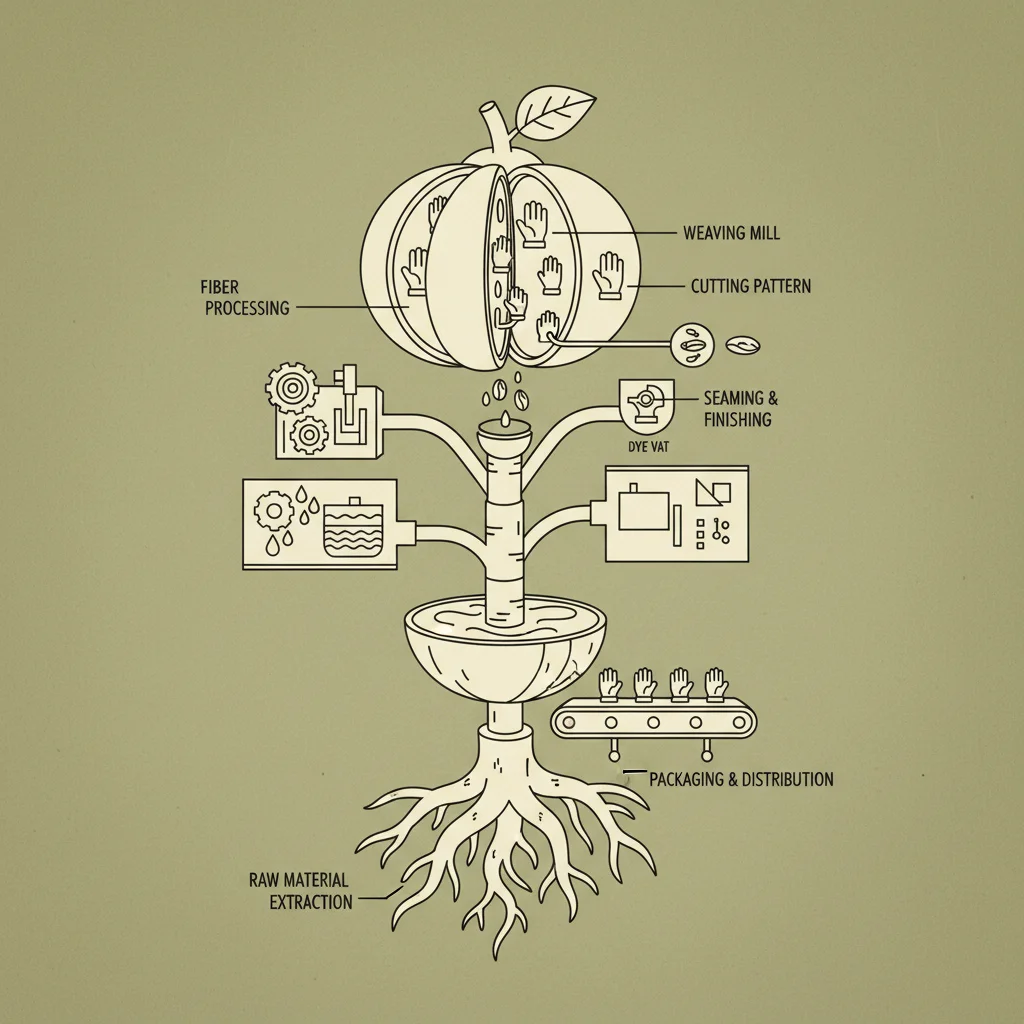
The production of plastic hand gloves manufacturer is a complex process, beginning with the sourcing of raw materials, primarily polyethylene (PE) or nitrile butadiene rubber (NBR). These materials undergo extrusion, calendaring, and cutting processes to form the glove shape. Quality control measures are implemented at each stage to ensure product integrity and adherence to industry standards. plastic hand gloves manufacturer play a vital role in ensuring a consistent supply of high-quality gloves.
Selecting the right plastic hand gloves manufacturer requires careful consideration of factors such as material type, thickness, size, and intended application. Manufacturers like plastic hand gloves manufacturer offer a diverse range of products to meet the specific needs of different industries, from medical facilities to food processing plants.
Global Context and Industry Relevance
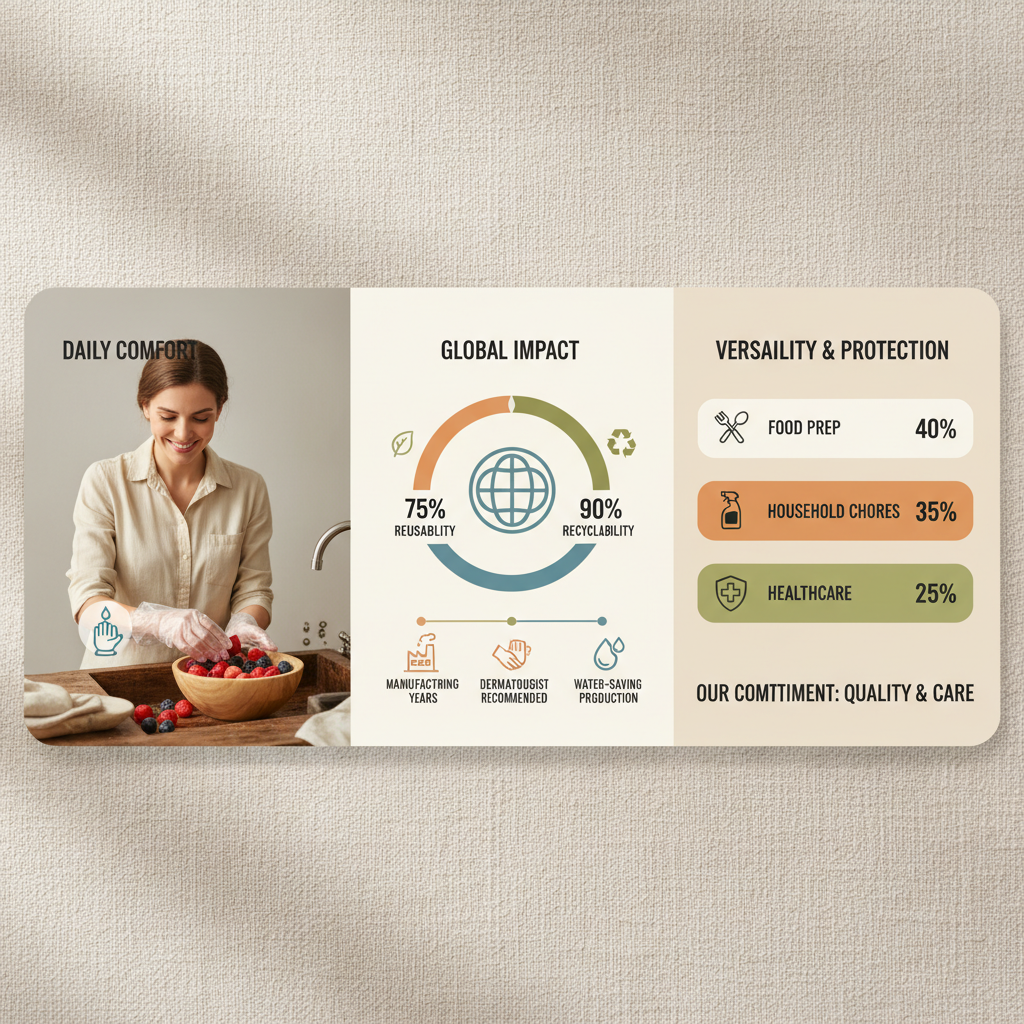
The global plastic hand gloves manufacturer market is a multi-billion dollar industry, experiencing consistent growth due to increasing demand for hygiene and safety. According to the World Health Organization (WHO), proper hand hygiene is one of the most effective ways to prevent the spread of infections. This drives demand across healthcare, food processing, and various industrial applications. The ISO standards for quality management (ISO 9001) and environmental management (ISO 14001) are commonly adopted by leading plastic hand gloves manufacturer.
The industry faces challenges such as fluctuating raw material prices, increasing environmental concerns related to plastic waste, and the need for continuous innovation to meet evolving safety standards. Regions like Southeast Asia, particularly Malaysia and Thailand, are major hubs for plastic hand gloves manufacturer, leveraging cost-competitive labor and established infrastructure.
A significant problem addressed by a robust plastic hand gloves manufacturer industry is the mitigation of cross-contamination, particularly in settings like hospitals and laboratories, thereby contributing significantly to public health.
Defining Plastic Hand Gloves Manufacturer
Plastic hand gloves manufacturer encompasses the processes involved in producing disposable or reusable gloves made from various plastic polymers, most commonly polyethylene (PE), polyvinyl chloride (PVC), and nitrile butadiene rubber (NBR). These gloves serve as a protective barrier against contamination, chemicals, and pathogens. A plastic hand gloves manufacturer is a company that specializes in this production, often offering a wide range of sizes, thicknesses, and materials.
The connection to modern industry is profound. In sectors like food processing, they guarantee food safety; in healthcare, they prevent the spread of infections; and in manufacturing, they protect workers from hazardous materials. The entire manufacturing operation relies on a well-defined plastic hand gloves manufacturer for efficiency and safety.
In humanitarian contexts, reliable plastic hand gloves manufacturer is critical for providing protective equipment to aid workers during disaster relief efforts and in regions with limited access to healthcare.
Core Components and Key Factors
Several key factors define the quality and efficiency of a plastic hand gloves manufacturer. Durability is crucial, determining the glove's resistance to punctures and tears during use. Scalability refers to the manufacturer’s ability to increase production capacity to meet growing demand. Cost Efficiency is essential for competitiveness in the market, balancing material costs, labor, and overhead expenses.
Material Quality dictates the glove's performance – NBR offers superior chemical resistance, while PE is more cost-effective for general use. Quality Control procedures, including rigorous testing for defects and compliance with standards, are paramount. And Production Technology, encompassing automation and efficient manufacturing processes, directly impacts output and product consistency.
Plastic Hand Gloves Manufacturer Performance Metrics
Global Applications & Use Cases
Plastic hand gloves manufacturer products are indispensable across a vast spectrum of industries. In healthcare, they are used by surgeons, nurses, and technicians to prevent infection transmission during procedures and patient care. In the food industry, they maintain hygiene standards during processing, packaging, and handling. Industrial sectors utilize them to protect workers from hazardous chemicals and materials.
In post-disaster relief operations, plastic hand gloves manufacturer provide crucial protection for aid workers interacting with contaminated environments. In remote industrial zones, they ensure worker safety when handling potentially harmful substances. Organizations like the Red Cross and Doctors Without Borders rely heavily on a consistent supply of quality gloves.
The pharmaceutical industry requires strict adherence to sterility, making high-quality plastic hand gloves manufacturer essential for drug production and research.
Advantages and Long-Term Value
The advantages of utilizing reliable plastic hand gloves manufacturer are manifold. Cost savings are achieved through the affordability and disposability of plastic gloves compared to reusable alternatives. Sustainability, while a challenge, is being addressed through the development of biodegradable and recyclable materials. Social Impact is positive, safeguarding public health and worker safety. Reliability ensures a consistent supply of essential protective equipment.
The long-term value extends beyond immediate safety. The peace of mind knowing operations are protected against contamination fosters trust with consumers and enhances brand reputation. Innovation in glove technology – such as thinner, more comfortable designs – improves worker productivity and reduces fatigue.
Future Trends and Innovation
The future of plastic hand gloves manufacturer is marked by a focus on sustainability and technological advancements. The development of biodegradable plastics and recycled materials aims to reduce the environmental impact of disposable gloves. Automation and robotics are being integrated into production processes to improve efficiency and reduce labor costs.
Digital transformation, including the use of data analytics and IoT sensors, is enabling manufacturers to optimize production, track inventory, and improve quality control. Policy changes and regulations promoting sustainable practices are also shaping the industry landscape. The incorporation of antimicrobial agents into glove materials is another area of ongoing research.
Challenges & Solutions
One significant challenge facing plastic hand gloves manufacturer is the environmental impact of plastic waste. Solutions include investing in research and development of biodegradable materials, promoting recycling programs, and implementing closed-loop manufacturing processes. Another challenge is maintaining consistent quality control in a highly competitive market. Implementing rigorous testing procedures and adhering to international standards are crucial.
Fluctuating raw material prices pose a financial risk for manufacturers. Diversifying sourcing options and establishing long-term contracts with suppliers can mitigate this risk. Supply chain disruptions, as highlighted by recent global events, require building resilient and diversified supply networks.
Addressing these challenges requires collaboration between manufacturers, governments, and research institutions to drive innovation and promote sustainable practices within the plastic hand gloves manufacturer industry.
FAQ: Frequently Asked Questions About Plastic Hand Gloves Manufacturer
Nitrile gloves offer superior chemical resistance and are a preferred choice for those with latex allergies. Latex gloves, while more affordable, can cause allergic reactions in some individuals. Nitrile also generally exhibits greater puncture resistance. Choosing between the two depends on the specific application and potential allergy concerns.
Look for manufacturers with ISO 9001 certification, which demonstrates a commitment to quality management systems. Request sample gloves for testing and evaluate them for thickness, tensile strength, and puncture resistance. Verify compliance with relevant industry standards and conduct regular audits of the manufacturer’s facilities.
Biodegradable plastic gloves are emerging as a more sustainable alternative, but their biodegradability depends on specific composting conditions. Currently, their cost is higher than conventional plastic gloves, and their performance may not be equivalent in all applications. However, advancements in materials science are continuously improving their viability.
Common standards include ASTM D6978 (standard specification for latex gloves), ASTM D6359 (standard specification for nitrile gloves), and EN 374 (protective gloves against chemicals and micro-organisms). Adherence to these standards ensures the gloves meet specific performance requirements for safety and protection.
Raw material costs (PE, NBR), production volume, manufacturing location, and quality control processes significantly impact pricing. Demand and supply dynamics, transportation costs, and import duties also play a role. Bulk orders typically receive lower per-unit pricing.
Manufacturers can invest in recycled plastic materials, optimize production processes to reduce waste, implement closed-loop manufacturing systems, and explore biodegradable alternatives. Efficient packaging and transportation practices also contribute to a smaller environmental footprint.
Conclusion
In conclusion, the plastic hand gloves manufacturer industry is a vital component of global health, safety, and economic activity. From healthcare to food processing and beyond, these gloves play a critical role in protecting individuals and maintaining hygiene standards. Understanding the key factors influencing quality, sustainability, and innovation is crucial for navigating this dynamic market and ensuring a reliable supply of essential protective equipment. plastic hand gloves manufacturer are at the forefront of these developments.
Looking ahead, the industry will continue to evolve, driven by advancements in materials science, automation, and a growing focus on sustainability. By embracing these changes and prioritizing responsible manufacturing practices, plastic hand gloves manufacturer can continue to contribute to a safer and healthier world. Visit our website at www.hmdglove.com to learn more about our products and services.