Understanding Formal Glove Etiquette A Comprehensive Guide to Refined Style
Formal Glove Etiquette: A Comprehensive Guide
Navigating social and professional environments often requires adherence to unspoken rules, and glove etiquette is a prime example. Understanding when to wear gloves, which type is appropriate, and how to handle them properly demonstrates respect and refinement. This guide delves into the nuances of formal glove etiquette, covering historical context, modern applications, and practical tips. Whether attending a formal event, a business meeting, or simply striving for polished presentation, mastering these details is invaluable. HMD Glove offers a diverse range of gloves to suit any occasion.

The Historical Significance of Glove Wearing
Historically, gloves were a symbol of status and chivalry. In medieval times, ladies would cast their gloves to knights as a challenge or token of favor. Over time, glove-wearing became a standard practice in polite society, with specific rules governing their use. These rules were often complex, dictating when gloves should be worn, removed, or carried. The tradition evolved with social norms, but the underlying principle of respect and decorum remained constant. Today, while less ubiquitous, the etiquette surrounding gloves continues to reflect a commitment to graciousness and attention to detail.
Key Takeaway: Glove-wearing once signified societal standing and became a cornerstone of polite interactions. Understanding this history provides context for modern etiquette.
When to Wear Gloves: Modern Guidelines
In contemporary formal settings, gloves are typically worn for specific occasions. These include: formal evening events (operas, balls, galas), church services, weddings (particularly by the mother of the bride/groom), and certain diplomatic events. Gloves are often considered optional for daytime events, but can add a touch of elegance. The key is to consider the level of formality and the overall dress code. If in doubt, observing the attire of other guests is a helpful guide. HMD Glove offers styles suitable for any of these situations.
Occasions for Glove Wearing:
• Formal evening events (operas, balls, galas)
• Church services
• Weddings
• Diplomatic events
Choosing the Right Glove: Length and Material
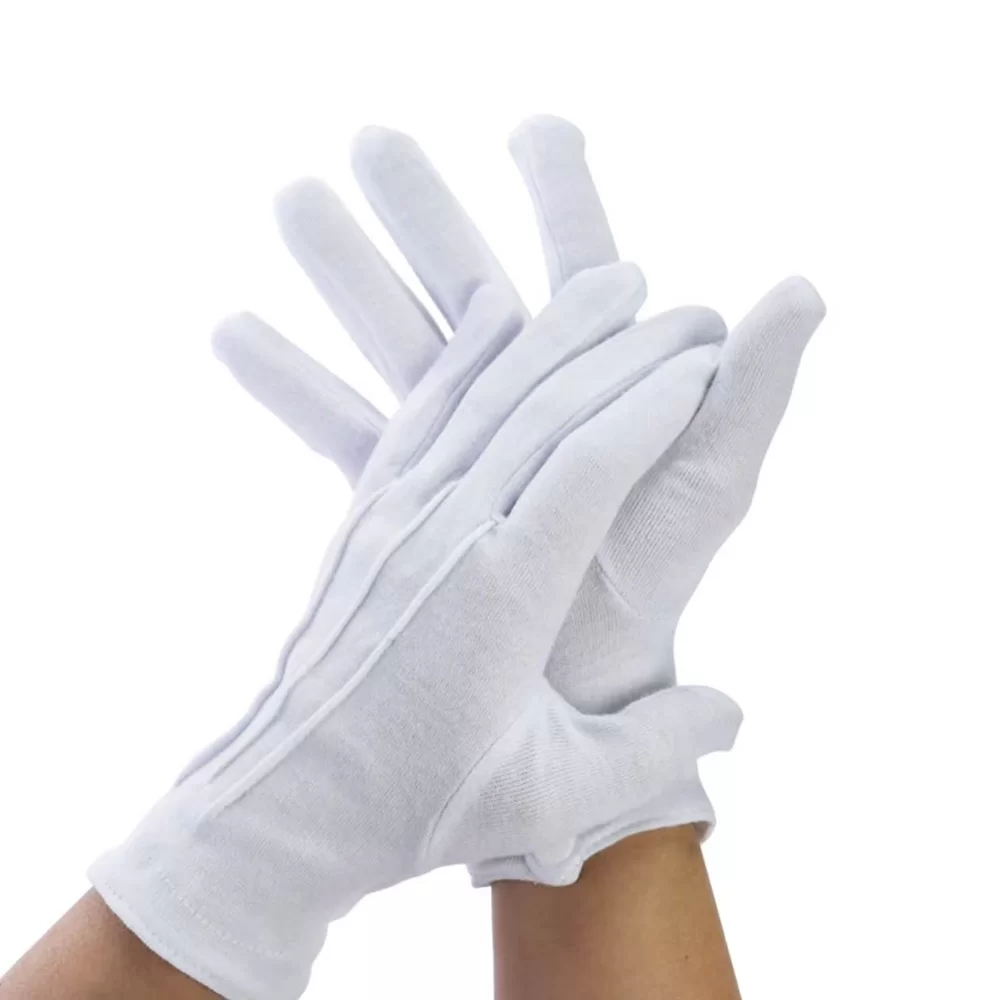
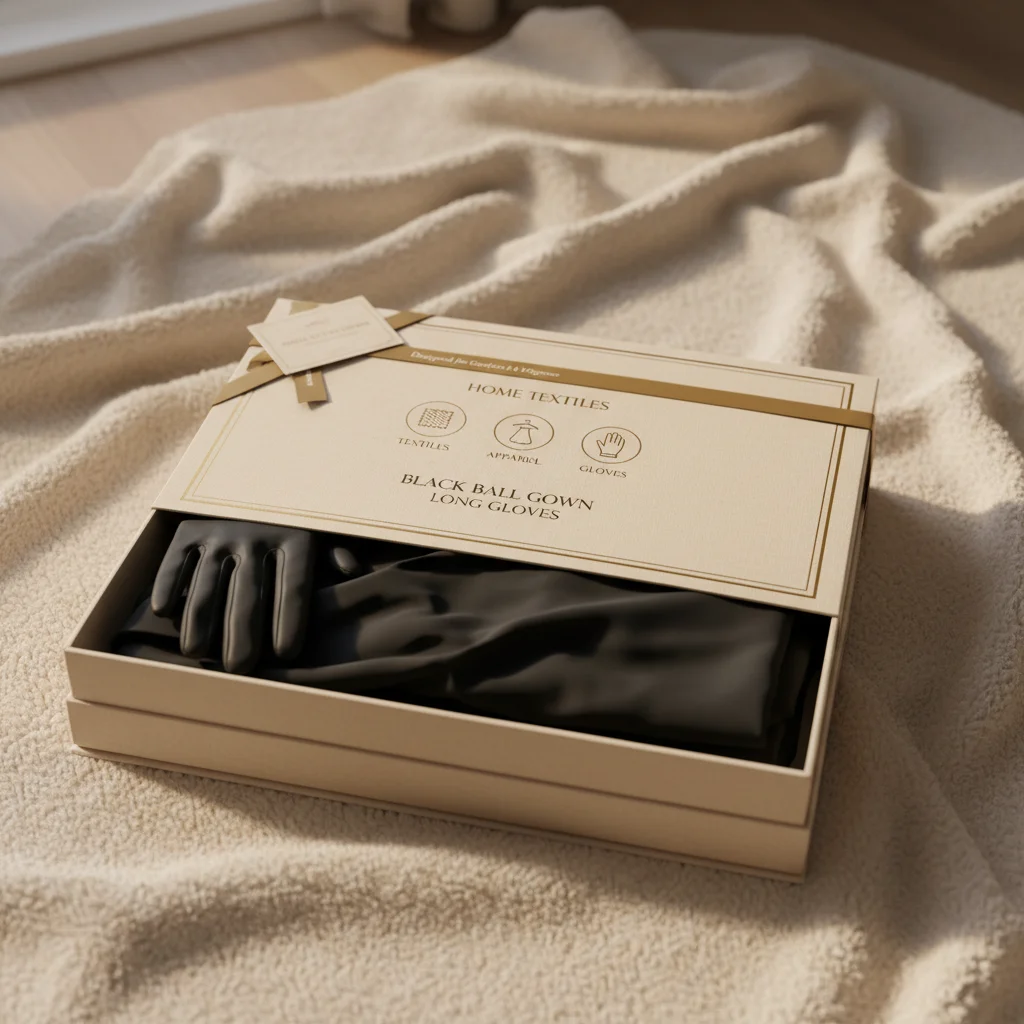
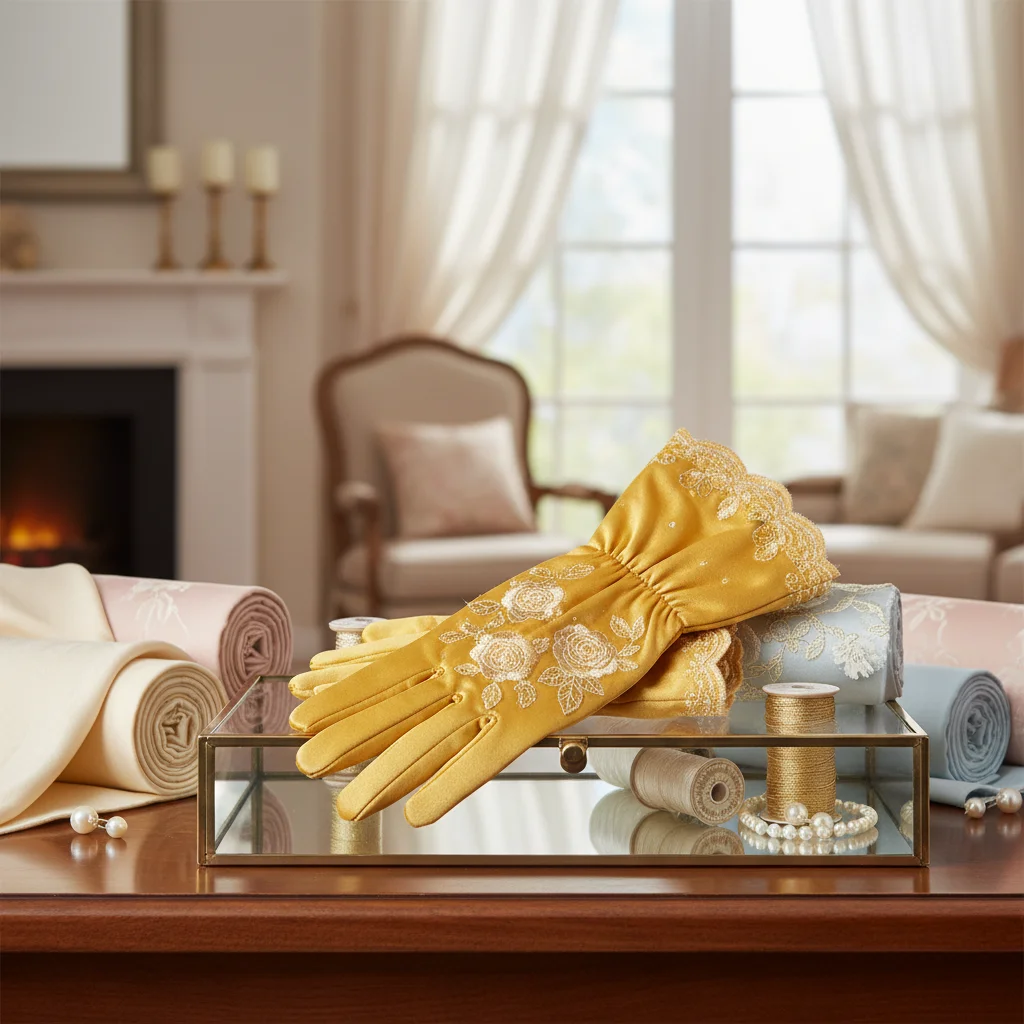
The length of the glove is crucial and depends on the occasion and the sleeve length of the dress. Short gloves (wrist-length) are appropriate for daytime events and dresses with longer sleeves. Elbow-length gloves are traditionally worn with sleeveless or short-sleeved dresses for evening events. Opera gloves (extending above the elbow) are reserved for the most formal occasions. Material also matters; leather (kidskin, goatskin) is classic for formal wear, while fabrics like silk or satin are suitable for less formal events. Consider the color as well – black is always a safe choice, but coordinating the gloves with your outfit is often more elegant.
Proper Glove Handling: Do's and Don'ts
There are a few key rules to remember when wearing gloves. Never wear gloves indoors unless they are absolutely necessary (e.g., for warmth). Avoid wearing gloves while eating or drinking. When not wearing gloves, do not tuck them under your arm; instead, carry them gracefully in your left hand (this allows your right hand to be free for greetings and interactions). Avoid excessive handling of the gloves, as this can damage the material and appear nervous. Proper care, including storing them flat or rolled, will prolong their lifespan.
Glove Etiquette and Digital Devices
The rise of digital devices presents a modern dilemma. Generally, it's considered impolite to wear gloves while using a smartphone or tablet, as it can damage the screen and hinder functionality. If you anticipate needing to use your phone, it’s best to remove your gloves beforehand. However, with the advent of touchscreen-compatible gloves, this rule is becoming more flexible. HMD Glove offers a selection of gloves designed for touchscreen use, providing both elegance and practicality.
Conclusion: Mastering Glove Etiquette for a Polished Impression
Understanding formal glove etiquette is about more than just following rules; it’s about demonstrating respect, refinement, and attention to detail. By embracing these guidelines, you can enhance your presence in any formal setting and make a lasting, positive impression. With the exquisite selection offered by HMD Glove, you'll be well-equipped to navigate any occasion with grace and style.
Frequently Asked Questions (FAQs)
Can I wear gloves to a daytime wedding?
Generally, gloves are optional for daytime weddings. However, if the wedding is particularly formal, or if the invitation specifically requests them, wearing gloves is a gracious gesture. Opt for short, wrist-length gloves in a color that complements your outfit. Avoid wearing overly ornate or flamboyant gloves that might detract from the bride's attire. Consider the season and venue; lighter materials are more suitable for warmer weather or outdoor settings.
What color gloves should I choose?
Black gloves are the most versatile and are appropriate for almost any formal occasion. However, coordinating your gloves with your outfit can create a more elegant and polished look. Neutral colors like ivory, beige, or gray are also excellent choices. Avoid colors that clash with your attire or are overly bright or distracting. For evening events, darker shades are generally preferred, while lighter shades can be worn during the day.
Are gloves still considered necessary for formal events?
While not always strictly required, gloves are still considered a sign of refinement and respect for tradition. Their presence adds a touch of elegance and formality to any outfit. Whether or not to wear gloves ultimately depends on your personal preference and the specific occasion. However, understanding the etiquette surrounding gloves demonstrates a commitment to graciousness and attention to detail. You can find elegant options at HMD Glove.
How should I store my gloves to keep them in good condition?
Proper storage is essential for preserving the quality of your gloves. Avoid folding them sharply, as this can cause creases and damage the material. Instead, store them flat or rolled in a cool, dry place away from direct sunlight and heat. For leather gloves, consider using a glove shaper to help maintain their form. Avoid storing gloves in plastic bags, as this can trap moisture and lead to mildew. A breathable cotton bag is ideal.