The Complete Guide to Reusable Cleaning Gloves and Their Applications
Maintaining cleanliness in homes, offices, industrial facilities, and specialized environments requires the right tools, and reusable cleaning gloves are among the most essential. From rubber gloves for cleaning to cleanroom gloves and microfibre gloves, choosing the right type of glove ensures safety, efficiency, and comfort. Whether you are performing white glove cleaning, car detailing, or janitorial tasks, understanding glove varieties and their specific applications is crucial.
This article explores the different types of cleaning gloves, their uses, and tips for selecting gloves suitable for residential, commercial, and specialized cleaning tasks.
Types of Cleaning Gloves and Their Uses
Cleaning gloves come in various materials and designs, each suited to particular tasks. Choosing the right gloves enhances safety, protects hands, and improves cleaning efficiency.
1. Household and General-Purpose Gloves
Household gloves are designed for everyday cleaning tasks, such as washing dishes, scrubbing surfaces, or general dusting. Common types include:
Rubber gloves for cleaning: Durable and water-resistant, ideal for wet tasks and chemical cleaning.
Long cleaning gloves: Provide extended protection for arms during deep cleaning, especially when handling harsh chemicals.
Janitorial gloves: Heavy-duty gloves designed for commercial cleaning and frequent use.
Window cleaning gloves: Thin yet durable gloves for streak-free glass cleaning and precise movements.
2. Specialty Cleaning Gloves
Certain cleaning tasks require specialized gloves to protect hands and enhance performance:
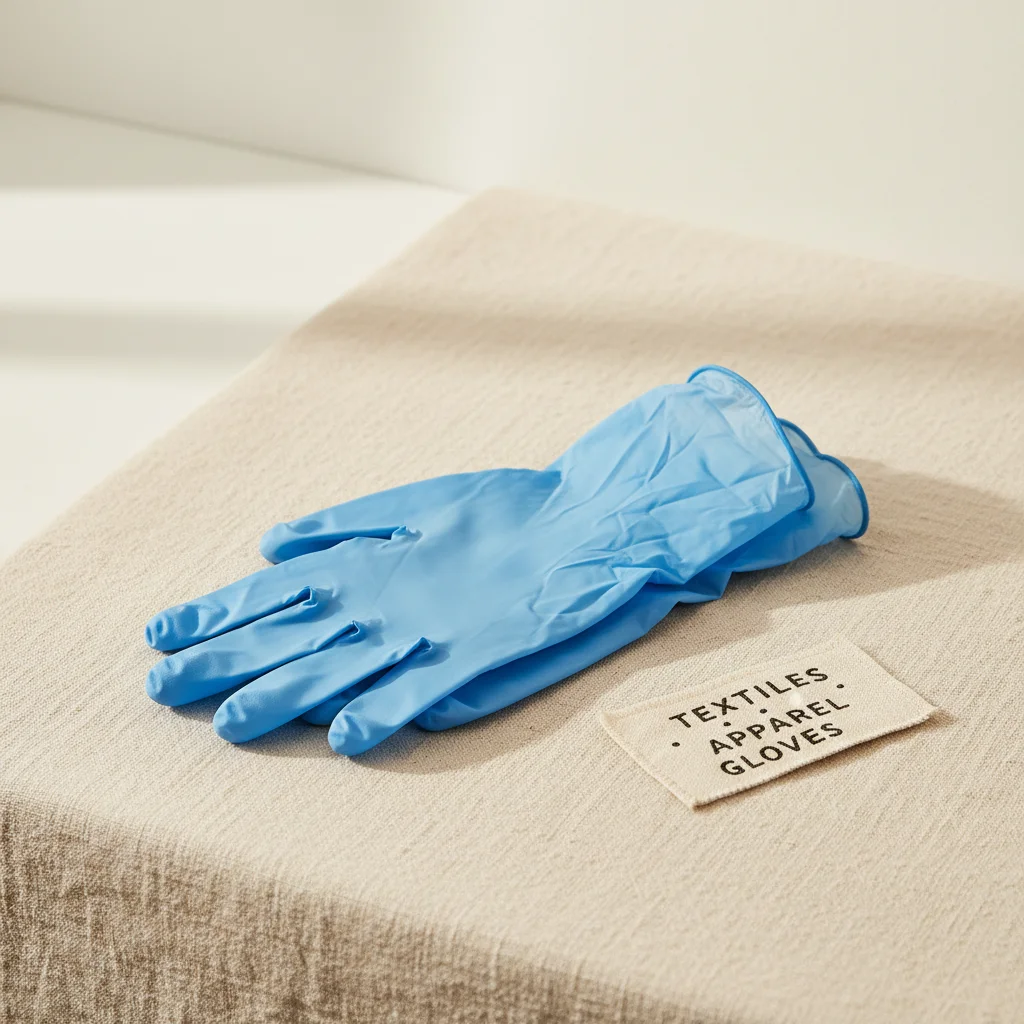
Cleanroom gloves / clean room gloves: Used in controlled environments like laboratories, electronics assembly, or pharmaceutical facilities. They prevent contamination and maintain strict hygiene standards.
Clean safety gloves: Designed to protect hands from chemicals, heat, or sharp objects while maintaining dexterity.
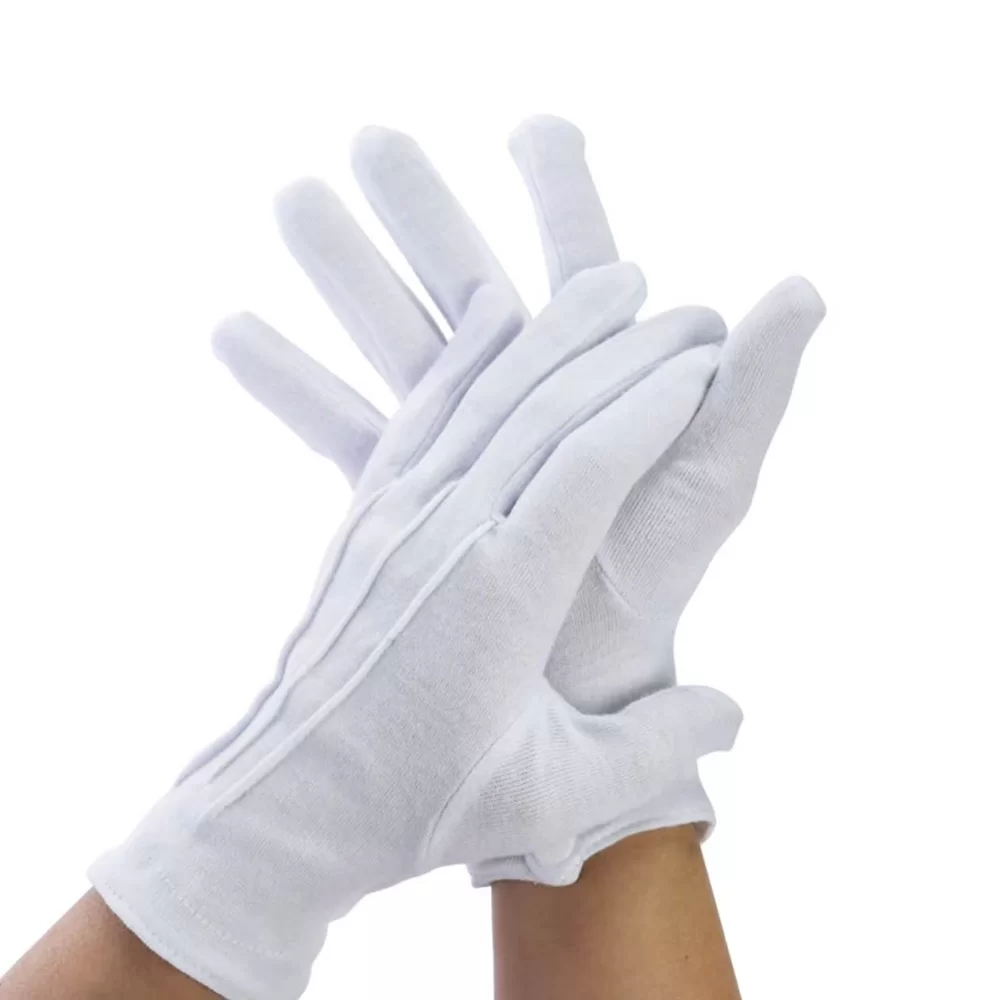
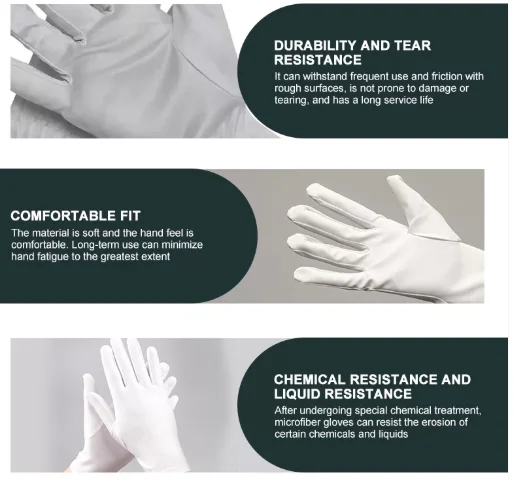
Dusting mitts / microfibre gloves: Soft and lint-free, ideal for dusting delicate surfaces or polishing furniture without leaving scratches.
Silver polishing gloves: Soft gloves that prevent fingerprints and scratches while polishing silverware or jewelry.
Leaf cleaning gloves: Heavy-duty gloves designed for outdoor gardening, leaf collection, and yard work.
3. Automotive and Specialized Cleaning Gloves
Cleaning and detailing vehicles require gloves that are flexible, protective, and capable of handling water and chemicals:
Car detailing gloves: Often made from nitrile or microfibre, they provide grip and precision for washing, polishing, and waxing vehicles.
Microfibre gloves / microfibre mitts: Excellent for polishing and detailing surfaces to a streak-free shine.
4. Reusable vs. Disposable Gloves
While disposable gloves are useful for single-use or hazardous tasks, reusable cleaning gloves are eco-friendly and cost-effective. They can withstand repeated use in household, commercial, and industrial applications, especially when properly cleaned and maintained.
Benefits of Using Reusable Cleaning Gloves
Using the correct gloves offers several advantages, making cleaning safer and more efficient.
1. Protection and Safety
Reusable cleaning gloves protect hands from:
Harsh chemicals in household cleaners or industrial detergents.
Contaminants in cleanrooms or janitorial environments.
Physical hazards, such as sharp edges or rough surfaces.
2. Improved Efficiency
Gloves such as microfibre gloves and dusting mitts enhance cleaning efficiency by capturing dust and debris effectively, reducing the need for repeated cleaning passes.
3. Comfort and Durability
High-quality rubber gloves for cleaning, long cleaning gloves, and car detailing gloves offer comfort during prolonged tasks. Reusable gloves are designed for flexibility, grip, and resistance to wear and tear.
4. Specialized Cleaning Applications
From white glove cleaning in luxury spaces to handling sensitive equipment in cleanrooms, gloves ensure that cleanliness standards are maintained without compromising hand protection. Cleanroom nitrile gloves and cleanroom gloves prevent contamination, while silver polishing gloves protect valuable items from scratches and fingerprints.
5. Environmental and Cost Benefits
Reusable gloves reduce waste compared to disposable alternatives. Investing in durable household gloves, janitorial gloves, or microfibre gloves provides long-term savings and a sustainable cleaning solution.
Conclusion: Choosing the Right Cleaning Gloves for Every Task
Reusable cleaning gloves are essential tools across homes, commercial facilities, automotive detailing, and specialized environments. From rubber gloves for cleaning to cleanroom gloves, dusting mitts, and car detailing gloves, each type is designed to maximize efficiency, protect hands, and maintain hygiene standards.
Selecting the right gloves depends on the task, environment, and level of protection required. By investing in high-quality gloves such as long cleaning gloves, household gloves, microfibre gloves, and specialty gloves like silver polishing gloves or leaf cleaning gloves, individuals and professionals can ensure safer, cleaner, and more effective results.
Whether you are performing white glove cleaning in a commercial facility or detailing a car, the right clean safety gloves and reusable cleaning gloves are indispensable for achieving professional-level results while safeguarding your hands.
FAQs About Cleaning Gloves
1. What are the most common types of cleaning gloves?
Common types include household gloves, rubber gloves for cleaning, long cleaning gloves, cleanroom gloves, microfibre gloves, dusting mitts, car detailing gloves, and silver polishing gloves.
2. Can reusable cleaning gloves be used for multiple tasks?
Yes. High-quality reusable cleaning gloves are versatile and can be used for household cleaning, janitorial tasks, automotive detailing, gardening, and specialized cleaning.
3. What are the benefits of cleanroom nitrile gloves?
Cleanroom nitrile gloves prevent contamination, resist chemicals, and provide high dexterity for sensitive tasks in laboratories, electronics assembly, and pharmaceutical industries.
4. How do microfibre gloves and dusting mitts differ from regular gloves?
Microfibre gloves and dusting mitts are soft and lint-free, designed to trap dust and polish surfaces without scratches, unlike standard rubber or household gloves.
5. Are car detailing gloves different from regular cleaning gloves?
Yes. Car detailing gloves are flexible, water-resistant, and designed to provide grip and precision for washing, polishing, and waxing vehicles without damaging paint or interior surfaces.