Finding Your Perfect Pair: A Deep Dive into Horse Riding Gloves
Alright, let's talk gloves. If you're anything like me, you know that the right pair of horse riding gloves for sale isn't just an accessory; it's a critical piece of equestrian gear. From protecting your hands to enhancing your grip, the perfect glove can truly make or break your ride. And believe me, I've seen riders struggle with everything from blisters to slipping reins, all because they overlooked this seemingly small detail.
It's fascinating, actually, how much the industry has evolved. Gone are the days when a simple leather work glove was considered sufficient. Today, whether you're looking for sleek, cool riding gloves for a competition or rugged cowboy riding gloves for a long trail ride, the options are incredibly diverse. Manufacturers are really pushing the envelope with materials and designs, which, to be honest, is fantastic for us riders.
The Essentials: Why Gloves Matter So Much
First off, let's cover the basics. Why bother? Well, grip is paramount. A good glove helps you maintain a consistent, soft contact with the reins without needing to clench. This means better communication with your horse and, frankly, less fatigue for you. Then there's protection. Blisters, rope burn (yes, it happens!), and even minor scrapes from the tack are common. Quality gloves act as a barrier. And finally, comfort – especially in varying weather. Think breathability for summer or warmth for winter; it's all part of the package.
I remember a particularly chilly morning once, my hands were absolutely numb until I finally invested in a proper pair of insulated gloves. Made all the difference in my ability to actually feel the reins. It seems obvious, but sometimes we learn these lessons the hard way, right?
Materials and Craftsmanship: What Goes into a Great Glove?
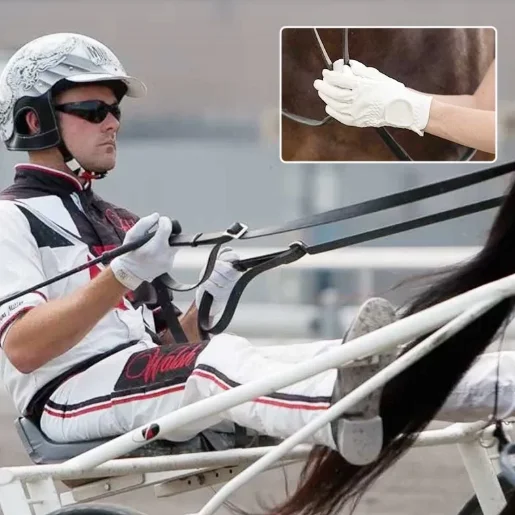
When we talk about specific materials, the range is quite broad. For instance, classic leather remains a favorite for its durability and feel, often seen in high-end competition gloves. Synthetic fabrics like Lycra, Spandex, and various composites offer excellent stretch, breathability, and quick-drying properties, making them ideal for everyday training or as cool riding gloves during warmer months. You'll also find specialized reinforcements, usually in areas like the thumb, forefinger, and palm, to prevent wear and enhance grip.
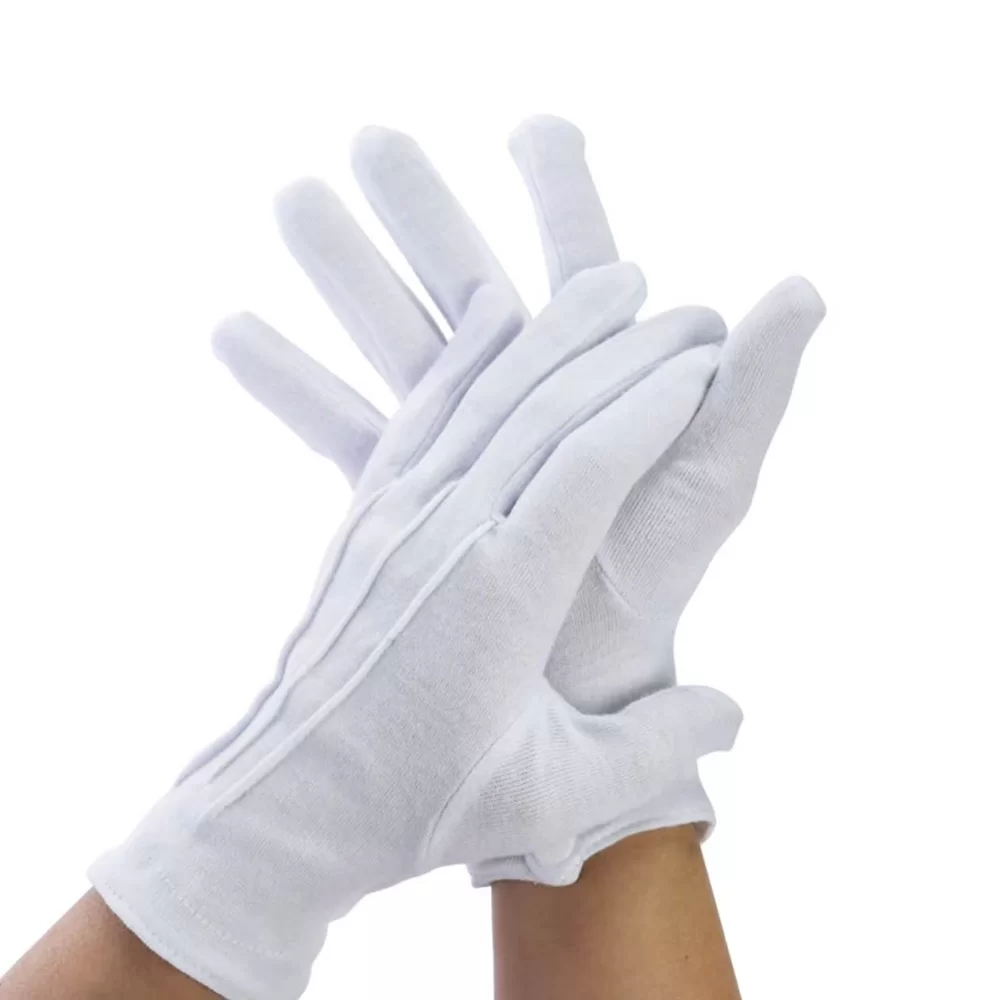
Many customers, especially those who prefer a traditional feel, still swear by cotton riding gloves for their breathability and comfort during light work. However, for more demanding disciplines or adverse weather, you'll need something with more technical prowess. The manufacturing process involves careful pattern cutting, often laser-guided for precision, followed by robust stitching – typically double-stitched or using Kevlar threads in high-stress areas. Testing standards usually involve durability tests (abrasion resistance), grip efficacy on various rein materials, and comfort assessments under different temperatures.
Product Spotlight: Equestrian Riding Gloves
Let's take a closer look at a typical modern offering, like the Equestrian Riding Gloves from HMDGlove. These generally embody the balance between tradition and innovation that riders seek. They're designed for a broad spectrum of disciplines, from dressage to jumping to trail riding.
Typical Equestrian Riding Gloves Specifications | |
Feature | Details |
Materials | Synthetic leather palm (Amara/Clarino), breathable Lycra/Spandex back, sometimes mesh inserts |
Grip Enhancement | Silicone print, reinforced patches (thumb, index finger, palm) |
Closure Type | Velcro wrist strap for secure, adjustable fit |
Fit & Dexterity | Ergonomic design, pre-curved fingers, high flexibility for rein feel |
Ventilation | Perforated palms, breathable back fabrics, keeps hands cool |
Service Life | Around 6-12 months with regular use; real-world use may vary significantly |
Care Instructions | Machine washable (cold), air dry |
Choosing Your Supplier: A Quick Comparison
When you're looking for horse riding gloves for sale, the vendor actually matters quite a bit. You've got everything from large, established brands to smaller, specialized manufacturers, and even custom workshops.
Vendor Comparison: Finding the Right Fit for You | ||
Vendor Type | Pros | Cons |
Large Brands | Wide selection, consistent quality, easy availability, strong R&D | Higher price point, less personal touch, sometimes generic designs |
Specialized Boutiques | Unique designs, often higher quality materials, excellent customer service | Limited selection, can be harder to find, premium pricing |
Custom Manufacturers | Tailored fit, specific material requests, truly unique product | Significantly higher cost, longer lead times, requires precise measurements |
General Equestrian Retailers | Convenience, broad price range, often run sales | Quality can vary widely, less expert advice |
Customization, by the way, is becoming increasingly popular. If you have particularly hard-to-fit hands, or simply want a glove in your barn's colors, many manufacturers offer options. It's a fantastic way to ensure both comfort and a bit of personal flair. Think about your discipline and specific needs – for cowboy riding gloves, for example, you'd prioritize ruggedness and perhaps a reinforced pinky for roping, which a standard dressage glove just won't offer.
Final Thoughts and Industry Standards
Ultimately, the best glove for you is the one that feels right and meets your specific needs. Look for gloves that offer good dexterity, meaning you can still feel the reins, and a snug fit without being restrictive. Many reputable brands adhere to international equestrian safety standards, even if there isn't one universal certification specifically for gloves. Customer feedback is a powerful indicator, so always check reviews!
So, whether you're searching for elegant competition gloves, durable cowboy riding gloves, or simply a comfortable pair of cotton riding gloves for hacking around, remember that investing in quality pays off in the long run. Happy riding!
Authoritative Citations:
1. The United States Equestrian Federation (USEF) Official Rules. While not directly on gloves, these rules dictate permissible tack and attire, influencing glove design for competition.
2. British Horse Society (BHS) Guidelines for Horse Riding Safety. Offers general advice on appropriate riding gear, including hand protection.
3. Industry material standards for textiles and leather (e.g., ISO standards for abrasion resistance, tear strength). Manufacturers often benchmark their materials against these broader industrial standards.