Exploring the Historical Significance of Ladies Glove Etiquette and Modern Relevance
Understanding Ladies Glove Etiquette
Navigating social situations often involves unspoken rules, and the proper etiquette regarding ladies' gloves is a fascinating example. From when to wear them, to how to handle them, and the nuances of removing them, glove etiquette was once a crucial aspect of a well-mannered woman’s presentation. While less common today, understanding these historical conventions provides a glimpse into a bygone era and can still be relevant for formal occasions. This article will explore the history and specific guidelines of ladies glove etiquette, helping you appreciate the artistry and social significance of this classic accessory.
A Historical Overview of Glove Wearing
The history of gloves stretches back centuries, initially serving a practical purpose – protection from the cold. However, by the 16th century, gloves evolved into symbols of status and refinement. For ladies, gloves became indispensable accessories, signifying wealth, social standing, and good breeding. The Victorian era cemented glove etiquette as a complex system of rules, dictating every aspect of glove usage, from the type worn to the manner of removal. The gloves themselves were crafted from a variety of materials like kidskin, silk, and even more exotic leathers, with embellishments like embroidery and lace adding to their elegance.
When to Wear Gloves: Occasion and Protocol
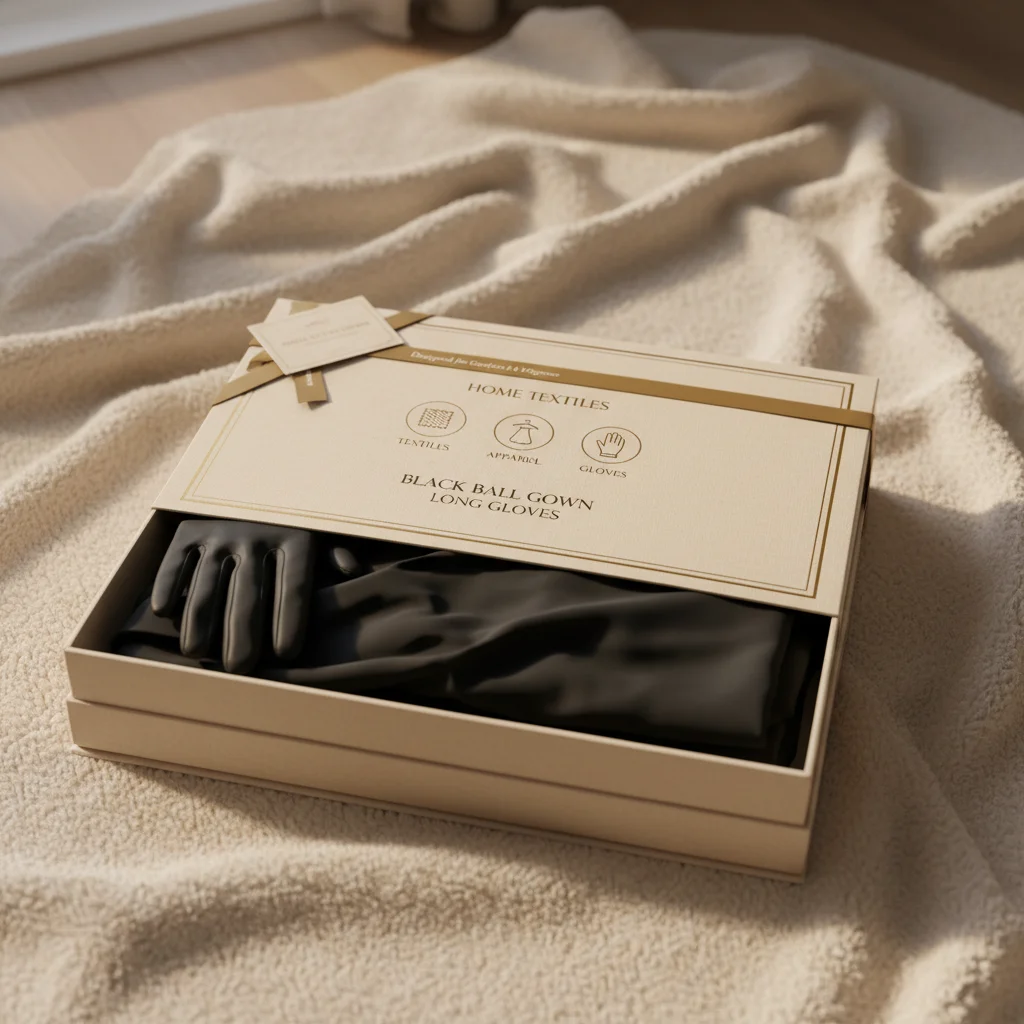
The occasion determined the appropriate type of glove. Shorter gloves, often wrist-length, were acceptable for afternoon calls and less formal events. However, for evening events, balls, or visits to the theatre, long gloves – extending above the elbow – were considered essential. White or pastel-colored gloves were typically reserved for daytime wear, while darker shades like black or navy were appropriate for evening. It was considered improper to wear gloves indoors for extended periods, particularly while dining. A lady would always be properly gloved when entering a church or attending a formal social gathering.
Key Considerations: Gloves were not just fashion accessories but indicators of social grace and respect. The choice of glove reflected the wearer's understanding of societal norms.
The Art of Glove Removal: A Delicate Process
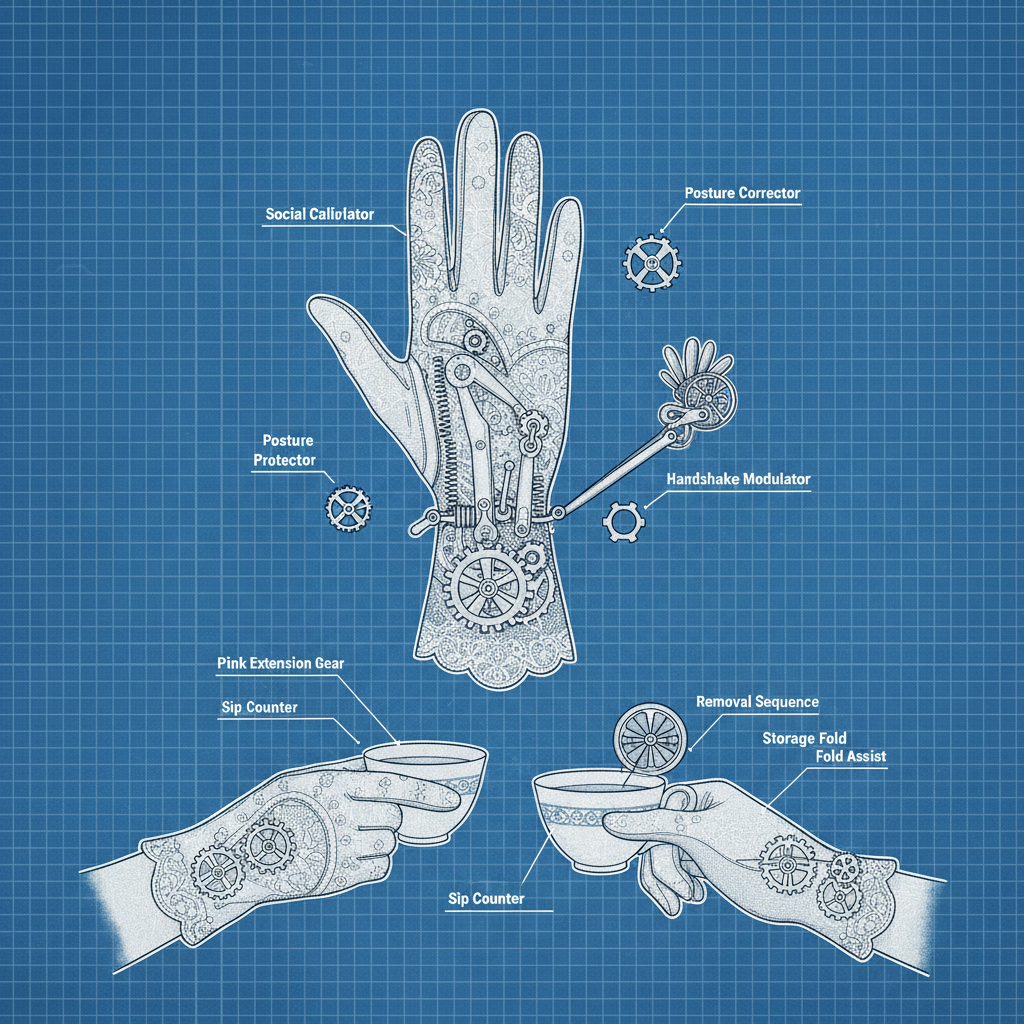
Removing gloves was a carefully choreographed act. A lady would never remove her gloves in public without a specific reason, like shaking hands or partaking in a meal. Gloves were to be removed slowly and deliberately, usually starting with the fingers one by one, then gently peeling the glove down the hand. The removed gloves were never placed on the table, the floor, or any surface that might soil them. They were either held delicately in the hand or carefully placed in a reticule (a small handbag). HMD Glove offers a range of gloves that would have been perfect for these occasions.
Glove Removal Do's and Don'ts:
• Remove slowly and deliberately.
• Never place gloves on the floor or table.
• Hold or place in a reticule.
• Avoid removing gloves unnecessarily in public.
Ladies Glove Etiquette: Comparing Eras
Glove etiquette evolved over time. While the basic principles remained consistent – respect, refinement, and awareness of social norms – the strictness of the rules varied across different periods. The Victorian era was particularly rigid, with detailed manuals dedicated to proper glove usage. The Edwardian period saw a slight relaxation of these rules, but gloves remained essential for formal occasions. By the mid-20th century, glove wearing became less common, and the associated etiquette began to fade, although remnants still influence formal dress codes today.
Modern Relevance: Gloves in Contemporary Formalwear
While the strict rules of Victorian glove etiquette are largely obsolete, gloves still hold a place in modern formalwear. For weddings, galas, and other high-society events, gloves can add a touch of elegance and sophistication. Choosing the right gloves—length, material, and color—to complement your outfit is crucial. A simple pair of wrist-length gloves can elevate a cocktail dress, while long gloves add a dramatic flair to a formal gown. Whether or not to wear gloves is now a matter of personal preference and style, but an understanding of the historical etiquette adds depth to the choice.

Conclusion: A Legacy of Grace and Refinement
The history of ladies' glove etiquette offers a fascinating window into the social customs of past eras. While the specific rules may no longer be universally observed, the underlying principles of grace, refinement, and respect remain valuable. By understanding these traditions, we can appreciate the artistry and cultural significance of this classic accessory and perhaps even incorporate a touch of elegance into our own modern lives. HMD Glove continues the tradition of crafting beautiful and high-quality gloves for the discerning customer.
Frequently Asked Questions (FAQs)
What materials were traditionally used for ladies' gloves?
Traditionally, ladies' gloves were crafted from a variety of materials, reflecting both practicality and status. Kidskin was highly prized for its softness and suppleness, making it ideal for delicate, formal gloves. Silk gloves were popular for evening wear, offering a luxurious sheen. More durable leathers, such as goatskin and calfskin, were used for everyday gloves. In the Victorian era, exotic leathers like lizard or snakeskin were sometimes employed for particularly fashionable gloves, signifying wealth and exclusivity. The quality of the material significantly influenced the glove's price and the wearer's social standing.
Were there rules about wearing gloves while eating?
Yes, there were very specific rules. It was considered highly improper to wear gloves while eating, particularly during formal meals. A lady would remove her gloves before sitting down at the table. Placing gloves on the table was a significant breach of etiquette. The removed gloves were either held delicately in the hand or carefully placed inside her reticule (a small handbag) to keep them clean and prevent them from being misplaced. This practice stemmed from a desire to maintain cleanliness and hygiene during meals.
What did the color of gloves signify?
The color of gloves held symbolic meaning. White or pale pastel shades were typically worn during the daytime and for less formal occasions. Black gloves were reserved for mourning or formal evening events. Grey gloves were considered versatile and could be worn for various occasions. Colored gloves, while fashionable, were usually worn for less formal events and often reflected the wearer’s personal style. The specific color worn could also indicate a particular social standing or level of mourning.