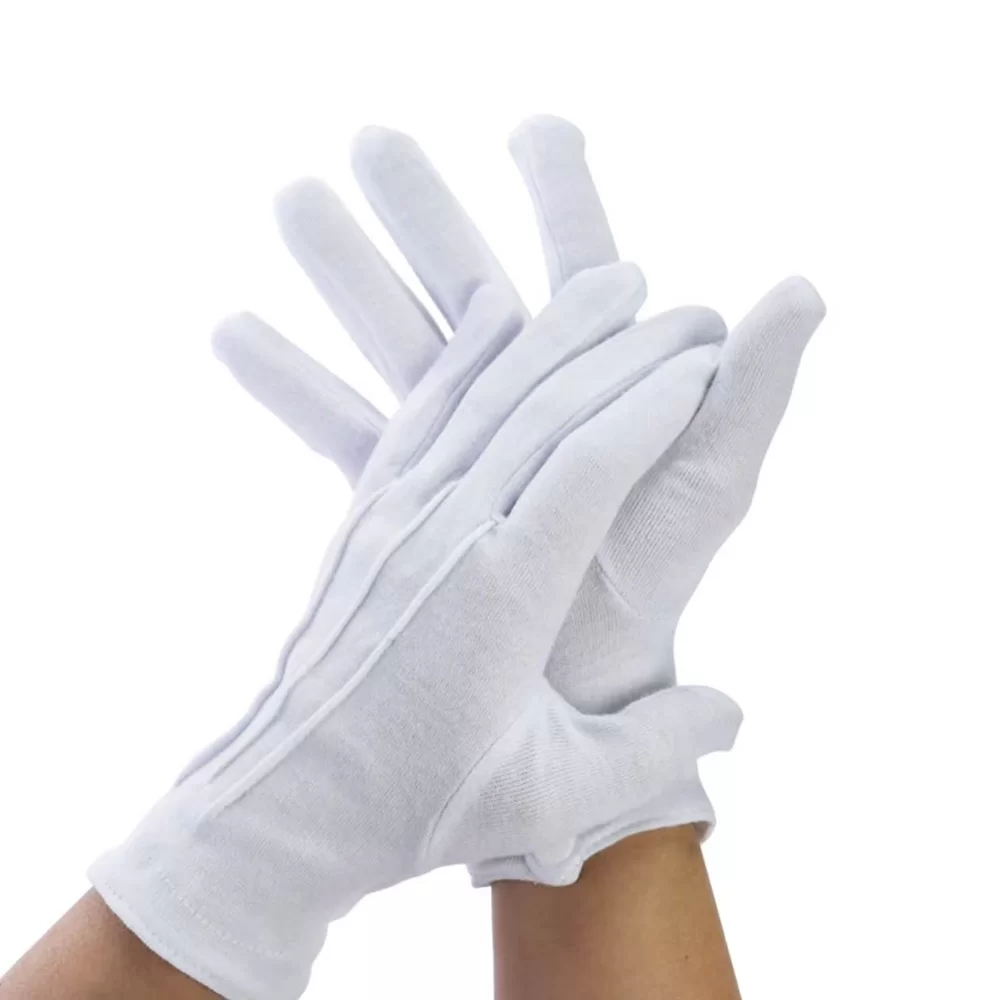
Durable Wool Riding Gloves for Industrial & Outdoor Work
Wool Riding Gloves: Why They Still Matter in Industrial Settings
Having spent more than a decade working hands-on in the industrial equipment sector, I've seen plenty of protective gear come and go. But wool riding gloves – they’re one of those oddly satisfying staples that keep cropping up, and for good reason. Now, these gloves might not get the spotlight like high-tech synthetic materials, but they bring a unique blend of warmth, durability, and comfort critical for many workers, especially in colder climates.
You might be wondering, “Aren’t wool gloves old-fashioned?” Well, yes and no. Oddly enough, they pair traditional craft with modern industrial needs – wool is naturally breathable and insulating, plus it wicks moisture better than you’d expect. When combined with rugged leather palms or reinforcements, they become a reliable choice for riders, mechanics, and general laborers who need dexterity without compromising hand protection. You can even find them tailored with specialized stitching or reinforcements that fit the job like a glove — pun intended.
I remember a cold morning at a construction site when one of our crew members was midway through operating heavy machinery. The temperature dipped below freezing, and his usual synthetic gloves just weren’t cutting it. He switched to a pair of wool riding gloves and noted how his hands stayed warm yet didn’t sweat or feel clammy. Wool riding gloves like these really do strike a great function-meets-feeling balance.
Product Specifications: What You Should Look For
| Feature | Specification |
|---|---|
| Material | 100% Wool exterior, leather palm reinforcement |
| Insulation | Thermal lining with moisture-wicking properties |
| Closure | Adjustable Velcro strap for secure fit |
| Sizes | S, M, L, XL (custom sizes often available) |
| Typical Usage | Cold weather riding, logistics, heavy equipment handling |
Wool Riding Gloves Vendors: How They Stack Up
| Vendor | Material Quality | Durability | Price Point | Customization |
|---|---|---|---|---|
| HMD Glove | Premium, locally sourced wool and leather | High — reinforced stitching and robust palm | Mid-range | Yes, tailored options available |
| GloveCo | Standard wool mix, synthetic palms | Moderate | Budget-friendly | Limited |
| ForgeWrap | Heat-resistant wool blend | High — designed for extreme conditions | Premium | Moderate (standard sizes mainly) |
In real terms, picking the right wool riding gloves depends largely on your work environment. If you’re in a setting where low temperatures and physical handling combine, gloves from HMD Glove tend to be the sweet spot for many operators I’ve worked with. Their options balance durability, warmth, and that “just right” fit.
Customization is often an underrated factor. Over the years, tailored sizing and reinforcements at specific stress points made all the difference for both safety and comfort. Many engineers I've talked to say that these gloves prolong their glove life and, frankly, reduce the strain on their hands during long shifts.
It reminds me of the first time I personally tried these wool riding gloves on a brisk morning shift. They felt natural — snug, but breathable, with that reassuring layer of warmth. Couple that with good grip leather palms, and the gloves made manual tasks feel less like a battle against the elements and more like an extension of my intentions. Oddly enough, it kind of boosted my confidence knowing my gear wouldn’t let me down.
For companies weighing investment in personal protective equipment, I’d say: don’t overlook traditional materials like wool. They’re not just "old school" for nostalgia’s sake but continue to deliver, especially when thoughtfully combined with modern design features.
If you want to check some solid picks, feel free to explore comprehensive options at HMD Glove — they really know their stuff.
So, in summary: wool riding gloves remain a reliable companion for industrial professionals who need functionality, comfort, and warmth without fuss. I suppose it’s a good reminder that the best gear doesn’t always have to flash the newest tech — sometimes it’s about what just works.
References:
1. Industrial Protective Gloves Standards, OSHA.
2. Textile Properties & Thermal Protection, Materials Science Journal.
3. Field Observations from Industrial Equipment Operations, HMD Glove Internal Reports.