Dressage Riding Gloves – Practical Insights & Best Picks 2024
Dressage Riding Gloves: Practical Insights from Years in the Industrial Equipment Sector
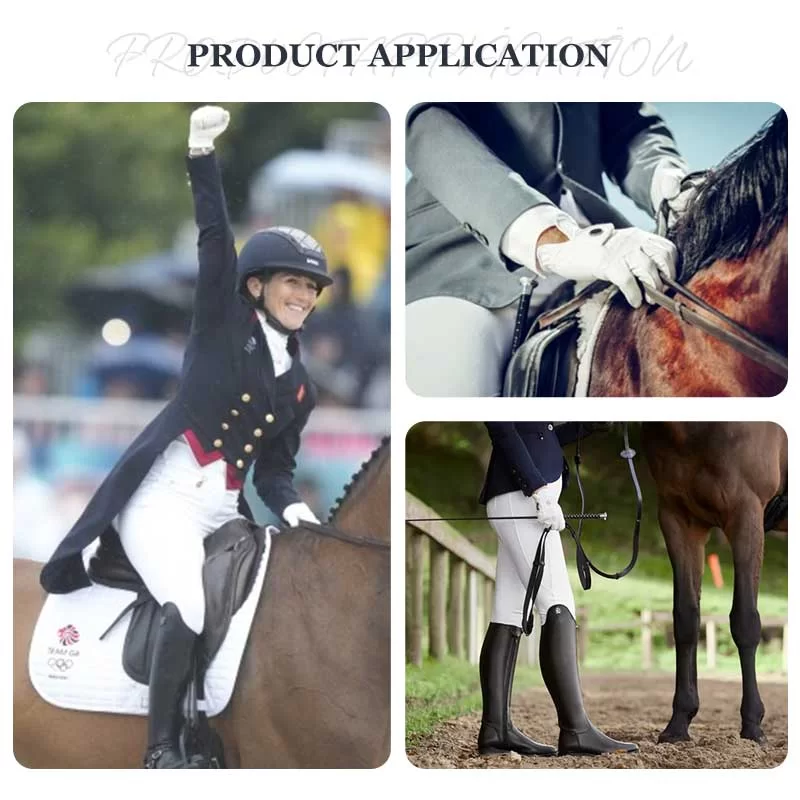
Having spent quite a few years working with industrial gear and safety equipment, diving into dressage riding gloves was surprisingly enlightening. At first glance, you might think gloves are just gloves — something to keep hands warm or prevent blisters. But, frankly, when you get into the nitty-gritty of dressage, those gloves become an extension of the rider. They’re about precision, control, and trust between horse and human.
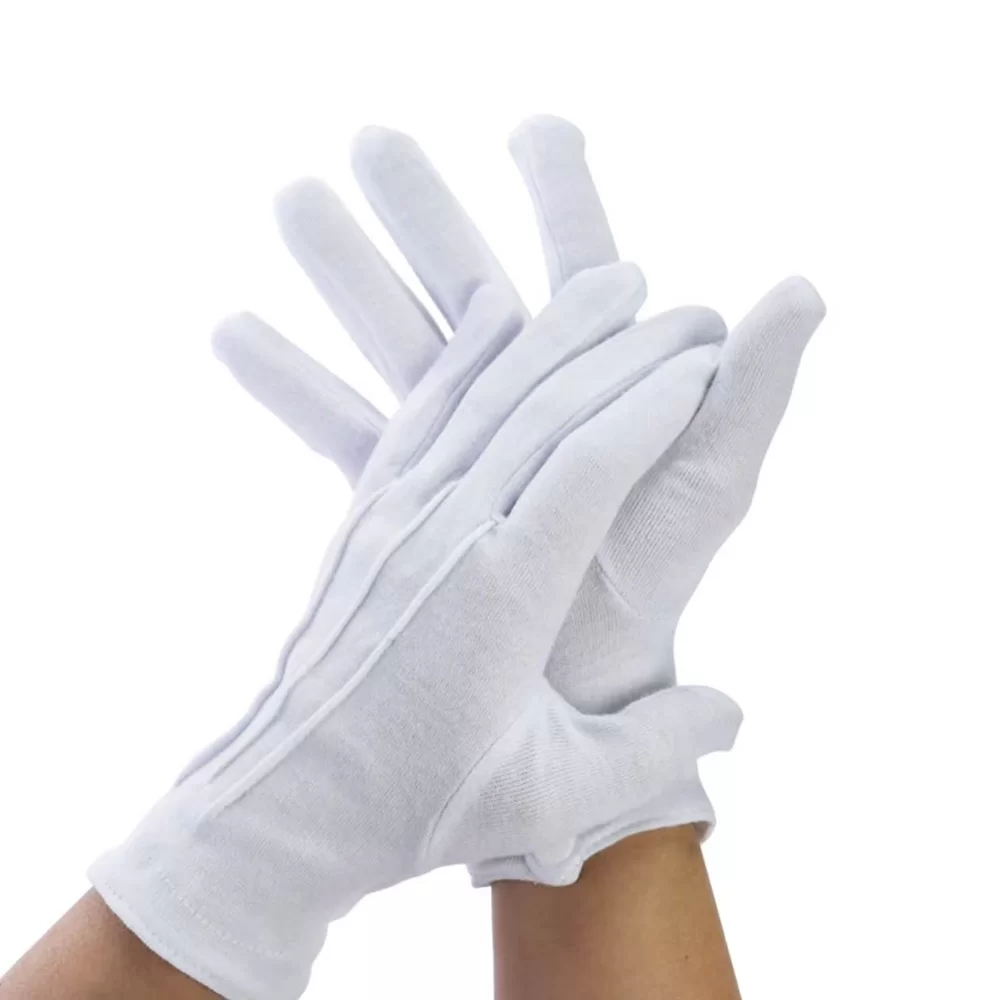
Oddly enough, many engineers and product developers in industrial equipment emphasize materials and ergonomics — and it’s the same story with dressage riding gloves. It’s not just leather or fabric slapped on a hand; the choice of materials, the stitching technique, and the tactile feel can make or break a riding experience. You see, the gloves have to be thin enough to feel the reins, but durable to withstand repetitive motion and environmental exposure.
In the field, I’ve noticed riders often say that gloves with neoprene or synthetic panels tend to offer better breathability but might sacrifice a slight bit of grip. On the other hand, full-grain leather gloves are superb for grip but might get stiff or less comfortable over long rides or in hot weather.
Key Specifications of Quality Dressage Riding Gloves
| Feature | Typical Specification |
|---|---|
| Material | Leather (full grain, goatskin) + synthetic blends |
| Grip Technology | Silicone or polyurethane coated palms |
| Breathability | Ventilated mesh panels or perforations |
| Seams | Flatlock or reinforced seams to reduce chafing |
| Closure | Adjustable Velcro or elastic wrists for secure fit |
| Sizes | Small, Medium, Large, XL (some brands offer custom) |
Another thing I’ve picked up is how some riders swear by customization, especially those competing at higher levels. A friend once shared how getting gloves tailored for finger length made an unexpectedly big difference – turns out subtle things like tension and fit can affect subtle hand signals to the horse.
Vendor Comparison: What to Look for When Choosing Dressage Riding Gloves
| Brand | Material Quality | Grip Performance | Comfort & Fit | Price Range |
|---|---|---|---|---|
| HMD Glove | Premium full grain leather + breathable fabrics | Excellent, with silicone palm coating | Snug with adjustable Velcro | $$$ (mid to high) |
| Brand X | Synthetic leather blend | Good, basic grip | Standard fit | $ (budget) |
| Brand Y | Goatskin leather | Very good grip, slightly less breathable | Flexible but might tighten over time | $$ (mid-range) |
In real terms, choosing the right glove is often about balancing grip, comfort, and durability. With regular use, you’ll notice your gloves start to “break in,” becoming more responsive and better tailored to your movements. I remember a case where a rider upgrading to a tailored HMD glove remarked on how much more natural her cues felt, making her horse more responsive. That kind of subtle difference is what separates casual riders from competitors.
And yes, caring for these gloves properly — conditioning the leather, ensuring they dry fully before storage — is just as important as picking them in the first place. While gloves won’t replace good training and technique, they’re quietly critical in protecting your hands and optimizing communication with your horse.
If you’re looking to explore options, I’d certainly recommend checking out dressage riding gloves from trusted suppliers like HMD Glove. They’ve got a strong reputation in design and reliability — traits I know well from years in industrial safety gear, and that comfort level translates here too.
So, whether you’re a seasoned rider or just starting out, investing in the right gloves isn’t just a nicety — it’s a practical step toward better riding. For me, after all the years of handling complex gear, it’s these small details that make all the difference. And well, isn’t that just like industrial work?
1. Product material and design insights from industrial equipment standards.
2. Customer feedback from dressage forums and riding communities.
3. Comparative testing notes from equestrian gear reviews (2023–2024).