



Premium warm riding gloves Solutions for Ethiopia's Diverse Climate

High-performance textile manufacturing providing specialized protective handwear for the Ethiopian industrial and equestrian markets.

Premium warm riding gloves Solutions for Ethiopia's Diverse Climate

Integrating advanced textile engineering to provide durable, thermally efficient, and aesthetically refined gloves tailored for the Ethiopian highlands and urban centers.

The Current State of Textile Handwear in Ethiopia

Analyzing the demand for specialized industrial and formal gloves in the Horn of Africa.

Ethiopia's textile sector is undergoing rapid industrialization, yet there remains a significant gap in the availability of high-tech synthetic materials. In regions like Addis Ababa and the highlands, there is a growing demand for microfiber gloves that can withstand abrasive industrial environments while maintaining breathability in varying altitudes.

The local equestrian and professional sectors are shifting away from traditional leather toward specialized options such as riding gloves black, which offer a balance of professional aesthetics and modern grip technology. The market is currently characterized by a mix of imported luxury goods and basic local produce, leaving a void for mid-to-high tier industrial textile products.

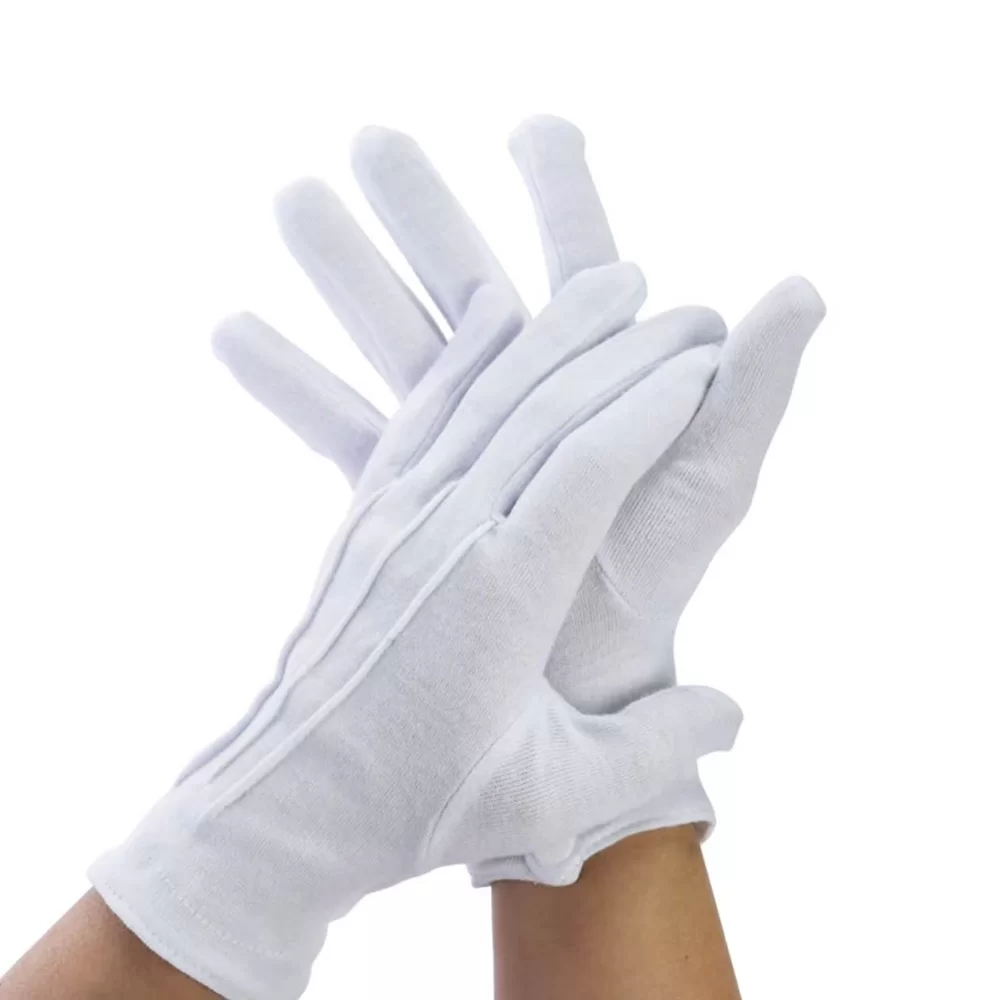
Furthermore, the cultural emphasis on formality in diplomatic and corporate circles has increased the search for gloves formal. The challenge for local manufacturers has been integrating elasticity and comfort without sacrificing the structured look required for official Ethiopian state and business functions.

Evolution of Protective Handwear Technology

From traditional craftsmanship to synthetic precision in the Ethiopian market.

Market Development History

From 1990 to 2010, the Ethiopian market relied heavily on organic leather and coarse wool. Handwear was primarily functional, focusing on basic protection against the elements rather than ergonomic precision or material science.

Between 2011 and 2020, the introduction of synthetic blends saw a rise in the use of polyester and nylon. This period marked the transition toward mass-produced industrial safety gear, although specific needs like short formal gloves remained underserved by local production lines.

Since 2021, the integration of microfiber and thermal polymers has revolutionized the industry. The shift toward "smart textiles" has allowed for the creation of gear that adapts to Ethiopia's extreme temperature fluctuations between day and night.

Future Development Trends

Sustainable Bio-Synthetic Materials

Moving toward biodegradable microfibers to align with Ethiopia's "Green Legacy" initiative, reducing the carbon footprint of textile manufacturing.

Ergonomic Precision Fitting

Implementation of 3D scanning and precision cutting to ensure that specialized gear fits the diverse anatomical needs of the local workforce.

Climate-Adaptive Thermal Layers

Development of phase-change materials that keep the wearer warm in the Simien Mountains but breathable in the lowland valleys.

Industry Trends and Future Outlook

Strategic forecasts for the industrial textile sector in Ethiopia.

Digital Textile Integration
Adopting AI-driven design to optimize the weave density of microfiber fabrics for better durability.
High-Altitude Performance
Specializing in thermal retention layers for the unique cold climates of the Ethiopian plateau.
Customized Formalism
Increasing demand for hybrid gloves that combine industrial strength with a formal corporate appearance.
Industrial-Grade Durability
Developing tear-resistant textiles for the expanding manufacturing hubs in Hawassa and Bole Lemi.

Industry Outlook

Based on search trends in the Horn of Africa, we anticipate a 25% increase in demand for specialized technical textiles. The focus is shifting toward multifunctional gear that can transition from work sites to social settings.

The future of the Ethiopian textile market lies in "Localized Specialization"—creating products that specifically address the altitude, temperature, and cultural dress codes of the region.

Localized Application Scenarios in Ethiopia

Practical implementation of advanced textile handwear across various Ethiopian sectors.

01. Industrial Manufacturing in Hawassa

Using microfiber gloves for precision assembly in textile factories, where lint-free materials are critical to avoid contaminating high-end fabrics.

02. Equestrian Events in Addis Ababa

Professional riders utilizing riding gloves black during official competitions to maintain a sleek, traditional look with modern grip efficiency.

03. Highland Agriculture & Logistics

Workers in the colder plateau regions relying on warm riding gloves to maintain dexterity during early morning transport and sorting of coffee beans.

04. Diplomatic and State Functions

The use of gloves formal during high-level government summits, providing a symbol of prestige and professionalism.

05. Corporate Hospitality & Events

Staff wearing short formal gloves for luxury hotel services in the capital, blending hygiene requirements with elegant aesthetics.

Brand Story

Global Development Journey of Shijiazhuang Hongmeida Trading Co., Ltd.

The Foundation of Excellence

Established with a vision to bridge the gap between raw textile manufacturing and end-user ergonomic needs, focusing on industrial precision.

Technological Breakthroughs

Investing in microfiber research to replace traditional heavy leathers with lightweight, high-strength synthetic alternatives.

Global Market Expansion

Extending our reach to Africa, specifically adapting our production lines to meet the unique climatic demands of the Ethiopian market.

Commitment to Quality

Implementing rigorous E-E-A-T standards in our manufacturing process to ensure every glove meets international safety and durability benchmarks.

Vision for the Future

Leading the transition toward sustainable, smart textiles that protect the worker while preserving the environment in every region we serve.

Comprehensive Handwear Portfolio for Ethiopia

A curated selection of industrial, equestrian, and formal textile solutions.

Frequently Asked Questions for the Ethiopian Market

Expert answers regarding textile handwear selection and maintenance.

Which microfiber gloves are best for high-altitude industrial work in Ethiopia?

For high-altitude areas, we recommend microfiber gloves with a thermal inner lining to prevent heat loss while maintaining the high abrasion resistance needed for industrial tasks.

Are riding gloves black suitable for both professional and casual use in Addis Ababa?

Yes, our riding gloves black are designed with a neutral, professional aesthetic that fits seamlessly into both official equestrian events and daily urban commuting.

How do warm riding gloves differ from standard winter gloves for the plateau climate?

Unlike standard gloves, warm riding gloves provide reinforced palms for grip and specialized wrist closures to block wind, essential for the breezy conditions of the Ethiopian highlands.

What are the etiquette standards for wearing gloves formal in diplomatic settings?

In formal Ethiopian diplomatic circles, gloves formal should be matched with the occasion's dress code—typically understated colors and a precise fit that does not hinder handshaking etiquette.

Can short formal gloves be laundered without losing their shape?

Our short formal gloves are made from high-recovery synthetic blends. We recommend gentle hand washing with mild detergent to maintain their structured fit and elegance.

How to choose between industrial microfiber and leather for Ethiopian textile factories?

Microfiber is superior for clean-room environments and precision tasks as it is lint-free and more breathable than traditional leather in warm industrial settings.

Get Expert Textile Consulting

Ready to upgrade your industrial or formal handwear? Our team is ready to provide tailored solutions for your business in Ethiopia.

Contact Us Now

If you are interested in our products, you can choose to leave your information here, and we will be in touch with you shortly.